Mashed Potato Pancakes


It’s the Sunday after The Big Eat, aka Thanksgiving, and our fridges are probably still pretty full of leftovers. Yet, it’s Sunday, so what’s left might be things nobody likes all that much, or stuff we made way too much of – like mashed potatoes – by T Minus three days, there’s a good chance they’re out of favor. Fortunately, we have a delicious option for those – mashed potato pancakes.

Potatoes are a new world crop, and like tomatoes, took some time to catch on over the pond – once they did, they flourished, especially for breakfast. The mashed potato cake was and is quite popular in England, Ireland, and Scotland, and appeared in a late 19th century Lancashire newspaper recipe as the first known version of Bubble and Squeak to include potatoes. Wherever they stem from, mashed potato pancakes belong in your repertoire.


While the beauty of this dish lies in judicious use of leftovers, they’re unquestionably delicious. You can lean savory or sweet as you wish. If you prefer the former, diced veggies, herbs, and cheese are called for. If it’s the latter, the simple addition of eggs and sour cream topped with applesauce might be just the thing. It’s a simple, fast dish to prep and cook. 

This recipe has no liquid dairy in it, deploying sour cream instead. Mexican Crema, crème fraîche, or chèvre will all work nicely. If you prefer milk, use whole and do so sparingly – this isn’t a batter that you want runny. 

Fresh onion, pepper, and garlic want to be cooked through, so take the time to prep a nice, even mince cut on those veggies. A mince is, practically speaking, about as small as you can get, between 1/16” and 1/8” cubes. It doesn’t need to be perfect or pretty, just reasonably uniform – there ain’t no Michelin stars at risk at our places.


Urban’s Mashed Potato Pancakes

Makes about 6 large cakes, and 10-12 small ones


2 Cups cooked Mashed Potatoes

2 medium Eggs

1/2 Cup Sour Cream

1/4 Cup Cake Flour

1/4 Cup fine grated Extra Sharp Cheddar 

2 Tablespoons Minced Sweet Onion

2 Tablespoons Minced Red Bell Pepper

1-2 Cloves Minced Garlic

5-6 twists Ground Pepper

2 Finger Pinch Salt

Avocado Oil for cooking

Peel, end trim and mince onion, pepper, and garlic.

Add a teaspoon of oil to a heavy skillet over medium-low heat.

In a mixing bowl, combine all ingredients and whisk with a large spoon. 

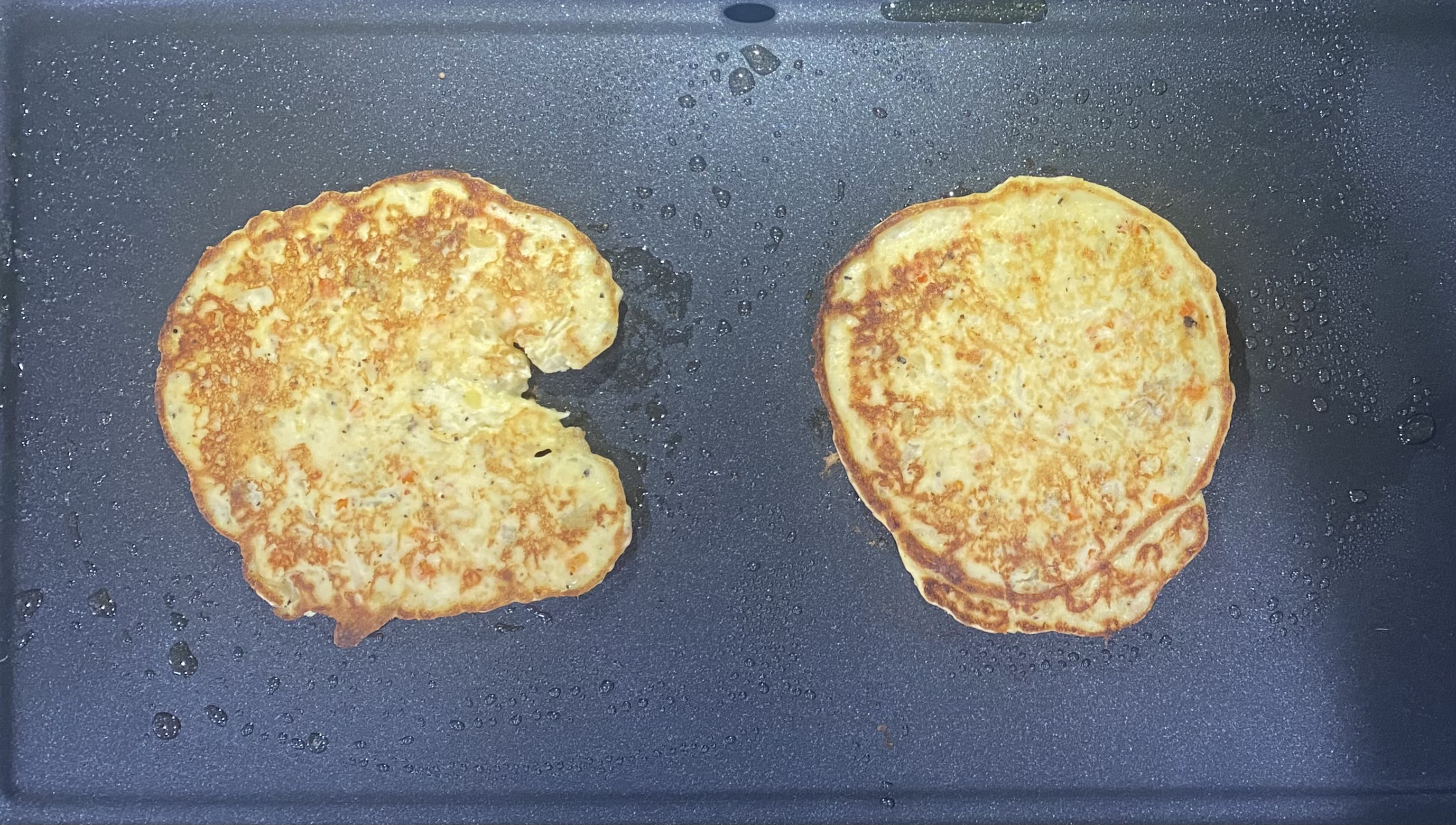
When the skillet is hot and the oil heated through, add a quarter cup of batter per cake and spread to roughly 1/2” thickness. If you like smaller cakes, use a couple of tablespoons per.
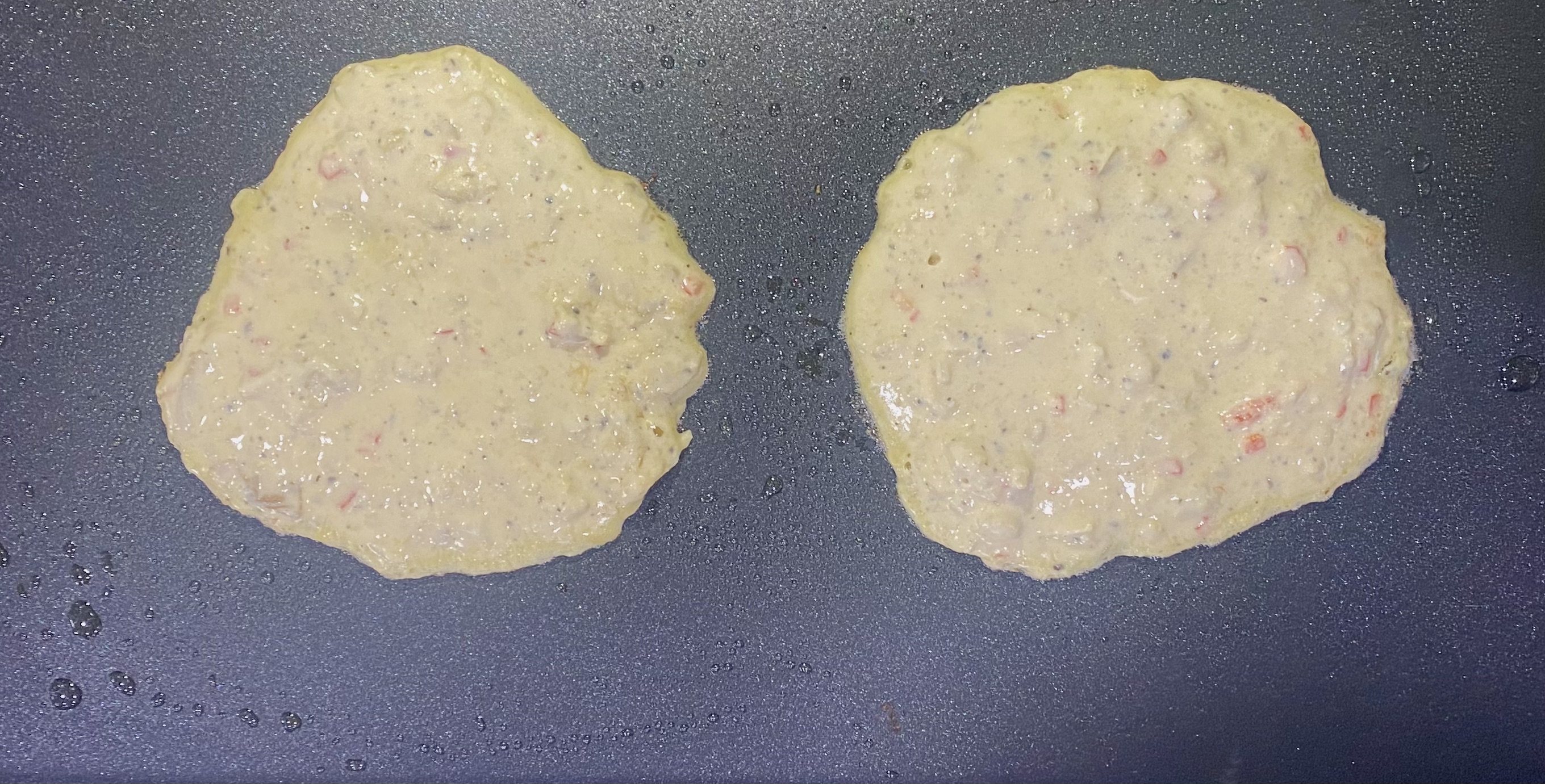

Fry for about 3-4 minutes, until cooked side is crisp edged and golden brown.

Flip cakes and fry the second side crisp edged and golden brown.

Hot hold in a warm oven, or serve immediately.

Top with eggs, cheese, or sour cream for savory. 


Try sour cream, crème fraîche, crema, applesauce, or chutney for a sweeter option.

Devour with abandon.

Reflections of a Lovely Fall Day


what does this have to do with cooking? Everything and nothing. Bear with me please.


Do you know what? It’s the little things that matter. That’s where life is. It’s knowing that M is sleeping soundly in a lovely old Dublin hotel. It’s going for a walk with this dawg who’s been the best we’ve ever been blessed with and looking at a low fog starting to settle into the San Juans, across Hales Passage.


It’s coming back and finding both kitties at the door to greet us. It’s feeding the crew, sharing 30 seconds of love with the rotten Tortie, 5 minutes with the ol’ boy cat, and sitting down beside that 14 year old dog while he chows down.

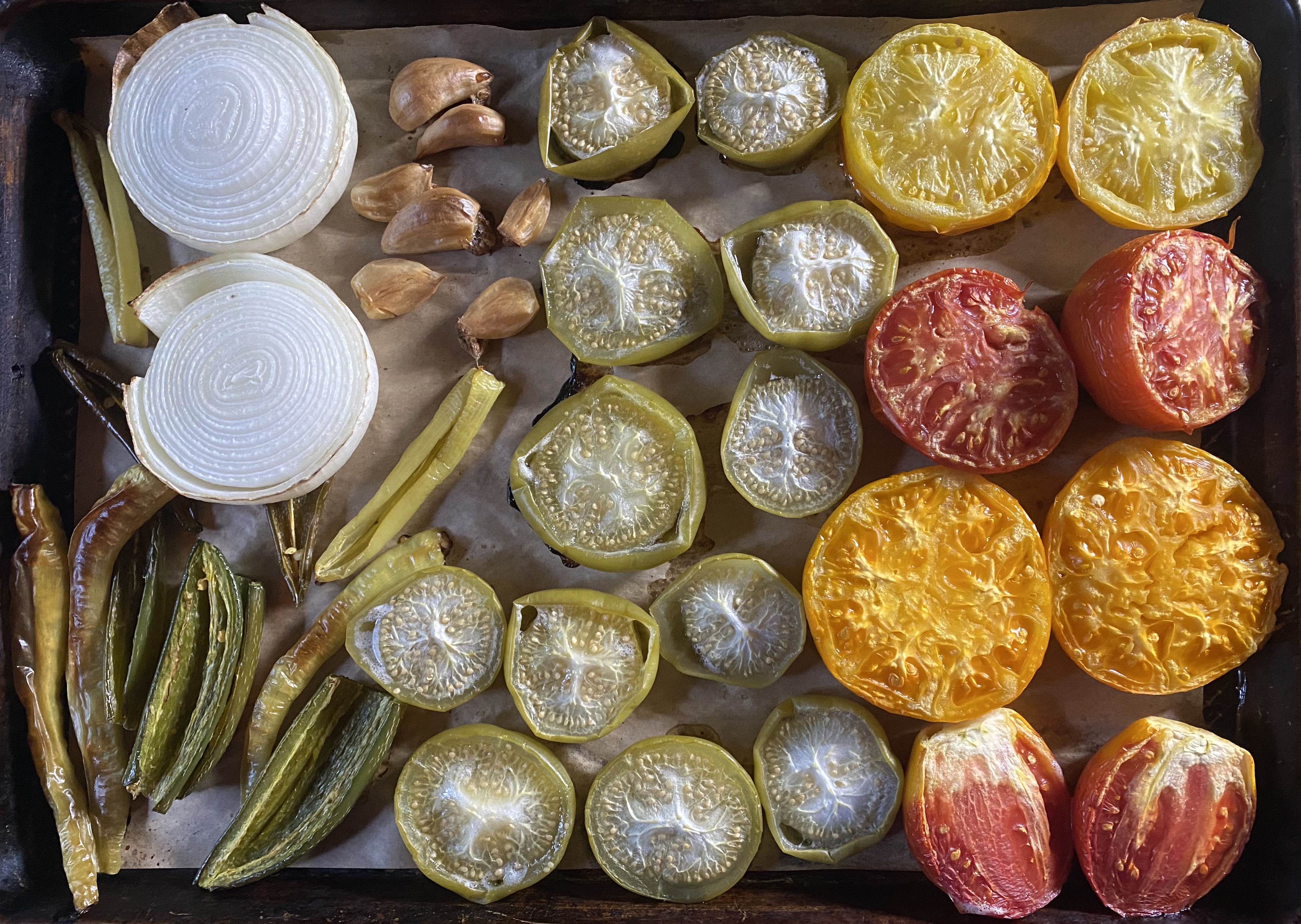
It’s that air off the bay. It’s gathering a dozen amazing tomatoes for dinner.


It’s all that. Don’t let all the loud noise and terrible crap the news spews distract you.

Everything is connected. We are all part of it. Never, ever take that for granted. As Warren Zevon said, once he knew for sure he was dying – enjoy every sandwich. So with that said, I believe I will.

Y’all be well .

Beef & Barely Stew – A wonderful dish with Pictish roots


It’s a crisp fall day here, with reasonably warm days and chilly mornings and evenings. On top of that, the garden is still in fine fettle, churning out lots of great veggies. If ever there was a day for a hearty stew, this is it – so I went for her absolute fave, beef and barley.

This dish is often attributed to ‘colonial times,’ which is missing the boat by a wide margin. The origins are Pictish, and harken back thousands of years, to the Iron Age. Today in Scotland, it’s called Scotch Broth, a pottage (soup or stew) containing beef, (or mutton), barley, onion, carrots, peas, neeps, rutabaga, and so on – it’s anything but a broth, but there ya go – a perfect fall/winter dish that will shine with whatever you have, love, and/or need to use.

This stew isn’t really designed to be cooking all day low and slow, because of the barley – you can and will end up with mush if it’s allowed to cook much longer than 45 minutes to an hour. As such, you may find you want add liquid to your stew, especially the next day – unless you really like porridge, of course.

There are plenty of versions out there, but it really is meant to be personalized every time. Make what you love, and use what’s fresh, available, or needs using – you’ll not go wrong in any iteration.

Toasting the barley isn’t required, but it is delightful – by itself, it’s not particularly tasty, so adding a greater depth of flavor and nuttiness is well worth the effort. Many folks call for doing this in oil, I don’t – a dry toasting gives better flavor and avoids adding unneeded fat.

What makes this a stew rather than a soup? in a word, viscosity. Employing a roux and the barley assures you end up with something that can’t ever be accused of being thin – and thats as it should be.

M’s Fave Beef & Barley Stew

8 Cups Stock (whatever you like, and water will work too)

3/4 Pound Stew Beef

2/3 Cup Pearl Barley

1 medium Onion

2 stalks Celery

2 medium Carrots

3-5 medium Tomatoes

1-2 mild Chiles (or bell peppers)

1 Cup whole Peas

2-3 cloves Garlic

1 Tablespoon Avocado Oil

2 Turkish Bay Leaves

3 Tablespoons Unsalted Butter

3 Tablespoons AP Flour

3 sprigs fresh Thyme (1-2 teaspoons)

2 sprigs fresh Greek Oregano (1-2 teaspoons)

2-3 dashes Worcestershire Sauce

2-3 shakes Tabasco

Salt & Pepper to taste

If not done already, cut beef into roughly 1/2” cubes.

Peel, end trim and dice onion.

End trim and cut carrots and celery into roughly 1/4” thick rounds/slices.

End trim, deseed, and dice chiles and tomatoes.

Peel, end trim, and mince garlic.

Strip leaves from thyme and oregano, and mince – If you’re using dry, portion 2 teaspoons of each and set aside.

In a stock pot over medium heat, add the oil and heat until shimmering.

Add beef and cook, turning steadily, until all sides are nicely browned, about 3-5 minutes.

Add onion, carrot, celery, and chiles and cook, stirring steadily, until the onion starts to turn translucent, about 3 minutes.

Add garlic and cook until the raw smell dissipates, about 1 minute.

Add stock and deglaze the pot, scraping any fond loose from the bottom of the vessel.

Add tomatoes, peas and bay leaves, and stir to incorporate.

Bring the stew up to a low boil, then reduce heat to maintain a bare simmer.

In a dry cast iron skillet over medium heat, toast the barley, stirring/shaking steadily, until it’s golden brown and fragrant, about 3-5 minutes.

Remove barley from hot pan and set aside.

In a 16 oz measuring cup, combine room temperature butter and flour and stir to a paste with a fork or spoon.

Let the stew simmer uncovered for 1 hour – if you lose too much fluid volume, replace it with fresh, hot stock or water.

Add herbs, a three finger pinch of salt, 10-12 twists of pepper, a few drops of Worcestershire and a few shakes of Tabasco – stir to incorporate.

Ladle two cups of stock into the flour/butter mix and stir well to fully incorporate – pour this back into the stew, and scrape/rinse to measuring up to get all your thickener into play. Stir well to incorporate.

Add the barley to the stew and stir to incorporate – Simmer for about 45 minutes, or until the barley is done, (it should be soft, not chewy, and notably fatter)

Serve with biscuits, crusty bread, or cornbread – it’ll be even better the next day.

Painless Enchiladas with Red Chile Sauce


Ever made your own enchiladas, including the sauce? If not, it’s quite easy and a great opportunity to make something you love exactly as you love it. I made these for my Minnesota tribe and got some requests to share, so here we go.


Now, while the word ‘authentic’ gets tossed around way too much, there’s usually no tomato at all in what can arguably be called authentic enchilada sauce. The tomatoey version is a Tex-Mex thing – doesn’t mean that’s bad, just that it’s done to please the Gringo palate. Seriously though – either way is fine if that’s what you dig, but you really should try a tomato-free version if you’ve not done so yet.

That said, frying enchiladas before they’re finished in the oven is done to avoid the dreaded SES – Soggy Enchilada Syndrome – That’s a thing you don’t want in your kitchen. Happily, you can achieve the same thing in the oven and still end up with top notch enchiladas.

You’ve probably noticed that when you cut into a great enchilada at your favorite restaurant, there isn’t much of anything inside other than meat and maybe cheese – that too is done to avoid SES. When you’re building this dish, leave the vegetables in the salsa or the pico de gallo, and keep the enchiladas simple.

You can fill enchiladas with anything you want – from chicken, beef, or pork, to shrimp, fish, extra firm tofu, crunchy veggies, or fresh heirloom potatoes. Just make sure whatever you stuff with isn’t wet.

You can make the sauce with any number of dried chiles, either whole or ground. Ground chiles can make the sauce a bit grainier than whole dried, but if you give them enough time working in the roux, you’ll overcome that, and they’re much faster to prep. 

Use whatever chiles you like best – Guajillos have great flavor and not much heat, chipotles have a nice smoky note and medium heat, arbols have great flavor and plenty of punch, and anchos and negros both add nice complex flavors without too much heat. If you use whole dried, soak them in boiling water for 15-20 minutes, remove the seeds and stems, and either mince or blend as you see fit. You’ll likely want to strain the results to keep things smooth, but you can go rustic too.


Urban’s Chicken Enchiladas with Red Enchilada Sauce

For the Enchiladas

1 pound Chicken – Breasts are super easy, thighs are more flavorful.

1-2 Cups Shredded Cheese – Queso Asodero or Oaxaca for authenticity, Jack is a fine sub.

6 Flour or Corn Tortillas – 7” to 9” work best for a standard 8”x8” or 9”x9” baking pan.

For the Sauce

2 Cups Chicken or Veggie Stock

3 Tablespoons Dried Chiles  

1 Tablespoon Smoked Paprika

1 teaspoon Cumin

1 teaspoon Mexican Oregano

1/2 teaspoon granulated Garlic

2 Tablespoons AP Flour

1 Tablespoon Butter

1 Tablespoon Avocado Oil – Any neutral oil will sub fine

Salt and Pepper to taste


Portion chicken into roughly 1/2” chunks.

Grate cheese.

Combine chiles, paprika, cumin, oregano, and garlic and mix well.

In a heavy skillet over medium heat, add a tablespoon of oil and heat through. 

Add the chicken and sauté until all visible rawness is gone from the chicken, about 3-5 minutes.

Remove chicken from heat and let cool.

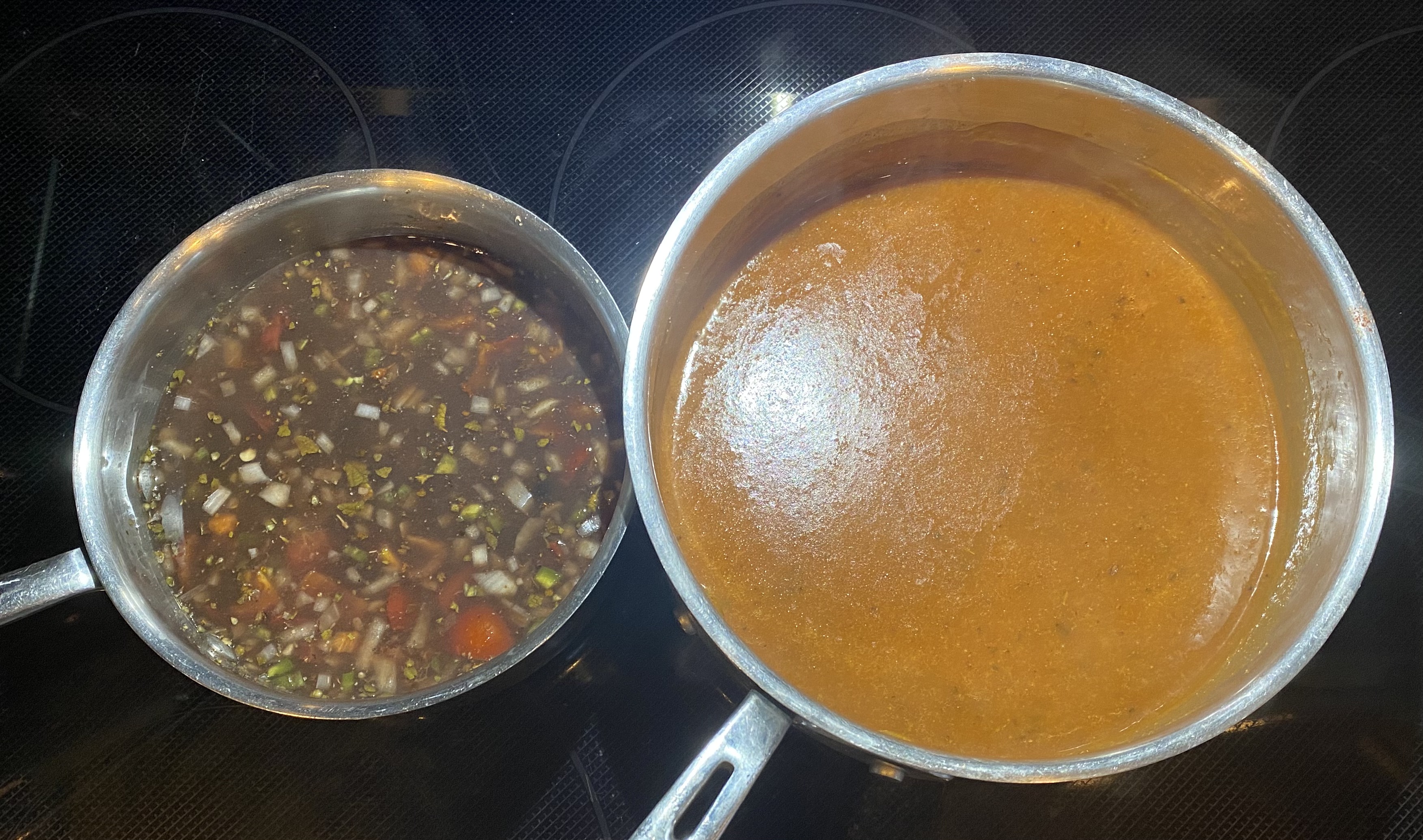
In a heavy pot over medium-low heat, add the oil, butter and flour and whisk with a fork to incorporate. 

Allow the roux to heat through, about 2 minutes.

Add the chile blend and whisk into the roux thoroughly. 

Let the sauce base cook for 2-3 minutes, whisking constantly, (As in, don’t walk away…)


Gradually add stock, about a quarter cup at a time, gently but thoroughly whisking each time to let the sauce stretch without breaking the roux. Things will look like real dirty mashed potatoes until you get to around 1 cup of stock – that’s what you’re after, so be patient. Allow the sauce to return to full heat before adding each additional dose of stock.


Turn heat to low and allow sauce to barely simmer for 10-15 minutes, until it has thickened a bit.

Taste and add salt and pepper as desired.

Turn the heat off and leave the sauce on the stovetop.

Preheat oven to 325° F and set a rack in the middle slot.


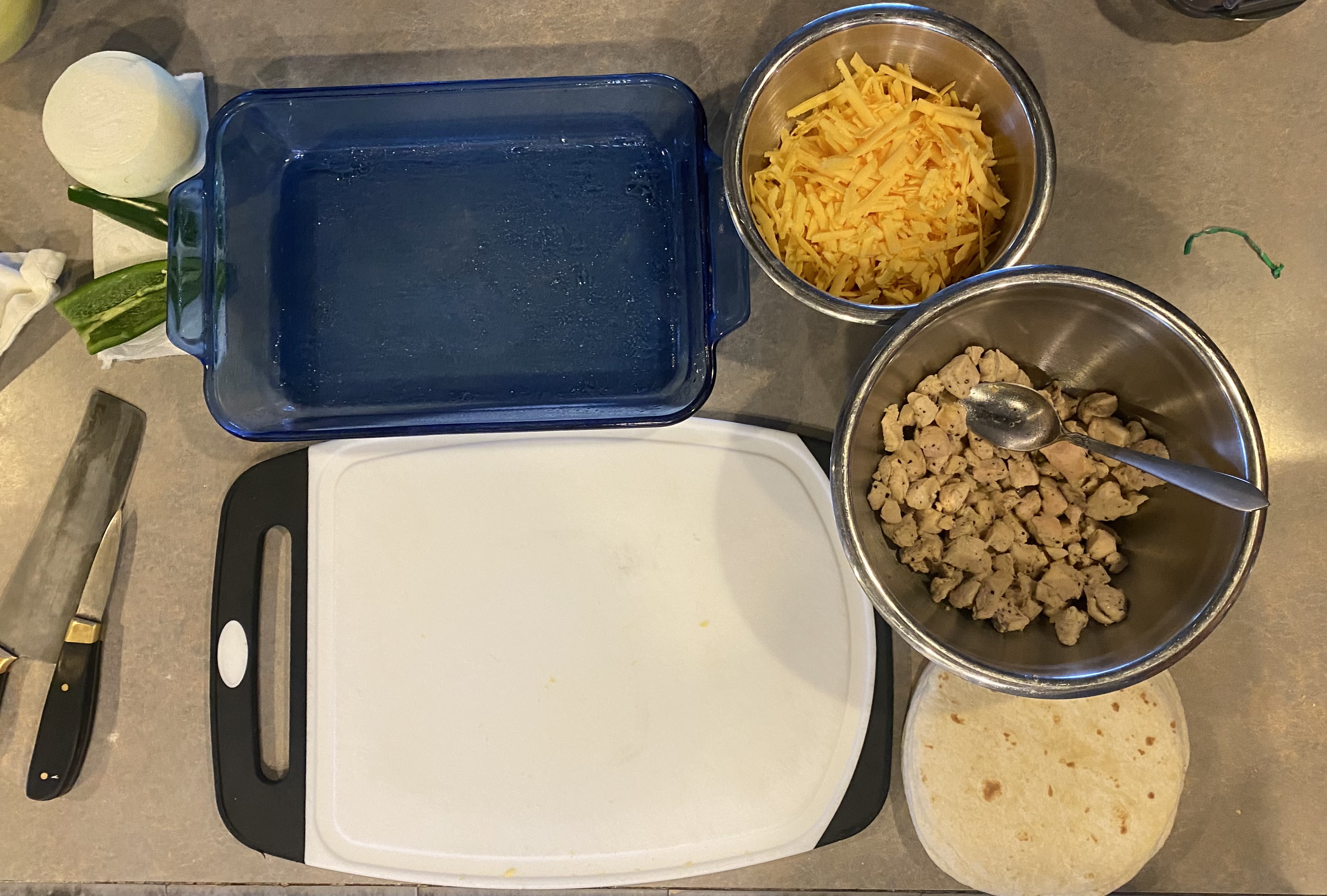
Set up assembly area for the enchiladas, (chicken, tortillas and baking pan), and very lightly grease your baking pan.

Eyeball the chicken and grab about 1/6 of the total. Holding a tortilla in your off-hand palm, add an even layer of chicken to the middle of the tortilla, then gently roll the long edges over each other. Place the enchilada seam side down in the baking pan. Repeat with the other five enchiladas.

Bake bare enchiladas for about 5-7 minutes, until the outsides of the tortillas are lightly browned.

Remove baking pan from oven and top the enchiladas with an even layer of grated cheese. Return the pan to the oven for about 2-3 minutes to let the cheese melt – this step helps a lot to avoid SES.

Remove pan again and top the enchiladas with sauce – you don’t need to drown them, just make sure they have a nice, even layer that coats them thoroughly.


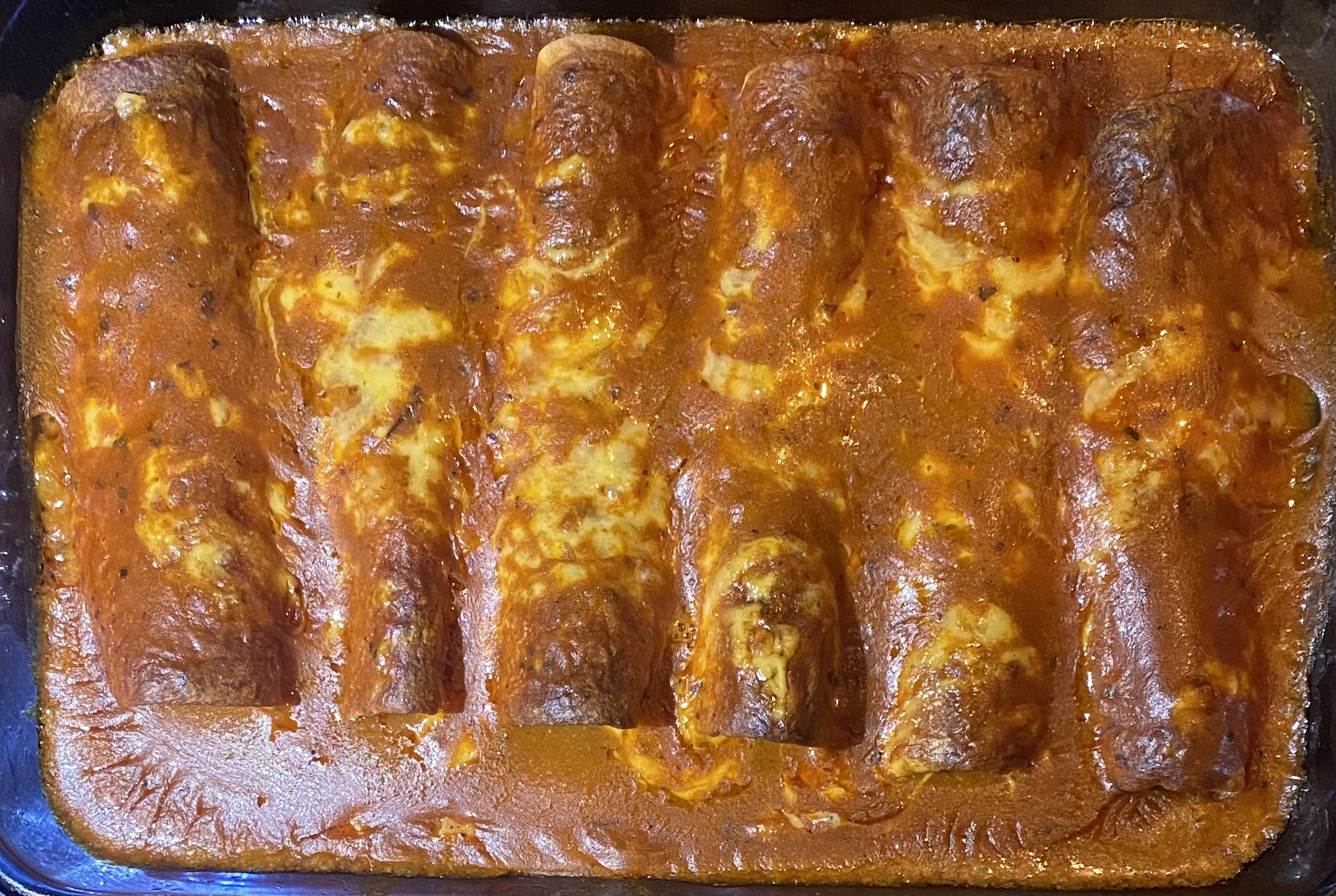
Return to oven and bake for about 15 minutes, until the pan is bubbling nicely and the cheese has melted into the sauce.


Serve right away with rice, beans, salsa or pico and devour with abandon.

Robusta to the Rescue?


If you’re a coffee snob like I am, you’ve probably scoffed at, dissed, snorted, spat, or otherwise abused the idea of drinking robusta coffee more than once. I roast my own beans, and have heartily encouraged others to do so as well in pursuit of the best cup you can get. I’ve never roasted robusta beans – why not?


This article in Saveur, written by venerable roaster James Freeman, the founder of Blue Bottle Coffee, got me to shut up, read and consider what I’ve been missing – if you’re a coffee fan, I highly recommend it.


Robusta, aka Coffea canephora, is the second most popular coffee variety worldwide – it’s found in Africa, and is the number one cultivar in Vietnam. Coffea arabica, cultivated throughout Central and South America is the number one variety, and what we drink most here in El Norte. We know what happens to monocultural crops all too often, right – especially in a rapidly changing global climate.

Why the bad rap for robusta? It’s been described as earthy, bitter, kind of gritty and a bunch of other less than pleasant things. I think the reasons are twofold – One, it’s what’s used for cheap and instant coffee most of the time, and two, it hasn’t always been given the experimentation and care in roasting that a bean deserves in order to discover its best qualities. Sounds like that’s changing, and that makes it worth a second or third look – for drinkers and roasters – I’m in.

Summer Vacation Post


Greetings, all! I’m home, after driving 3,400 miles to and from Minnesota, for the first real vacation I’ve had in a long time – too long, in fact.

What I do for work isn’t important for several reasons. Yes, it’s in the food industry, but no, it’s not very creative. I’m a manager, and suffice it to say that more and more has been demanded of me, and I blithely soldiered on for months and months.

When I finally took vacation earlier this month, I was mentally, physically, and spiritually exhausted, riding the razors edge to serious burn out. So with M’s blessing, I went to see our tribe in Minnesota – our brothers and sisters from different mothers.


There I rested, cooked, played music, and soaked up the love and support from these wonderful souls. I’m back, and much better, but not healed by any sense of the word. I have a different perspective on work now – one that puts my health and happiness first – and that’s gonna be that.


All that said, I want y’all to know that here is where a large chunk of my creative heart lived and shall live going forward. And so I wish to thank you all, deeply, for stopping in and seeing what I’m up to, trying things, asking questions, letting me know what you dig and what ya don’t. It means a great deal to me.


Thanks for understanding my lack of posts for the last couple weeks. I’m back, and on we go!