Blog

Grand Marnier French Toast


Alrighty then! Sooooooo, a friend got his butt in a sling with his SO, (Significant Other). Not good, but it happens…

So whataya do to make thing right? Sure, there are flowers, and that’s never a bad idea, but if you really want to mend that bridge, then the way to a girl’s heart is through her tummy.

Make something really good with love, and you’re on the right track, every time. Start early, and that means breakfast. Here’s a nice little twist on French Toast that, as Emeril would say, kicks it up a notch. Follow these directions to a T and you’ll be back in her good graces in no time; then it’s up to you to stay there…

Grand Marnier French Toast

4 large Eggs
3/4 Cup Cream (Half & Half is fine)
4 Fresh Oranges
2 Tablespoons Grand Marnier, (Triple Sec works too)
1 Tablespoon Agave Nectar (Honey is fine)
1 Tablespoon Orange Zest
3″ Vanilla Bean (1/2 teaspoon of Extract is OK)
8 slices Sourdough
2 tablespoons Butter (NO Marg!)

6 slices Thick Cut Maple Smoked Bacon

1 bottle nice sparkling wine, (That she likes!)

1 large bunch of flowers and greenery that your Sweetie loves.

For the Table

Butter (NO Marg!)
Orange Marmalade
Warm Maple Syrup, (NO fake stuff!)

Make sure the sparkler is nicely chilled.

Make good, fresh coffee. Bring that and paper, tablet, whatever she likes to keep your girl happily in bed. Tell her to stay right there and relax; you’ll call her when breakfast is ready. Make sure she gets coffee warm ups and anything else she needs to stay put and enjoy a quiet morning.

With your finest grater, zest one orange, taking only the pretty stuff, no white pulp. Measure out and set aside 1 Tablespoon.

Take one of the oranges and find where the sections are. With a sharp paring knife carefully cut two sections out. Now, gently remove the skin and any of the white connective tissue, so that you have nice, elegant little supremés of orange. Cut a notch into each; these are garnish for your juice.

 photo image-23.jpg

Juice all orange and set aside 1/4 cup for the French toast; the rest is for your loved one and you, if there’s enough for you…

If you have or found vanilla bean, carefully slice it lengthwise, then scrape the seeds out.

Measure out 2 Tablespoons of Grand Marnier; add the orange juice, zest, vanilla bean and seeds, and stir to incorporate.
Allow that to sit for 15 minutes.
Remove the bean, leaving the seeds; pat the bean dry with a paper towel, then toss it into your sugar bowl so you get some nice vanilla sugar for later.

Slice Sourdough into nice, even 3/4″ slices.

In a large mixing bowl, combine eggs, cream, nectar or honey, and the orange juice-zest-Grand Marnier-Vanilla blend. Blend with an immersion blender, (Or by hand), until all ingredients are fully incorporated and you’ve worked some air into the mix.

 photo image-24.jpg

Dip each slice of sourdough into the batter, then place dipped slices in a baking pan or cookie sheet with sides. Space them evenly with a little room between each slice.

Pour all remaining batter over the bread evenly. Let them sit for a minute or two, then flip bread one more time.

Cover and refrigerate for at least an hour, and up to overnight, (Longer the better!)

Ok, now it’s show time…

Remove all newspapers, magazines, tablets, laptops, etc from table that she likes to eat at best for a nice meal.

 photo image-21.jpg

Find where your girl keeps the tablecloths, cloth napkins, napkin rings, placemats, candle holders, etc. Set the table with matching versions of all those.
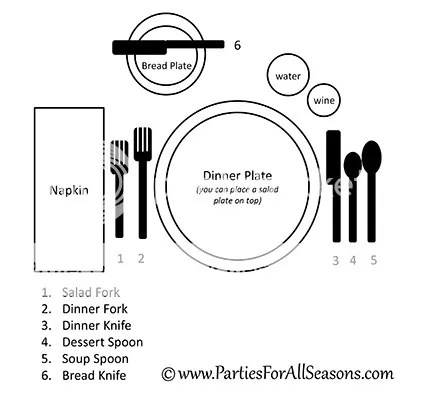
 photo image-25.jpg

Take flowers/greenery out of plastic wrap and cut about an inch of the bottoms of all stems. Find a nice vase and arrange the flowers tastefully, (You can do it; channel your inner floral designer…) If they came with flower food, dissolve that in fresh water and fill the vase. Doesn’t have to be fancy, boys, just from the heart…

 photo image-27.jpg

Place flowers in center of table. Arrange two candles on either side of flowers.

Place two of the nicest juice glasses and two champagne flutes you got in the freezer.

Preheat oven to 350° F.

Preheat a skillet large enough to cook the bacon over medium-high heat on your stove top.

Uncover and slip the pan/sheet into a middle rack in your oven. Allow bread to heat through for 15 minutes.

Fry bacon, set onto paper towels to drain.

Preheat a large, heavy skillet over medium heat.

Place a small sauce pan on a burner over low heat. Add a cup of maple syrup, a dash of butter, and a small pinch of salt, (trust me, do it); blend together and allow to heat through. Turn off heat when butter is melted and the syrup is heated through. Cover the pan.

When the timer goes off for your bread in the oven, turn oven off, slip the bacon in there to stay heated, along with two plates and a small boat or dish for the syrup.

Melt a tablespoon of butter in your skillet. Sauté french toast in serving-sized batches until golden brown, about three minutes per side.

Put on some music your girl digs, at low but hearable volume.

If you have or can jury rig a decent champagne bucket, fill it with ice and water and place the unopened bottle in there.

 photo image-26.jpg

Pull glasses from freezer, fill with fresh juice, garnish with orange slices.

Put heated syrup in the warmed boat on table, along with marmalade and butter and knives for both of those at place settings.

Light the candles.

Call the Lady to breakfast.

Serve french toast and bacon on warmed plates.

 photo image-22.jpg

Grasp the sparkler cork, gently twist the bottle until cork comes free with a gentle sigh, (Do not shoot corks, period!)

Apologize sincerely.

Kiss gently.

Enjoy.

P.S. You didn’t really think that all I know is how to cook, did y’all?

Great Stew Fer Yew


A few weeks back, we covered Burgoo. Just like that regional specialty, there’s no one genuine beef stew recipe, but there sure is a right way to do it.

 photo image-18.jpg

The lovely Mrs. Atwater has a favorite jibe she uses from time to time. When I make stew with any method other than the one we’re gonna share here, she tries the finished product, smiles sweetly and says “Good soup, Dear.” Funny girl…

Fact is, she’s pretty much right. If you want the real McCoy, you gotta follow the right path to getting there; that means making as much as you can from scratch; here’s how.

Like homemade chili or chicken noodle soup, stew is a critical component to making it through the long, cold winter months. A great stew will feed you and yours several times, and truth be told, gets better in the couple of days after its made.

The first must-do is to make your own stock. Get in the habit of saving beef and pork bones, poultry carcasses, and fish heads and racks. If you’re not ready to use them right away, freeze ’em for later, every time. These are the key to killer homemade stock. The other thing you’ll need is mirepoix, (meer pwah), the go-to veggie blend for many good things. It’s super easy to do.

 photo image-19.jpg

Mirepoix
50% Onion
25% Celery
25% Carrot

It’s definitely a best practice to collect enough bones and devote a day to stock making. Stock freezes easily and is great to have ready any time. If you just get a sudden jones for stew and don’t have any ready to go, it’s no big deal to whip out a small one-time batch, so that’s what we’ll do.

One medium onion, a couple of stocks celery and a couple small carrots will do. Rough chop everything, meaning big ol’ 1″ chunks are fine, just make everybody about the same size.

If you were just making veggie stock, you might add a tomato, a clove of garlic, some parsley or cilantro, a splash of olive oil and call it good right there. If you’re making critter stock, then we’ve got a bit more to do first. For this stew, the bones from a good family steak night will work just fine; if you don’t have any on hand, then pick up some soup bones when you buy beef for this recipe. Ask your butcher if you don’t see any handy.

We could just simmer this stuff gently in nice, fresh water; this will make what is generally referred to as a white stock if you’re doing critter. You’ll get the essence of whatever your simmering, but roasting them is gonna make things much more interesting. That’s where we get into the dark stock world.

Preheat your oven to 375° F. It’s time to develop some nice, deep caramelized flavors.

Put your bones onto a sheet pan, drizzle a little olive oil on them, a sprinkle of good salt, and a twist or three of ground pepper. Slide the pan onto a middle rack and let the magic begin for about 30 minutes; your bones should be nicely browned when they’re ready for the next step.

 photo image.jpg

Slide the pan out, add the mirepoix with a bit more oil, salt, and pepper, then slip everything back onto that middle rack for another 20 minutes.

One last step, grab a healthy smear of tomato paste and give the bones a nice, even coating of that. Continue roasting for another 10 minutes. The tomato adds a bit of richness and color to the stock, and the acidity helps breakdown bone and connective tissue.

Pull everybody out of the oven and toss them into a stock pot with a gallon of fresh water. Bring evening to a boil, then reduce to a simmer, toss in 2 Bay leaves and go find something to do for a couple hours.

When you come back to the stock, you’ll likely see some fat floating on the surface. Get as much of that as you can with a fine mesh strainer, or use a paper towel to blot it up.

Pour your stock carefully through a fine mesh strainer or chinois; if you have cheese cloth on hand, (Which you aughta, by the way), strain through that. Strain at least a couple times so that you get the chunks and bits and whatnot out of your stock and end up with a relatively clear liquid.

Now taste it: If you had questions as to why we went through all that just for a pot of stew, they should now be answered. Carefully pour that stock back into a nice, big soup pot over the lowest heat you got.

Alright, let’s get after it. We’re gonna do beef stew, because that’s what we’ve got that needs using, but again, you can use venison, elk, moose, bear, whatever you have in your freezer that needs using. You can use dang near any cut for stew, and frankly, the cheaper the better; it’s a major reason why stew is a great freezer cleaner dish.

Cut your meat into roughly 3/4″ cubes, and trim out any really big hunks of fat or gristle.

Now it’s searing time. This is one of the non-negotiable steps to making a great beef stew, (And to keep Mrs. Atwater from calling it soup). To paraphrase Yosemite Sam, when I say sear, I mean sear, and browning ain’t searing, FYI. Here’s how we do it.

Preheat a dry, heavy frying or sauté pan over medium-high heat; cast iron is perfect for this. Let the pan get truly heated through before you add meat; when a drop of water dances like a maniac when introduced to the pan, it’s ready.

Prepare a coating of
1/2 Cup All Purpose Flour
1 teaspoon Sea Salt
1 teaspoon fresh ground Pepper

Throw that in a bowl or plastic bag, add your meat and get all of that thoroughly and evenly coated. Tap or shake the meat as you pull it out to remove excess coating. The coating not only facilitates the searing of meat, it provides all the thickening you’ll need for your stew.

Now, start searing meat in batches. Put enough into the pan to make a single layer and no more. Leave the beef in there, untouched, long enough for it to form a fond, a nice, deep brown, sticky glaze; that’ll take a good 3 to 5 minutes a side. The fond is the lion’s share source of those glorious roasted, nutty flavors that make people roll their eyes when the eat. Let that fond form before you stir/flip/turn your beef, and let it form on all sides before you start the next batch. Keep a constant hand and eye on this process; you want seared, not burned! Throw your seared meat into the stock pot.

 photo 57A108EB-787B-4BC6-AD85-91FA3F3B8072.jpg

Grab a bottle of good local beer or ale; I like a nice winter ale, porter, or even a stout for this job, for their nice, deep caramel taste notes. Pour it into a bowl and set it aside; we’re just looking to let it flatten for a bit while we work.

Return your attention to that pan you seared the beef in; peel and fine dice,
1 small Sweet Onion
2 cloves of Garlic

Toss the onion into the pan and sauté until it starts to go translucent; add the garlic and continue to sauté, taking care not to let the garlic burn. When they’re done, toss them into the stock pot with the meat.

With your pan still on medium-high, pour in the beer and let it go to work. As the beer starts to simmer, grab a spoon or spatula and start working loose all that stuff on the bottom of the pan. That’s concentrated goodness and it’s all gong in the stew. Work all those bits into the beer and allow it to reduce for about 5 minutes, concentrating the flavors and allowing the alcohol to dissipate. Pour that all into the stock and give it a good stir.

 photo BF635B49-1476-42FB-A703-96F60F11CADA.jpg

Allow your stew to work for the first hour with nothing else in it. This will let the marriage between meat and stock to come to full fruition.

Now, the other thing that ain’t negotiable with great stew is low and slow for the cooking. You must allow at least 2 hours and 4 is better. If you have a crock pot hiding in the cupboard somewhere, pull it out and use it. If not, then turn your chosen burner down to low and leave it there.

Alright, it’s taste time, so we can adjust seasoning. All you really need is good salt and pepper, but here again, do what you like. We find a shot of Tabasco, Worcestershire, and a touch of Turkish Oregano nice as well. You can use smoked salt and/or pepper, or anything else you like, in moderation: Just make sure that the meat and stock are the stars of the show.

Now it’s veggie prep time. Classic beef stew is nothing more than carrot, potato and a little more onion, but you can and should add what you like to yours. In addition to those staples, we like crushed tomatoes, celery, peas, green beans, a little sweet corn and some cilantro; again, do what you like. Cut everybody into a uniform dice, about 1/4″ to 1/2″ so they’re reasonably bite sized and will cook evenly.

Throw everybody into the pot, cover it and let it go for at least another hour and again, 2 or 3 is better yet. Stir occasionally, getting all the way down to the bottom so everything is nicely incorporated.

Serve nice and hot, with a little sour cream for those that like it, and maybe a little Jalapeño-Cheddar corn bread.

 photo image-20.jpg

 photo 5BE6CBFD-0B82-435B-87B9-CC12CE9550B0.jpg

Here’s the basic recipe for your shopping or gathering needs; once again, this is our version, so you adjust the veggies and seasoning as you prefer!

2-3 Pounds meat, (Stew or Chuck are best cuts)
1-2 Pounds Beef Bones
1 Pound Potatoes, (a waxy variety works great)
1 large can crushed Tomatoes
2 sweet Onions
3-4 stalks Celery stalks
5-6 Carrots
1 Cup Peas
1 Cup sweet Corn
1 Cup Green Beans
2 cloves Garlic
5-6 stalks Cilantro
1 12 ounce bottle Beer or Ale
2 Bay leaves
Shot of Worcestershire sauce
Shot of Tabasco
Sea Salt and Pepper

Cilantro Pesto II


We posted a pesto special a while back, but last night we did up this variant. It was so good, we decided we’d better share it pronto. This has a wonderful balance between the orange and onion with the savory cilantro and cheese is wonderful.

 photo image-17.jpg

1 Cup Cilantro, well packed, with the large stems removed
1/4 Cup lightly toasted Hazelnuts (or Almonds)
1/4 Cup extra virgin Olive Oil
+/- 1/4 Cup Parmesan Cheese
Juice & Zest of 1/2 to 1 Orange
2 Tablespoons Shallot
1 clove fresh Garlic
Salt & Pepper to taste

If your hazelnuts have skins, preheat your oven to 350° F. Place nuts on a cookie sheet and roast for 15 minutes, or until nuts start to darken notably. Pull them out, toss them into a clean, damp kitchen towel and rub briskly until the skins come off.

Zest and juice orange.

Process everything but the oil, salt, and pepper in a food processor or blender until thoroughly incorporated.

With the processor or blender running, (Low speed if you’ve got one), add the olive oil in a slow, steady stream.

Stop when you hit the consistency you like.

Taste and season with salt and pepper as desired.

Freeze leftovers as needed. Pesto works great in an ice cube tray, frozen. Just pop out a cube when you need one.

Indoor Herbs


 photo image-15.jpg

Basil, Sage, Rosemary and Thyyyyyyyyyme,
And Oregano, too!

When it comes to great home cooking, herbs are the key to separating the ho-hum for the UH HUH! And when it comes to great herbs, fresh beats dried hands down.

Having what you love as indispensable herbs available year round means growing your own, especially when a sort-of-but-not-really little plastic thingy of herbs from the store runs $5…
Fortunately, it’s not hard to grow your own, doesn’t take much room, and is well worth the time and money needed.

 photo image-11.jpg

You do not need to make this a fancy or expensive venture, but you can get as elaborate as you like. Let your imagination be your guide on a cold weekend and have some fun: All you really need is a decent sized pot, some potting soil, and a few seeds or starts. You should also have a nice sunny spot, of course; herbs dig direct sun and warmth, just like us.

 photo image-13.jpg

You may want to go to a decent nursery to find a decent selection, and your chances are better for finding starters there, which have obvious speed of enjoyment benefits over seed.

Choose a variety of herbs that you like to use most. The five choices I opened with are our faves, but get what floats your boat; nowadays, you’ll not just find thyme, for instance, but varieties like lemon, lime, or lavender. Same goes for Basil, Oregano, Sage, Marjoram and a bunch more great herbs.

Buy a large, deep plant pot, 12″ to 18″ around and a good 8″ to 12″ deep. Keep in mind the growing habits of your choices when you select pot size; sage grows tall, basil and oregano fairly bushy, while thyme is a creeper. Make sure its got drainage holes in the bottom and buy a nice deep saucer to handle runoff.

Get a bag of decent quality potting soil big enough to fill your pot and have some left over.

 photo image-12.jpg

Scrounge some gravel, river rock, or pot shards to line the bottom of your pot; they’ll aid in drainage by making sure the holes don’t get clogged with soil.

 photo image-14.jpg

When you get everything home, fill the pot up with soil, stopping about 3″ inches from the top.

Moisten the soil lightly but thoroughly and mix it well by hand.

If you bought starters, make your holes about 1 1/2 times the size of the soil the plants came with. Gently pull the plant from its container and carefully loosen the soil around its roots. Don’t tear the roots, just give them some breathing room. Plant your starter, pack about 1″ of your potting soil over the dirt and roots and press everything down gently but firmly. Give each plant a couple of inches room from each other. Water thoroughly when you’re finished planting but don’t drown the little guys.

If you’re planting seeds, follow the directions for starting them, as to depth, water, germination time, etc.

Set your pot on its drainage saucer and pick your best growing spot; again, most herbs like full sun, and in the cold months, they’ll take as much of the weaker weak winter sun as they can get.

Don’t overwater; when your little buddies look parched, (droopy dull leaves are a sign), give them a nice drink. You do not want the soil saturated, nor should there ever be standing water in your drip tray. You can certainly give them a little plant food if you like. We find that herbs dig Superthrive, which is a great, well established growth supplement.

Speaking of growth, keep an eye on that and trim as needed for meals and to keep things fair in the jungle. When you want some herbs for cooking, cut top leaves first. If you trim to a junction rather than just in the middle of a stem, you’ll encourage better health and regrowth.

 photo image-16.jpg

Once it gets warm again, you can set plants outside or leave them in as you see fit. Personally, the closer the ingredients to the pot, the happier I am.

Enjoy!

Housemade Cheese Press


OK, so as mentioned earlier, we’re delving more into the world of homemade cheese. As we do, we’ll share our findings with y’all, and see if we can’t get some of our fellow cheese makers share they’re experiences as well.

We’ll cover soft and hard cheese, ingredients and equipment as we go.

First off, let’s talk cheese presses. Without a doubt, this is one of the priciest pieces of specialized equipment needed if you really decide to get into cheese. Now there are plenty of nasty, cheap versions out there, including quite a few homemade versions. Those seem to be equally split between cheap, thin plastic, or stuff made with wood. Neither of those simply ain’t gonna do. The plastic won’t take the pressure for long without failing, and the wood is a trap for nasty things to grow in.

On top of that, you’ve got to choose the type of press you want. The Dutch type has a long arm that presses the follower into the body of the press; you hang weight off the arm. The tomme style is basically a body with a follower tall enough to stack weight directly on top of; those require a set of weights to stack on top. Finally, you’ve got a screw press, often with an added spring. The latter are probably the most popular, due to their ease of use and no need for added weights; you do need to calculate accurate press weight with a screw press, but that’s not a big deal, so that’s the version I opened for.

Now, for the screw press variety, anything decent, made with heavy duty plastic or steel, and you’re looking at somewhere between $60 and $150; don’t know about y’all, but I call that a bit on the steep side, so I set out to see what I could DIY.

For reasons of ease of fabrication, I opted for mostly plastic, namely Schedule 40 PVC for the body of the press; this is a nice, heavy pipe with a smooth, food safe surface. For the base and followers, I chose 1/2″ UHMW Polyethlyene. For the main infrastructure I went with1/4″ thick, 1 1/2″ wide steel bar stock and 3/8″ threaded rod. A handful of washers, nylock nuts and a couple wing nuts finished things out.

The parts came from a really good local hardware store, with the exception of the pipe and UHMW; the pipe I got from a local specialty outfit that keeps a bunch of scrap around. It takes about a 7″ length of 6″ PVC for a single press. I got some 4″ too for smaller cheeses as well. The UHMW came from a recycled cutting board. I used a dedicated planer to work it nice and smooth prior to cutting out the base, followers and handle.

The bottom line is that construction was pretty simple. You’ve got to have the tools to be able to cut, shape and smooth plastic and steel, and a tap and die to thread the steel bar and clean up the threaded rod. I ended up with this.

Photobucket Pictures, Images and Photos

Photobucket Pictures, Images and Photos

If anyone wants the precise bore and stroke on building this press, just let me know.

Off we go, eh?!