Cheese Update


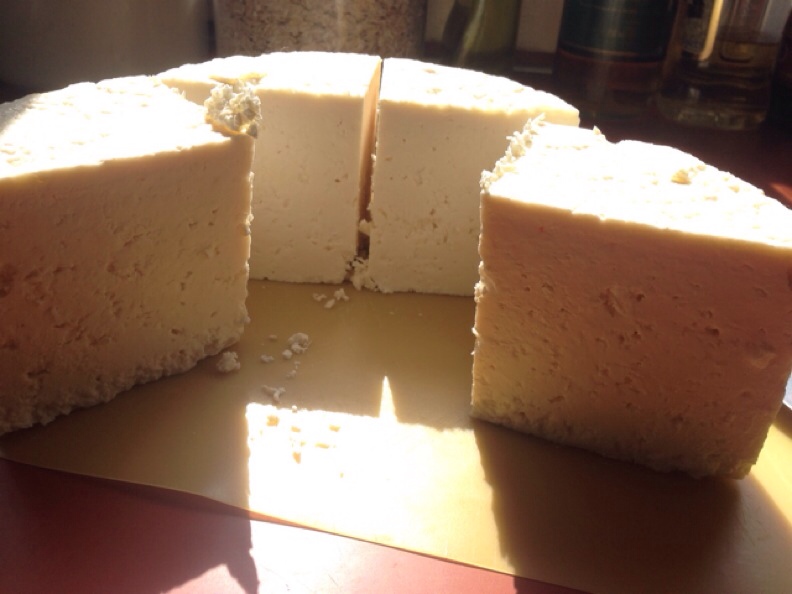
Well, the first aged, hard cheese we’ve produced and is out of the cave.

This is a nice 6 week old Monterey Jack; purty, ain’t it?

It’s a lovely, slightly sharp, fragrant cheese. Can’t wait to cook with it! 

We pulled, unwaxed, and quartered it, taking one to eat now, and vacuum packing the other three and returning them to the cave. We’ll let them go 2, 3, and 6 months to see how that impacts taste. It joined a lovely wheel of Cheddar that just started it’s cave time; we’ll give that one 90 days before we give it a try.

Have to say, what I’ve learned is how little I know. Very humbling. Cheesemaking, like many other pursuits, is a blend of science, art, experience, and feel. In the words of a great guitar maker I know, “The next one will be better!”

New England Roasted & Steamed Dinner


So, St. Patty’s Day is coming quick. All of a sudden, you experience a big tinge of traditional cooking fever. ‘Corned beef and cabbage’, your internal idea light bulb reads; now, that’s a good idea, but here’s one better from my New England homeland. Boiled Dinner is traditional where I grew up, and done like we’re gonna do it, it’ll have a leg or two up on just plain ol’ cabbage.

We’ll start this take on a regional specialty with house made corned beef. I realize this post is gonna hit you guys too late for this year’s Green Day, so go buy some corned and some fresh beef; use the former for Monday, and the latter for next week. It’s so good, you’ll have no problem enjoying it twice.

So, corned beef; had an email the other year asking why I bother making my own, when it’s so cheap at the store. The simple answer is that good homemade is far better than dang near anything in the store. And with any great housemade dish, you can put your own signature stamp on it.

So what is ‘corned’ beef anyway? For this use, the term stems from Old English for grain, which included grains of salt. So this corn means curing meat with salt. The great thing about making it at home is that corned beef lends itself to rougher cuts of beef. Brisket is perfect for this, ’cause it’s cheap, flavorful, and readily available these days.

Oh, and for the record; do not limit yourself to beef once you’ve got the hang of it. I’ve corned deer, elk, and moose and they’ve all been fantastic, so keep that in mind next time you poke your nose in the freezer.

House Made Corned Beef
2-3 Pounds Beef Brisket
1 Quart fresh, clean Water
3/4 Cup Kosher Salt
1/4 Cup light brown Sugar
2 teaspoons Pink Salt
1-2 cloves fresh Garlic

NOTE: Sodium Nitrite, AKA curing or pink salt, can often be found in hunting and fishing stores that carry grilling, smoking, barbecue and sausage making supplies, if your grocery doesn’t carry it. If you can’t find it in your town, Butcher & Packer, Leeners, and Amazon all carry it as well. While it’s not needed in this recipe for food safety considerations, it is, for my mind, absolutely necessary, because it imparts a distinct color and taste that you can’t get otherwise.

Alright, here we go.

Prepare pickling spice. (If you don’t have all these goodies in your pantry, shame on you! And yes, it’s OK to buy a jar of pickling spice this time, but don’t let me catch you without them again…)
1 Tablespoon whole Black Peppercorns
1 Tablespoon whole brown Mustard Seed
1 Tablespoon whole Coriander seed
1 Tablespoon whole Allspice Berries
1 teaspoon whole Szechuan Peppercorns
2″ Cinnamon Stick
2 Bay Leaves
1 teaspoon whole Cloves
4-6 Juniper Berries

Break up cinnamon stick, crush juniper berries, crumble bay leaves, then combine all ingredients and blend thoroughly. Set aside.

Prepare a quart of ice cold water; put it in fridge or freezer.

If your brisket has a fat cap, trim that and any obvious external fat prior to Corning.

Mince your garlic.

Add 1 quart fresh water to a stock pot and bring to a rolling boil. Add salt, curing salt, sugar, garlic, and half the pickling spices. Stir until sugar and salts are dissolved.

Remove brine from heat and add 1 quart of ice cold water. Stir to incorporate and cool brine rapidly. Place brine in fridge for at least 3 hours.

Place brisket in a bowl, dish or storage container just large enough to hold it with at least 2″ above the top of the meat. Pour brine over brisket until it’s completely submerged; again, at least 2″ of brine above the meat. If your meat wants to float, weight it with a plate.

Refrigerate for 5 days. You may turn the beef once if you like, but it’s not critical to the process.

When the magic day arrives, pull your beef outta the fridge.

Prepare a soup or stock pot just big enough for the beef and plenty of liquid.

Gather, rinse, peel and rough chop 1 medium sweet onion, 1 carrot, and 1 stalk celery, (Or, if you’re fortunate enough to have leaves on a nice, fresh bunch of celery, use those instead!)

Pull your beef outta the brine and rinse it thoroughly under cold running water.

Toss the beef into your pot and then add clean, fresh water until you’ve got about 2″ over the beef. Toss in the onion, carrot, celery, and all but 1 teaspoon of the pickling spices.

Bring to a boil over high heat, then cover and reduce heat until you’ve achieved a low, steady simmer.

Cover the pot and let the meat simmer for two hours, or until fork tender. If your water level drops, add more to keep the meat covered.

When the beef is fork tender, remove from the pot, and let rest for at least 30 minutes prior to cutting.

Now, for that New England Dinner; I love this stuff, with real brown bread redolent of molasses and plenty of nose stinging horseradish on the side. As mentioned, boiling can take a bit more of the flavors and nutritional value out than we’d like, to I’ve taken to a combined roast and steaming process.

For four people, gather
16 small potatoes, (waxy reds and whites are nice)
2 Sweet Onions
1 head Green Cabbage
6 Carrots
2-3 cloves Garlic

NOTE: If there are other nice winter veggies you love, add them! Parsnips, Jicama, Brussels sprouts instead of cabbage, chiles, tomatillos, your imagination is the limit.

Preheat oven to 250° F.

Rinse all produce. Halve potatoes; skin, cut off ends and quarter onions. Remove outer leaves, cut off stalk and quarter cabbage. If you carrots aren’t fresh, peel them and cut into roughly 3″ chunks. Peel and halve garlic.

Arrange veggies in a baking pan, drizzle with a little extra virgin olive oil, lightly salt and pepper. Roast them for twenty minutes, to bring the sugars out a bit and deepen flavors.

Prepare a steamer with at least 2″ of fresh water. Use a pot large enough to fit all veggies plus about half your beef, (or a quarter pound for each person).

When your steamer is producing steam actively, toss in the remaining teaspoon of pickling spices and 1/2 teaspoon of salt. Add beef and all veggies. Steam until veggies are fork tender, about 15 minutes.

Transfer to a platter and serve hot, with fresh horseradish, brown bread, and a nice local IPA.

And WEAR GREEN on Monday!

Duh! Cooking Tip: Wondra Flour


Wondra flour; here’s what we hear the most about it:
What is this stuff?
It’s a bit pricy for flour, is it worth the cost?

Wondra is a brand name for instant flour so ubiquitous you’ll see the name used generically in recipes, (yeah, there are other brands). ‘Instant’ in this application means pre-gelatinized, a process wherein finely ground, low protein wheat flour is steamed and dried. Wondra, FYI, also has a bit of malted barley flour, which acts as a dough conditioner when baking bread, and also helps with browning and caramelization. The result is a flour that doesn’t need cooking, (or a while lotta time), to blend seamlessly with liquids.

The answer to the second question is a resounding ‘Yup’, it’s worth it. If you don’t already have it in your kitchen, get some on your next grocery run. If you’ve never used it, you’ve got a treat in store. If you do know what it is and have only used it as a thickener, I might have another trick or two for y’all.

As mentioned, far and away the coolest thing about Wondra is it’s effortless effectiveness as a thickener. Got the basics of a gravy going, some fat in a pan? Rather than the usual slow and deliberate process, you can literally toss a tablespoon of Wondra in there and whisk to your hearts content; you’ll end up with the easiest dang lump-free gravy you’ve ever built. Same goes for thickening soups, stews, and sauces. You can add Wondra straight away, or draw a cup or two of liquid aside, blend that with some additional fat, pour it back into your pot and bingo, lumpless delights. Wondra works great with sweet stuff as well; I’ve used it to thicken fruit pies and tarts with great success.

That said, Wondra is good for a bunch more stuff than thickening.

In pursuit of the perfect tender, flaky pie crust/biscuit/scone? Sub Wondra for a third of the All Purpose flour you’re likely using, (AKA, a 2:1 regular to Wondra ratio), and you’ll achieve a better measure of that gold standard. Tender and flaky are all about less gluten, (AKA, protein), and Wondra has less than anything out there except cake flour, (Which has a distinctive flavor you might not dig in stuff other than cake).

Use Wondra as the dusting flour to roll your dough out on. The low gluten count helps keep the dough from sticking to rolling surfaces, even if the dough itself has a fairly high gluten content.

Wanna pan roast like a Pro? Dust your protein lightly with Wondra just before you cook; you’ll be rewarded with a thin, crisply crusted skin that’ll taste great, seal in juiciness, and look fantastic.

Make Wondra your go-to flour for frying batter and you’ll get a lighter, crisp crust that highlights the flavor of the food rather than overpowering it.

The late, great Julia Child recommended instant flour for crepes. Because it dissolves so quickly, you need just a 10 minute rest to achieve great results, instead of the hour called for when using all-purpose flour.

If you grease and flour pans when you’re baking, Wondra’s the stuff for you; it’ll cover corners evenly without clumping.

IMPORTANT CAVEAT:
As with any flour, use Wondra sparingly and you’ll avoid the telltale “flour flavor” note; Wondra gets dissed for this, but the fact is, use too much of any flour and you’ll achieve the same gaffe…

Great Stew Fer Yew


A few weeks back, we covered Burgoo. Just like that regional specialty, there’s no one genuine beef stew recipe, but there sure is a right way to do it.

 photo image-18.jpg

The lovely Mrs. Atwater has a favorite jibe she uses from time to time. When I make stew with any method other than the one we’re gonna share here, she tries the finished product, smiles sweetly and says “Good soup, Dear.” Funny girl…

Fact is, she’s pretty much right. If you want the real McCoy, you gotta follow the right path to getting there; that means making as much as you can from scratch; here’s how.

Like homemade chili or chicken noodle soup, stew is a critical component to making it through the long, cold winter months. A great stew will feed you and yours several times, and truth be told, gets better in the couple of days after its made.

The first must-do is to make your own stock. Get in the habit of saving beef and pork bones, poultry carcasses, and fish heads and racks. If you’re not ready to use them right away, freeze ’em for later, every time. These are the key to killer homemade stock. The other thing you’ll need is mirepoix, (meer pwah), the go-to veggie blend for many good things. It’s super easy to do.

 photo image-19.jpg

Mirepoix
50% Onion
25% Celery
25% Carrot

It’s definitely a best practice to collect enough bones and devote a day to stock making. Stock freezes easily and is great to have ready any time. If you just get a sudden jones for stew and don’t have any ready to go, it’s no big deal to whip out a small one-time batch, so that’s what we’ll do.

One medium onion, a couple of stocks celery and a couple small carrots will do. Rough chop everything, meaning big ol’ 1″ chunks are fine, just make everybody about the same size.

If you were just making veggie stock, you might add a tomato, a clove of garlic, some parsley or cilantro, a splash of olive oil and call it good right there. If you’re making critter stock, then we’ve got a bit more to do first. For this stew, the bones from a good family steak night will work just fine; if you don’t have any on hand, then pick up some soup bones when you buy beef for this recipe. Ask your butcher if you don’t see any handy.

We could just simmer this stuff gently in nice, fresh water; this will make what is generally referred to as a white stock if you’re doing critter. You’ll get the essence of whatever your simmering, but roasting them is gonna make things much more interesting. That’s where we get into the dark stock world.

Preheat your oven to 375° F. It’s time to develop some nice, deep caramelized flavors.

Put your bones onto a sheet pan, drizzle a little olive oil on them, a sprinkle of good salt, and a twist or three of ground pepper. Slide the pan onto a middle rack and let the magic begin for about 30 minutes; your bones should be nicely browned when they’re ready for the next step.

 photo image.jpg

Slide the pan out, add the mirepoix with a bit more oil, salt, and pepper, then slip everything back onto that middle rack for another 20 minutes.

One last step, grab a healthy smear of tomato paste and give the bones a nice, even coating of that. Continue roasting for another 10 minutes. The tomato adds a bit of richness and color to the stock, and the acidity helps breakdown bone and connective tissue.

Pull everybody out of the oven and toss them into a stock pot with a gallon of fresh water. Bring evening to a boil, then reduce to a simmer, toss in 2 Bay leaves and go find something to do for a couple hours.

When you come back to the stock, you’ll likely see some fat floating on the surface. Get as much of that as you can with a fine mesh strainer, or use a paper towel to blot it up.

Pour your stock carefully through a fine mesh strainer or chinois; if you have cheese cloth on hand, (Which you aughta, by the way), strain through that. Strain at least a couple times so that you get the chunks and bits and whatnot out of your stock and end up with a relatively clear liquid.

Now taste it: If you had questions as to why we went through all that just for a pot of stew, they should now be answered. Carefully pour that stock back into a nice, big soup pot over the lowest heat you got.

Alright, let’s get after it. We’re gonna do beef stew, because that’s what we’ve got that needs using, but again, you can use venison, elk, moose, bear, whatever you have in your freezer that needs using. You can use dang near any cut for stew, and frankly, the cheaper the better; it’s a major reason why stew is a great freezer cleaner dish.

Cut your meat into roughly 3/4″ cubes, and trim out any really big hunks of fat or gristle.

Now it’s searing time. This is one of the non-negotiable steps to making a great beef stew, (And to keep Mrs. Atwater from calling it soup). To paraphrase Yosemite Sam, when I say sear, I mean sear, and browning ain’t searing, FYI. Here’s how we do it.

Preheat a dry, heavy frying or sauté pan over medium-high heat; cast iron is perfect for this. Let the pan get truly heated through before you add meat; when a drop of water dances like a maniac when introduced to the pan, it’s ready.

Prepare a coating of
1/2 Cup All Purpose Flour
1 teaspoon Sea Salt
1 teaspoon fresh ground Pepper

Throw that in a bowl or plastic bag, add your meat and get all of that thoroughly and evenly coated. Tap or shake the meat as you pull it out to remove excess coating. The coating not only facilitates the searing of meat, it provides all the thickening you’ll need for your stew.

Now, start searing meat in batches. Put enough into the pan to make a single layer and no more. Leave the beef in there, untouched, long enough for it to form a fond, a nice, deep brown, sticky glaze; that’ll take a good 3 to 5 minutes a side. The fond is the lion’s share source of those glorious roasted, nutty flavors that make people roll their eyes when the eat. Let that fond form before you stir/flip/turn your beef, and let it form on all sides before you start the next batch. Keep a constant hand and eye on this process; you want seared, not burned! Throw your seared meat into the stock pot.

 photo 57A108EB-787B-4BC6-AD85-91FA3F3B8072.jpg

Grab a bottle of good local beer or ale; I like a nice winter ale, porter, or even a stout for this job, for their nice, deep caramel taste notes. Pour it into a bowl and set it aside; we’re just looking to let it flatten for a bit while we work.

Return your attention to that pan you seared the beef in; peel and fine dice,
1 small Sweet Onion
2 cloves of Garlic

Toss the onion into the pan and sauté until it starts to go translucent; add the garlic and continue to sauté, taking care not to let the garlic burn. When they’re done, toss them into the stock pot with the meat.

With your pan still on medium-high, pour in the beer and let it go to work. As the beer starts to simmer, grab a spoon or spatula and start working loose all that stuff on the bottom of the pan. That’s concentrated goodness and it’s all gong in the stew. Work all those bits into the beer and allow it to reduce for about 5 minutes, concentrating the flavors and allowing the alcohol to dissipate. Pour that all into the stock and give it a good stir.

 photo BF635B49-1476-42FB-A703-96F60F11CADA.jpg

Allow your stew to work for the first hour with nothing else in it. This will let the marriage between meat and stock to come to full fruition.

Now, the other thing that ain’t negotiable with great stew is low and slow for the cooking. You must allow at least 2 hours and 4 is better. If you have a crock pot hiding in the cupboard somewhere, pull it out and use it. If not, then turn your chosen burner down to low and leave it there.

Alright, it’s taste time, so we can adjust seasoning. All you really need is good salt and pepper, but here again, do what you like. We find a shot of Tabasco, Worcestershire, and a touch of Turkish Oregano nice as well. You can use smoked salt and/or pepper, or anything else you like, in moderation: Just make sure that the meat and stock are the stars of the show.

Now it’s veggie prep time. Classic beef stew is nothing more than carrot, potato and a little more onion, but you can and should add what you like to yours. In addition to those staples, we like crushed tomatoes, celery, peas, green beans, a little sweet corn and some cilantro; again, do what you like. Cut everybody into a uniform dice, about 1/4″ to 1/2″ so they’re reasonably bite sized and will cook evenly.

Throw everybody into the pot, cover it and let it go for at least another hour and again, 2 or 3 is better yet. Stir occasionally, getting all the way down to the bottom so everything is nicely incorporated.

Serve nice and hot, with a little sour cream for those that like it, and maybe a little Jalapeño-Cheddar corn bread.

 photo image-20.jpg

 photo 5BE6CBFD-0B82-435B-87B9-CC12CE9550B0.jpg

Here’s the basic recipe for your shopping or gathering needs; once again, this is our version, so you adjust the veggies and seasoning as you prefer!

2-3 Pounds meat, (Stew or Chuck are best cuts)
1-2 Pounds Beef Bones
1 Pound Potatoes, (a waxy variety works great)
1 large can crushed Tomatoes
2 sweet Onions
3-4 stalks Celery stalks
5-6 Carrots
1 Cup Peas
1 Cup sweet Corn
1 Cup Green Beans
2 cloves Garlic
5-6 stalks Cilantro
1 12 ounce bottle Beer or Ale
2 Bay leaves
Shot of Worcestershire sauce
Shot of Tabasco
Sea Salt and Pepper

Great Moos!


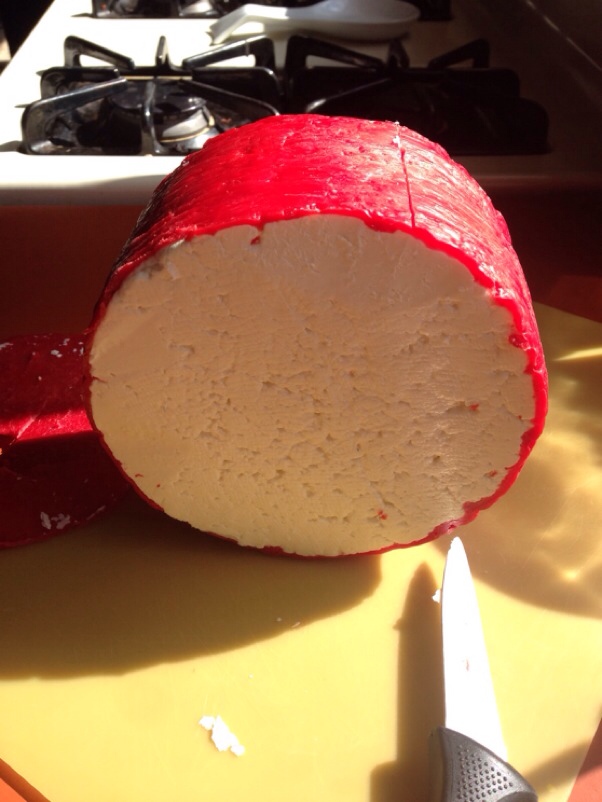
We’re making some cheese this weekend, and moving heavier into hard cheeses. This has necessitated some purchases of supplies and the making of a cheese press. If you’ve considered doing your own cheese, you’re gonna want a press eventually; look into them and you’ll find that anything decent is kinda pricy, and that many of the home made examples are kinda hokey. I’m very pleased with the one we’re building, and as soon as I know for sure it’s working as it should, I’ll share the design and the parts list with y’all.

Of course making good cheese requires, first and foremost, good milk. It’s a safe bet that more processing that milk gets, and the farther it travels to get to you, the less satisfying your home made cheese results will be.

Therefore, the closer, the fresher, the better, and that, thankfully, is pretty easy to find. Just jump over to the Campaign for Real Milk website, and you’re good to go. Click on the Real Milk Finder, and you’ll get state and town specific sources for the good stuff. There’s also a very informative section showing state by state and national status for raw milk accessibility.

Enjoy, and stay tuned!

Shack Fish


Take your pick! If you’re in a part of the country that is enjoying the Polar Vortex, you just might be crazy enough to consider braving the elements and doing some serious ice fishing, yeah? If so, you owe it yourself to enjoy the bounty ASAP, right? I’m sure; there’s plenty of room for a Coleman stove and a frying pan there…

The best fish I’ve ever had hands down is an even split between Silver Salmon on the beach and Kokanee Trout at shoreside, both within an hour of being pulled from the water. Here are a couple great recipes to enjoy your latest catch.


Fried with Housemade Tartar Sauce

Prep these components the day before; everything will fit into a small bag or box for transport.

For the Dredge:
1 Cup Flour
1 teaspoon ground Pepper
1/2 teaspoon Sea Salt
1/4 teaspoon Cayenne Pepper

Canola oil for frying.

Combine the flour, pepper, salt and cayenne in a ziplock gallon bag.

Housemade Tartar Sauce
1 cup Mayonnaise
1 Tablespoon sweet pickle Relish
1 Tablespoon minced sweet Onion
1 Tablespoon fresh squeezed Lemon Juice
Sea Salt & fresh ground Pepper to taste

In a small bowl, mix together mayonnaise, sweet pickle relish, and minced onion. Stir in lemon juice. Season to taste with salt and pepper. Refrigerate for at least 1 hour and up to overnight before serving.

When you’re ready to rock and roll, fillet your fish, then drag the fillets through the dredge.

Tap off excess dredge on side of bag.

Fry for until golden brown. Rule of thumb is 10 minutes per inch of thickness, so 1/2″ fillets should be done in about 4-5 minutes with one flip for even browning.

Serve with a nice local India Pale Ale; it’ll compliment the rich fish perfectly.


Garlic-Lime-Dill

Prepare and store in a ziplock or tupperware container;
2 tablespoons unsalted Butter
1 Tablespoon extra virgin Olive Oil
2 cloves of Garlic, minced,
Juice and zest from 2 Limes
1/2 teaspoon Dill

When you’re ready to rock, fillet your fish.

Melt 2 tablespoons butter in your frying pan over medium heat.

Add the garlic and sauté for about a minute.

Add lime juice and dill, blend thoroughly, remove from heat.

Add the olive oil to pan and heat through.

Sauté fish for 10 minutes per inch of thickness, until flesh turns white and flaky. Unless your fillets are really thick, you don’t need a turn.

Spoon sauce unto fillets, serve with fresh French bread and a nice Pinot Grigio, which will cut the richness of the fish and clean your pallet for every amazing bite.

Enjoy!