Rubbin’ Basics


DISCLAIMER: Yes, I live in Texas. Yes, I own both a grill and a smoker. Yes, I understand the fundamental differences between grilling, smoking, and barbequing. That said, no, I ain’t a know-all expert on this stuff. There are plenty of gen-yoo-wine experts out there though, so if you hanker after the exact right way to make a Memphis style rub, get online and look it up! That said, keep in mind that you’re gonna find probably 20+ genuine Memphis rub recipes out there, each one claiming to be the right one, (Which First National Bank is the real one again?) Take it all with a grain of salt, (Pun intended…)

We love cooking flesh, we truly do. As you’ve probably noticed, there’s a fair amount of chicken, fish, pork, and beef running through these pages. You’ve probably also noticed that we rarely leave them alone. Some kind of rub, some form of herbs and spices, is almost always present, ‘cause that’s what we like. Now, as fate would have it, we feed quite a few other folks too, and it turns out they love what we do in this regard as well. So, thought we’d share some basic thoughts on the subject.

My bottom line on rubs is this: One or two dominant notes, with as many other minor notes as needed or desired, with a caveat – Don’t add so many or so disparate as to overwhelm the blend. That may seem an obtuse statement, but if you think about it, it makes sense. Garlic, onion, smoke, sugar, pepper, chile heat, clove, cinnamon, coffee, citrus, sage, rosemary, and on and on – They’re all great flavor notes, but any one out of proportion can and will muddle the mix at best and wipe it off the map at worst.

When we were up cooking in Walker, MN, recently, a regular stream of folks were coming by, and every few minutes one would say “You don’t measure.” It’s true, I usually don’t. Nothing unusual in that, many folks who cook a lot don’t use a spoon or cup much anymore. I can put a teaspoon if something into a bowl or grab 6 ounces of a protein by hand and be very close to right on, but I do this many times every day for a living: If you can do that comfortably too, then feel free to do so. If you can’t, then keep measuring until you can and want to, it’s no big deal either way. The point of this ramble is ratios and portioning. I don’t think of rub recipes in terms of making a cup, etc, I think of making enough for what I need it for, and that’s what I’d encourage you to do as well. The secondary benefit of this method is allowing experimentation. When you find something you like, write down, right away, what you used in what ratios and save it. Then you can recreate the recipe at will. I am not a fan of doing big batches of rubs, because it’s my feeling that anything stored like that will lose some oomph by being premixed for a long time. I always advocate buying spice and seasonings in whole form whenever possible and then grinding/mixing your own as needed. Doing so gives you bolder, fresher flavors and a more potent rub. You can therefore use less and gain more, which makes good sense for economy as well as flavor.

When composing a rub, pick your dominant notes and portion them 50% – 50% as a start point. Next consideration is how much to use. Make the amount big enough to count. If we’re going to prepare a rub for 3 or 4 nice 8 oz. T-Bone steaks, fer instance, I’d go with about 2 tablespoons each of my dominant notes and a teaspoon each of the minor notes.

Here’s my go-to basic beef rub, just the bare bone essentials.

2 Tablespoons Sea Salt
2 Tablespoons Pepper Blend
1 teaspoon Onion powder
1 teaspoon granulated Garlic

Put all that in a grinder, give it a whirl and off ya go. I’ll rub the flesh with a light coat of olive oil and then work the rub into it, coating thoroughly, about 30 to 45 minutes prior to grilling. Let it sit in the fridge and get comfy, then let there be fire…

Once again, depending on the meal desired, you could add a bunch more to that rub if you wanted. Subtract 1 teaspoon of sea salt and sub smoked salt. Add a teaspoon of smoked paprika. Add a ¼ teaspoon of chile powder. Add rosemary, sage, thyme, oregano, etc. Sub lemon juice for the oil as a rub adherent. Get the idea?

Notice the lack of sugar in that rub? Why is that? Simple question, simple answer – Cooking method. With steaks, we’re gonna cook hot and fast, so sugar is probably not what ya want, ‘cause it can and will burn under those conditions, and we don’t need to ruin good meat. Low and slow is the place for sugar, so let’s go there.

How about for pork? Pork is a prime low and slow cooking candidate. It also has a pretty good salty note to begin with, so sugar is a good candidate for a dominant note, as is a mild, red chile powder.

Here’s my basic rub for pork.

¼ Cup dark brown Sugar

¼ Cup mild red Chile powder, (We use Hatch and highly recommend it)

3 Tablespoons Pepper blend, (We like Black, Red, Green, White)

1 Tablespoon fine Kosher Salt

1 teaspoon granulated Garlic

½ teaspoon Onion powder

½ teaspoon Celery Seed

Into the grinder with them and give ‘em a spin. Same treatment as beef for application.

Again, there are bunches of variations, so use your imagination and go wild. From pulled to roast, that combo won’t let ya down.

How about chicken? Love, love, LOVE putting a nice rub on a bird and roasting that thing! Chicken lends itself to many variations of rub or marinade, so you almost cannot go wrong. If you google basic rubs for chicken, you’ll find most have sugar in them and that’s where I veer off slightly and lean toward citrus for sweet-tart notes instead. I feel the sweet notes are already there in the basic flesh, hence the other path…

Here’s my go-to chicken blend.

2 Tablespoons Sea Salt
2 Tablespoons mild Green Chile powder, (Hatch again!)
1 Tablespoon Pepper Blend
1 Tablespoon Smoked Paprika
1 teaspoon dried Lemon Peel
1 teaspoon dried Orange Peel

Grind, oil the bird and massage that rub right in!

OK, so basic fish rub? No can do, I say – Too much diversity! We can do a couple variations though. First off, what fish would you rub versus marinating? Good question! When I think of applying a rub to fish, it’s fish that we would grill, smoke, or barbeque, so we’re talking about salmon, fresh tuna, swordfish, and the like – Dense, firm fish that can stand up to bold flavors and those cooking methods. The one everyone loves best and wants to do most is Salmon, of course. M and I hail from the northwest, so we’ve had some exposure here. Salmon rubs, like regional barbeque, are dangerous turf; there are many variations and all of them are the best, capiche?

Here’s our go-to wet rub for Salmon:

2 Tablespoons dark brown Sugar
2 Tablespoons unsalted Butter
1 teaspoon Bourbon Whiskey
Juice from one Lemon
¼ teaspoon granulated garlic
¼ teaspoon sea salt

Slather onto your salmon work rub in and allow to marinate for 15 to 20 minutes prior to grilling.

For Firm fleshed white fish, (Swordfish, tuna, snapper, cod, etc), we like this rub a lot.

1 Tablespoon Sea Salt
1 teaspoon ground Pepper blend
1 teaspoon lemon peel or zest
½ teaspoon granulated garlic
¼ teaspoon dill
¼ teaspoon thyme

Lightly coat fish with olive oil and then work rub in and allow to marinate for 15 to 20 minutes prior to grilling.

Well, there ya have it – Enough ammunition to keep ya rubbin’ from here to Labor Day – Enjoy!

State of the Herbs Address


7 pm, north Texas, late July, 107 degrees in the shade, (Too hot in the shade…). Is there a oasis in all this heat? Yep, but it’s still mighty hot – If you don’t move too much, you don’t sweat too much.

Several friends with nice gardens all say the same thing – “It’s so hot, I don’t even want to go out to water…”

Job #1 is balancing water use, remaining responsible given our drought conditions, and the cost thereof, of course – We’re on a city water supply, so it does indeed cost ya. We’ve given up watering the grass out front; the back has none to speak of, it’s all planted in one form or another, the lion’s share of which is veggies and herbs. Our priorities are keeping our foundation moist enough to avoid cracking, then the gardens next, catch as catch can.

So is this possible? Can you grow stuff in heat like this? This question’s not solely pertinent to north Texas, of course. A look at the national weather map today shows 70’s in some coastal and mountain areas, but 80s, 90s and 100+s predominate across the whole shebang. Our forecast for the next week shows projected temps of 105 to 109 for seven days straight…

The answer is yes, but it takes work. We don’t broadcast water anything, no sprinklers, just careful hand watering. We could probably do better with a drip system, but here, anyway, we have to move things from time to time, if they’re not thriving in any given micro-climate – Yes, moving from one small bed to another six feet away can make a difference, for a myriad of reasons.

Monica works her butt off to juggle all this; thank God she has the persistence, expertise and will to do it! Many folks I talk to here and elsewhere ask, “How do you guys still have stuff thriving? Ours has died, even though we watered.” The answer is soil, soil and more soil – We’ve brought literally tons of it to our growing spaces. The so-called ‘top soil’ we had here when we moved in was maybe an inch deep and crap quality. M has built up fantastic beds, tailored to what they grow, (i.e., the chile beds have more lava sand, etc). She also rotates beds, allowing one to lie fallow, in a miniature version of smart farming. One of the larger beds is covered with compost and growing nothing, recovering its potency for the next season.

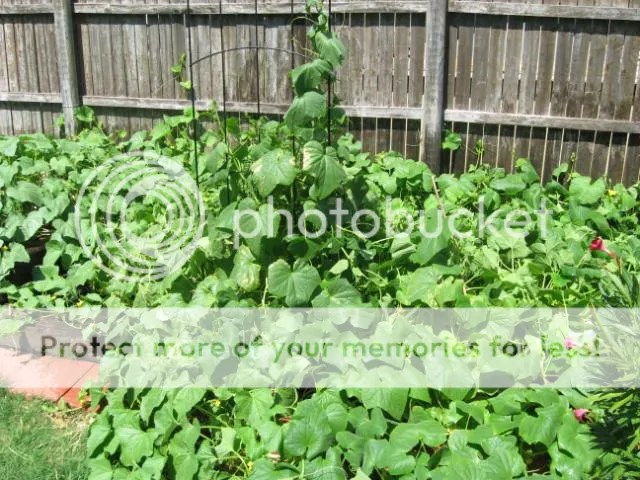
Here you can see the fallow bed, which is actually about 8′ x 6′ – The cukes have over run it somewhat, but the bed is covered in compost and then she’s stored her spare pots on top of that.

So far, herbs are hanging in there. The cilantro has gone to seed and died, which is fine – We let it do so, then cut the dried stuff and separate the coriander seeds from the chaff. We’ll save some seeds for replanting, (Almost not necessary, as this stuff will come back given a fraction of a chance), and bottling the rest for use. We’ll most dry these, but some will go into infused oils and vinegars as well.

Other than that, we’re moving our herb and spice preserving up in the calendar, rather than letting anything else die. Meal planning and prep shifts a bit also, to take advantage of the soft-stemmed herbs that just don’t dry all that well, Parsley, garlic chive, dill, etc. The Dill and Parsley went first, and although the dried version are a shadow of the real thing in potency and flavor, they still beat the pants off of 90% of what you find in stores, so dry them we do!

Here’s what things look like in general:

The chiles are pretty robust, as you can see – Constant watering causes a micro version of what happens in big fields, water pulling soil away from the plant bases, so she actively mounds them back up periodically.

This small bed held Tabasco chiles, beets and carrots, but the heat is simply too much for those crops. M has transplanted the chiles and abandoned the others, covering the bed with compost awaiting a (Hopefully) cooler fall.

Here are the transplanted Tabascos, much happier than they were, along side tomatoes. M chose varieties that bear small fruit, to allow for less water demand and less stress on the plants; they’re bearing steadily and holding up fine – so far, so good.

Mint is a beast – You don’t grow it, you subdue it… The basil likes this southern exposure under the house eaves and is thriving.

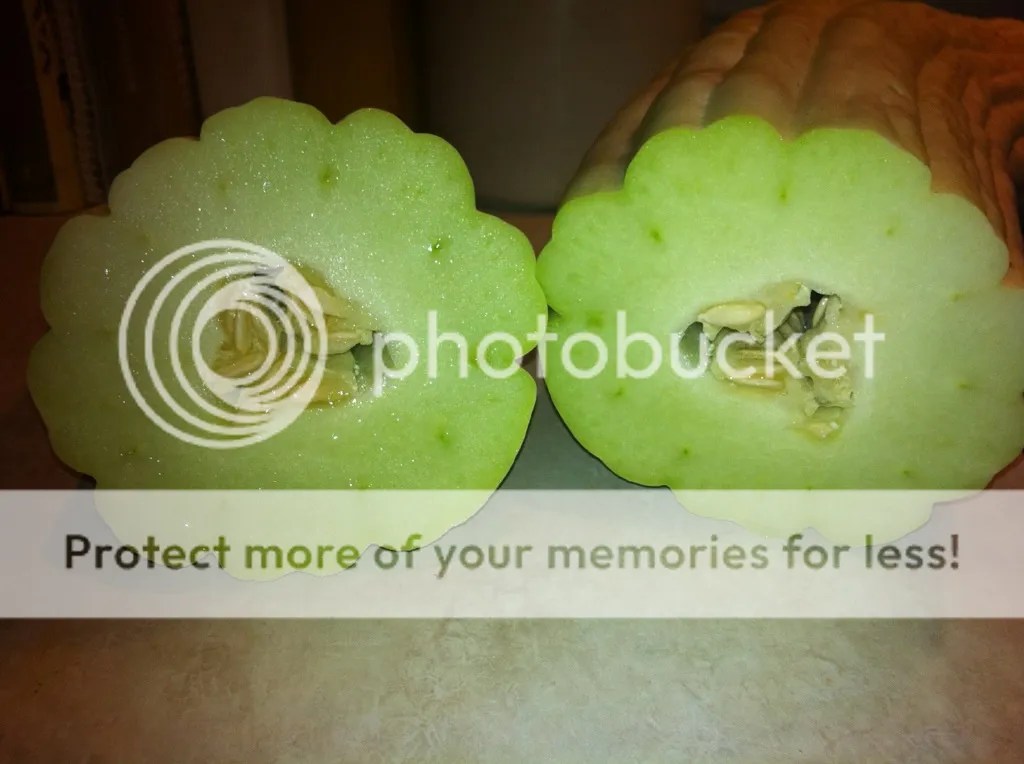
Umm, do ya think these cukes are happy, or what? Insane is more like it… We planted Armenian and Lemon cukes. Both have done, ah, fine, as the second pic confirms. Their water use proves to be just to high to justify, though, so we’ve picked them clean and will let them go fallow.

This beast, which M literally tripped over, shows what I mean – 24″ long, 5.5″ diameter, and 6.5 pound Armenian, with some lemons beside that. We’ve had beacoup salads, Tzatziki, and everything else we can think of, and of course, the neighbors are all supplied as well – Not as ubiquitous and zucchini, but durn close!

Forge on, stay cool, and pray for rain!

Where’s The Beef?


Right here, A. R.!

My friend Adam Rafferty, guitarist/composer/performer extraordinaire, responded thusly to our last recipe entry:  “Where’s the beef?”  Of course, he’s right, so Buddy, this one’s for YOU!

Got a new Baby Weber table top grill unit; I had one of these years ago and loved it; I’d bet there are still some Ski Patrollers at Mount Baker who recall hot lunches in the summit shack with great fondness, as I do, (Yes, I hauled it to the top, with charcoal and lunch fixin’s, on the chairlift, in a backback…)  What better time to do up a nice beef offering?

If you’re gonna grill, then nice steaks aughta be on the top of the ‘What to make’ list, so that’s where I went.  Got some nice, thick, local T bones and away we go!  I paired those with a roasted vegetable medley and a romaine wedge salad; the counterpoint of cold, crisp lettuce with hot, roasted veggies and tender beef was simply amazing, just like it should be.

I prepared a fresh rub for the steaks; I wanted smoky as my main note, so the following went into a spice grinder:  You’ll note some granulated and powdered ingredients here; I know I always tout fresh, but for rubs, dried/powered/granulated is preferred.

The Rub

1 tablespoon Black/Red/White/Green Pepper corn medley

1 teaspoon whole coriander

½ teaspoon each Alder smoked salt and kosher salt

½ teaspoon granulated garlic

1 teaspoon smoked paprika

¼ teaspoon onion powder

¼ teaspoon celery seed

½ teaspoon hickory smoke powder 

All that got a quick shot in the ol’ spice grinder; the steaks got a jot of good olive oil, and then I liberally rubbed all exposed sides of the steak.  Once they’re well coated, they go to the fridge to get acquainted with their new skins for a half hour or so.

For the veggy medley, I used the following:

Red, white, and blue baby potatoes, left whole

½ sweet onion, rough chopped

½ sweet red bell pepper, rough chopped

Handful of cherry tomatoes

Juice from one lemon and one lime

Liberal sprinkling of olive oil

Sprig of fresh Cilantro

Couple sprigs of fresh Thyme

Salt & Pepper

Since my new grill is itty-bitty, the veggies went into a baking dish, in a 375 oven until fork tender, (About 30 minutes).  Note that the veggies were cut to be roughly the same size to aid in everything cooking fairly evenly.

For the salad:

Heart of Romaine, trimmed and sliced in half

3 green onions, trimmed and outer layer peeled

Handful of cherry tomatoes

sprinkling of grated 2 year old WSU Cheddar

For the dressing:

3 Parts good Olive Oil

1 part White Balsamic Vinegar

Salt & Pepper to taste

1 shake of dried Tabasco chile

The steaks go on the grill with my age-old proper cooking method; 1 classic rock and roll song per side, (No In a Gadda Da Vida, drum solos or extended dance versions!). 

Pull ‘em off the grill and let them rest inside for about 5 minutes before slicing for serving – They were, FYI, perfect; no need for any other seasoning whatsoever, just as it should be.

Plate it all up and there you go, couldn’t be easier; simple, good food, prepared and cooked well; everything sings very sweetly together!

So A. R.?  There’s the beef, Brotha!