
Ever had fantastic ramen? If so, I’m willing to bet that, like me, you wanted to know how they did that. Fortunately, it’s entirely within our wheelhouse to make fantastic ramen at home. Let’s check out the keys to making ramen at home that will knock your socks off.
While a steaming bowl of ramen seems the essence of simplicity, the magic is in the details. There are five critical elements to a stunningly good bowl of ramen – broth, tare, noodles, toppings, and oil – so let’s dive in.
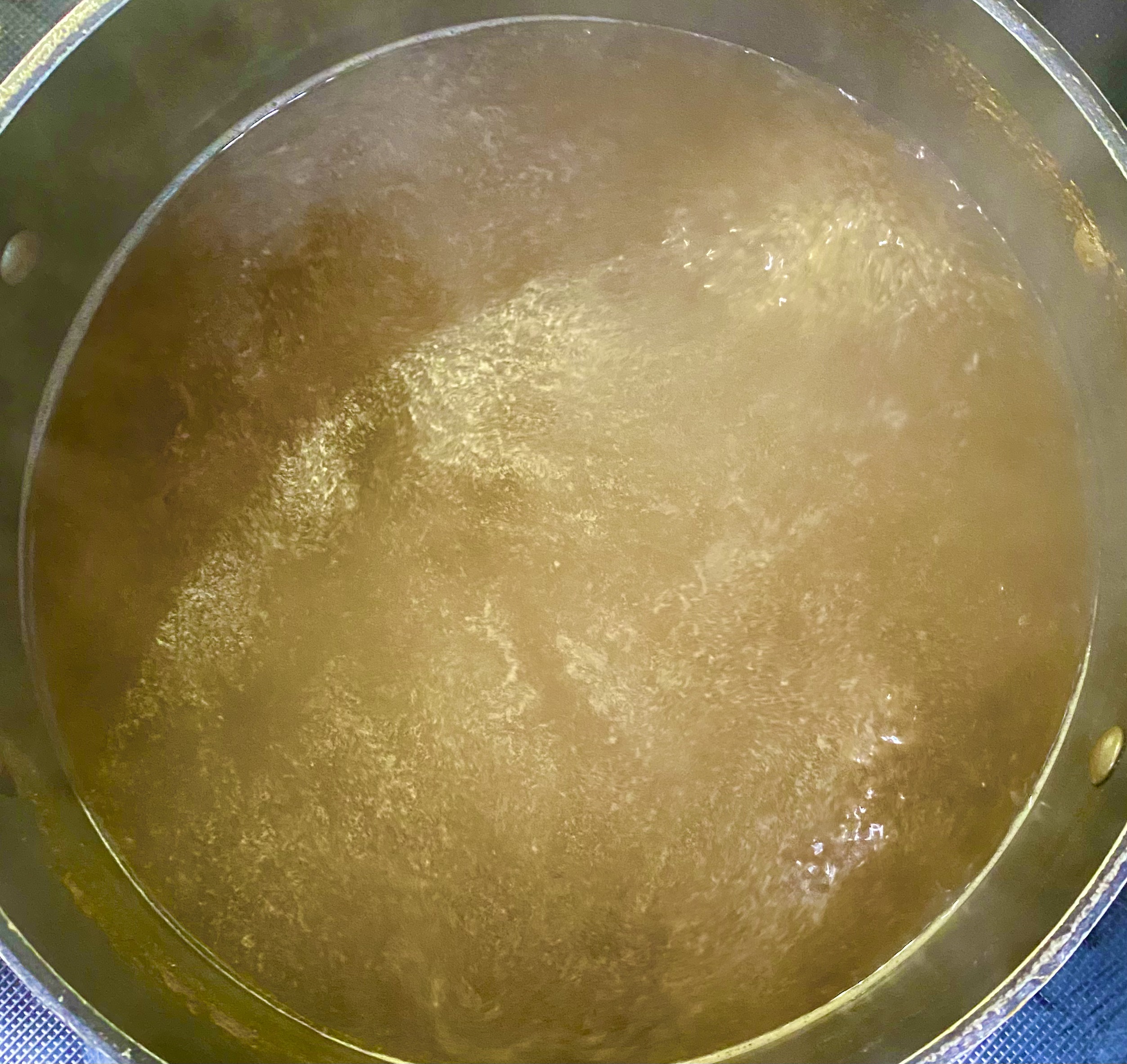
Broth is the undeniable heartbeat of a great ramen bowl. You can make it from whatever you wish – poultry, beef, pork, shellfish and fish, or veggie – In the version you’ll see images of here, I used homemade Parmigiano stock. Get into the rhythm of throwing leftovers into a stock pot and making your own on a regular basis. It’s delicious, beats the hell out of anything you can buy, and simple to do. If you want to make authentic ramen broth, dive into a browser search – you’ll find tons of recipes for everything from Chintan (clear soup) to Paitan (white soup).

Tare (Tar-eh) is the secret weapon to great ramen you might not have heard of. The literal translation is ‘dipping sauce,’ clearly indicating that you’ll find it in many places other than a ramen bowl, but therein, it’s absolutely critical. Broth is generally clean, light stuff – the essence of what it was made from, but not highly seasoned. In a great bowl of ramen, the broth stands out as something very different – bold, rich, loaded with umami – and tare is where most of that comes from.
What tare is made from in any given great bowl is often a mystery – It’s each cooks special magic, and I t’s up to us to parse out what we‘re tasting and formulate our own. Fortunately, there are lots of clues – you’ll find ramens named for a key tare ingredient – Shoyu (soy), Miso (soybean paste), Shio (salt), or Tonkotsu (pork bone) to name just a few. A browser search will turn up a wealth of starting points for you, and of course you’re welcome to riff off mine, so long as you go on to make it your own.
Think of tare as a chord – pick out your key or dominant note, and then add whatever else you like, (I find Dornberg and Page’s The Flavor Bible indispensable for work like this). Tares are very likely to include soy sauces, mirin, rice vinegar or rice wine, sake, or kombu. As you’ll see below, I went quite far afield in a search for a balanced tare with touches of salty, sour, sweet, and heat – and tons of umami. Tare should be the first thing added to the bowl when you’re doing final assembly – that’ll fully incorporate with the broth.

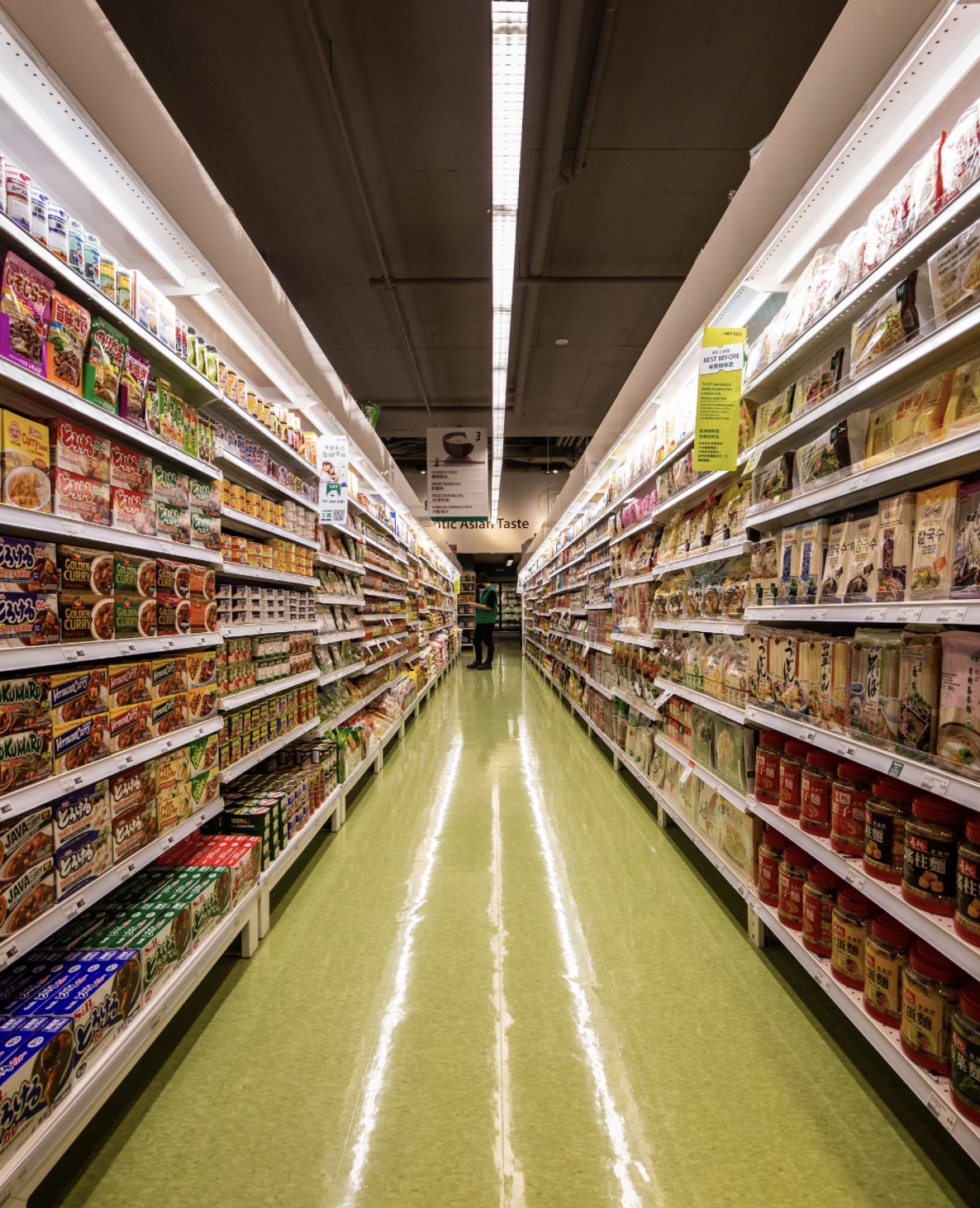
Noodles, the right noodles, are arguably critical to killer ramen. Technically, we’re talking about a Chinese-style alkaline noodle, comprised of wheat flour, water, a little salt, and Kansui, aka lye or alkaline water. It’s widely used in world cooking, and while it’s true it’s highly caustic stuff, won’t hurt ya deployed in tiny amounts for noodle making. Now, you can make ramen noodles at home, or even convert pasta to a reasonable facsimile if you’re so moved – but know that DIY for really good ones is not easy at all, and may well lead to more frustration than fun. Truth be told, most restaurants buy theirs, so go visit your local Asian grocery – there’s a ton of variety, as you can see here at Vancouver’s T&T Supermarket.

Toppings are the element that will provide you with lots of flexibility and creativity. You can go from super simple to wild as you like – it’s your ramen, so the sky’s the limit. Toppings might be anything from slow simmered chashu pork, to the sublime ajisuke tamago – marinated ramen egg. Try snappy quick-pickled veggies, bamboo shoots, water chestnuts, scallions, nori, or your fave mushrooms. Use your imagination and dress that bowl up, paying attention not only to taste, but composition as well.
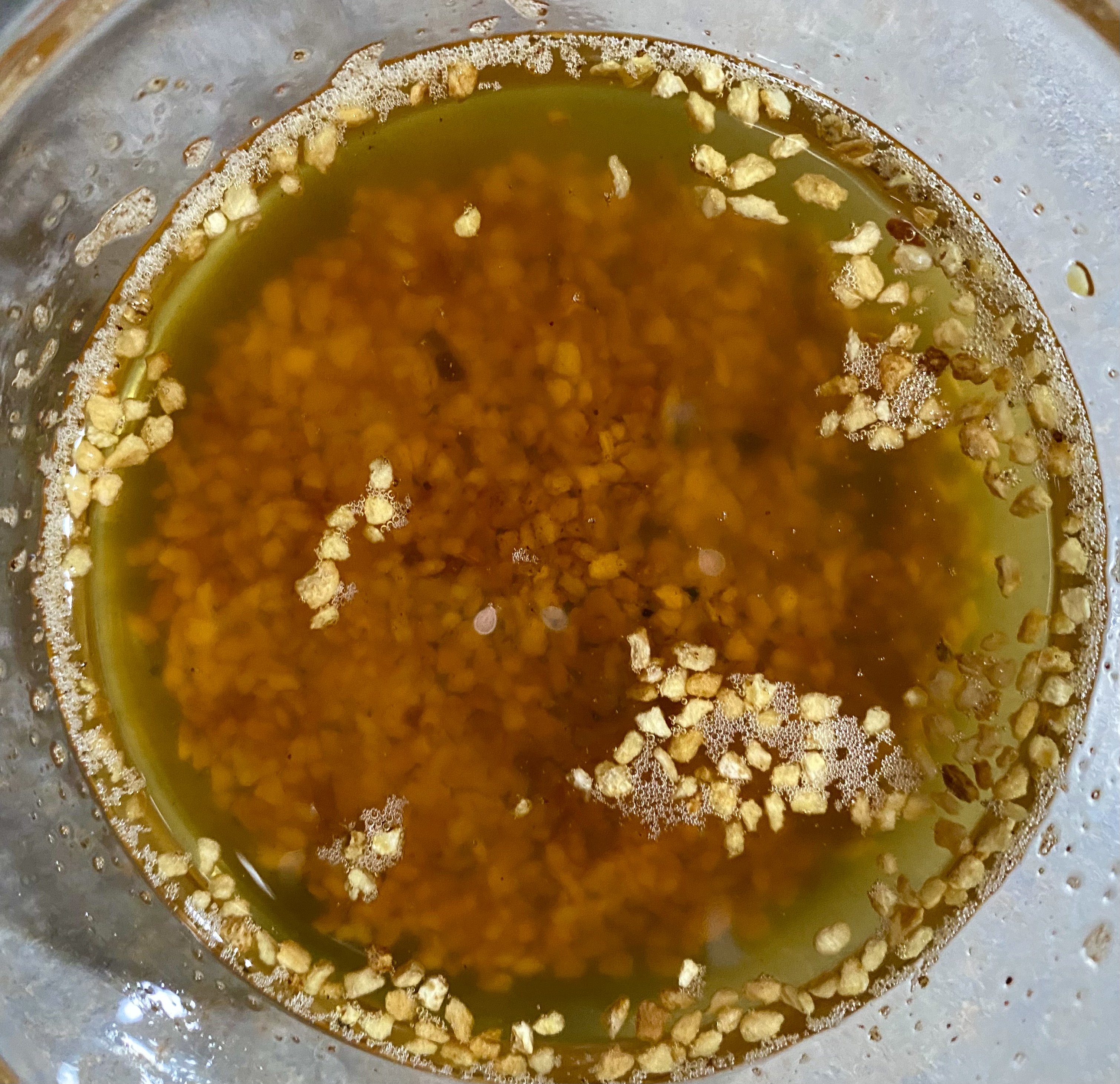
Finally there’s Oil, and it’s the one secret ingredient most likely to be missed – and it absolutely, positively must not be – it’s a critical element for some very good reasons. Oil is yet another place to add a little something, usually aromatics, that’ll make your ramen special. Secondly, oil is hydrophobic – it doesn’t mix with water much at all, (and broth is basically water.) When you add a little bit of oil to the bowl, (and you’ll add that at the start of composition, with the tare), it’ll float to the top once everybody is in the pool. The oil helps extract flavor from the broth, and adds its own subtle notes – it also seals the dish somewhat, helping your ramen to stay hot.
So there ya have it – Now let’s deploy. Below is what I did in most of the images you see here – riff off of that and make one your own.

Urban Ramen
Feed 2, maybe – scale accordingly
1 Quart Broth (preferably homemade, whatever variety you dig).
Tare – see below, and plan on 2 Tablespoons per bowl.
Ramen Noodles – Most of what we buy are around 8” long – a bundle roughly the size of a quarter per person is the minimum measure.
Toppings – Don’t be stingy – a cup of each for two people should do.
Oil – see below for a recipe that’ll last a while – Plan on 1 Tablespoon per bowl.
For the Oil
Makes a lightly flavored oil – you can load it heavier if you like.
1 Cup Avocado Oil – (Canola is fine)
2-3 fat Cloves Garlic
2 teaspoons Asian Chile flake (whatever you like)
2 finger pinch of Salt
In a small, heavy bottom sauce pan over medium heat, add the oil and garlic.
Use a kitchen thermometer to closely monitor oil temp, and reduce heat as soon as you pass 200° F – you want to stay right around 225° F, which means barely a bubble now and then – no higher, or oil and garlic will take on a nasty burned smell. Cook for 30-60 minutes until the garlic is golden brown, and check on it frequently!
Put the Chile flake in a small steel or glass mixing bowl.
Remove oil and garlic from heat and slowly pour over the oil. I add about a tablespoon of minced, roasted garlic at this point – it adds a nice color and toasty flavor to the mix.
You should get a nice little sizzle and foaming from the Chile as the oil hits it. Add the salt and stir to incorporate.
When the oil has cooled, you can strain off the chiles and garlic, or leave them in as you please, (personally, I’m eatin’ that garlic post haste)
Store refrigerated in an airtight glass container.
Urban Tare
Notes: The vinegar used here is incredibly complex, intense, 10 year old Chinese stuff. If you love amazing vinegar, go to http://www.themalamarket.com and buy some. Good quality, barrel aged Jerez vinegar would be a great sub.
You can make your own Shichimi Togarashi, or buy it – See below
1/2 Cup Dark Soy Sauce
1/2 Cup Double Black Soy Sauce
1 Cup Mirin
½ Cup Sake
1/4 Cup Honey
2 Tablespoons Baoning Vinegar (Jerez is fine)
3-4 cloves fresh Garlic
2-3 Scallions
2” piece fresh Ginger Root
1-2 Tablespoons Shichimi Togarashi spice blend (see below)
2 finger pinch Salt
End trim, smash, and peel garlic.
Peel and rough chop ginger.
End trim, peel and rough chop scallions.
In a heavy bottom saucepan over medium heat, add all of the ingredients and whisk with a fork to thoroughly incorporate.
Bring the mix to a gentle boil, then reduce heat to a simmer.
Cook until the sauce has reduced by half and thickened enough to nicely coat the back of a spoon, about 15 to 20 minutes.
Remove from heat and pour through a single mesh strainer into a clean glass container.
Store refrigerated and air tight.
Shichimi Togarashi Spice Blend
This stuff rocks on and in all kinds of stuff
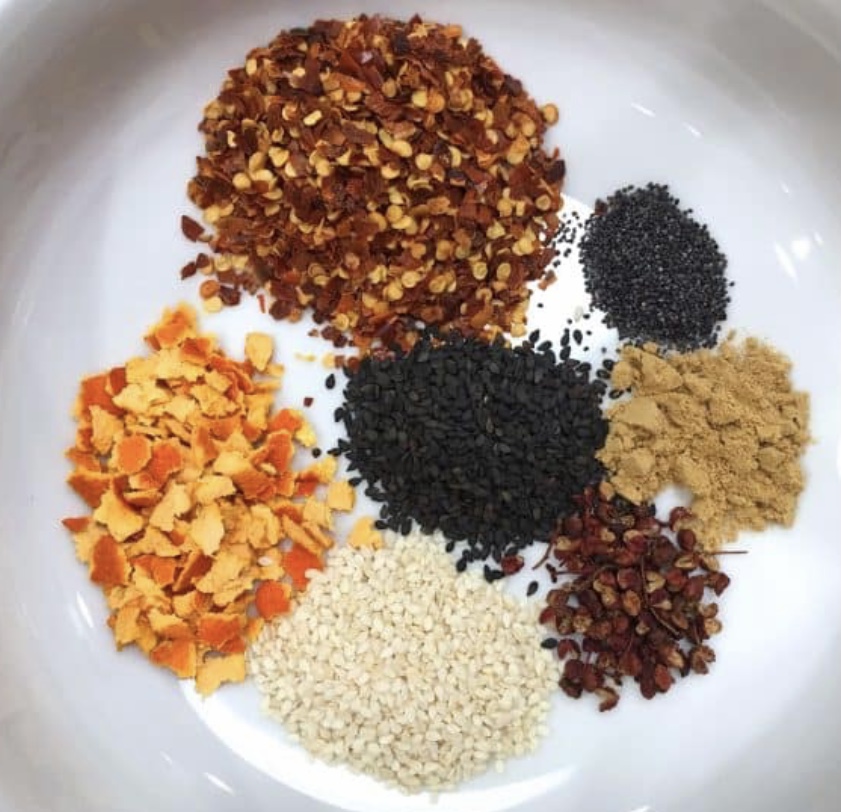
2 Tablespoons Red Chile flakes (Use what you like – Your local Asian grocer should have plenty)
1 Tablespoon dried Orange Peel
2 teaspoons White Sesame seeds
2 teaspoons Black Sesame seeds
1 teaspoon Sichuan peppercorns
1 teaspoon Ginger powder
1/2 teaspoon Poppy seeds
1/2 sheet toasted Nori
In a clean, dry cast iron skillet over medium low heat, add the sesame seeds, Sichuan peppercorns, and poppy seeds.
Lightly toast, attending constantly, until fragrant.
Immediately remove from the skillet and transfer to mixing bowl to cool.
Hand crumble the Nori.
Place all of the ingredients in a spice grinder and pulse until coarsely ground – don’t overdo it, you want a coarse blend.
Transfer and store in a clean, dry, airtight glass jar.
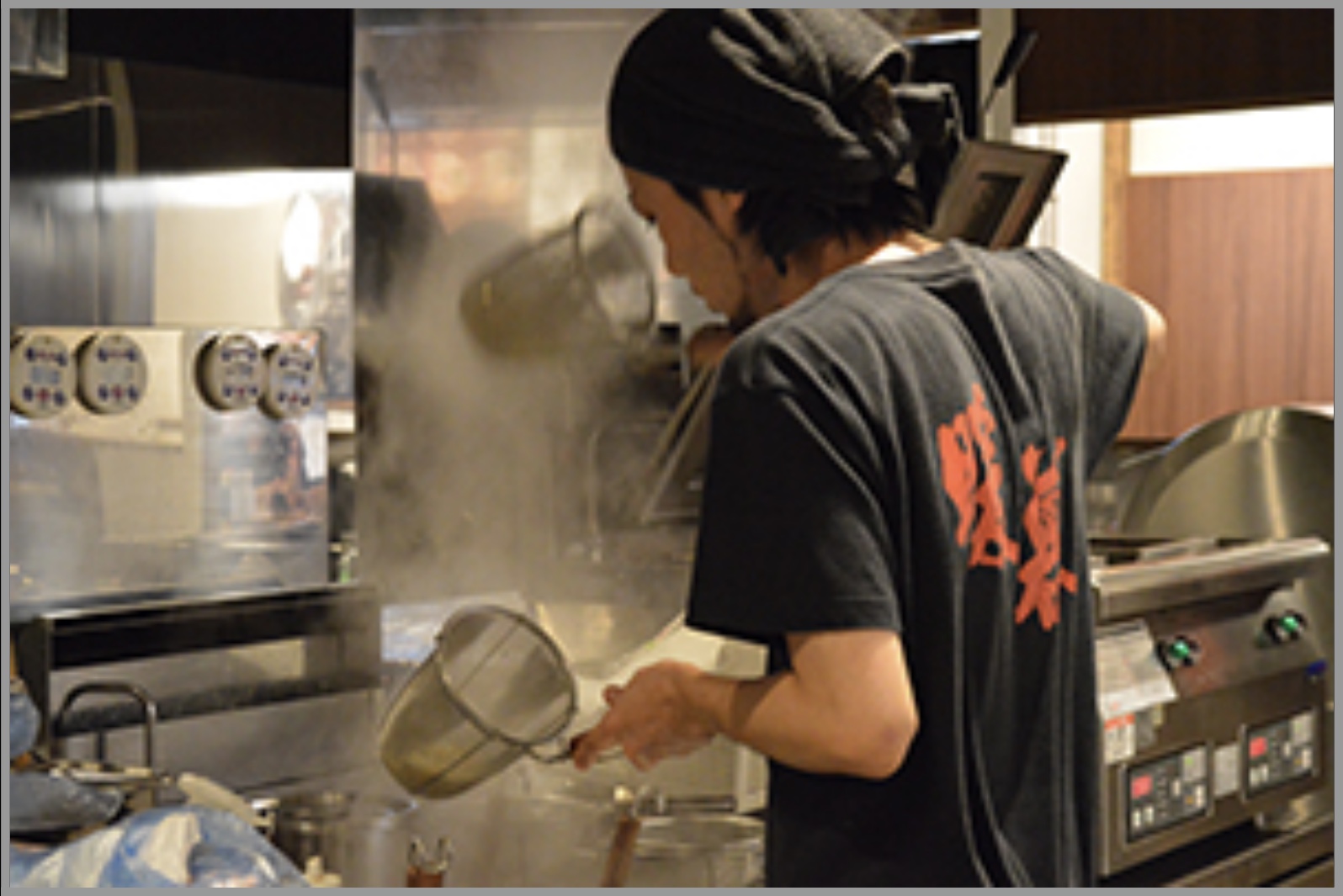
When you’re ready to rock –
Put your broth over medium heat, and add anything to that you feel like doing. Reduce heat to a bare simmer and let it do its thing while you build everything else.
Prep your toppings and set either as a mis en place for you to use or at table for diners to load their own.
Notice that additional proteins are not considered a critical element – That said, they are common toppings. You may do anything from firm tofu to pork, poultry, beef, or soft boiled egg.
If you’re doing a quick pickle, prep and start that before you make oil and tare.
Anything else, from kombu to shiitake, can be quickly portioned.
Prep your noodle boiling rig and colander for draining.
When you’ve got a vigorous boil, add noodles and stir in – they cook quickly, usually only 3-4 minutes, so stay with them.
Pour noodles into colander and give them a quick rinse with fresh water to remove excess starch and alkalinity.
Put noodles back into the dry boiling vessel, add a tablespoon of your oil, and toss to coat thoroughly.
Assemble your bowls – Tare and oil go in first, then broth, then noodles, then toppings.

Serve immediately, and devour with many yum yum noises.
 UrbanMonique