Aromatic bases are the signatures of so many cuisines – be it mirepoix, soffritto, sofrito, or cajun holy trinity, they’re the framework upon which everything is made – and Haitian is no exception. Here, the base is Epis – the heartbeat of the majority of savory dishes we enjoy from that ethereal cuisine.
Haitian cuisine, (aka Haitian Creole), is by definition, fusion cookery – a mashup of West African, Spanish, and French, with a pinch of Arabic influences. It’s not shy – it’s gutsy, sometimes in your face – and most of that influence hails from its West African roots.
It’s damn near impossible to define ‘classic’ epis – like so many signature bases, everybody’s version is a bit different, and they’re all the best, period. That’s not a problem at all, because what you get to do is add yours to the mix. The signature flavors of Haitian cooking – Habanero (aka Scotch Bonnet) chiles, allspice, cayenne, nutmeg, bay leaf, peppercorns, mustard seed – any or all might find their way into your mix.
Whereas many aromatic bases are used directly for cooking, epis is more oft used as a marinade. That’s a good thing, because you can whip up a batch and store it in your fridge for rapid deployment when the spirit moves you – and that contributes greatly to spontaneity and exploration. Haitian rice and bean dishes, soups, stews, and veggie curries all employ epis, as do marinades for beef, pork, chicken, goat, crab, and shrimp.
Epis stores well refrigerated – it’s got sufficient acidity to last several weeks. If that makes you nervous, it freezes extremely well – that’ll allow you to do one of my absolute favorite tricks – fill an ice cube tray with an airtight lid with epis and freeze that – you just pop out however many cubes you want and go to town.
Here’s my go-to version – take a swing at it and make it yours – and let me know how it goes.
Urban’s Haitian Epis
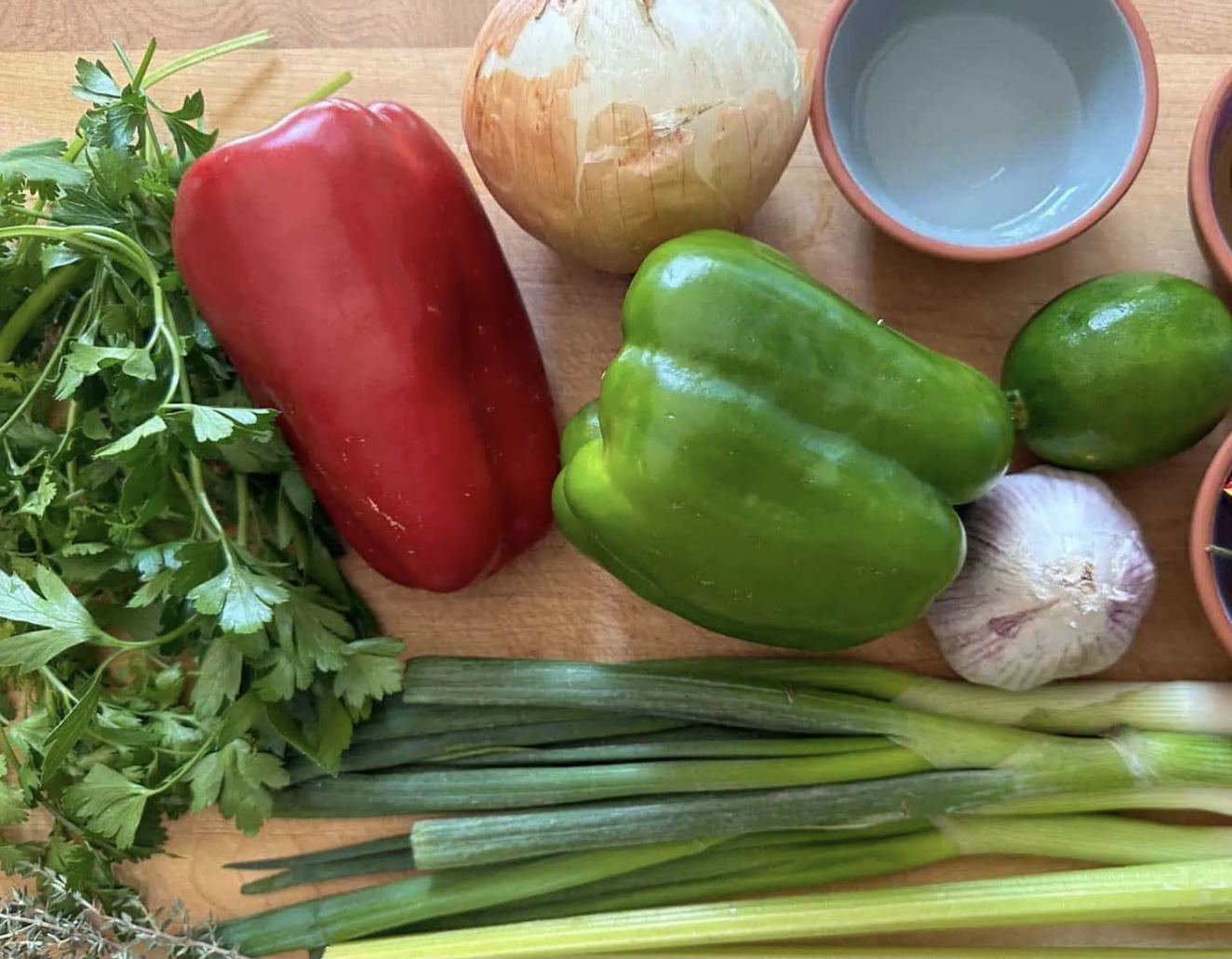
2 Green Bell Peppers
1-3 Habanero Chiles
1 medium Sweet Onion
1 large bunch Cilantro (about a packed cup)
2 stalks Celery
3 fat cloves Garlic
3 Green Onions
1 fat Lime
8-10 sprigs fresh Parsley
4-6 sprigs fresh Lemon Thyme
1/4 Cup Avocado Oil
2 Tablespoons Pineapple Vinegar
2 Tablespoons Chicken Stock
2 teaspoons Mustard Seed
8-10 twists fresh ground Pepper
1/2 teaspoon ground Allspice
Pinch of Salt
End trim and gut the bell peppers.
End trim, peel and rough chop the garlic, onion, and green onions.
Stem and rough chop the cilantro, and parsley.
Strip leaves from the lemon thyme.
Zest and juice the lime.
End trim and rough chop the celery.
End trim and rough chop the habaneros – be careful, and field strip the whitish membrane and seeds, I f you prefer a less nuclear option.
Throw everything into a blender and pulse to form a uniform sauce/paste.
Store refrigerated, in a sanitized glass jar, or freeze.
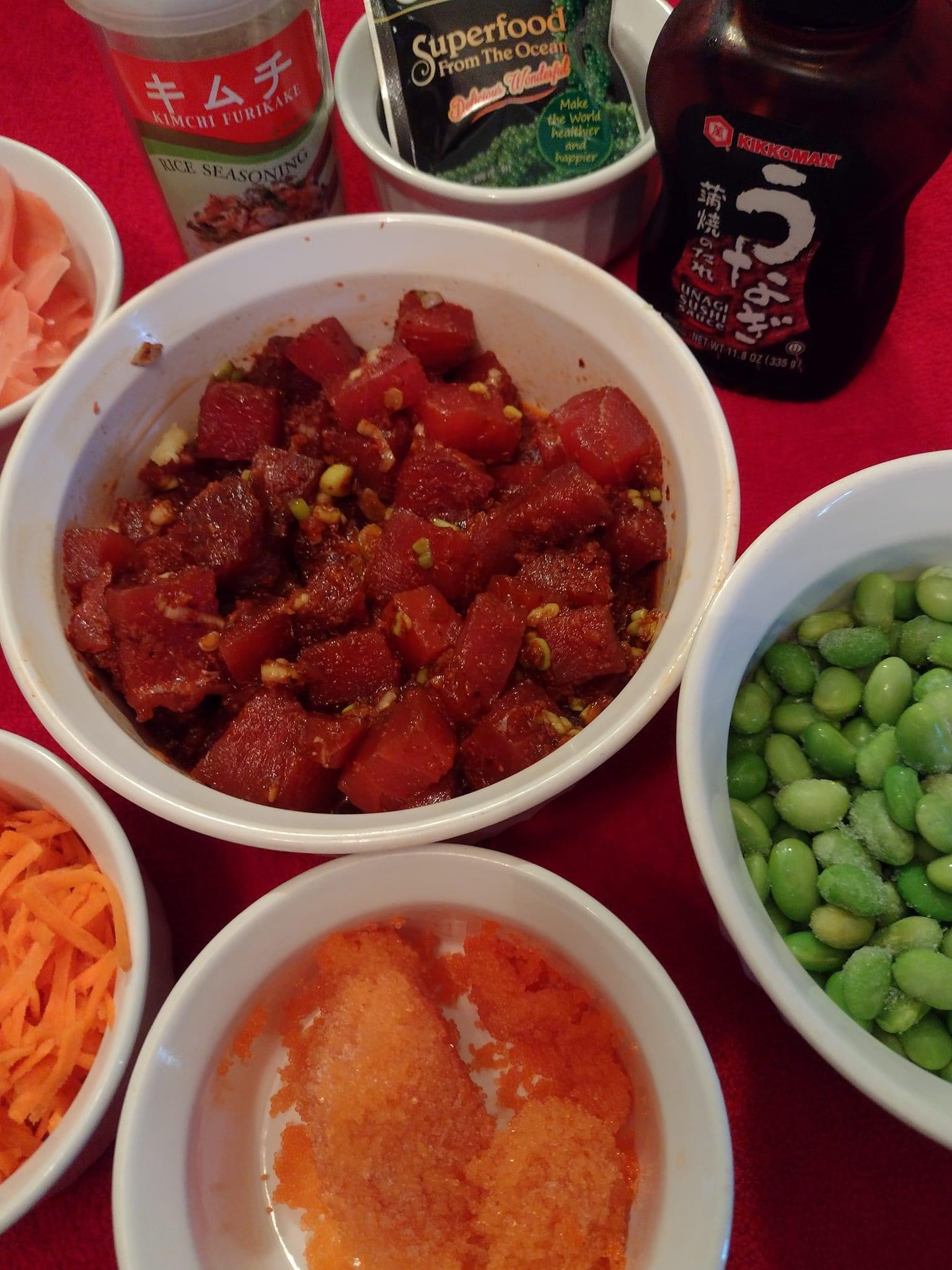
I’ve got a social media pal who wishes to remain anonymous, but happily allowed me to post up this marvelous fusion poke recipe. And when you feast your eyes on the image below and read the recipe, you’ll know why I was excited to share it.
Poke is of Hawaiian origin. There are various stories of how it came about, but the one that rings truest to me goes something like this – sometime in the 1970s fisherman trimming their catch realized that some very tasty bits of fish were being wasted. OG Poke was made from great tuna, Hawaiian salt, seaweed, and candlenut meat – and that venerable version is very popular to this day.
All that said, poke is a dish that begs for innovation, and what you find below is innovative in the most delicious sense of the word. Take a swing at it, enjoy, and as always, share your work.
My fusion poke tuna recipe (Indonesian, Korean, Hawai’ian, Japanese)
2 sushi grade tuna steaks, about 8oz total, large dice
1/4 cup light soy sauce (Japanese)
1 tablespoon toasted sesame oil
2 teaspoons freshly grated young ginger
1 teaspoon gochugaru (Korean hot pepper flakes)
1/2 teaspoon chili garlic sauce (Indonesian)
1/2 teaspoon sambal oeleck (Indonesian — adds umami, substitute a dash of fish sauce)
1/4 cup sliced green onion tops
Tuna is most easily diced while still partially frozen.
Combine marinade, add tuna, refrigerate an hour (use within a short period of time, never more than 24 hours)
Adjust seasoning to your taste.
Serve with sushi rice and your favorite veggies and toppings
Christy Hohman is our tribal Sister, archeologist extraordinaire, and a wonderful cook to boot. She also keeps me honest here, and recently came through again – she wrote, ‘I was stumbling through soy sauce on Amazon today and thought: I bet Eben could steer me through this maze. So, maybe a post on Urbanmonique? Different kinds of soy sauce? Different uses? And what about that amino stuff that some people use instead? From an inquiring mind in Minnesota where the closest Asian Market is at least three hours away.’ The topic turned out to be another one that I thought I had covered in depth, only to find out that I really had not. So it’s definitely time to fix that, so strap in – here we go.
Soy sauce originated in China, with references as far back as the third century BC. In the mid 13th century, a Zen Buddhist monk, Shinchi Kakushin brought the recipe for the precursor of modern soy sauce back to Japan.
This sauce, jiàngyóu, was quite thick, kind of like Moromi miso is today and very similar to the consistency of the mash from which modern soy sauces are pressed. Eventually it was noted that the liquid that leaked out of that thicker stuff was really tasty, and the making of thinner soy sauces began.
Traditional soy sauce is made with soy beans and wheat, or just soy, depending on the country and sauce desired. These ingredients are cooked down into a thick paste. After the mash cools, a salt brine inoculated with the natural fungus Aspergillus sojae is introduced, and carefully controlled fermentation follows. When fermentation is completed, the mash is pressed to expel soy sauce.
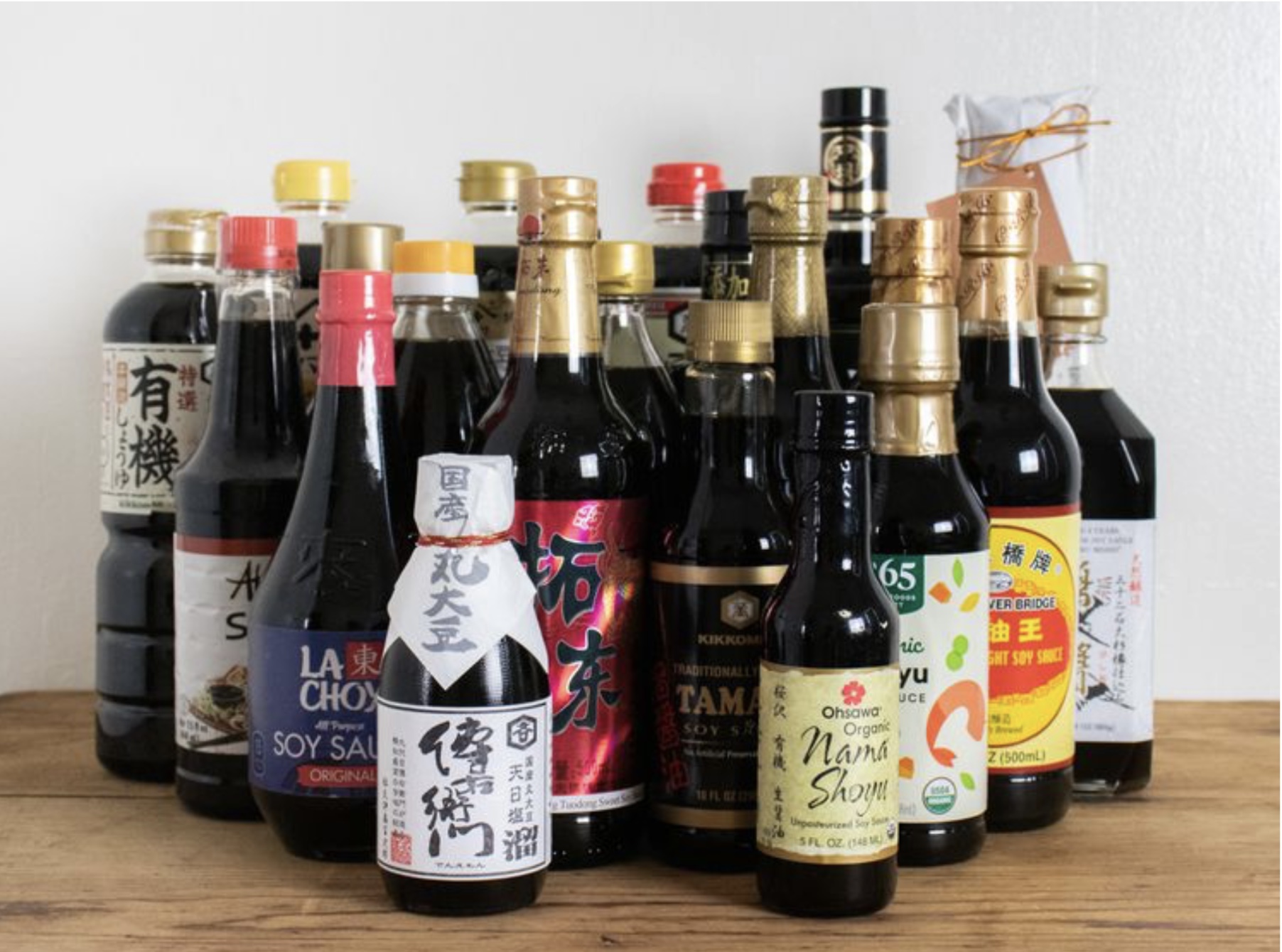
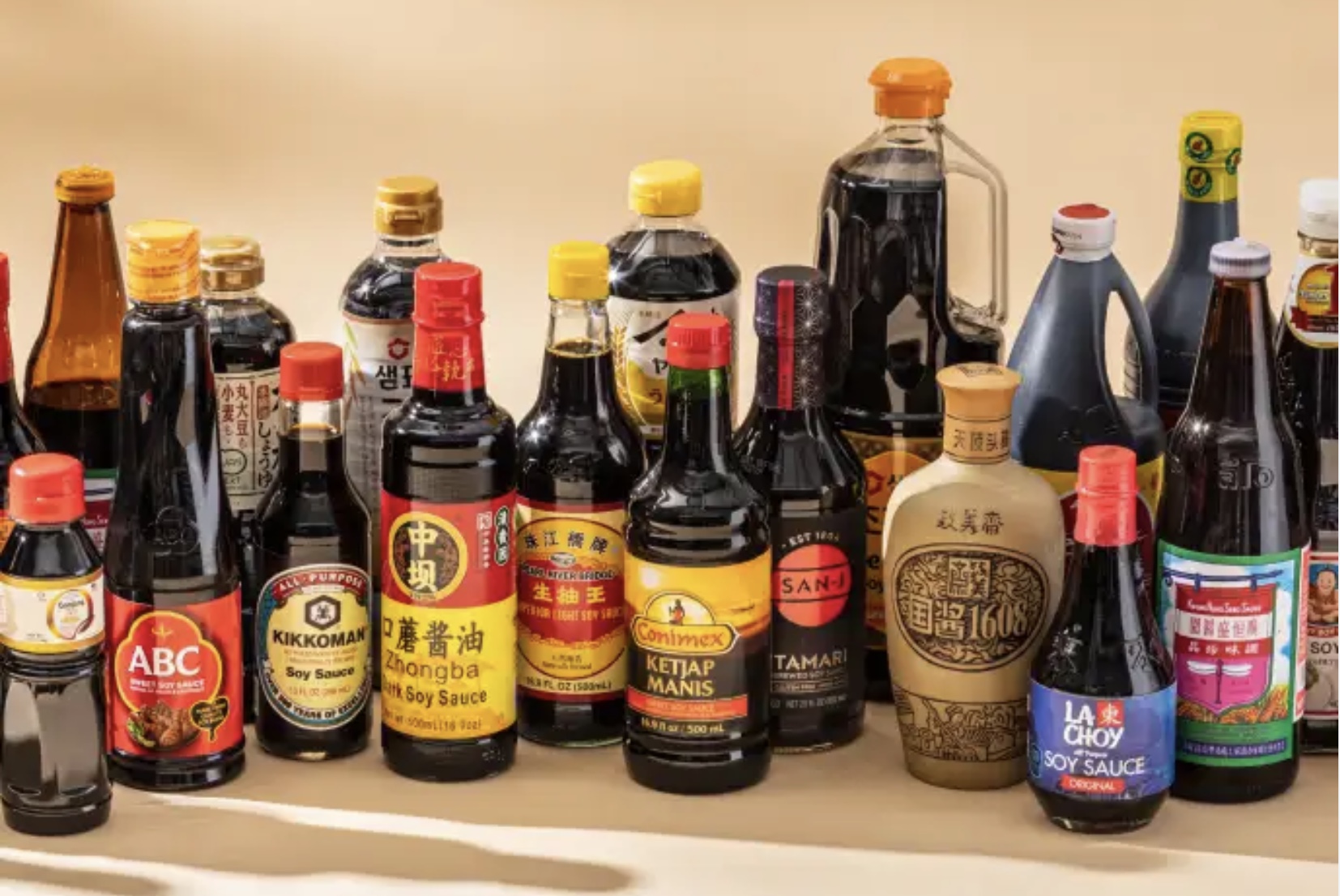
Soy sauce spread widely across the Far East, and as it did so, it changed to reflect the preference of the various countries it landed in. We might think that soy sauce is the same stuff everywhere, but that’s not so. Every iteration of it is unique, and variants abound.
The good news is that real deal soy sauce is widely available and well worth you searching it out. Between a blossoming of interest here and the expansion of global economies, some really good stuff can be found. So let’s look at some of the varieties of soy sauce you can find readily, what makes them different, and what they’re really good for.
First rule of thumb – if you’re cooking Chinese, use Chinese sauce, and so on – whatever regional or National cuisine you’re cooking will have its own sauce, and if you want to make that taste authentic, you want the right soy sauce. These options are generally not expensive, and will last a good long time, so if you’re into it, go for it.
Some Important Caveats –
1. What I’ll outline is what floats my boat, and your mileage may vary – plan on doing some experimenting, especially if something I recommend really doesn’t sit well with you. If you Google ‘great soy sauce from ______,’ you’re gonna find more than a few rabbit holes to wander down.
2. This surge of availability for great soy sauces also means that you can spend a hell of a lot of money – if you can and want to, go for it – but you needn’t do so to have good options at home. Yes, chefs in high end restaurants are using better stuff than you will be, and that’s OK – that’s why we go out to eat now and again.
3. What most Americans are familiar with when we speak of soy sauce is, at best, a pale shadow of the real stuff. It’s the equivalent of ultra light beer – it really doesn’t have any flavor other than salty – and that’s a shame. If you think you don’t like soy sauce, that’s probably why.
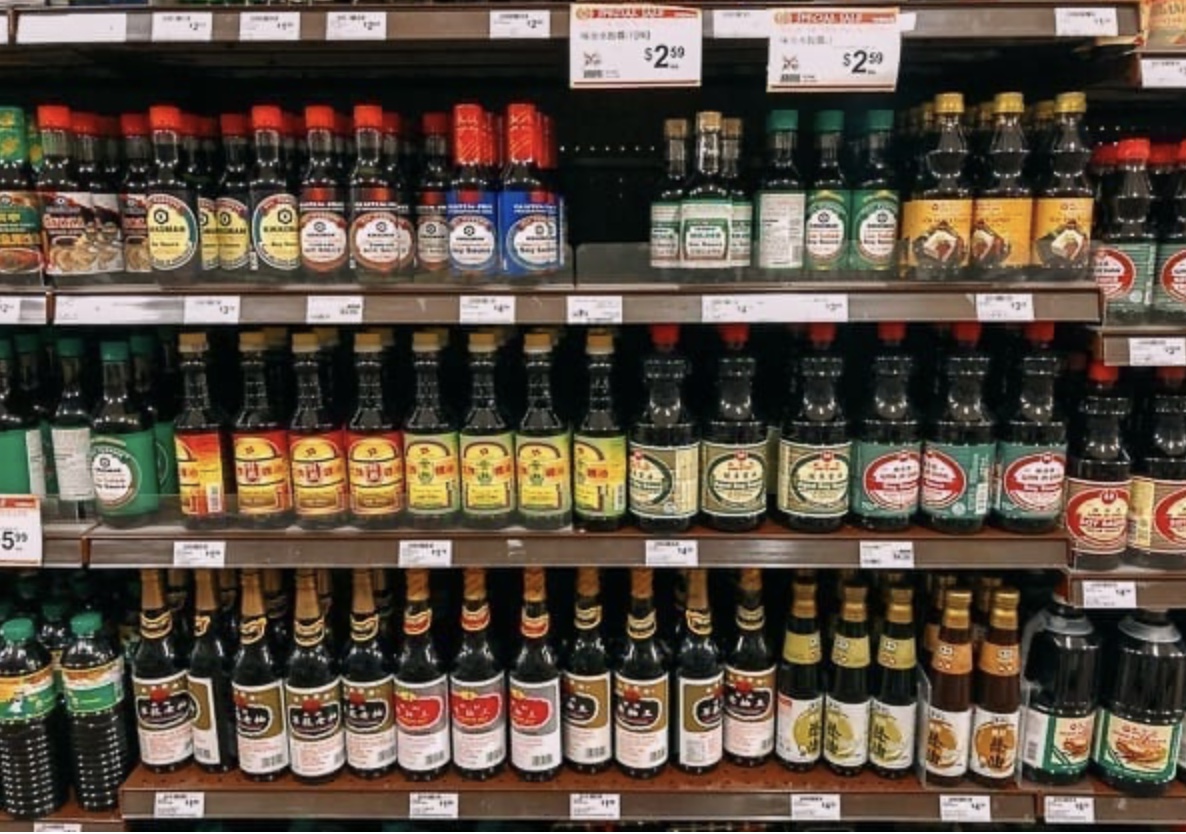
Chinese soy sauce can be a bit challenging – there are so many versions, and depending on the region and language dialects, it can be hard to know exactly what you’re getting. Narrow things down to two or three good quality options, and you’ll be set.
Light Chinese – This is kinda the EVOO of Chinese soy sauce. It’s a first pressing sauce, and if a recipe you’re working with simply calls for soy sauce this is your go to. It’s perfect for marinades and stir frying, and will do OK as a table condiment. My go to here is Pearl River Bridge brand – so much so I buy it in 60 ounce bottles…
Dark Chinese – This sauce is darker, thicker, and sweeter than Chinese light, usually due to added sugar – it tastes less salty because of that addition, but it is in fact higher in sodium. Dark is used as a finishing element to a sauce or stir fry, to add color and mouth feel – Whereas light soy gets used a lot, this sauce is deployed a bit more sparingly. Again, I opt for Pearl River Bridge.
Double Black Chinese – sweeter and thicker than dark, due to added molasses. Used much as black is, where additional thickness and sweetness is desirable, say for pork belly, or a simple noodle dish where you really want sauce to stick. I like Koon Chun brand here, but you could just as easily add molasses to dark and do just fine.
Japanese soy sauces are almost as challenging as Chinese – there’s a lot of variety, and you can get into über expensive artisanal stuff real fast. That said, there are five variants to consider if you’re diving into the deep end. Note that if you really wanna get authentic, Kikkoman offers Japanese made versions of their sauces that I recommend here.
Koikuchi Shoyu (dark) – easily 80% of Japanese soy sauce produced is this version. A blend of soy and wheat yields a nice balance of salt, sweet, bitter, and umami – it’s used broadly for cooking and as a table condiment. For every day use, I like Kikkoman Organic.
Usukuchi Shoyu (light) – Very salty, light colored sauce, used sparingly in cooking to add flavor without altering color a bunch. Some brands get the salty, slightly sweet flavor here by adding mirin or sugar. I like Kikkoman here again, but make sure you’re getting Light, not Lite – the latter is a low sodium product with less than optimal taste.
Tamari Shoyu – The Japanese version of Chinese dark soy – thicker, denser, a bit sweeter and less salty than koikuchi shoyu, the good stuff is made with just soy beans and no wheat. For building marinades that pack flavor and stick well, like teriyaki, this is what you want – it’s also great as a table condiment. I really like Kishibori brand – it’s a 1 year barrel aged sauce with no junk in it, and has fantastic taste.
Shiro Shoyu (white) – Used almost exclusively for flavoring soups, this is not a must have, but is a great thing to have when you want to get soy sauce flavor with virtually no dark coloring. Almost golden in color, it packs plenty of flavor. I like Takuko brand here – good flavor and won’t break the bank.
Saishikomi or Kanro Shoyu (twice-brewed) – This stuff is amazing – it’s dark, thick, slightly sweet, and packs an intense umami burst. This is pretty much purely a table condiment, used for dipping – it’s excellent with fish and beef. It’s pricy, so not an everyday thing in my book. Yamasan Kanro Shoyu is my go to.
Korean Soy Sauces – Korea makes great soy sauce, different enough from either Chinese or Japanese to matter. There are a couple variants here, depending on what you’re fixing to make.
Ganjang or Whe-Ganjang – This is the every day soy sauce to reach for when you’re cooking Korean. Used for marinating, stir frying, grilling and sashimi. Read labels buying here, as added high fructose corn syrup is kinda common. Chung Jung One Naturally Brewed is my go to – no junk and great flavor.
Guk or Jip Ganjang – Used almost exclusively for cooking in soups, stews, and veggie sides. This version is made with nothing but soybeans and is aged for 3 months or longer – it’s the modern swing at what used to get made at home, hence gip (house) ganjang. I really like Wholly Ganjang if you can find it – nothing there but water, soybeans and salt, and aged 3 years, outstanding flavor. If you can’t find that, Q-Rapha Premium is also outstanding stuff.
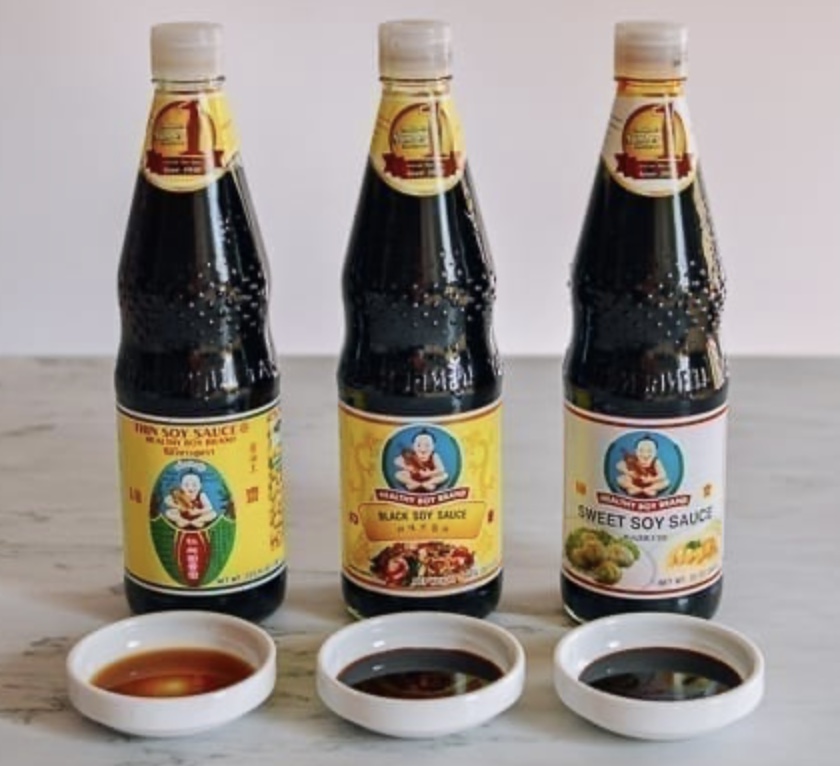
Thai soy sauce – there are four major variants here – light, black, mushroom, and sweet. The light is the every day cooking and table sauce. Black is thicker and sweeter and used for coloring dishes and adding a little stickiness, just like the Chinese version. Sweet is, well, sweeter, with often quite a bit of sugar, and the mushroom is what it says it is. There is a subtle, fundamental difference with base Thai sauce versus Chinese or Japanese – Thais traditionally make their sauce with a mix of soy and wheat, with a fairly high soy ratio – it’s also notably thinner. FM2¢W, I buy a very decent light sauce, Golden Mountain, and then sweeten, thicken, or flavor that as I see fit. I get a fresher taste, frankly, because there’s a lot of junk in a bunch of those alt sauces.
Without short changing to much, I’ll just say that’s a pretty good tour. There are more, believe me! From Datu Puti in the Phillipines and Jalen dark in Malaysia, to Myanmar and Cambodia, there are variants all over the place, let alone in well established expat communities. Like I mentioned, you can go way deep worm-holing this stuff, so unless you’ve got a cabinet space ready just for soy, pace yourself. Oh, and for the record – yeah, I do…
Now, just in case you thought I forgot, here’s a few words on, ‘that amino stuff that some people use instead.’ As I often do here, I’ll leave the final word to Guru Harold McGee, who has this to say about ‘chemical soy sauce’ in On Food and Cooking – ‘Industrial producers have been making nonfermented approximations of soy sauce since the 1920s, when the Japanese first used chemically modified soy protein (“hydrolyzed vegetable protein”) as an ingredient. Nowadays, defatted soy meal, the residue of soybean oil production, is broken down—hydrolyzed—into amino acids and sugars with concentrated hydrochloric acid. This caustic mixture is then neutralized with alkaline sodium carbonate, and flavored and colored with corn syrup, caramel, water, and salt. Such quick “chemical” soy sauce has a very different character from the slow fermented version, and is usually blended with at least some genuine fermented soy sauce to make it palatable.’
As Clint Eastwood has been known to say when directing a film, ‘that’s about enough of that.’
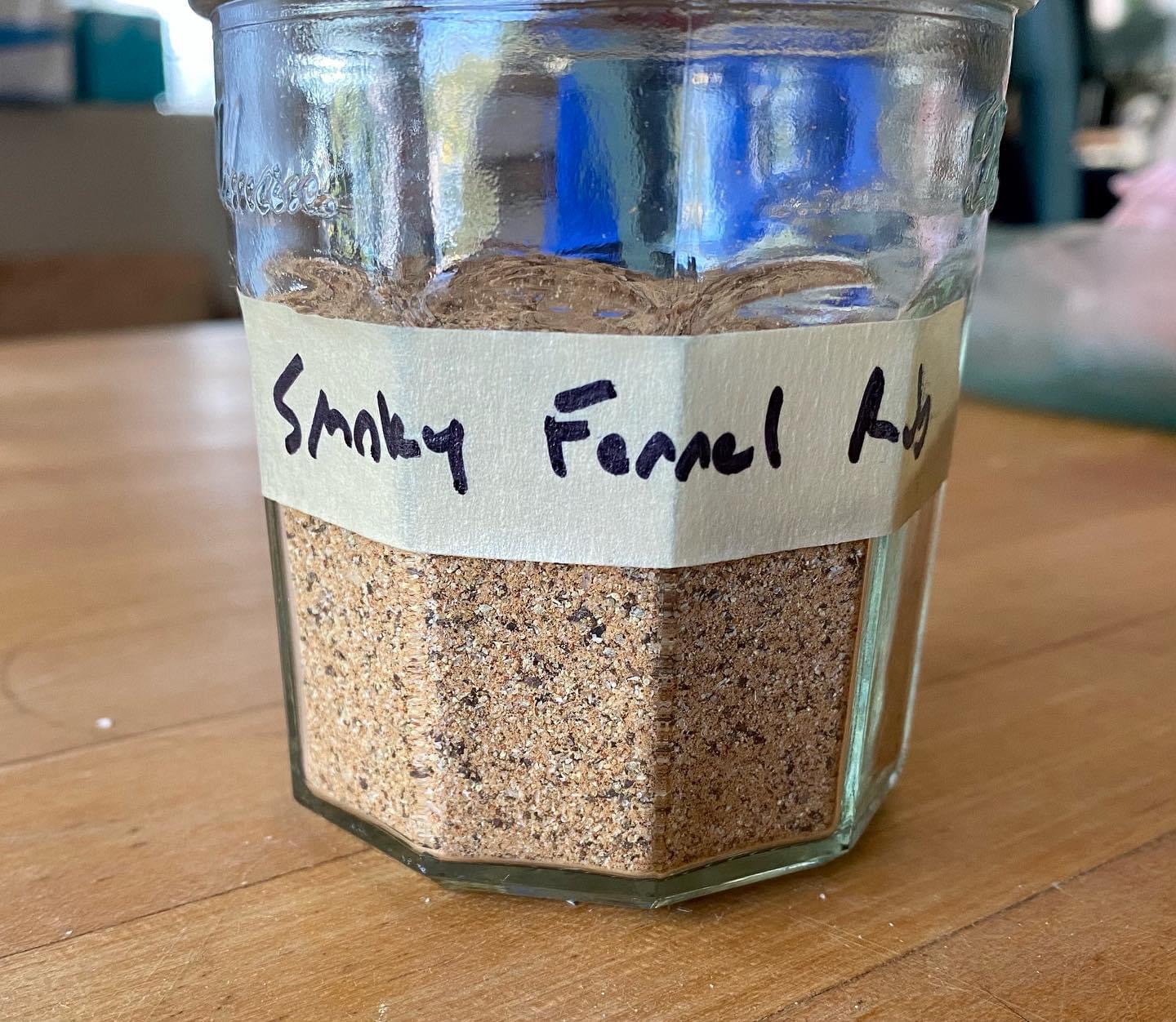
A while back, I posted about the Picanha beef cut. I gushed about how good it was and flashed images of a roast done up with a smoky fennel rub. It’s taken this long for an alert reader to tactfully point out that I never provided a recipe for the rub – he was right, of course – so it’s time to fix that.
It’s the height of grill, bbq, and smoker season, so having a rub or three you really dig is a swell idea – and I really like this one. It’s versatile as all get out. It’s smoky, yes, but with good quality fennel pollen, that note shines brightly as well. It has depth and breadth, and it goes well on lots of things.
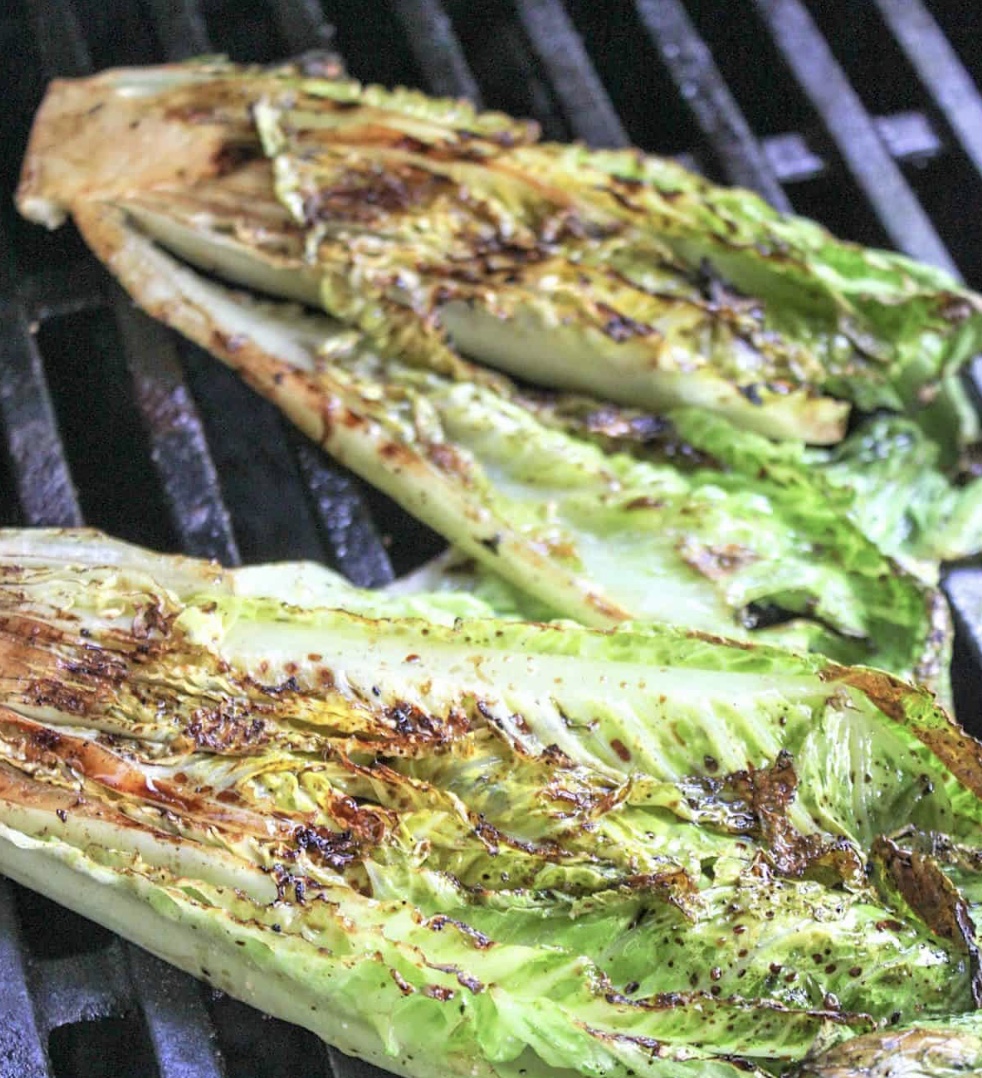
Great on just about any protein, from beef to tofu. It’s wonderful on veggies too – a lightly grilled romaine salad, grilled asparagus, corn, or root veggies – even potato salad and baked beans.
Give it a whirl, tweak it until you love it, and then call it your own.
The New York Times cooking app is a wealth of inspiration – great ideas from one of the greatest food towns in the world can’t be anything but good. Last week, Sam Sifton spoke to something that I’ve preached over and over here – When you find a recipe you love and make it a few times, you’re bound to make changes by preference or expedience. Either way, what you land on becomes yours, and that’s as it should be.
Sam offered Eric Kim’s Gochujang Buttered Noodles, and then wrote of the variations he’s done with it – He subbed ssamjang for gochujang and frozen dumpling for the noodles, and another version with lap cheong Chinese sausage over Korean rice cakes.
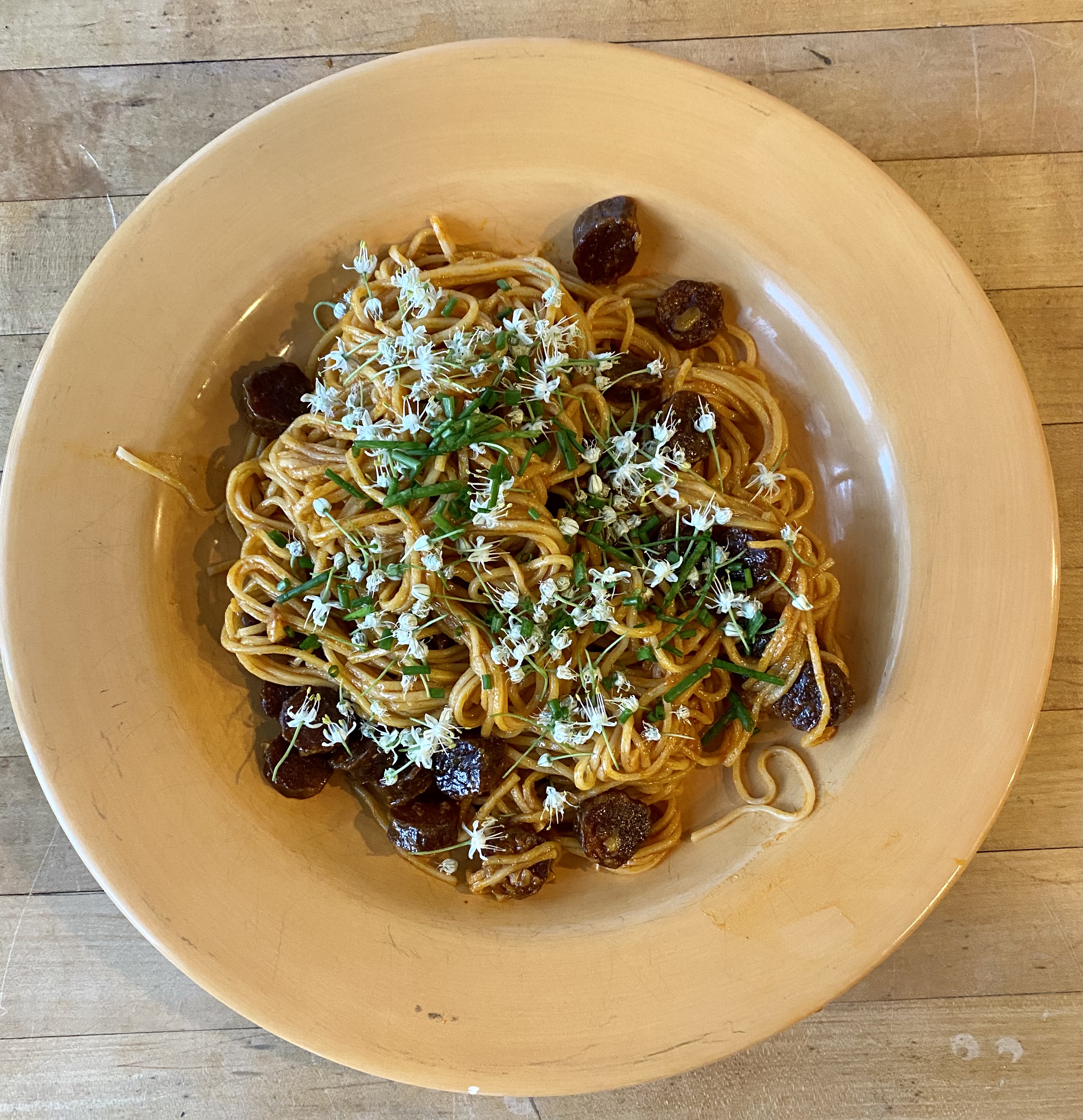
He finished the piece with this exhortation – ‘So this weekend, I put the challenge to you. Make Eric’s dish as he intended, or take it in whatever direction your pantry allows and your taste desires. Cook in confidence. It’s just butter, garlic, spice, sweetness, umami and starch. Perfection every time.’ So I did.
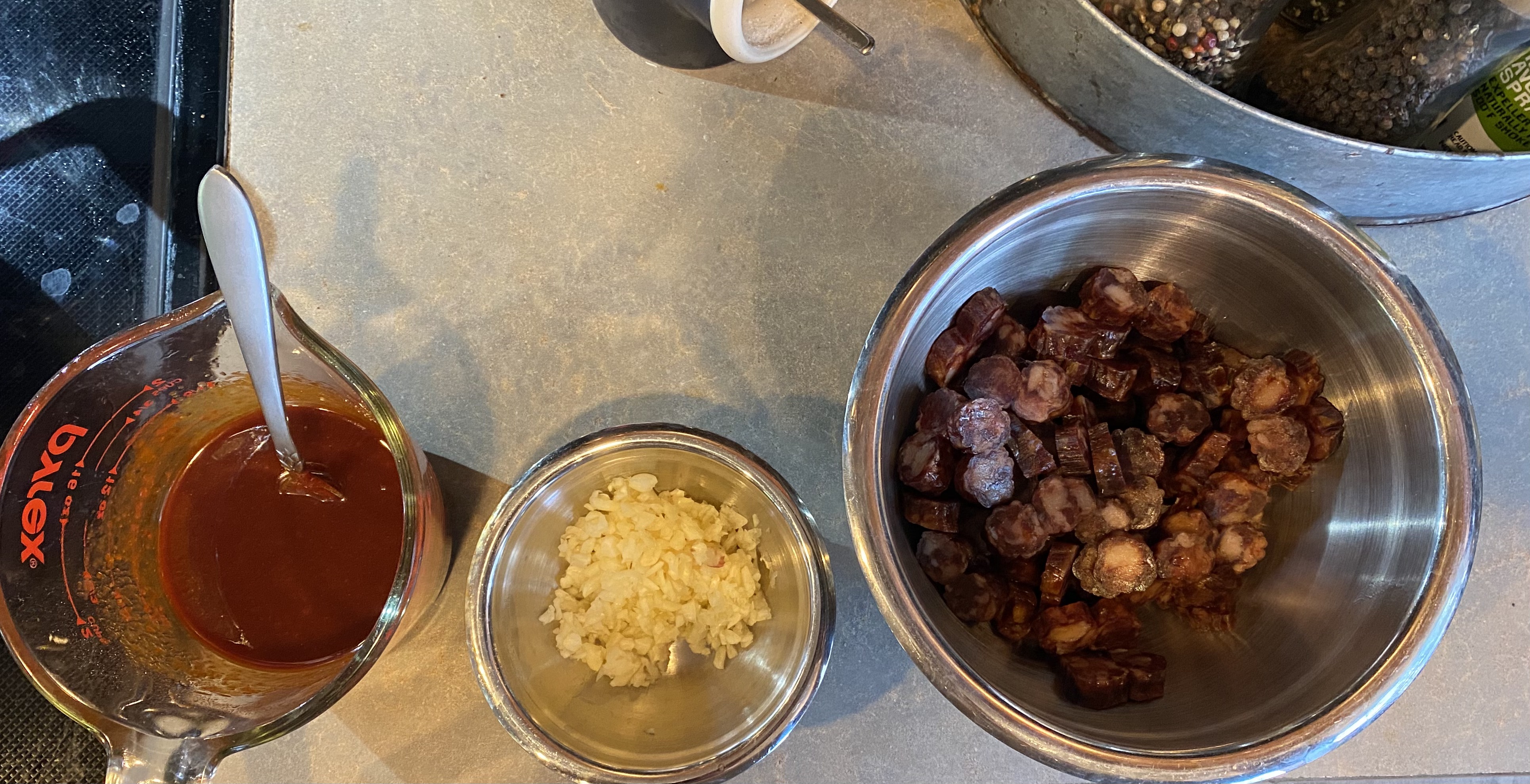
What I used was a lovely exercise in utilitarianism – I mentioned what I had in mind to the family, and suggestions for this and that came back to me. As Sam points out, this is a can’t lose dish, and whatever you do to it is gonna rock – so I’m passing the challenge off to y’all. Dive in and let me know what you come up with – for the record, I sent a thank you to Sam, along with a pic of the finished dish.
Notes –
As Sam noted in his piece, make sure you find Gochujang paste, not sauce – you want the purest essence of those lovely sun dried chiles you can find – the sauce version tends to add a bunch of stuff you don’t want or need. Note that gochujang can be downright nuclear, so read the label and ask your grocer how hot the stuff you’re contemplating is. I buy what’s labeled as Medium Hot, and it’s still got plenty of kick – when it’s combined with great vinegar and honey, it’s stunningly good.
Use the best vinegar you’ve got – Erik Kim recommends sherry or rice for the dish. For the former, find a genuine Spanish Jerez, one that carries the D.O.C. symbol. It’s far cheaper than balsamic, and is truly delightful stuff. If you opt for the latter, make sure it doesn’t say Seasoned on the label – that’s got added sugar you don’t want. I went with the best thing I have – a smoky, subtle 10 year old handmade Baoning Chinese vinegar.
I garnished with sweet onion flowers and chives fresh from the garden – Use what you have and love, it’ll be perfect! Eric recommends thinly sliced scallion or finely chopped cilantro on his dish.
If you opt for lap cheong sausage, it should be fully cooked when you buy it – but make sure that’s the case!
A Riff on Eric Kim’s Gochujang Buttered Noodles
12 Ounces dried Ramen Noodles
8-12 cloves fresh Garlic
6 Ounces Unsalted Butter
1/4 Cup Gochujang Paste
1/4 Cup Honey
1/4 Cup Rice Vinegar
Salt and ground Pepper to taste
Optional: 8 Ounces Chinese Lap Cheong Sausage
Garnishes as you please
Peel, end trim, and mince garlic.
In a glass measuring cup, combine gochujang, honey and vinegar – whisk with a fork to thoroughly incorporate.
If adding sausage, slice into roughly 1/4” thick rounds and place in a bowl for service.
Prep garnish and place in a small bowl for service.
In a stock pot over high heat, boil noodles in salted water, per directions for whatever you’re using.
In a heavy sauté pan over medium low heat, add 4 ounces of butter and heat until melted.
Check noodles – turn off burner, transfer to a colander to drain, reserving 1 cup of pasta water.
Put drained noodles back into the pot, and place pot on the still hot burner (don’t turn it back on – residual heat is all we need here).
Add the garlic and sauté until soft, about 2-3 minutes.
Add gochujang/honey/vinegar and whisk to thoroughly incorporate.
Cook sauce for 3-5 minutes until it’s notably reduced and thickened.
Add sauce and remaining 2 ounces of butter to the hot noodles and stir to thoroughly coat and incorporate everything. Add splashes of pasta water until you get the consistency you like.
Season lightly with salt and pepper to taste.
Serve it up with your garnishes, devour, and make yum yum noises.
Up here in the Great Pacific Northwet, we’re a major source of berries – rasp, cran, blue, black, straw, you name it – the land between Bellingham and the Canadian border is heavy with fields just starting to release their bounty. In the weirdness that is modern agriculture, most of our berries get shipped out of state, but you can sure find them here when they’re ready to rock – and farm stands, markets, and CSAs beat the pants off the grocery store any time.
You can and should plan to enjoy those for all the standard berry fare – snacking, cobblers and crumbles, pies, smoothies, and so on – but it’s also time to consider a few uses that might not be as mainstream, but certainly are delicious.
Berry infused vinegars are easy to make, and the results are delightful. This is a great project to consider some less than obvious parings for what you infuse, to whit, berries and herbs. Got blueberries? Consider cinnamon basil or lemon thyme, or just good old navel orange. For raspberries, pair with lemon verbena or mint. Strawberries go great with rosemary or oregano. Blackberries shine when paired with lemon thyme or lemon basil.
Take fruit and vinegar a step farther and make your own from all this glorious harvest. Straight up berry vinegars are incredible, and very doable at home. Here too pairings can be employed – vanilla with strawberry, nutmeg with raspberry, blueberry and a little cacao – use your pantry and your imagination, and next winter, you’ll be a happy camper.
Let us not forget gastriques – if there’s a sauce made for berries to strut their stuff, this is it – this lovely sweet and sour stuff pairs well with almost any protein, to salads and grilled veggies. They’re easy to make, infinitely variable, and perfect for summer fare.
And with many thanks to Christy – don’t forget that berries of all kinds make fabulous shrubs, too! From single to mixed berry formulations, you’re sure to come up with a winner to call your own.














 UrbanMonique