
Which began with a couple of examples of extraordinary acts by extraordinary Chefs – And sometime, those can lead to pretty amazing places, such as it seems to have for Chef Jose Andrés.
Blog
Ch, Ch, Changes, (and more coming)
It’s way past time for some remodeling hereabouts – Lots of cool things underway.
First off, I’ve cleaned up the general appearance of the site – Much less cluttered, and a pretty cool, retro kinda theme thing going too. You’ll find that posts stand out much better. Sidebar images have been removed, which makes things easier to read – I think the colors make for a much better look, (and they match our business cards too!)
I’ve also completely revised the Pages for Chiles, Herbs & Spices, and Sources & Suppliers, fleshing them out and making sure they’re up to date. There’s also a new, dedicated contact page, instead of a hard to find widget.

Poke around when you need some inspiration, new stuff, or just have a question.
if you don’t see something there you need, let us know, and we’ll find it for you.
I’ll be adding a few new pages as well – We’ll start with revising and expanding former posts on Essential Knives, and Knife Use and Care. Going forward, those will be much easier to find and use.
Chaos in the Kitchen
Recently, I shared a post on social media I got from my Cuz, Sally Stanton Poutiatine, about a great Chef doing a great deed in post hurricane Puerto Rico. Chef José Andrés went to the devastated island and initially began cooking for doctors and nurses, “because no one was feeding them.” But persistent calls for more help poured in, and Andrés couldn’t ignore them. He ended up coordinating 18 kitchens, serving over 150,000 meals a day. Andrés was named the James Beard Outstanding Chef of the Year, as well as Humanitarian of the Year in 2011 for this stunningly lovely gesture.
That story prompted another friend, Bryan Lee, to mention world famous Chef Massimo Bottura’s reaction to the devastating 2012 earthquakes that ravaged the area around Modena, Italy, home to balsamic vinegar and Parmigiano-Reggiano cheese. The earthquakes damage included 360,000 wheels of the famous cheese – Over $200 million dollars worth, enough to fatally cripple the industry. What could one Chef do that would actually make a dent in such a disaster? Bottura gave it a think, and came up with risotto cacio e pepe, a play on the legendary pasta dish – But Massimo’s version used Parmigiano-Reggiano instead of the traditional pecorino, and rice instead of pasta, (because the affected region also heavily depends on rice production for its economic well-being.) a fundraiser was arranged, and the recipe was shared widely on social media. The result? The dish went ballistic across the culinary world, and “All 360,000 wheels were sold,” Bottura proudly told the TV show A Chef’s Table, “They were sold out. No one lost a job. No cheese maker closed the doors. That was a recipe as a social gesture.”
Alright, you say, very nice, very noble – But what’s this got to do with us home cooks? The simple answer is this – If you want to be a great cook at home, then damn near everything.
Before we get after the specifics of why, lets dig in a bit more to those Pro’s doing great deeds. In both these instance I cited, Chefs who were running a single restaurant waded into a much more dire situations, natural disasters of epic proportion. If you don’t know how professional kitchens and chefs work, this might seems deeply strange – What the hell would some milquetoast food dude know about dealing with things normally handled by major departments of federal governments, anyway? Turns out, quite a bit, and the reason for that is chaos. It’s not coincidental that cooks know all about chaos, and frankly, that’s everyone from Andrés and Bottura to home chefs – It’s just that chaos in a professional kitchen is exponentially more stunning than it is in ours.

My little cafe is a good example, even though in the big picture view of professional kitchens, it’s frankly peanuts. Nonetheless, we do north of four million dollars in business annually, and that happens at around fifteen bucks a pop. So, do the math for a busy weekend like this past one – Veteran’s Day weekend down here and a three day weekend for our Canadian pals – That adds up to lunches running up to $2,000 hours, and maybe three or four of those a day for three days. We’ll turn the restaurant a bunch during that service, meaning a new party takes over table X, in a cafe that’ll hold around 190 folks at a pop. Our goal is for you to be fed in under five minutes, from the time you order until food hits your table, and all it takes to screw that up is for one of us to have a hard time for a minute or two – Running out of an ingredient, a complex order, something small like that – When it happens, its called, in polite company, being in the weeds, (albeit the French term is dans le merde). It sucks, and it escalates in a heartbeat, and it can be really hard to get out of in anything resembling short order, but get out if it we must, and get out of it we will, because that’s what we do.
The way you deal with chaos in your kitchen determines how you’ll do when it happens. Handling it is part of the profession, and in the blood of good chefs. If you ever walk into your cafe seriously thinking, ‘I know exactly what’s going to happen today’, you’re either delusional or crazy. Even when the shit hits the fan, the good ones figure out, quickly, what needs to be done and how to do it. And frankly, it doesn’t matter to us whether it’s a kitchen, or a hurricane, or an earthquake – Disaster is disaster, and we know all about that. Andrés answered it perfectly when asked how he’d done what he’d done in Puerto Rico – He said, “Restaurants are chaos and chefs — restaurant people — we manage chaos very well. After a hurricane, you see a lot of chaos, and people go hungry and people go thirsty. But what we are very good at is understanding the problem and adapting. And so a problem becomes an opportunity. That’s why I think … more and more you’re going to be seeing more chefs in these situations. We’re practical. We’re efficient. And we can do it quicker faster and better than anybody.” I spent twenty years as a firefighter and a cop before I returned to food as a profession – I know exactly what he means, and he’s absolutely correct.

And so it comes to us in the home kitchen. Yes, what I described above is epic, but truth be told, a major screw up in the home is no less traumatic for the cook. The burned roast, radically over-salted home canned pickles, over cooked beans turned to mush, or the dreaded fallen soufflé has flattened many a cook – So what to do?
First and foremost, change your attitude, gang. What’s called for is a healthy dose of chutzpah, like we walk into our kitchens with every day. This is your kitchen, and come hell or high water, it’ll still be yours – Own it, warts and all. This is, frankly, the most important thing you can do towards becoming a better cook. This is your stage – Even if you flub your lines, if you do it with panache, nobody will know. Remember Julia Child throwing some failure over her shoulder and warbling, ‘Oh well – onward!’ That’s what I’m talking about. If it was easy, everybody would do it, and you know as well as I do that they don’t.
Secondly, embrace failure. If you never fail, you’re not pushing yourself near hard enough, and you’ll never be a better cook than you are now. You have to screw things up sometimes, especially if you’re experimenting. Expect it, accept it, learn from it, and make the next attempt, if not absolutely right, then that much better. If y’all saw how many things we boot before a recipe hits these pages, you’d be shocked – The difference is, I know it’s going to happen from time to time and I’m cool with it, because I always learn from my kitchen mistakes, and a rarely, if ever, repeat them – And that’s just what you’ll do too.
Third, expect chaos. Any time, in any situation, it can and will happen, and probably with the dish you’ve done a hundred times and are now doing for your new in laws. To paraphrase what I wrote above, if you walk into your kitchen thinking you know exactly what’s going to happen next, sorry, but you’re kinda nuts. Expect the unexpected, and don’t be surprised if that includes worst case scenarios. If you’re ready for anything, you won’t panic, you’ll think, do some quick research, and you’ll find a working solution. It may mean going to Plan B or C or D, but you’ll find a solution, because that’s what we cooks do.
So, there’s the drill. And for the record, pull the burned roast out, get rid of the pan, cut any burned stuff off the roast, re-pan it, add some water, and move on. For the pickles, remove about half the brine, replace that with water, and let them have a good soak for a couple of hours until everything tastes right again. Turn the overdone beans into dip, maybe with some toast points or pita bread. And if the soufflé has really fallen, well hell – Serve that sucker up and call it a pudding or a fondue – This is your stage, and none shall be the wiser.
Live in the U.S? Then Vote like your life depends on it.
This is going to be very short and to the Point. If you’re a visitor here, it’s probably not lost on you that I’m not a fan of the current administration, nor pretty much any of the party in power.
The last two years have been a nightmare. This country has fallen to lows I didn’t know we were capable of sinking to, and I experienced Nixon, Reagan, and Bush II.
They were amateurs compared to this lot. Hatred, intolerance, bleeding the poor and middle class to death, bigotry, misogyny, blatant racist and fascist forces growing by the day. We’re the laughing stock of the world, and still we sink lower.

Tomorrow is D Day, as in, take back our Democracy. We all must vote. It’s as simple as that. There are no more excuses. If you don’t vote, you’re part of the problem, and that’s just unacceptable to me.
This isn’t a day for food, or recipes. This is a day for sober reflection on what will happen if good people do not act. Complacency is unacceptable.
Do your part. Vote. Help others vote. Get the word out. Get it done. We’re almost out of time. Vote like your life depends on it, because in fact, it does. If you don’t realize or believe that, then God help you, because no one else can or will.
Time to explore some salt-free seasonings
For most of us, Salt is a must in the kitchen. When the term ‘season lightly’ is bandied about, it almost always means add salt and ground pepper to taste. As I’ve noted here in many, many times, one of the major differences between home cooks and Pros is the judicious use of salt and pepper throughout the cooking process – Seasoning lightly in layers. If you often read electronically as I do, take any of your cookbooks and do a word search for salt – Guaranteed it’ll come up more than any other term in most, if not all of them you own and use. In other words, the influence of salt in cooking is felt damn near everywhere – So what to do when you simply can’t have that mineral any more? Time to explore some salt-free seasonings.
Salt’s ubiquity in cooking isn’t a mistake. In addition to being used as a preservative for thousands of years, salt does yeoman’s duty in waking up or suppressing certain flavors. Ever wonder why something like a cake recipe often calls for a pinch of salt? Its presence rounds out how we taste, smell, and feel food in our mouths – Even sweet stuff. Taste a fresh batch of soup or stew without salt in it, and the vast majority of us will note something to the effect of, it tastes bland, off, flat, no backbone, and so on. A dish that we expect to note the presence of salt within, and doesn’t have it, will seem incomplete or out of balance. As oft noted in the food world, we eat through our sense of smell as much as we do taste, and here again, salt plays a pivotal role – It enhances the volatility of many aromatic components, making their presence much more notable to our schnozes – It does this by freeing aromatic scents from the foods in question, thereby making them more intense to our perception. It wouldn’t be out of line to state that our brains have salt receptors – When it senses salt where we think it should be, it’s a happy brain, and vice verse when it’s not there – That’s powerful stuff.
Sodium chloride is a mineral, which is fairly unique, food-wise. Given its broad power in the kitchen, salt becomes an imposing thing to do without, or to adequately compensate for the absence thereof. An old friend contacted me yesterday, asking for salt free seasoning blends. Her Hubby recently suffered a serious medical setback, and as such, his Docs say no mas with salt. Medical and dietary restrictions are the primary reasons folks are forced to give the stuff up. When it’s medical, it’s serious – a guy really can’t cheat and expect to recover fully or quickly. The current trend in medical thinks says too much salt isn’t good for your blood pressure, heart, liver, or kidneys, and can lead to increased risk of heart attacks and strokes. But absolutely no salt isn’t that great for you either – The indication being that moderate salt intake affords some protection from those ills, while an absolutely zero salt diet probably does not. It has some critical functions, acting as an electrolyte to balance fluid, as well as aiding nerve and muscle function. But again, that’s moderate use.
The WHO calls moderate less than 5 grams daily intake, but that’s for sodium as a whole, not just salt. If one’s diet includes regular doses of fast food, and/or highly processed foods in general, chances are good you’re taking in far, far more than that – Often two or more times that RDA, in fact – The FDA claims that roughly 11% of our sodium intake in this country comes from an actual salt shaker, while over 75% of it is derived from packaged, processed food. Let that sink in for a sec…
In other words, it’s not at all out of line to say that most American’s problems with sodium doesn’t come from seasoning, but from eating shitty food. That’s easily remedied, in a way – Get rid of the junk, and you’re mostly good – Or as I used to teach in first aid classes, just go around the outer ring of the grocery store. That way, you’ll get produce, protein, dairy, and beer – And most of what’s in the inside probably ain’t all that great for you, anyway… Of course, just stopping eating a high sodium diet, and still enjoying what you eat, isn’t as easily said as done – Doing that takes some help – and that’s where low or no salt spice blends come in.
If you’ve poked around here, then you know most of the blends I’ve offered do contain a fair amount of salt. Many commercial seasoning blends contain salt first and foremost, for the reasons detailed herein, so how should we compensate? Salt free or damn near is an obvious step, but not a fulfilling one necessarily – Perhaps we should rephrase the question as, how do we compensate with something that will adequately fill the taste and flavor enhancing qualities of salt? The quick answer is acid and umami.
When reviewing the ingredients in commercial no salt seasoning blends, (and how many of us actually do that, by the way?), it becomes readily apparent that the most popular contain at least an acidic constituent, usually powdered citrus or vinegar. Yet quite a few have no viable salt substitute at all. To me, this is a no brainer – If we’re out to successfully replace salt, there must be something effective in its place. Flavor balance among the primary tastes, (sweet, sour, salty, bitter, and umami, and possibly kokumi, described as mouthfulness or heartiness), is a key to great overall taste, and a key to many cuisines, especially Asian. Simply removing salt without compensating for and considering the other primary taste factors is unlikely to yield a satisfying result. Again, acidity and umami are the primary candidates to fix that.
Umami is often regarded as being closely associated with MSG, monosodium glutamate, the sodium salt of glutamate. Contrary to a lot of common myth, MSG is not unnatural – It occurs in many foods, (It’s why we dig Parmigiano-Reggiano and tomatoes, among others), and it’s found in our bodies as an amino acid. Granted, there are some folks who don’t tolerate it well, but there are also, to my knowledge, no viable studies that tie MSG to nerve damage, as has been broadly claimed in the past, and many of the studies that found it deleterious to health involved people ingesting quantities far above anything us relatively sane folk would do. MSG contains appreciably less sodium per weight than regular salt, and as such certainly can be considered as a viable constituent of a low salt seasoning blend. Pure MSG is available readily, as are MSG powered seasonings like Maggi. The latter is a good candidate for a spice blend, (it comes in cube form as well as liquid), as a very little bit added to an herb blend packs a big umami/salt punch. Maggi has a bunch of other things in it, herbs, aromatic bases, and the like, depending on where it’s made – Swiss in origin, there are variants made all over the world, and they’re all unique. All that said, if MSG just isn’t on your list, then consider acids.
When it comes to salt free home made spice blends, citrus or vinegar are excellent salt substitutes. Both can be bought powdered, as can lime, lemon, and orange, and all of those in very pure form – These are spray dried, and contain nothing but dried citrus juice. You can also buy, or dry at home, citrus and citrus peel, albeit they won’t have nearly the punch, weight per weight, that dried juice will. As stand alones, or perhaps with the tiniest touch of MSG or regular salt, acids can be effective and satisfying salt replacements.
Next, let us consider the best herbs and spices to employ. This is where things get fun, because replacing or reducing salt calls for the use of what may be considered somewhat exotic ingredients. While there really aren’t any spices, herbs, or aromatic bases that taste salty, there are quite a few that can add their own unique punch to a blend – Something that can contribute to that sweet, salty, sour, bitter, umami balance and fill in the missing pieces. Alliums, like garlic, onion, and fennel can do a lot in this regard. So can chiles, throughout their range of heat and smokiness – everything from cayenne to Piment d’Espelette, urfa biber to pepperoncino, or Szechuan to Thai, and any of a hundred other regional gems in this vein. Then consider some of the warmer spices that may not usually make it into your thinking for every day spice blends – Cinnamon, cardamom, cumin, coriander, and nutmeg come to mind. No, these won’t replace salt, but they can provide a balanced flavor profile that intrigues a tongue dismayed by the lack of a favorite thing – This stuff is all about receptors – in our tongues, eyes, noses, and brains – Whatever we need to do to adequately fill the void is the ticket. Add to this the heady, heavier notes of traditional constituents like basil, bay, marjoram, oregano, rosemary, and sage, and you’re in the wheelhouse.
The final consideration is proportion. This really will depend on what you’re building. Let’s say we go for something you’d like to use as an every day blend, something that could go on a wide variety of dishes as a salt based blend might. If it’s me, I’m going allium heavy, with onion and garlic leading the way. How about a Mexican based blend? Chiles are the obvious lead, with pepper as a close second. Speaking of pepper, how about that as a lead? I’d follow it with alliums and sweet pepper notes. Something for poultry? How about paprika, onion, chiles, lemon and some floral herbs?
I think, and trust, that y’all get the idea. I’ll put a few of my ideas up, but here as always – and especially here, where it may be really important to y’all – I need you to take this and run with it. There are no truly bad choices. If you’re unsure of where you’re going, make a tiny batch and see what you think. Tweak that and get where you want to be, and then, guaranteed, one day you’ll use it and think, ‘this is good, but I should…’ and the answer to that is damn near always, ‘yes, do!’
With all of these blends, combine and mix thoroughly. If you’re starting with whole spices, grind them fine. I transfer blends to a shaker topped glass jar, stored away from direct sunlight. Depending on the gauge of your shaker top, you may need to run the finished blend through a single mesh strainer to make sure it’ll flow well. Caking can be an issue, especially in humid environments. Calcium Phosphate is yet another edible rock that does yeoman’s duty as an anti-caking agent. It’s readily available online, and yes, it’s perfectly fine to use and consume – A teaspoon or two in any of these blends should do the trick.
Urban’s Every Day Lo Salt Blend
2 Tablespoons granulated Onion
1 Tablespoon granulated Garlic
1 Tablespoon Smoked Paprika
1 teaspoon dried Mustard
1 teaspoon ground Pepper
1 teaspoon powdered Lemon
1/2 teaspoon Sage
1/4 teaspoon Maggi seasoning
Urb’s Low Salt Pepper Blend
2 Tablespoons ground Black Pepper.
1 Tablespoon ground Red Pepper
1 teaspoon ground Green Pepper
1 teaspoon granulated Onion
1 teaspoon granulated Garlic
1 teaspoon powdered Vinegar
1/2 teaspoon ground Celery Seed
1/4 teaspoon Maggi seasoning
Garlicky No Salt Blend
2 Tablespoons granulated Garlic
2 teaspoon powdered Lemon
2 teaspoon ground Tellicherry Pepper
1 teaspoon Urfa Biber
1 teaspoon Vinegar powder
Urb’s No Salt Mex Blend
1 Tablespoon ground Ancho chile
1 Tablespoon ground Pasilla chile
1 teaspoon ground Chipotle chile
1 teaspoon granulated Garlic
1 teaspoon granulated Onion
1 teaspoon powdered Vinegar
1/2 teaspoon ground Coriander
1/2 teaspoon Mexican Oregano
1/2 teaspoon ground Cumin
Urb’s No Salt Poultry Blend
1 Tablespoon sweet Paprika
1 Tablespoon granulated Onion
1 teaspoon powdered Lemon
1 teaspoon ground Pepper
1/2 teaspoon Chile flake
1/2 teaspoon granulated Honey
1/2 teaspoon Sage
1/2 teaspoon Lemon Thyme
Urb’s No Salt Italian Blend
1 Tablespoon Basil
1 Tablespoon Oregano
1 teaspoon Rosemary
1 teaspoon granulated Garlic
1 teaspoon granulated Onion
1 teaspoon powdered Vinegar
1/2 teaspoon powdered Lemon
1/2 teaspoon Marjoram
Urban Chinese Five Spice Blend
1 Tablespoon whole Szechuan Peppercorns
3 whole Star Anise
1 stick Cassia Bark (AKA Chinese Cinnamon)
2 teaspoons whole Cloves
2 teaspoons whole Fennel Seed
Allow a dry, cast iron skillet to heat through over medium heat.
Add Szechuan pepper, star anise, cloves, and fennel seed to the pan. Toast the spices until they’re notably fragrant, about 3 to 5 minutes. Keep the spices moving constantly to avoid scorching.
Remove from heat and allow to cool to room temperature.
Add the toasted spices and cassia to a spice grinder, blender, mortar and pestle, or whatever you use to grind spices. Pulse the blend to a uniform rough powder.
Makin’ Bacon
Love bacon? Love good bacon? Seen the prices lately? Us too! That little revelation led us to home made, courtesy of Michael Ruhlman.
I started our odyssey with a search for pork belly locally, which wasn’t as easy to find as I thought it’d be. Eventually, we found roughly 15 pound packs at Cash and Carry for $3.15 a pound. We took that home, divided it into 2 1/2 pound batches, and went to town.
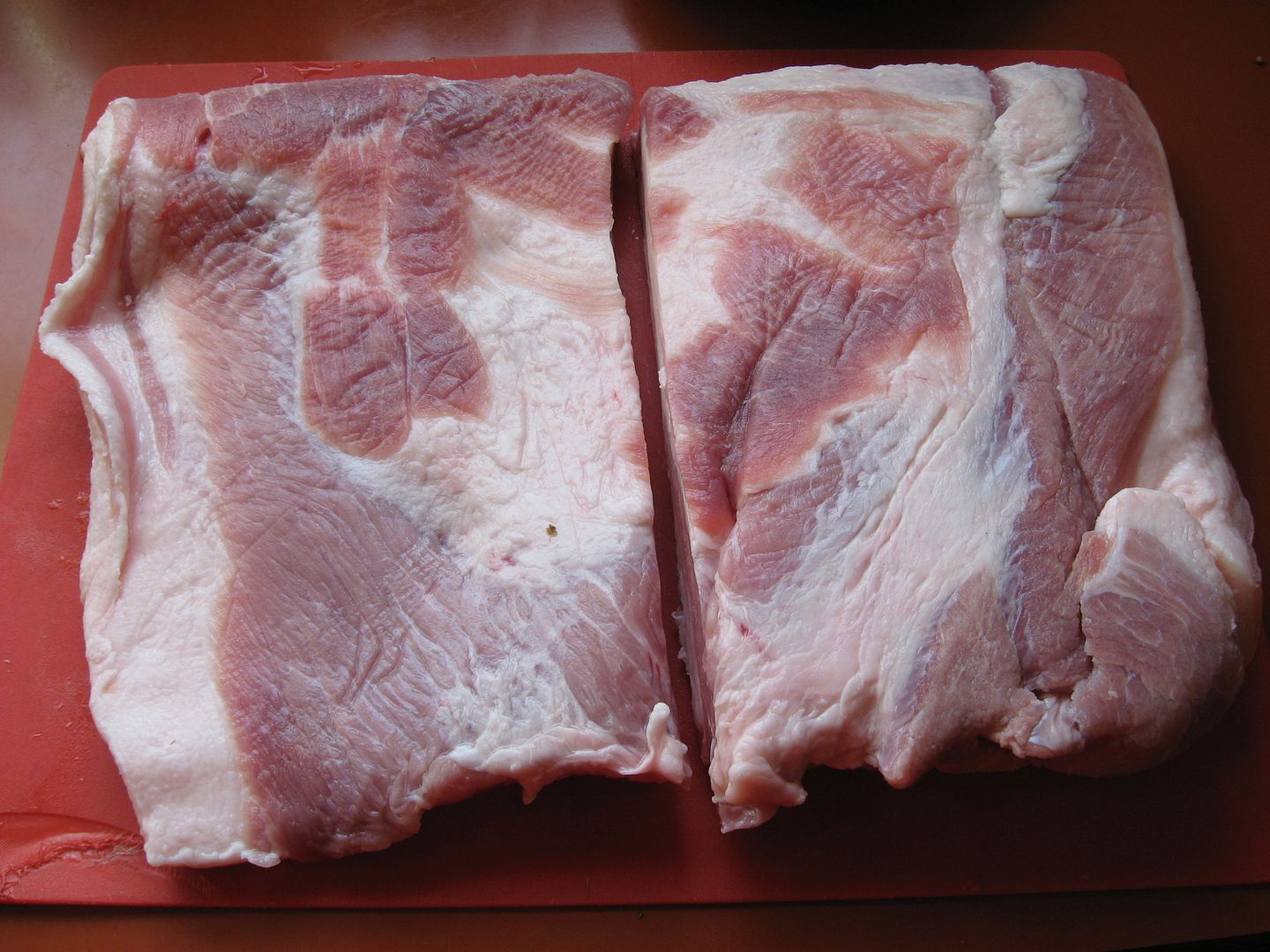
Our first batch was made straight from Ruhlman’s recipe. It turned out great, but it wasn’t exactly what I want in my perfect bacon. Having no doubt that experimentation is almost always a good thing, we analyzed the results and decided that Ruhlman’s would be, for us, perfect lunch and dinner bacon, but not breakfast. We found Michael’s recipe a touch salty, even when we’d carefully weighed the pork belly and salt; further, we felt that while the bay leaf, nutmeg, garlic and thyme in that recipe added glorious floral notes perfect for lardons, and stellar for carbonara, it was a bit much for our breakfast palate, so we set out to build our perfect breakfast bacon.
While one needs to stick pretty closely to the 1.5:1 salt to curing salt ratio for proper bacon, you have relative freedom with the other ingredients, so we revamped with our chosen notes, less salt, more sugar, Grains of Paradise for that unique pepper note we love, brown mustard seed for the tang, and a little smoke.
The results were spot on, and we’re happy campers!
2.5 pounds Pork Belly
1/4 Cup Dark Brown Sugar or real Maple Syrup
1 Ounces Flaked Salt
1.5 teaspoons Pink Curing Salt, (Sodium Nitrite)
2 Tablespoons Grains of Paradise, coarsely ground
2 teaspoons Brown Mustard seed, coarsely
1 teaspoon Smoke Powder
Mix all dry rub ingredients except the smoke powder together in a bowl.
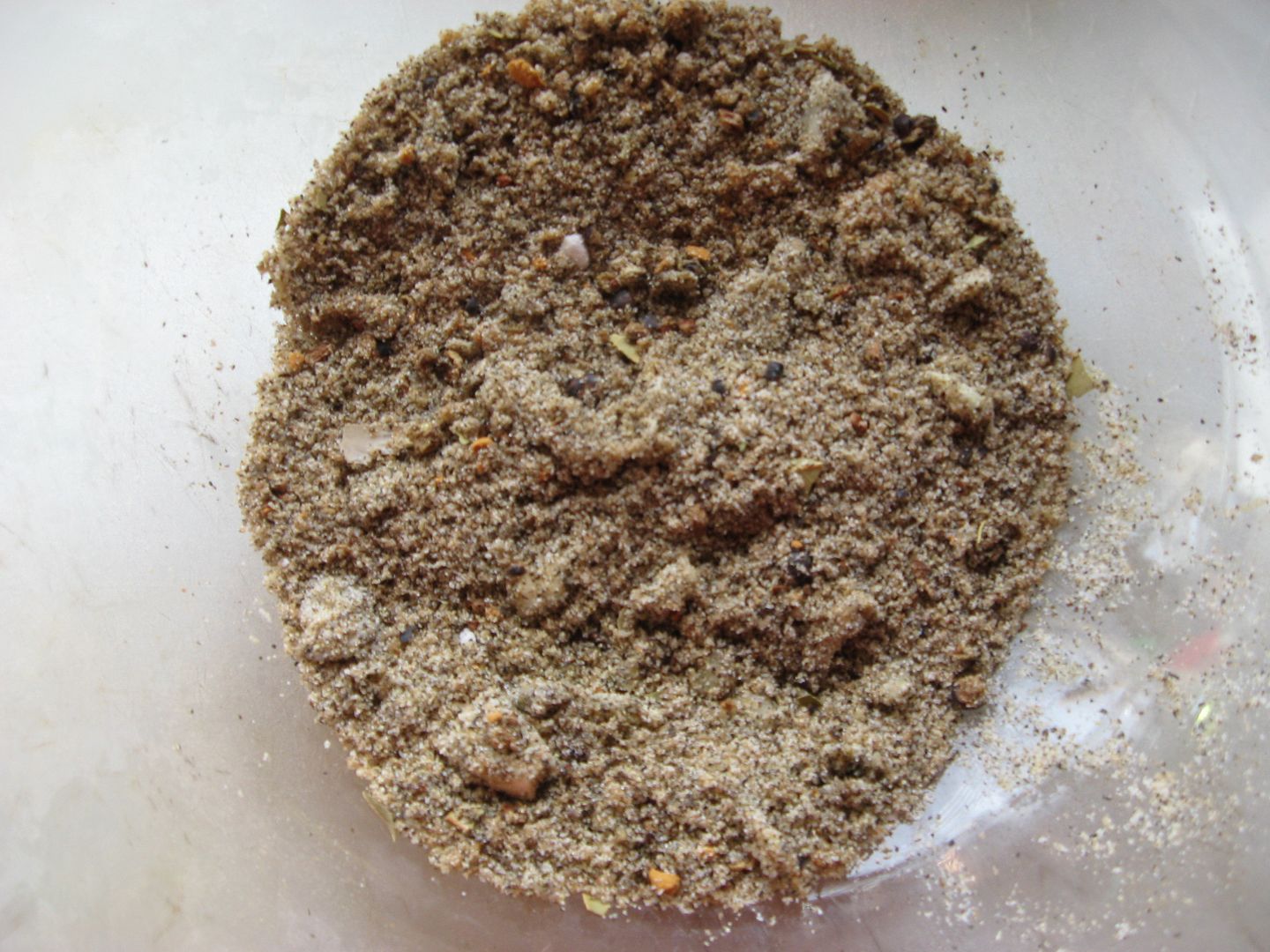
Set your belly on a baking dish or sheet tray.
Rub the cure onto and well into all surfaces of the belly. Take your time and work it right in there evenly and completely.
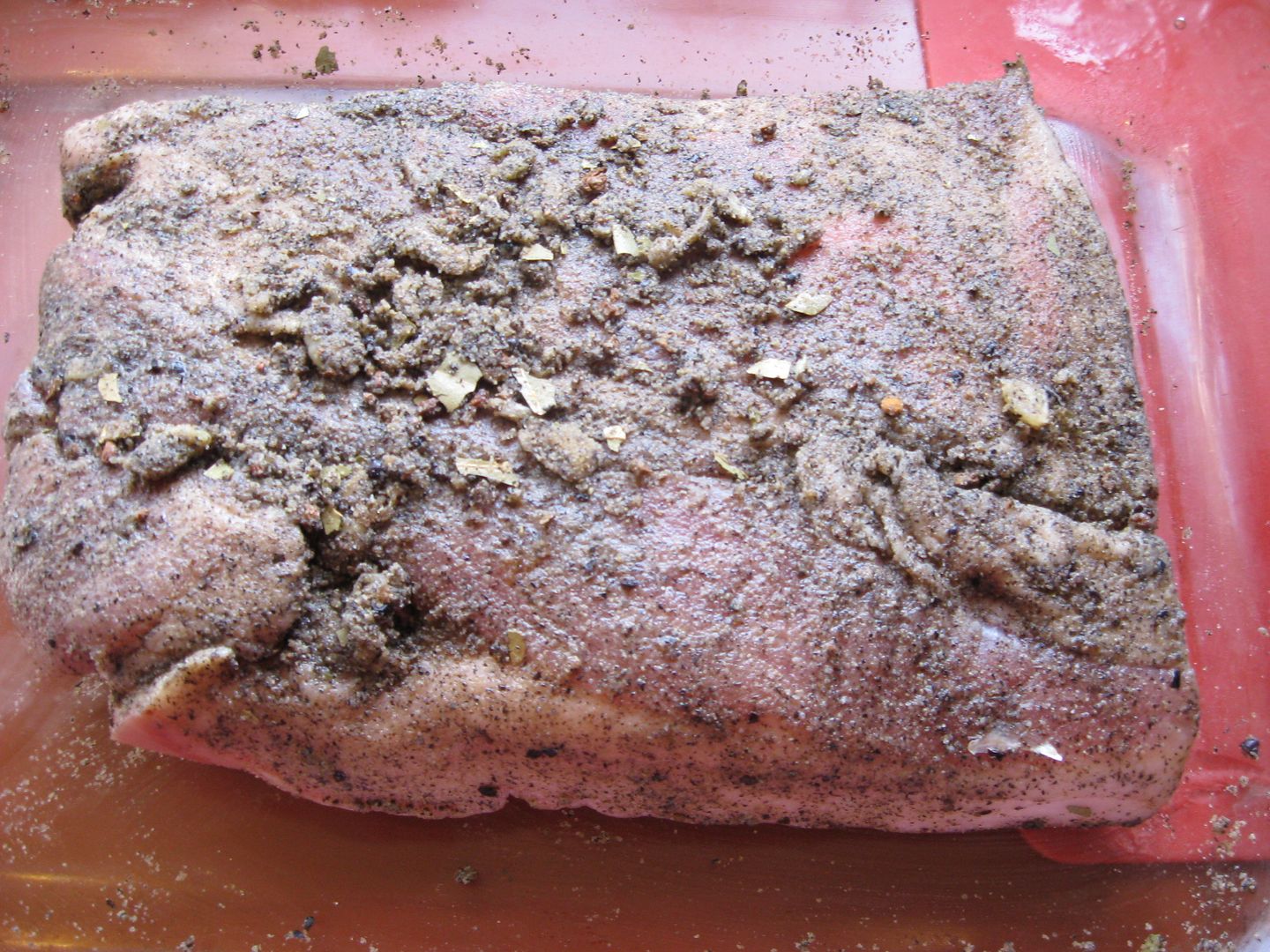
Place your belly into 1 a gallon Ziplock bag, press the excess air out, and set it in the back of your fridge for 3 days.
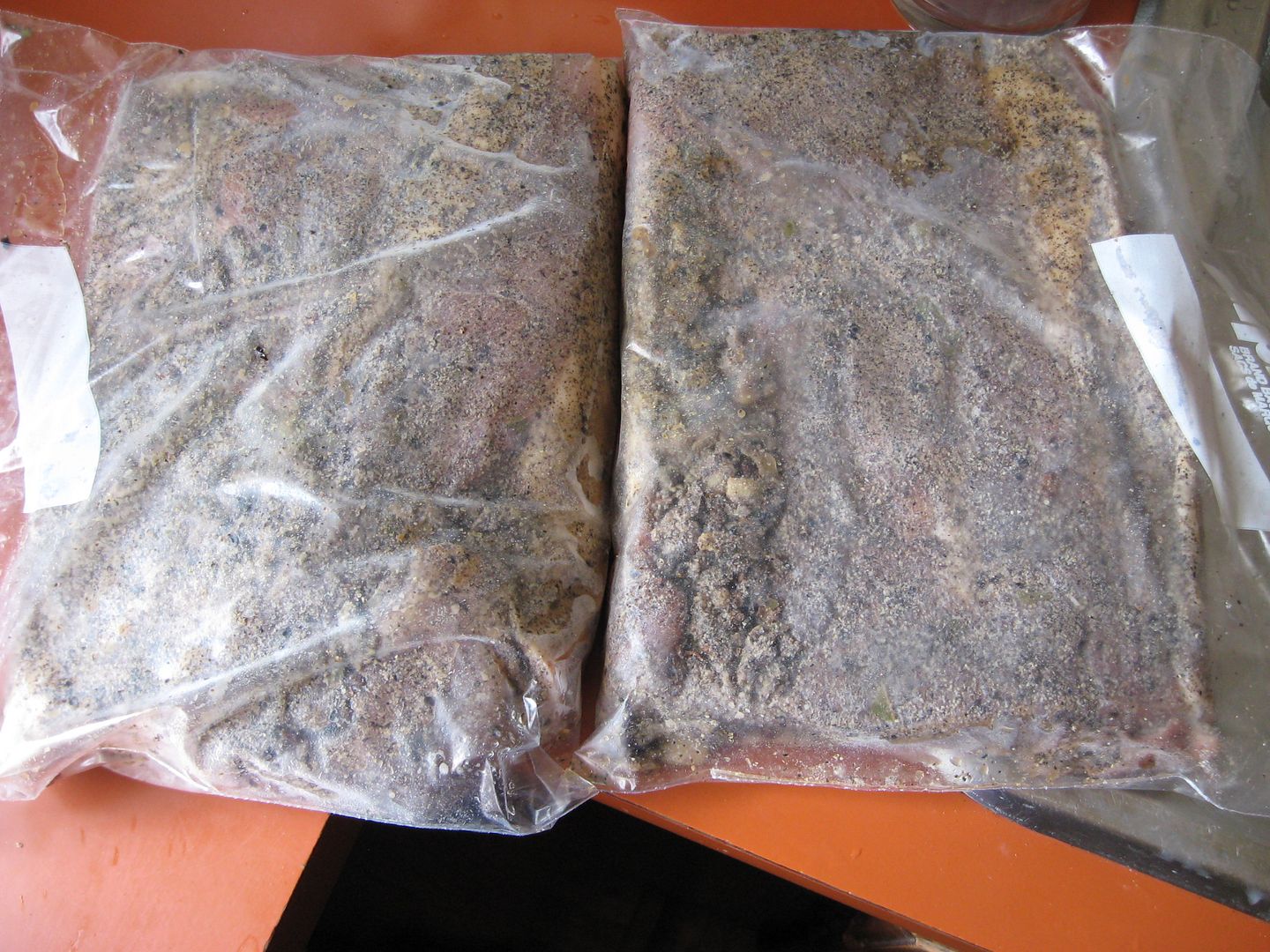
On day 4, pull out your belly and rub everything back into the flesh again. Set ‘er back into the fridge for another 3 days.
And on the 7th day, there be bacon…
Pull your belly outta the bag, rinse your sink well and then stick the belly under nice, cold running water and rinse all the cure off, giving it a good rub as you do.
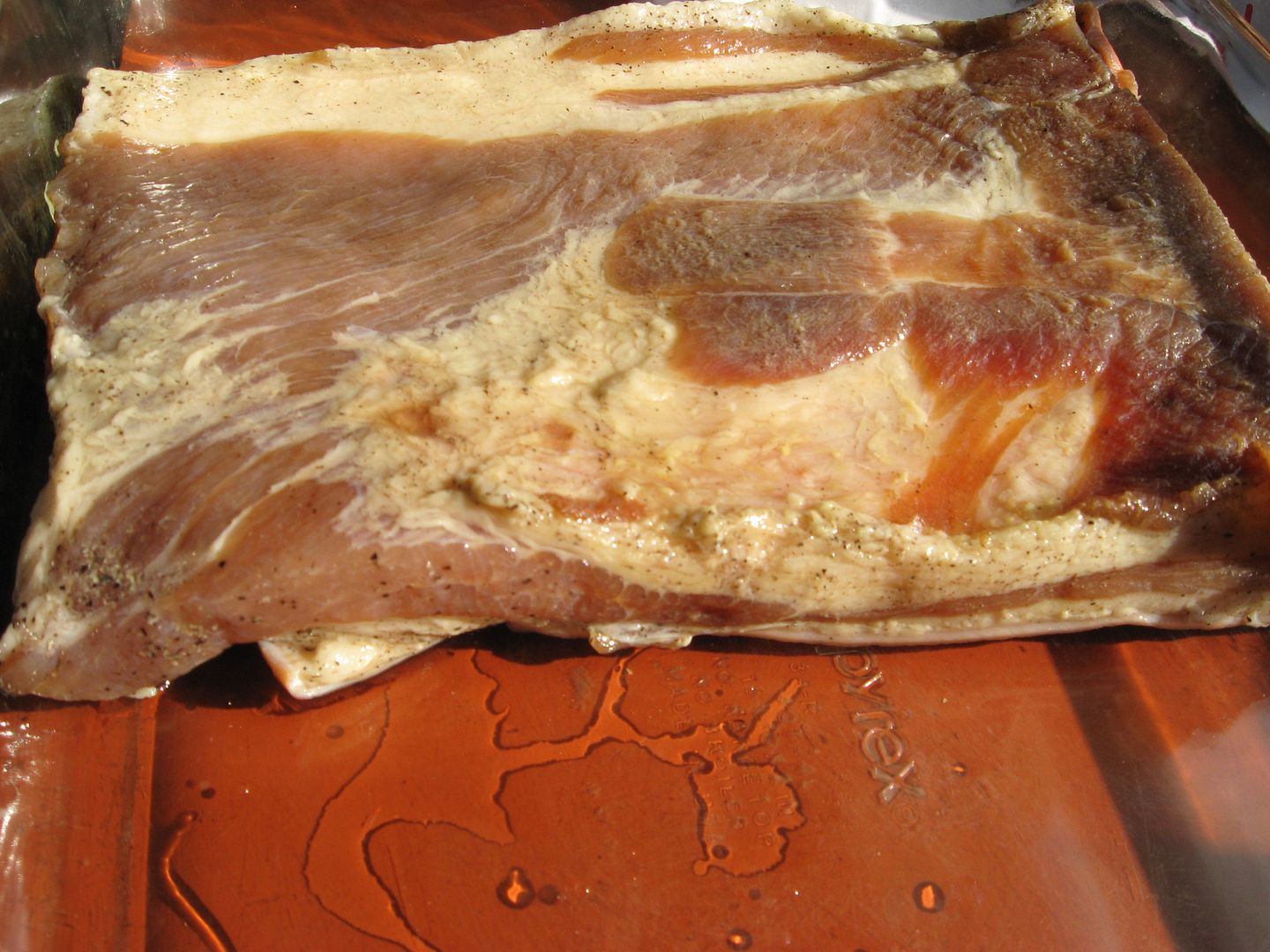
Preheat oven to 200 F.
Pat your belly dry with paper towels and set into a glass baking dish or a sheet pan.
Rub the smoke powder evenly and thoroughly into your belly.
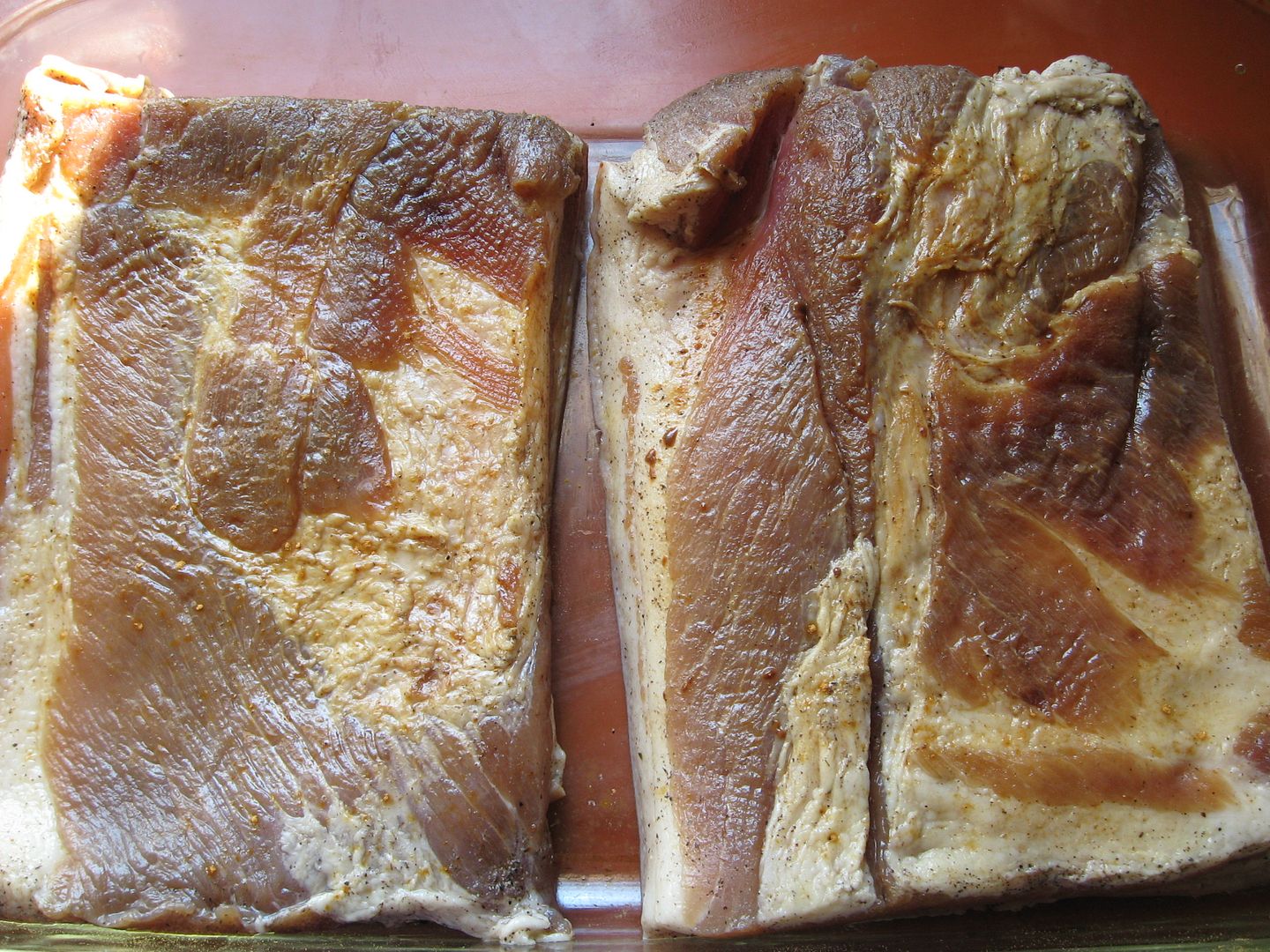
Roast for 90 minutes, or until your internal temp reaches 150 F.
Remove from oven, allow to cool, and then repackage in a ziplock in the fridge. It’ll last as long as store bought, or maybe a bit less, since it has less bullshit stuff in it; anyway, I’d bet that after you try it, lasting long won’t be an issue…
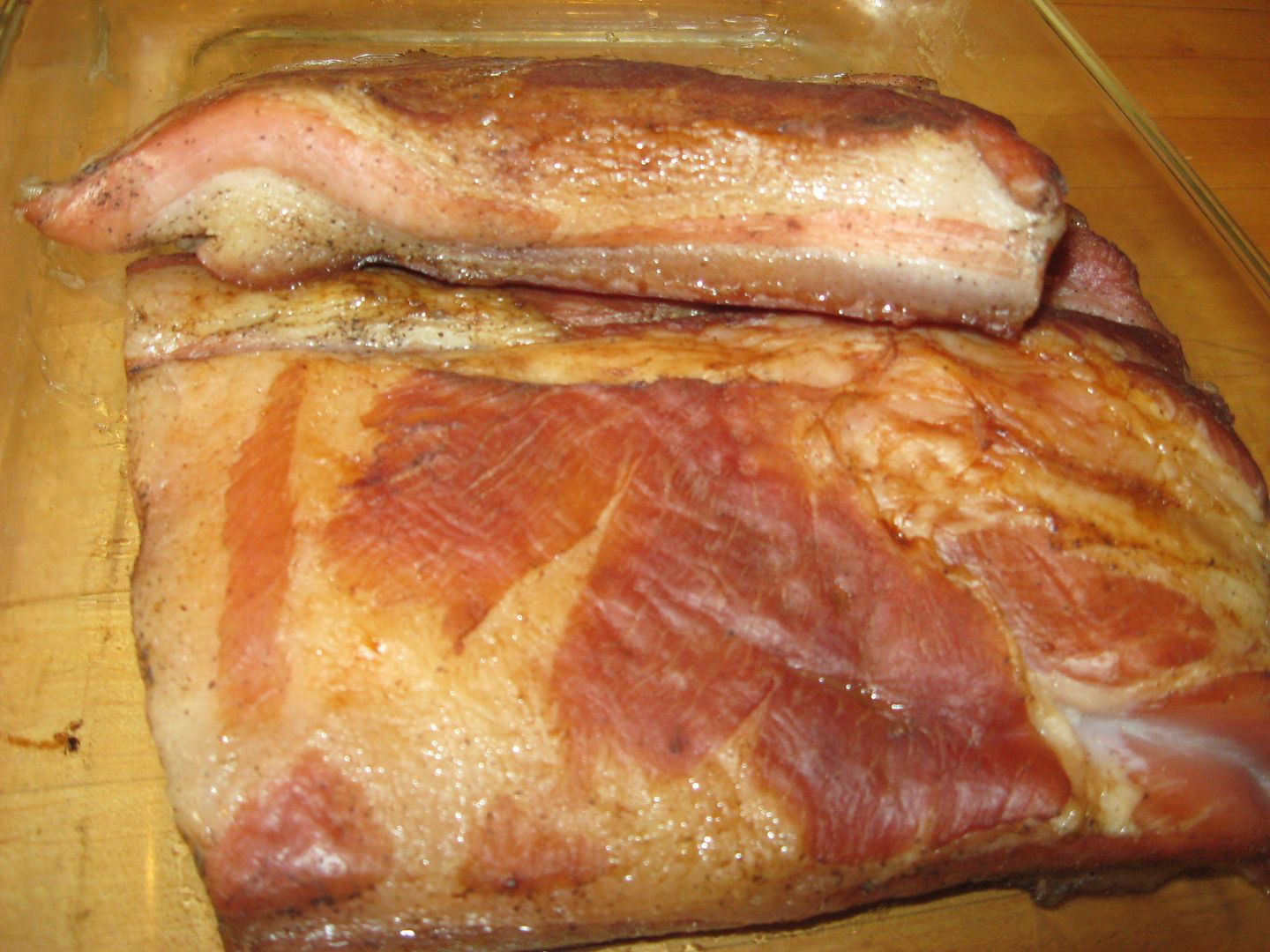
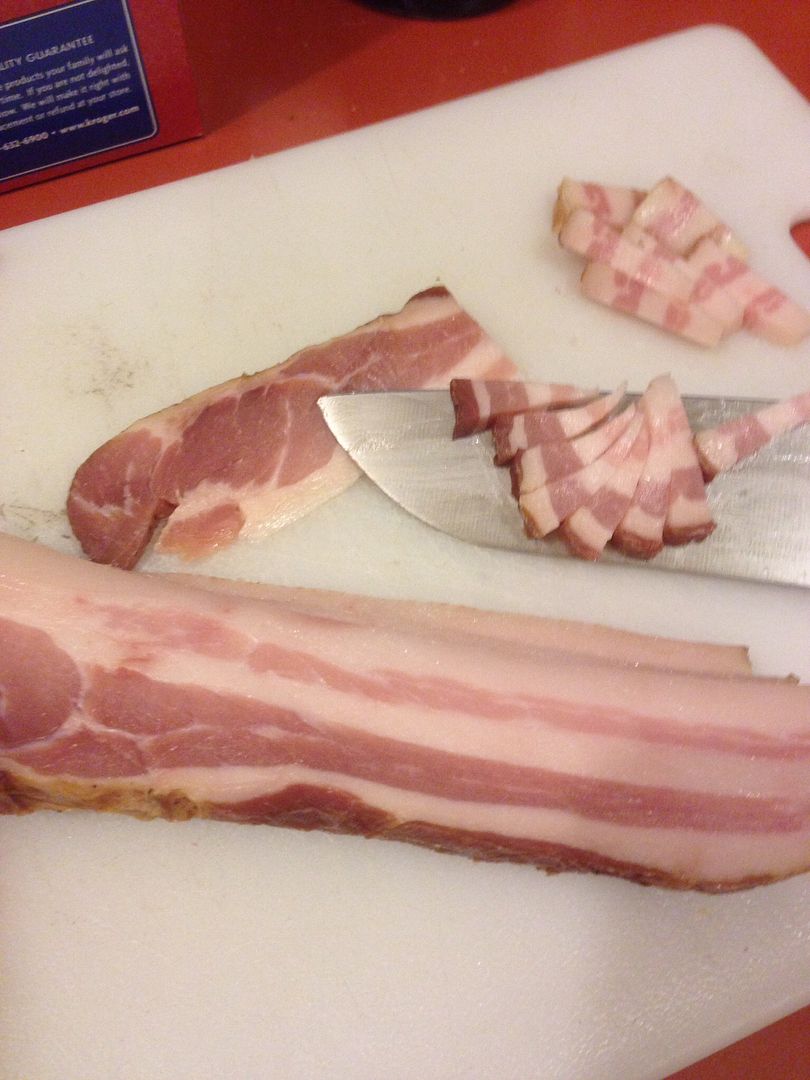
You can freeze bacon, but not for more than about a month. If you do freeze it, you’ll want all the air you can out of the bag so, again, vacuum sealing is best.
You can also sub Honey or Agave Nectar for the sugar and get some pretty nice flavor variations. Our family also likes peppered bacon, and for that we’ll layer on a bit of olive oil and ground, black pepper for the roast.
Big thanks to Michael Ruhlman for a wonderful charcuterie book, and for encouraging experimentation. Now it’s your turn, and make sure you try his recipe, because it rocks and it just might be your all-around fave!
Enjoy!

 UrbanMonique