Blog

Caffea Domus


Are you a coffee snob? Would you know it if you were? I live in the northwest corner of Washington State, an area rife with perceived snobbery; fact is, few really are and here's why. They don't roast, store, grind, or brew coffee properly. Today, we're going to wade through all that, so grab a hot cuppa, and have a sit. First off, let's get something straight. For the record, Starbucks sucks; they're the WalMart of coffee. They have always over-roasted their dark stuff, (burned, actually), their light roasts are anemic, and as the company responsible for single handedly turning coffee into a carton of generic neapolitan ice milk, they've Disney-fied a beautiful thing and put a boatload of local coffee houses out of business. I lived across the street from their first store, back when Seattle had billboards up imploring the last person out of town to turn off the lights. That place had 90% tea and one little corner of coffee. The tea was fabulous, with several grades of truly amazing jasmine. Frankly, they should have stuck to that. I can't think of anything else to say about them just now, so let's move on…

In our home town, there are four roasters that I know of, supplying locals and many restaurants with great, fresh beans. That's good, and a First Degree Coffee Snob is buying those local beans on a regular basis, which is as it should be. I would too if I didn't love roasting my own, for that is the hallmark of a Second Degree Coffee Snob; one who knows from first hand experience that 'fresh' coffee means coffee roasted within the last 3 or 4 days, tops. If you're going to be a snob, be all you can be. Back before WWII, almost everybody roasted their own coffee at home. The drive to keep GIs in coffee needed something to do after the war ended, so the industry turned its jaded eye on the American public. A couple decades later, very few folks knew how to roast at home, and that's a sad thing. It's high time to reverse that trend.

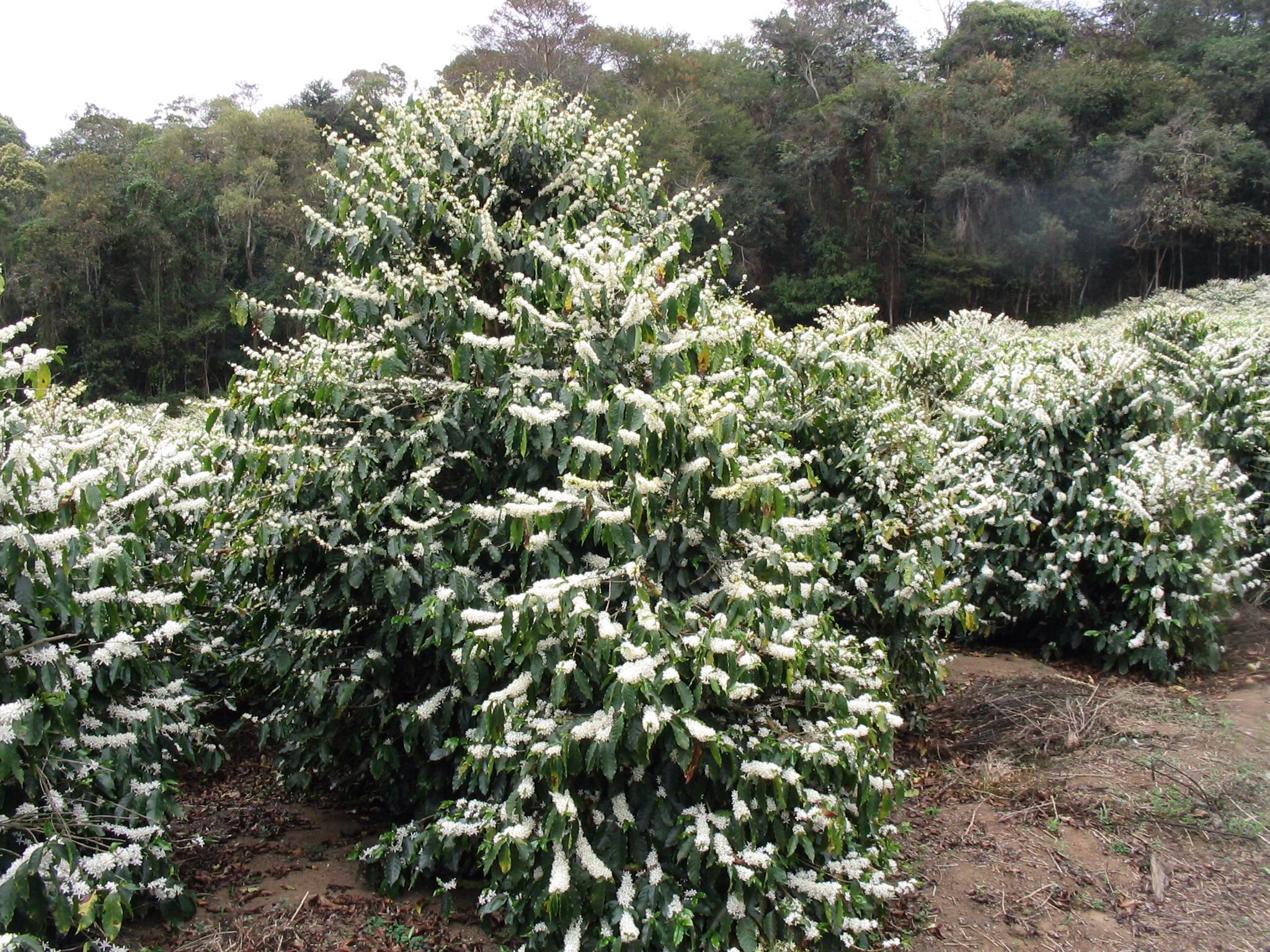
First, a bit of back story. Coffee derives from the roasted or baked seeds of an evergreen shrub found within the genus coffea, the most prominent variants being coffeas arabica and robusta. The plant is native to parts of Africa and the Middle East, where documented cultivation stretches back to the Sixteenth Century. Nowadays, it's cultivated in some seventy countries worldwide, and is arguably the world's most popular beverage. Of those two most common variants, Arabica is generally recognized as producing better coffee, that is, coffee with unique aroma, taste, and mouth feel. Robusta is used, frankly, because it's somewhat more disease resistant and produces higher yields. That said, just as jug wine is not often the best option on the shelf, neither is robusta coffee.

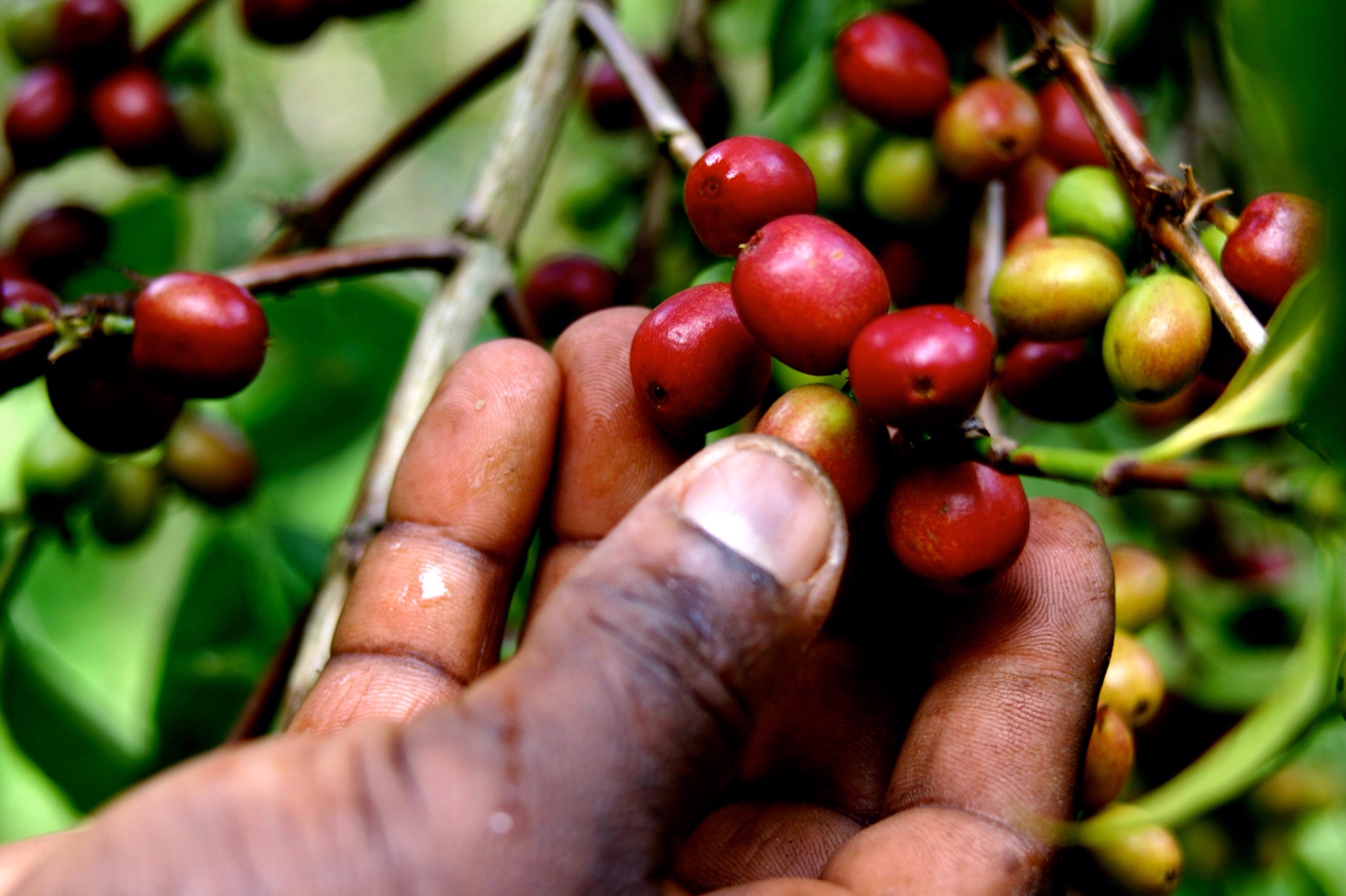
The plant yields reddish berries that contain hard seeds within a thin fleshy layer. The berries, (AKA cherries), are edible; they taste like watermelon, or maybe rose water, but there's precious little to taste. Traditionally, coffee was a shade grown crop, planted among other species that provided a canopy, helped fix nitrogen in the soil, and made for fine habit for forest creatures. The drive for more bucks per crop has lead to full-sun monoculture cultivation, which in turn has lead to greater use of pesticides and herbicides, as well as significantly more water waste and contamination. Thankfully, there are still a few growers that practice traditional shade growing, and they deserve your consideration.

Throughout most of its cultivated history, coffee berries were picked at the peak of ripeness, by hand. For many high-end coffee producers today, hand picking is still the rule, but the majority of modern growers employ strip picking, wherein humans or machines literally strip every berry off the plant at one time, regardless of the degree of ripeness. It goes without saying that coffees made from such methods leave much to be desired. The sad fact is that the vast majority of coffee drinkers don't notice a lack of quality, and as such, that's exactly how it's done. If you truly like coffee with unique, notable tastes, aromas and mouth feel, it's safe to say that you're not drinking strip picked, monoculture robusta each morning.

After picking, green coffee is processed to remove the berry and other plant materials from the beans, (seeds). This is done either by various styles of air and sun drying, or via a 'wet method', wherein fermentation is employed, which some believe to yield a milder coffee. While arguably the preferred process for certain kinds of beans, wet fermentation also happens to be the cheapest, most profitable process. As high-end coffee has gained traction, more producers are employing dry processing, resulting in less wasted water; this is a good thing, FYI. Shade grown, hand picked, dry processed coffees can be found via reputable sellers, and you should seek them out. The end result of drying coffee beans is the reduction of moisture content to a level viable for storage and transport; from roughly 50% when picked to somewhere around 10% fully dried.

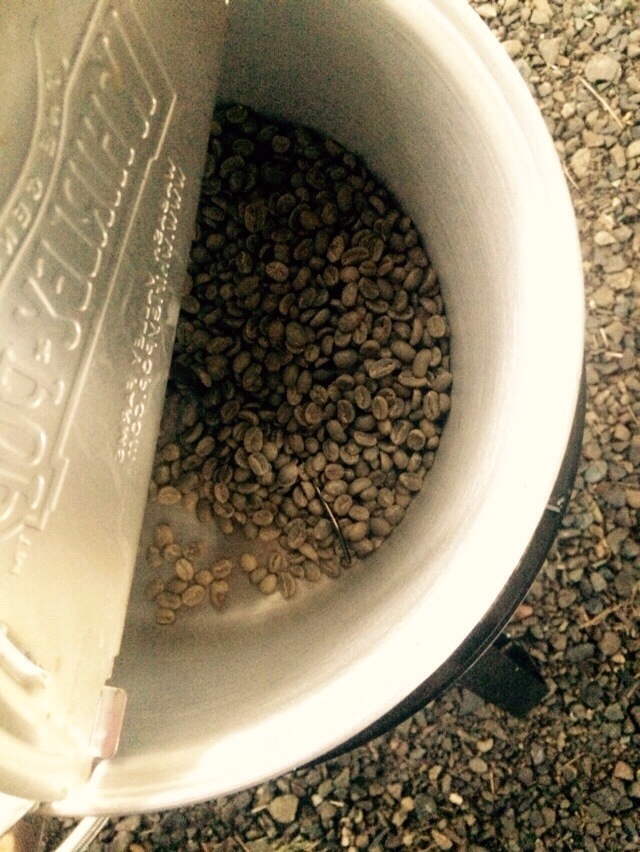
Now we have green coffee beans ready to be graded and sorted. Back when, this is the form that most coffee traveled in, a green bean ready for roasting. The advent of coffee 'ready to brew' has largely changed that, and today the majority of beans are roasted before they're shipped. Fortunately for us, a resurgence in home roasting is underway, and green beans of admirable quality are abundant. Additionally, social conscience has reached the coffee world, and you can find not only green beans, but fair trade beans, which assures that growers receive a much needed reasonable share of the pie. Buying from a reputable dealer like Sweet Maria's assures high quality, fresh beans, and a wealth of information about the growers, processing, and best roasts for a given bean: I am not, by the way, paid by or endorsing Sweet Maria's as The Source for green beans, etc. they are who I use and like. You're welcome to try them or find others as you see fit.
Speaking of roasting, you may wonder if this really is a practical option for your kitchen. The answer is that roasting can be as simple or complex as you wish to make it. For hundreds of years, it's been done with very simple equipment, and it still can be. You can roast in a cast iron pan on a stove top if you like. The process does generate some smoke, so it helps to have a good range hood; consider an outdoor option if you don't. For the record, I don't have a range hood at all, so I roast using a Whirly Pop popcorn popper over a single propane burner, outside, which I find quite enjoyable, (I also employ a comal as a heat-sink/defuser). There is a broad range of home roasters available, from my $20 popper to $300 fully automated machines. Whirly Pop poppers are commonly found at garage sales; if while you're out and about you come across an air corn popper with a solid metal base and a decent fan, you'll find those to be perfectly effective roasters for smaller batches.

Roasting isn't hard, but there is certainly some trial and error for rookies. Success requires one to use multiple senses; smell, sound and sight all come in to play in a process that takes somewhere around 20-30 minutes.

Roasting fundamentally changes both the physical and chemical nature of a bean. Physically, they lose weight as moisture is driven out, grow somewhat in volume, and decrease in density, not unlike popping kernels of corn. The structural changes are significant enough that beans make notable noises during critical points in the roast; they 'crack' in two distinct manners and times. Keeping in mind that those coffee berries were sweet, so it follows that the dried beans contain significant sugars, oils and acids within. Roasting will affect all those constituents. Sugars will caramelize and the rigid structure of the bean itself will carbonize to some degree. Like ponderosa pine cones that require fire to germinate, certain oils in a coffee bean require roasting to come to fruition; for instance, caffeol, created when the internal temperature of a bean reaches roughly 390° F, is largely responsible for what we recognize as the flavor and aroma of a great cup o' joe.

Here, in a nutshell, is what happens when coffee roasts.

Roasting at home occurs when the chosen roasting vessel is heated over a medium flame to between 350° F and 400° F, (It helps to have a thermometer integrated into whatever set up you use). Green beans exposed to roasting temperatures first begin to turn yellow, which occurs over the first several minutes of the process and is accompanied by a delightful, grainy scent

At this point, the beans will begin to emit steam as their internal water content starts to vaporizes.

Now, somewhere around 7-10 minutes into the process, beans are turning light brown as their sugars begin to caramelize. You'll now see and smell a bit of smoke mixed with the steam, and the scent becomes more complex, with some hot cereal and baking bread notes. I'm not being a snob here, one really does smell these things…

At this point, 10-13 minutes into the roast, you'll hear what is known as the First Crack. It sounds somewhat like popcorn popping. This is where the real roasting begins. Bean structure is changing as moisture is driven out and oils begin to move to the surface.

First crack typically lasts several minutes. When it is done, (and if you're a light roast lover), your roasting is done. This is what is known as a City Roast.

Continuing for another three to five minutes or so results in darker beans as sugars continue to caramelize. The beans expand and their density drops. Now notably darker than a City Roast, this is a Full City roast.

These lighter roasts are considered more esoteric and flavorful than their darker cousins, as oils are present here that may be driven out or overshadowed by further roasting.

With the advent of Second Crack, we enter the realm of the dark roasts, (which sounds rather Hobbitish), where sugar content is highly caramelized and the presence and flavor of essential oils becomes more pronounced. Full City Plus, Vienna, Italian, and French roasts are all characterized thus. The differences are subtle, and vary for each type and batch of beans. Some varieties just don't do well above a Full City roast, so care must be taken with your choices.

Second Crack is more violent and faster than First Crack. The sound is more like the snap of burning twigs than the pop of corn popping, and that adage is not misplaced. Caramelization, carbonization, oil migration and the last moisture turning to steam can literally blow beans apart. Steam is overtaken by smoke. Bean structure itself becomes relatively brittle. A few snaps of Second Crack yields a Full City Plus roast. Thirty seconds or so more leads to Vienna, another 30 seconds, Italian. Working right up to the end of second crack yields the glistening, unctuous glory of a perfect french Roast, the stuff that M and I dearly love.

Go too far past second crack and you'll end up with charred, tasteless beans, so close attention to sound, smell and appearance is critical when working a roast this dark.

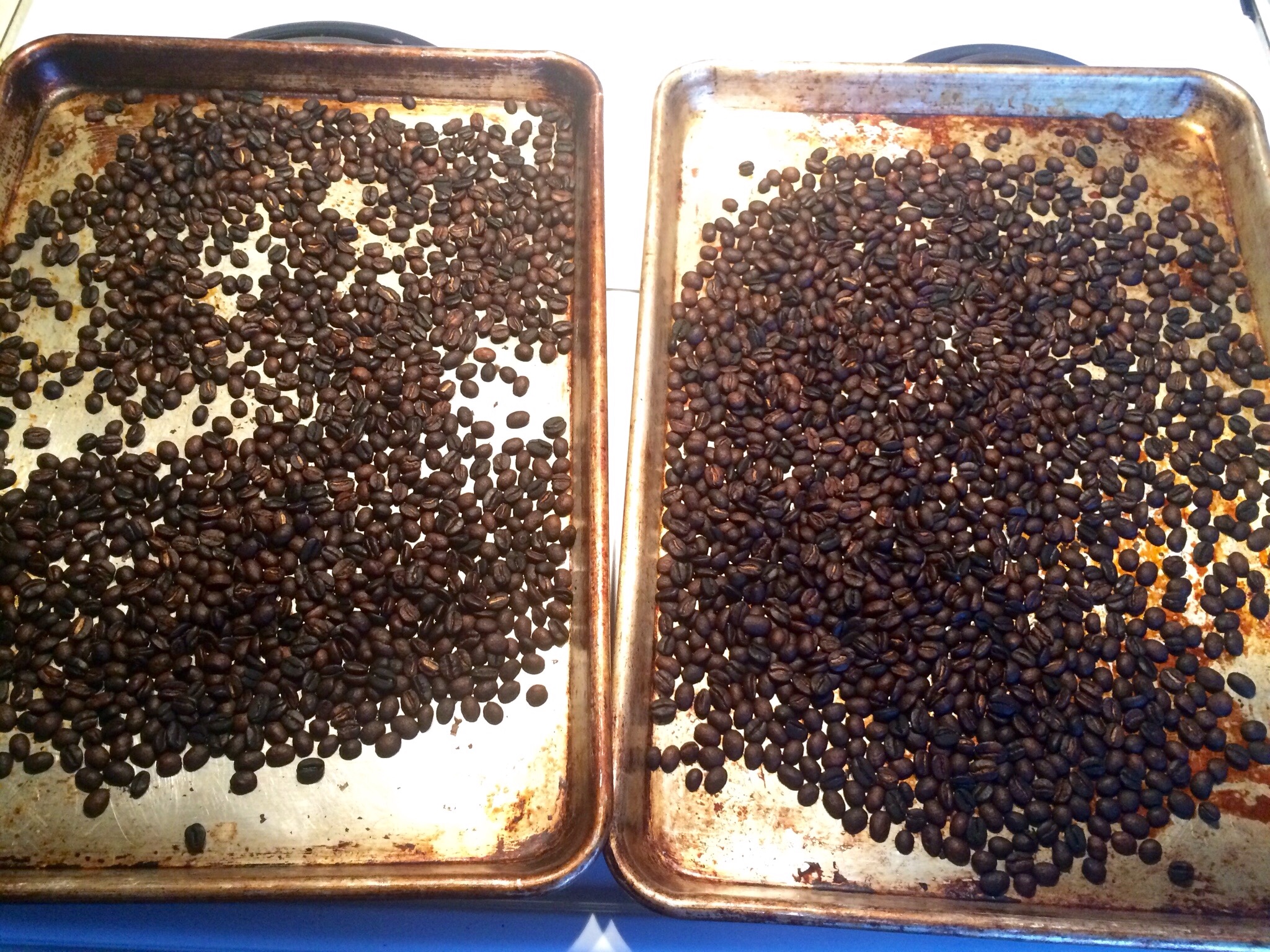
Cooling is as critical a step as the roast itself. Like roasted meats or fowl, coffee beans will continue to roast after removed from heat. You can clearly hear the continuation of first or second crack while your beans are cooling in an aluminum colander or baking sheet, (Aluminum is preferred over steel, as it dissipates heat quickly, while steel tends to store it.) Tossing your beans in a colander allows you to have a good look at your roast. Stop a bit shy of your goal, go to the colander, and you have pinpoint control to allow or curtail roasting right in front of your eyes, nose and ears.

All roasts generate chaff from the skin left on the beans after processing. Chaff will not impart flavor to a brew, and it is easily blown off during cooling.

Spread the beans evenly on an aluminum baking sheet to cool quickly and voila, fresh roasted coffee is yours.
On to proper storage, the test of a Third Degree Coffee Snob. Freshly roasted beans off-gas CO2 for somewhere in the range of 12 to 24 hours; darker roasts tend to take longer. They must be allowed to undergo this process in order to reach their prime. Roasted beans also abhor oxygen, which begins to rob them of their flavor in a matter of hours. An airtight glass, ceramic, or steel container is the solution. Allow your beans to sit in a open mason jar for 24 hours, then seal it tightly. Better yet, allow them 12 hours to off-gas and then put them into a container with a one-way valve that allows off-gassing and prevents air infiltration. Solid containers and heavy gauge plastic bags equipped with such valves are readily available from purveyors like Sweet Maria's. In addition to keeping air out, a good container also excludes moisture, light, and smells from strong natured neighbors, (Garlic Java, anyone?)

Store your beans in a cool, dark place.

How does one achieve the elusive Forth Degree Snob rating? This has to do with grinding, brewing, and drinking, so whether you get your black belt in coffee or not may have as much to do with the dojo you're in as it does your routine, (My Tiger Crane Kung Fu is superior to your Wing Chung Karate…). While all schools agree that coffee beans must be ground, brewed, and drunk, that's about the extent of the friendly consensus. Choices of grinder, brewer, and drinking style vary widely and are fiercely defended. Here is a very basic overview.

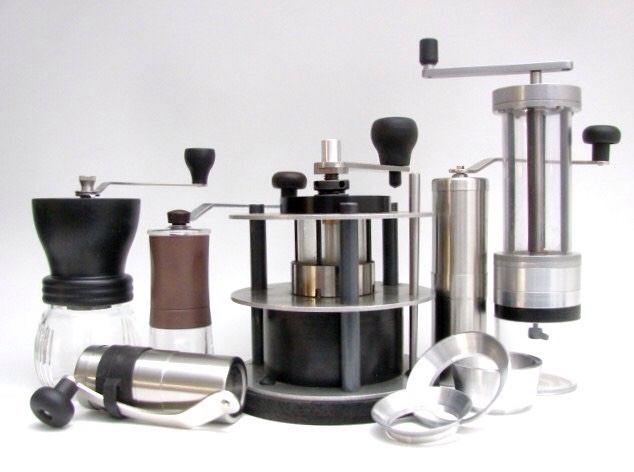
Grinding seems simple, but considering that good, fresh coffee will begin to go stale within ten minutes of grinding, having something that works specifically for your preferred style of brewing is critical. Will you use a hand grinder or an electric version? What kind of electric; spinning blade, conical mill, or espresso? Allow me to remove one of those options, post haste. If like most of us, you drink drip or pressed coffee, a conical burr grinder, manual or electric, is critical to really good coffee. The spinning blade grinders are frankly crap for coffee; they're great for spices, so keep yours for that, but seriously, get a good grinder if coffee is dear to you. Until you've tried fresh beans ground by a good burr grinder, you have no idea what a difference that makes. The best example of why can be discerned from our experience with a new Melitta drip brewer; with coffee ground from a spinning blade machine, the Melitta was horrible, barely dripping, even when the grounds were stirred, which lead to nasty coffee. When we graduated to a conical burr, (A Capresso 560), we got excellent performance from the Melitta with any grind from fine to coarse. This is because the whirling blade quite literally shatters beans, making a profusion of dust and shards of all sizes, with very little if any uniformity; that leads to lousy coffee, from any brewing platform. If you drink espresso and plan to roast your own, you'll need a high quality grinder that can achieve a fine, even grind; there are both power and manual models that will get the job done, (and although espresso snobs will howl when I say it, the relatively inexpensive Capresso does a very decent job for a lot less than most dedicated espresso grinders.)
Brewing is no less of a battlefield: Do you drip, vacuum, or press? Whatever your preferred method, from a chemistry perspective, we're all after the same end; using hot water as a solvent to wash soluble solids out of the ground coffee and into a uniform solution. From a simple drip rig like a Melitta, to techno-marvels costing hundreds or even thousands of dollars, the choices can be somewhat dizzying. Brewing method certainly impacts final product, but the centering truth is that any of these variants will get the job done; brewing correctly is more important than the manner in which it is achieved. If, as we do, you brew with some form of water drip through a paper filter, what you end up with is that desired cup of soluble solids. If you prefer the French press, vacuum, or espresso, you're opting for the addition of some insoluble solids into your cuppa as well. This is why a pressed cup often tastes a bit thicker towards the bottom, and may actually be a bit gritty at last sip. That's not a bad thing, as it can add body or mouth feel, although too much can make a cup bitter. It's a matter of personal taste, as it should be.

Regardless of method, there are some basic brewing tenets that must be adhered to.

The ratio of coffee to water matters. Like all things professional in cooking, professionals weigh their coffee and even their water at least once to determine proper baseline, so that proper ratio can be duplicated. For most of us, 20% soluble solids extracted from the ground coffee is what we're after. Play with your go-to method and see where you stand.

Grind matters, somewhat. If you use a drip system, there's a fairly wide margin of error for the best grind, so it is worth experimenting with your rig to determine the sweet spot. While it stands to reason that a finer grind exposes more bean to water, that's not always what we're after, so again, some experimentation is called for. Most coffee drinkers know by trial and error about using the right amount of ground coffee; too little yields a notable insipid result, and too much does not mean better. In all variations on the theme, a uniform grind is desirable. Finally, if you use an electric grinder, do not simply stuff beans in there and let 'er rip. Several sources agreed that a high speed, whirling blade left on for the time required to achieve a viable grind can heat things up and impact flavor, (Remember, be all you can be…). For best results, pulse steadily until you get where you need to be.

Water temperature absolutely matters; 195° F to 205° F is the prime range because, chemically speaking, water is most efficient as a solvent therein.

Contact time matters. Got a Mr. Coffee that flushes that water through your ground in under a minute? If so, you're getting ripped off. 2:30 is the ideal hot water to grounds contact time for almost all drip variants, while French presses want right around 5 minutes. Try this, and see if you don't get a better brew. And you paper filter users, pre-wet your filter in clean, hot water before your next brew; you'll lose less coffee to the filter by doing so.

Agitation counts. That said, if you have a drip system with an enclosed filter basket, pouring hot water over grounds effectively counts as stirring. Stirring does increase the rate of extraction of soluble solids, so if you use an open filter, pour-through rig, try a little stirring and see what it does for you.

Heat under your brewed coffee is an absolute no no. Frankly, anything with a hot plate is not the best thing for your brew. If you brew pots rather than cups, transferring freshly brewed to a thermal carafe is the trick. Coffee over heat is degrading in flavor and quality by the minute, so…

In addition to these basics, obviously the quality of your water, coffee, filters, and the condition of your brewing rig also matters. Use good quality, including your water, and keep everything faultlessly clean. Coffee isn't cheap, so it makes sense to do it right.

Last but not least, there's drinking. Frankly, if you're really a snob, a Fifth Degree Snob, you don't put anything in your coffee; nada, ever. A quad caramel macchiato isn't coffee, it's a dessert-like abomination with coffee in it. Pouring cream or sugar into a cup of carefully roasted, ground, and brewed single-origin coffee is akin to mixing Mountain Dew with a 42 year old single malt scotch; it's just not done. If you need that stuff, one of two things is going on; either you don't really like coffee, or you're drinking shitty coffee.

Drink your good, carefully prepared coffee neat, right after it's brewed.

Make small batches and enjoy them.

You don't need to genuflect before the offering, slurp loudly, spit into a bucket, or use terms such as 'brightly floral' or 'evanescent'.

Just brew a great cup and enjoy it.

Then, later on, we'll cook with it…


Caffea Domus


Are you a coffee snob? Would you know it if you were? I live in the northwest corner of Washington State, an area rife with perceived snobbery; fact is, few really are and here’s why. They don’t roast, store, grind, or brew coffee properly. Today, we’re going to wade through all that, so grab a hot cuppa, and have a sit. First off, let’s get something straight. For the record, Starbucks sucks; they’re the WalMart of coffee. They have always over-roasted their dark stuff, (burned, actually), their light roasts are anemic, and as the company responsible for single handedly turning coffee into a carton of generic neapolitan ice milk, they’ve Disney-fied a beautiful thing and put a boatload of local coffee houses out of business. I lived across the street from their first store, back when Seattle had billboards up imploring the last person out of town to turn off the lights. That place had 90% tea and one little corner of coffee. The tea was fabulous, with several grades of truly amazing jasmine. Frankly, they should have stuck to that. I can’t think of anything else to say about them just now, so let’s move on…

In our home town, there are four roasters that I know of, supplying locals and many restaurants with great, fresh beans. That’s good, and a First Degree Coffee Snob is buying those local beans on a regular basis, which is as it should be. I would too if I didn’t love roasting my own, for that is the hallmark of a Second Degree Coffee Snob; one who knows from first hand experience that ‘fresh’ coffee means coffee roasted within the last 3 or 4 days, tops. If you’re going to be a snob, be all you can be. Back before WWII, almost everybody roasted their own coffee at home. The drive to keep GIs in coffee needed something to do after the war ended, so the industry turned its jaded eye on the American public. A couple decades later, very few folks knew how to roast at home, and that’s a sad thing. It’s high time to reverse that trend.

First, a bit of back story. Coffee derives from the roasted or baked seeds of an evergreen shrub found within the genus coffea, the most prominent variants being coffeas arabica and robusta. The plant is native to parts of Africa and the Middle East, where documented cultivation stretches back to the Sixteenth Century. Nowadays, it’s cultivated in some seventy countries worldwide, and is arguably the world’s most popular beverage. Of those two most common variants, Arabica is generally recognized as producing better coffee, that is, coffee with unique aroma, taste, and mouth feel. Robusta is used, frankly, because it’s somewhat more disease resistant and produces higher yields. That said, just as jug wine is not often the best option on the shelf, neither is robusta coffee.

The plant yields reddish berries that contain hard seeds within a thin fleshy layer. The berries, (AKA cherries), are edible; they taste like watermelon, or maybe rose water, but there’s precious little to taste. Traditionally, coffee was a shade grown crop, planted among other species that provided a canopy, helped fix nitrogen in the soil, and made for fine habit for forest creatures. The drive for more bucks per crop has lead to full-sun monoculture cultivation, which in turn has lead to greater use of pesticides and herbicides, as well as significantly more water waste and contamination. Thankfully, there are still a few growers that practice traditional shade growing, and they deserve your consideration.

Throughout most of its cultivated history, coffee berries were picked at the peak of ripeness, by hand. For many high-end coffee producers today, hand picking is still the rule, but the majority of modern growers employ strip picking, wherein humans or machines literally strip every berry off the plant at one time, regardless of the degree of ripeness. It goes without saying that coffees made from such methods leave much to be desired. The sad fact is that the vast majority of coffee drinkers don’t notice a lack of quality, and as such, that’s exactly how it’s done. If you truly like coffee with unique, notable tastes, aromas and mouth feel, it’s safe to say that you’re not drinking strip picked, monoculture robusta each morning.

After picking, green coffee is processed to remove the berry and other plant materials from the beans, (seeds). This is done either by various styles of air and sun drying, or via a ‘wet method’, wherein fermentation is employed, which some believe to yield a milder coffee. While arguably the preferred process for certain kinds of beans, wet fermentation also happens to be the cheapest, most profitable process. As high-end coffee has gained traction, more producers are employing dry processing, resulting in less wasted water; this is a good thing, FYI. Shade grown, hand picked, dry processed coffees can be found via reputable sellers, and you should seek them out. The end result of drying coffee beans is the reduction of moisture content to a level viable for storage and transport; from roughly 50% when picked to somewhere around 10% fully dried.

Now we have green coffee beans ready to be graded and sorted. Back when, this is the form that most coffee traveled in, a green bean ready for roasting. The advent of coffee ‘ready to brew’ has largely changed that, and today the majority of beans are roasted before they’re shipped. Fortunately for us, a resurgence in home roasting is underway, and green beans of admirable quality are abundant. Additionally, social conscience has reached the coffee world, and you can find not only green beans, but fair trade beans, which assures that growers receive a much needed reasonable share of the pie. Buying from a reputable dealer like Sweet Maria’s assures high quality, fresh beans, and a wealth of information about the growers, processing, and best roasts for a given bean: I am not, by the way, paid by or endorsing Sweet Maria’s as The Source for green beans, etc. they are who I use and like. You’re welcome to try them or find others as you see fit.
Speaking of roasting, you may wonder if this really is a practical option for your kitchen. The answer is that roasting can be as simple or complex as you wish to make it. For hundreds of years, it’s been done with very simple equipment, and it still can be. You can roast in a cast iron pan on a stove top if you like. The process does generate some smoke, so it helps to have a good range hood; consider an outdoor option if you don’t. For the record, I don’t have a range hood at all, so I roast using a Whirly Pop popcorn popper over a single propane burner, outside, which I find quite enjoyable, (I also employ a comal as a heat-sink/defuser). There is a broad range of home roasters available, from my $20 popper to $300 fully automated machines. Whirly Pop poppers are commonly found at garage sales; if while you’re out and about you come across an air corn popper with a solid metal base and a decent fan, you’ll find those to be perfectly effective roasters for smaller batches.

Roasting isn’t hard, but there is certainly some trial and error for rookies. Success requires one to use multiple senses; smell, sound and sight all come in to play in a process that takes somewhere around 20-30 minutes.

Roasting fundamentally changes both the physical and chemical nature of a bean. Physically, they lose weight as moisture is driven out, grow somewhat in volume, and decrease in density, not unlike popping kernels of corn. The structural changes are significant enough that beans make notable noises during critical points in the roast; they ‘crack’ in two distinct manners and times. Keeping in mind that those coffee berries were sweet, so it follows that the dried beans contain significant sugars, oils and acids within. Roasting will affect all those constituents. Sugars will caramelize and the rigid structure of the bean itself will carbonize to some degree. Like ponderosa pine cones that require fire to germinate, certain oils in a coffee bean require roasting to come to fruition; for instance, caffeol, created when the internal temperature of a bean reaches roughly 390° F, is largely responsible for what we recognize as the flavor and aroma of a great cup o’ joe.

Here, in a nutshell, is what happens when coffee roasts.

Roasting at home occurs when the chosen roasting vessel is heated over a medium flame to between 350° F and 400° F, (It helps to have a thermometer integrated into whatever set up you use). Green beans exposed to roasting temperatures first begin to turn yellow, which occurs over the first several minutes of the process and is accompanied by a delightful, grainy scent

At this point, the beans will begin to emit steam as their internal water content starts to vaporizes.

Now, somewhere around 7-10 minutes into the process, beans are turning light brown as their sugars begin to caramelize. You’ll now see and smell a bit of smoke mixed with the steam, and the scent becomes more complex, with some hot cereal and baking bread notes. I’m not being a snob here, one really does smell these things…

At this point, 10-13 minutes into the roast, you’ll hear what is known as the First Crack. It sounds somewhat like popcorn popping. This is where the real roasting begins. Bean structure is changing as moisture is driven out and oils begin to move to the surface.

First crack typically lasts several minutes. When it is done, (and if you’re a light roast lover), your roasting is done. This is what is known as a City Roast.

Continuing for another three to five minutes or so results in darker beans as sugars continue to caramelize. The beans expand and their density drops. Now notably darker than a City Roast, this is a Full City roast.

These lighter roasts are considered more esoteric and flavorful than their darker cousins, as oils are present here that may be driven out or overshadowed by further roasting.

With the advent of Second Crack, we enter the realm of the dark roasts, (which sounds rather Hobbitish), where sugar content is highly caramelized and the presence and flavor of essential oils becomes more pronounced. Full City Plus, Vienna, Italian, and French roasts are all characterized thus. The differences are subtle, and vary for each type and batch of beans. Some varieties just don’t do well above a Full City roast, so care must be taken with your choices.

Second Crack is more violent and faster than First Crack. The sound is more like the snap of burning twigs than the pop of corn popping, and that adage is not misplaced. Caramelization, carbonization, oil migration and the last moisture turning to steam can literally blow beans apart. Steam is overtaken by smoke. Bean structure itself becomes relatively brittle. A few snaps of Second Crack yields a Full City Plus roast. Thirty seconds or so more leads to Vienna, another 30 seconds, Italian. Working right up to the end of second crack yields the glistening, unctuous glory of a perfect french Roast, the stuff that M and I dearly love.

Go too far past second crack and you’ll end up with charred, tasteless beans, so close attention to sound, smell and appearance is critical when working a roast this dark.

Cooling is as critical a step as the roast itself. Like roasted meats or fowl, coffee beans will continue to roast after removed from heat. You can clearly hear the continuation of first or second crack while your beans are cooling in an aluminum colander or baking sheet, (Aluminum is preferred over steel, as it dissipates heat quickly, while steel tends to store it.) Tossing your beans in a colander allows you to have a good look at your roast. Stop a bit shy of your goal, go to the colander, and you have pinpoint control to allow or curtail roasting right in front of your eyes, nose and ears.

All roasts generate chaff from the skin left on the beans after processing. Chaff will not impart flavor to a brew, and it is easily blown off during cooling.

Spread the beans evenly on an aluminum baking sheet to cool quickly and voila, fresh roasted coffee is yours.
On to proper storage, the test of a Third Degree Coffee Snob. Freshly roasted beans off-gas CO2 for somewhere in the range of 12 to 24 hours; darker roasts tend to take longer. They must be allowed to undergo this process in order to reach their prime. Roasted beans also abhor oxygen, which begins to rob them of their flavor in a matter of hours. An airtight glass, ceramic, or steel container is the solution. Allow your beans to sit in a open mason jar for 24 hours, then seal it tightly. Better yet, allow them 12 hours to off-gas and then put them into a container with a one-way valve that allows off-gassing and prevents air infiltration. Solid containers and heavy gauge plastic bags equipped with such valves are readily available from purveyors like Sweet Maria’s. In addition to keeping air out, a good container also excludes moisture, light, and smells from strong natured neighbors, (Garlic Java, anyone?)

Store your beans in a cool, dark place.

How does one achieve the elusive Forth Degree Snob rating? This has to do with grinding, brewing, and drinking, so whether you get your black belt in coffee or not may have as much to do with the dojo you’re in as it does your routine, (My Tiger Crane Kung Fu is superior to your Wing Chung Karate…). While all schools agree that coffee beans must be ground, brewed, and drunk, that’s about the extent of the friendly consensus. Choices of grinder, brewer, and drinking style vary widely and are fiercely defended. Here is a very basic overview.

Grinding seems simple, but considering that good, fresh coffee will begin to go stale within ten minutes of grinding, having something that works specifically for your preferred style of brewing is critical. Will you use a hand grinder or an electric version? What kind of electric; spinning blade, conical mill, or espresso? Allow me to remove one of those options, post haste. If like most of us, you drink drip or pressed coffee, a conical burr grinder, manual or electric, is critical to really good coffee. The spinning blade grinders are frankly crap for coffee; they’re great for spices, so keep yours for that, but seriously, get a good grinder if coffee is dear to you. Until you’ve tried fresh beans ground by a good burr grinder, you have no idea what a difference that makes. The best example of why can be discerned from our experience with a new Melitta drip brewer; with coffee ground from a spinning blade machine, the Melitta was horrible, barely dripping, even when the grounds were stirred, which lead to nasty coffee. When we graduated to a conical burr, (A Capresso 560), we got excellent performance from the Melitta with any grind from fine to coarse. This is because the whirling blade quite literally shatters beans, making a profusion of dust and shards of all sizes, with very little if any uniformity; that leads to lousy coffee, from any brewing platform. If you drink espresso and plan to roast your own, you’ll need a high quality grinder that can achieve a fine, even grind; there are both power and manual models that will get the job done, (and although espresso snobs will howl when I say it, the relatively inexpensive Capresso does a very decent job for a lot less than most dedicated espresso grinders.)
Brewing is no less of a battlefield: Do you drip, vacuum, or press? Whatever your preferred method, from a chemistry perspective, we’re all after the same end; using hot water as a solvent to wash soluble solids out of the ground coffee and into a uniform solution. From a simple drip rig like a Melitta, to techno-marvels costing hundreds or even thousands of dollars, the choices can be somewhat dizzying. Brewing method certainly impacts final product, but the centering truth is that any of these variants will get the job done; brewing correctly is more important than the manner in which it is achieved. If, as we do, you brew with some form of water drip through a paper filter, what you end up with is that desired cup of soluble solids. If you prefer the French press, vacuum, or espresso, you’re opting for the addition of some insoluble solids into your cuppa as well. This is why a pressed cup often tastes a bit thicker towards the bottom, and may actually be a bit gritty at last sip. That’s not a bad thing, as it can add body or mouth feel, although too much can make a cup bitter. It’s a matter of personal taste, as it should be.

Regardless of method, there are some basic brewing tenets that must be adhered to.

The ratio of coffee to water matters. Like all things professional in cooking, professionals weigh their coffee and even their water at least once to determine proper baseline, so that proper ratio can be duplicated. For most of us, 20% soluble solids extracted from the ground coffee is what we’re after. Play with your go-to method and see where you stand.

Grind matters, somewhat. If you use a drip system, there’s a fairly wide margin of error for the best grind, so it is worth experimenting with your rig to determine the sweet spot. While it stands to reason that a finer grind exposes more bean to water, that’s not always what we’re after, so again, some experimentation is called for. Most coffee drinkers know by trial and error about using the right amount of ground coffee; too little yields a notable insipid result, and too much does not mean better. In all variations on the theme, a uniform grind is desirable. Finally, if you use an electric grinder, do not simply stuff beans in there and let ‘er rip. Several sources agreed that a high speed, whirling blade left on for the time required to achieve a viable grind can heat things up and impact flavor, (Remember, be all you can be…). For best results, pulse steadily until you get where you need to be.

Water temperature absolutely matters; 195° F to 205° F is the prime range because, chemically speaking, water is most efficient as a solvent therein.

Contact time matters. Got a Mr. Coffee that flushes that water through your ground in under a minute? If so, you’re getting ripped off. 2:30 is the ideal hot water to grounds contact time for almost all drip variants, while French presses want right around 5 minutes. Try this, and see if you don’t get a better brew. And you paper filter users, pre-wet your filter in clean, hot water before your next brew; you’ll lose less coffee to the filter by doing so.

Agitation counts. That said, if you have a drip system with an enclosed filter basket, pouring hot water over grounds effectively counts as stirring. Stirring does increase the rate of extraction of soluble solids, so if you use an open filter, pour-through rig, try a little stirring and see what it does for you.

Heat under your brewed coffee is an absolute no no. Frankly, anything with a hot plate is not the best thing for your brew. If you brew pots rather than cups, transferring freshly brewed to a thermal carafe is the trick. Coffee over heat is degrading in flavor and quality by the minute, so…

In addition to these basics, obviously the quality of your water, coffee, filters, and the condition of your brewing rig also matters. Use good quality, including your water, and keep everything faultlessly clean. Coffee isn’t cheap, so it makes sense to do it right.

Last but not least, there’s drinking. Frankly, if you’re really a snob, a Fifth Degree Snob, you don’t put anything in your coffee; nada, ever. A quad caramel macchiato isn’t coffee, it’s a dessert-like abomination with coffee in it. Pouring cream or sugar into a cup of carefully roasted, ground, and brewed single-origin coffee is akin to mixing Mountain Dew with a 42 year old single malt scotch; it’s just not done. If you need that stuff, one of two things is going on; either you don’t really like coffee, or you’re drinking shitty coffee.

Drink your good, carefully prepared coffee neat, right after it’s brewed.

Make small batches and enjoy them.

You don’t need to genuflect before the offering, slurp loudly, spit into a bucket, or use terms such as ‘brightly floral’ or ‘evanescent’.

Just brew a great cup and enjoy it.

Then, later on, we’ll cook with it…

Yorkshire Pudding


Yorkshire pudding is a traditional Christmas treat for us. The rich, decadent taste and texture is belied by the simplicity of the ingredients. The trick is careful preparation. Time, temperature, thorough integration of ingredients, and prompt service are the keys to success. If you’ve ever been subjected to a soggy, tasteless rendition of this delightful dish, there’s been a failure in those executions.

Our recipe comes from an older edition of The Joy of Cooking, from which I learned to make this dish over four decades ago.

Make sure all your ingredients are at room temperature before you begin. Note that the whole process takes a couple of hours due to needed rests and temperature changes for the batter, so plan accordingly. In something this simple, ingredient freshness and quality is paramount; made with Bob’s Red Mill flour, and local eggs, milk, and fat, it’s a far superior dish to one done otherwise. You may double the recipe for a larger batch with good success.

Note that we use milk and water in even proportion. You may use milk only if you wish; that will make for a softer pudding with a somewhat less crisp skin.

1 Cup Unbleached, All Purpose Flour
1/2 teaspoon Sea Salt
1/2 Cup Whole Milk
1/2 Cup Water
2 large Eggs

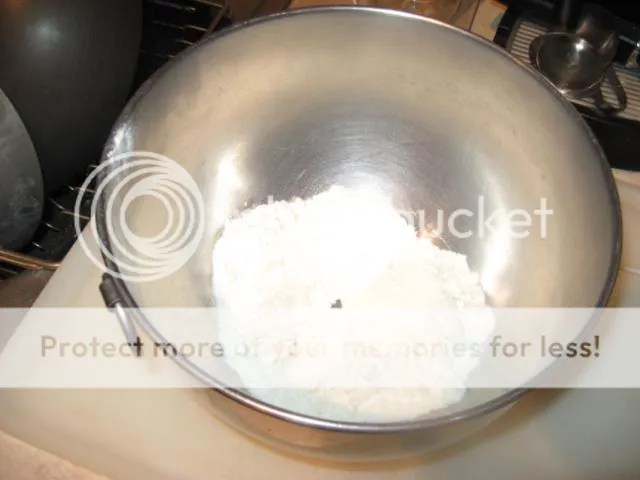
Thoroughly combine the flour and salt in a deep, non-reactive mixing bowl. Make a well in the middle and pour in the water and milk. Whisk briskly to combine until smooth and uniform.

In a separate bowl, add the eggs and whisk with a hand or stick blender until eggs are frothy and several times their initial volume, (you could call this a bit below a soft peak for texture).

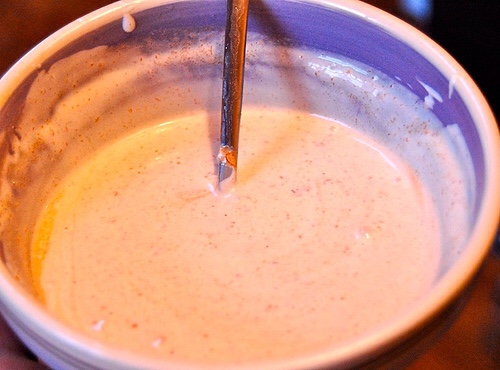
Add eggs to the flour mix and begin blending with a hand or stick blender on relatively low speed. Blend until you get roughly 1/2″ bubbles rising through the batter, about 5 – 7 minutes.

Cover the bowl the bowl and refrigerate for 60 to 90 minutes.

After the chilled rest, bring the batter out and allow it to return to room temperature. The cold rest helps the batter fully integrate the flour, and allows for better gluten formation which aids the rise. Allowing a gradual return to room temperature preserves those advantages.

Preheat your oven to 400° F and place a rack in the middle position. Place a heavy, tall baking dish in the oven as it heats. These days, I prefer a souffle pan, but a cast iron dutch oven does nicely too; chose a size that will allow your batter to be roughly 1/2″ thick when poured in.

Beat the batter again after it’s back up to temperature; 2 or 3 minutes on a low setting is sufficient.

Once the oven is up to temp, remove the baking dish and Toss 2 ounces of fat into it. Unsalted butter, beef drippings, leaf lard, and even schmaltz will all work nicely and have their own charms. Return the dish to the oven until the fat is melted and sizzling.

Pour your batter into the hot pan. Bake for 20 minutes, then reduce heat to 350° F and bake for An additional 10 to 15 minutes, until the pudding has risen nicely and is golden brown. Do not open the oven door while the pudding is cooking; quiet, hot air and steam is critical to success.

Serve promptly.

Chile Lime Cream & House Made Chile Garlic Sauce


Kari Bates sent me a recipe for this incredible sauce. I've tweaked it just a bit for proportions, subbed a couple fresh ingredients, and added a few process steps. This is fabulous with chicken, wild mushrooms, root vegetables, or enchiladas, to name just a few.

Note the extensive use of reduction in this recipe. Reducing at relatively high heat as Kari does here intensifies and focuses taste profiles and allows a certain amount of caramelization; the result is a concentrated burst of flavors that will nicely accent a myriad of dishes.

I've included a recipe for house made chili garlic sauce. If you're pressed for time, you can certainly use a favorite commercial version of your own, but try making this at home and I bet you'll never go back to store bought. My recipe is a Sriracha style sauce we make with red jalapeños, but as shown below, you can sub the chili of your choice and thereby moderate or intensify the heat level. If you use dried chiles, reconstitute them in plenty of fresh water until soft, prior to making the sauce.


House Made Chile Garlic Sauce

2 heads Garlic

20 red Chiles, (Jalapeño, Serrano, Hatch, Thai, Etc)

2 bulbs Shallot

2-3 Tablespoons Apple Cider Vinegar

2-3 Tablespoons Grape Seed Oil

1 Tablespoon Agave Nectar

1 teaspoon Fish Sauce

Sea Salt to taste


Preheat oven to 400° F.

Peel the outer husk off each garlic head and trim about 1/2″ off the tops, exposing the cloves. Wrap each head tightly in aluminum foil and place them on a baking sheet.

Dry roast garlic for 40 to 45 minutes until cloves are soft. Remove from oven and allow to cool until handleable.

If you opt for fresh chiles, rinse and trim off the tops. It's your decision at this point to remove seeds and trim membranes or not. Leaving them in with any chile that packs a punch means more heat. Rough chop chiles.

If you used dry chiles, reserve a few tablespoons of the soaking water and discard the rest. If at any point your ingredients seem a bit tight, (due to the use of dried chiles), add a bit of the water to loosen things up.

Rinse, peel and trim shallots, then mince.

In a large sauté pan over medium heat, add the peanut oil and heat through. Sauté shallot until the raw smell has dissipated and they're beginning to turn translucent.

Transfer shallots from pan to a blender or food processor. Squish the roasted garlic into the vessel, then add chiles, agave nectar, vinegar, and a teaspoon of sea salt. Blend to a uniform, fine paste.

Reduce heat on sauté pan to medium low, add the chile paste and fish sauce. Blend thoroughly, and allow to heat through.

Taste and adjust salt, agave, and water balance as needed.

You can strain the sauce at this point if you prefer a smoother texture, or leave it as is.

Transfer sauce to a glass bowl, cover and refrigerate for at least four hours to allow flavors to marry. Sauce will last for 2-3 weeks refrigerated.


Here's that fabulous Chili Lime Cream Sauce


1/4 Cup dry White Wine

1 fresh Lime

1/2 Cup Whipping Cream

1 Tablespoon fresh Ginger Root

1 Tablespoon Shallot

2 Tablespoons Chili Garlic Sauce

6 Tablespoons unsalted Butter


Cut butter into 1/2″ cubes and bring to room temperature.

Zest and juice lime, reserve zest and 1/4 cup juice.

Rinse, peel and mince ginger, shallot, and garlic.

In a small sauce pan over medium high heat, combine the wine, lime juice and zest, ginger, and shallot. Simmer, stirring steadily, until reduced by 50%. Pulse with an immersion blender until smooth and uniform. Pour through a strainer and discard the remains; return base sauce to pan.

Add cream and continue simmering, stirring regularly with a whisk, until reduced by 50%.

Reduce heat to low and whisk in chili powder, blending thoroughly and heating through.

Add butter one cube at a time, whisking each in before adding the next.

Serve promptly.


Baking Soda v. Baking Powder


Here's another great question from reader Pauline all the way over in New Hampshire, on a topic that probably doesn't get asked all that often;

“So, I bake infrequently, and I've got containers of baking soda and baking powder that have been in my pantry forever; do these things go bad? And while you're at it, was is this stuff anyway?

Glad to help, Pauline, and thanks for asking.

The quick and dirty answer to the former question is, yes, they can go bad. Baking soda and powder are chemical leavening agents that promote rising in baked good recipes that don't employ yeast. While the end result is much the same with all three leaveners, the primary benefit imparted by baking soda and powder is speed; they can and should be used right away after mixing, while yeast takes time and really can't be rushed much. The active constituents of both do have a shelf life, albeit a long one. Fortunately, there's a couple of quick test you can do to see if yours still makes the grade.

The first test is to find and read the expiration date; at the risk of being flippant, there are printed dates on the containers of both products, though they may take a bit of sleuthing to find. If yours is past its date, discard it and buy a fresh replacement. When you're at the store, check that expiration date on what you're about to buy; in a professional kitchen, we check the dates on every case that comes in, because it's not that uncommon to find expired product in your just-made delivery, and your local grocery is no exception to that rule.

The second test is for a chemical reaction, and is therefore a bit more definitive. Take a good pinch of baking soda and drop it into some fresh vinegar; if it fizzes actively, you're in business. For baking powder do the same thing into hot water. If either just sit there, toss them

On to the latter question;

Baking soda is pure sodium bicarbonate, an alkaline or base in chemical terms. Combined with moisture and an acidic ingredient like dairy, chocolate, or honey, you get a mild chemical reaction akin to the freshness test you just did. The resulting tiny bubbles of carbon dioxide, (CO2), remain trapped in the batter matrix. Exposed to baking temperatures in your oven, they expand and cause your baked goods to rise. baking soda is a pure chemical base, so it can impart a bitter taste note if you add too much; that said, a little extra is actually a very good thing, for a most interesting reason. Just a bit more baking soda than that needed to neutralize the acid in your recipe contributes in a very positive way to browning and flavor in your finished product. This has to do with the Maillard reaction, named after Louise-Camille Maillard, who first described it about a hundred years ago. What Maillard detailed was a complex set of reactions that lead to such culinary wonders as the luscious crust on your steak, the sweet beauty of caramelized onions, and the golden brown outside of a cream biscuit. On top of the lovely color added, the reaction also produces hundreds of aromatic compounds that add savoriness and complexity; in other words, it's a very good thing indeed. The key is moderation; an eighth of a teaspoon above a stated recipe amount is enough to hit the sweet spot.

Baking powder is a mixture of a base and an acid or acids; sodium bicarbonate is the base, while cream of tartar and sodium aluminum sulfate are the common acids. There's typically a bit of added starch as a carrier for the active ingredients as well. Baking powder is a more complex and balanced leavener than baking soda, since it contains both acid and base; it is completely inert when dry, but when introduced to moisture, the base and acid mix and generate CO2, and you're in business. The reason baking powder is called 'double acting' is the presence of the two different acids. When added to your recipe, the first acid, cream of tartar, mixes with the baking soda and goes to work right away. The second acid, sodium aluminum sulfate, is temperature activated; when your batter or dough hits roughly 175° F, that acid combines with the remaining base and contributes a bit more rise.


You can make basic baking powder at home by combining,

2 teaspoons Cream of Tartar

1 teaspoon Baking Soda

1 teaspoon Corn Starch


The obvious benefit is fresh product, assuming your constituents are, of course, but this will not be a double acting powder and as such, won't have quite the lifting power of the commercially prepared stuff.

If the aluminum makes you nervous, maybe it should. Aluminum has been found to adversely affect reproductive and nervous systems in animal studies. Some human studies have suggested a possible connection between aluminum and Alzheimer's Disease. The health effects of aluminum on humans are not definitive, but nonetheless, the Joint Food and Agriculture Organization/World Health Organization Expert Committee on Food Additives (JECFA) significantly lowered the tolerable intake of aluminum as a result of such studies.

Some recipes call for baking soda, others for baking powder, and some employ both. The leavener(s) called for is governed by the over-arching recipe. The straight base chemistry of baking soda dictates does well with more acidic ingredients, like buttermilk pancakes, or cake recipes that employ vinegar. Baking powder commonly gets paired with more neutral ingredients like plain milk or non-dairy alternatives.

So how about the interchangeability of these two? You can substitute baking powder in place of baking soda using a ratio of 3:1 powder to soda, but it's not a desirable substitute; the significant amount of added acid will impact the taste of your finished product. On the other hand, you cannot sub baking soda for baking powder, since baking soda lacks the acidity needed to make things rise.

With both these leavening agents, it's important to keep in mind that the reaction produced is relatively short lived and begins as soon as you mix ingredients. It's always best practice to have your oven preheated and to bake promptly, otherwise you'll miss the window of efficacy and your goodies will fall flat. Unlike a yeasted dough, which is relatively low in moisture and kneaded until a tough, elastic gluten network is produced that will trap massive amounts of carbon dioxide, quick batters and doughs are made with an extremely moist batter, because baking powder just doesn't generate enough gas to effectively leaven a thicker dough. Additionally, batters have relatively little gluten formation, so they're not that meaning that great at trapping and holding bubbles.

That's probably all you need to know about that.


Ketchup & Fries


You may have heard it here first, and no, it's not a joke… Just got this from our friend Alice at Log House Plants. You can bet we'll be growing, reporting on, and creating recipes for these!

FOR IMMEDIATE RELEASE

Vista, CA Dec. 12, 2014

Beyond the Dreams of Burbank: Ketchup ‘n’ Fries™ Finally a Reality for American Gardens

Luther Burbank, the “Wizard of Santa Rosa” astounded the gardening world in the early 1900's with the first known graft of a tomato stem onto potato roots. His comment that “… the results of this strange alliance were interesting to the last degree” was definitely an understatement. The practicality of such a vegetable union was way ahead of its time and horticulturists have striven to perfect this possibility for the last century.

Now, American grafting leaders, SuperNaturals Grafted Vegetables, LLC (creators of the Mighty 'Mato brand) have brought Burbank's vision to reality with the release of Ketchup ‘n’ Fries™ by TomTato®. Specialty hand-grafted plants are being offered to American gardeners in the 2015 growing season for the first time! This recent effort has been in the works for over 15 years in Europe and was released into the British market as TomTato® in 2014. Plug Connection in San Diego County holds the exclusive production rights for starter plants that will be shipped to growers all over North America.

Harvest both tomatoes AND potatoes from this unique plant!

Incredible innovation in vegetable growing

All natural, non-GMO

Tomatoes for snacking, salads, sauces and ketchup

Potatoes can be baked, boiled, mashed, roasted and cut for chips and fries

Grow in the vegetable garden or in a patio container!

Look for Ketchup ‘n’ Fries™ at www.GardenAmerica.com, www.TerritorialSeed.com and garden centers this Spring

Media Contacts

Name: John Bagnasco Name: Alice Doyle

Title: Marketing/Research Title: Marketing/Research

Phone: 760-468-2558 Phone: 541-942-2288

Email address: john@gardenlife.com Email address: alice@loghouseplants.com