Waffles 101


Along with stand mixers and fondue sets, waffle irons are more than likely collecting dust in a corner of many of our pantries. Waffles get a bad rap as 'food that's not good for you,' and 'a pain to make'; nothing could be further from the truth. Sure, a store bought, frozen waffle is an abomination, along with generic table syrup, and both are to be avoided like the plague. A homemade waffle, on the other hand, topped with delicious things is a delight in every way.


Batter or dough has been cooked between two hot plates for hundreds of years. The earliest recipe written in English that I'm aware of appeared in the 1600s, and paid proper homage to the Dutch 'wafel', that from the Frankish 'wafla', which harken back as far as the 1100s and meant honeycomb or cake. Waffles started out life as derivations of the communion wafer, thin, crisp cakes not unlike the modern pizzelle, still quite popular in Italy. These earliest versions were almost always round and made of grain flour and water, just as communion wafers were and are. As such, they weren't particularly big on taste, so flavorings like honey or florally infused water were introduced, such as rose and orange blossom. It wasn't until the 1300s that a recipe included eggs, wine, flour, and salt, but did not contain leavening of any note. Another hundred years would pass before irons notably different in pattern from the communion wafer, or oublie, would appear. These new versions, the French fer à oublie and the Belgian wafelijzer, were square or rectangular, and set with an even grid pattern; the space between these early irons was still rather thin, leading to a finished product likely akin to the modern Brussels waffle. Another couple of centuries would pass before recipes routinely included yeast, sweeteners, and spices added directly to the batter. Leavening was the innovation that allowed waffles to become the thicker, more appealing treat we enjoy to this day.

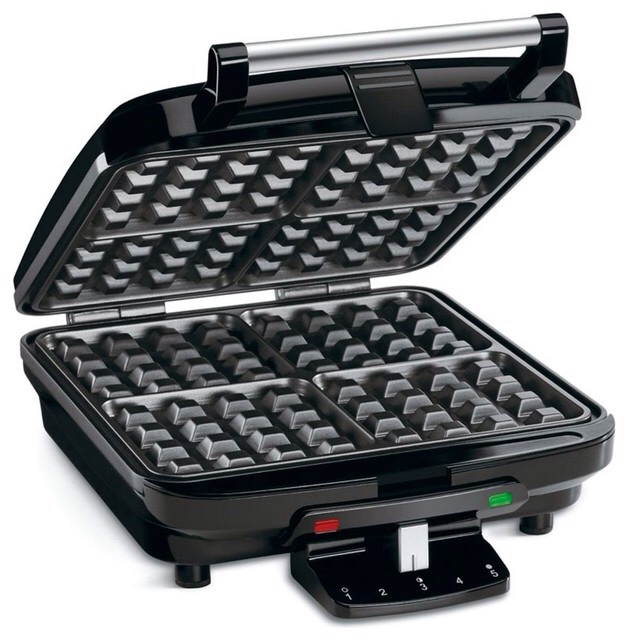
Waffle makers have advanced leaps and bounds from the versions we had as kids. There are makers that'll do anywhere from 2 to 8 at a pop; some are deeper and rotate, to specialize in the thicker Belgian version. There are timers and dark-to-light controls as well. I opted for a simple maker with a light to indicate ready status, and no other bells and whistles. If you keep an eye on your maker while it's working, it's a safe bet that somewhere around 6 to 8 minutes in, when the steam output has diminished and you're smelling nice, toasty cereal notes, your waffle will be done. After you're used to yours for a while, it'll be second nature that requires little conscious thought. Non stick is nice, and can now be found in non-toxic, environmentally friendly versions; it's great to have, but does not mean you don't still need a little something sprayed or wiped on before you cook.

Waffle recipes are pretty straightforward; once you've got your ratios down, they lend themselves well to experimentation. A few points, illustrated with the recipes below.

Thicker, lighter styles, like Belgian, want the eggs separated and the whites beaten and folded in to achieve that end.

The same process will help heavier, gluten poor flours generate a lighter, less leaden final product.

Vital wheat gluten is a fantastic tool to help those heavier flours end up as fluffy waffles.

Leavening can usually be achieved adequately with just baking powder, but judicious use of both powder and soda works just fine as well, especially with heavier batters. Yeast raised waffles take longer, but reward with a complex, tangy note that faster leaveners just can't duplicate.

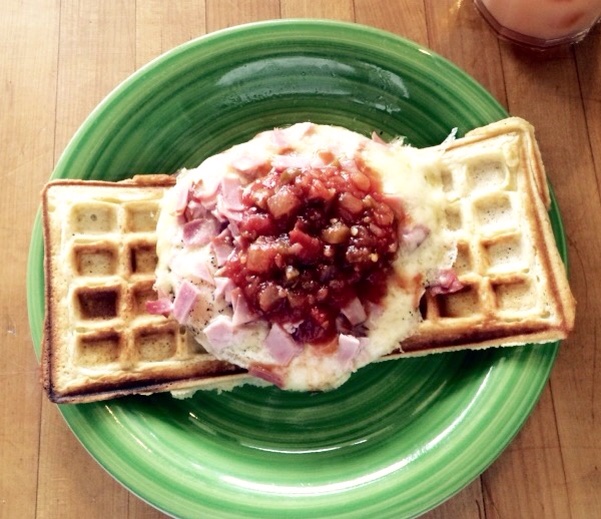
Here are a few variants to spark your creative juices. Any of these recipes can be made savory if you wish. Thinly sliced green onions, chive, or other herbs can be added to the batter, or incorporated into toppings made with sour cream, cremé fraîche, crema, or Greek yoghurt. Chutney, salsa, mostarda, or sauteéd vegetables are equally delicious, as is a waffle topped with an over easy egg, crumbled bacon, and melted cheese. If you add veggies or fruit directly to a batter, consider sweating them in a sauté pan first, to reduce the amount of moisture and keep your waffles from getting soggy or falling apart.
 

For topping sweet waffles, it's awfully hard to beat real maple syrup and butter.

You can substitute whole wheat pastry, or whole grain white flour, one to one for any recipe calling for all purpose. Subbing 2% milk for whole works, and almond or soy milks make fine alternatives as well. Coconut oil makes a great sub for butter, as will olive, avocado, or grapeseed oils for savory waffle recipes. Honey, agave nectar, or less refined sugars are also fine alternatives. Fresh fruit is always a delightful topping for any variant.
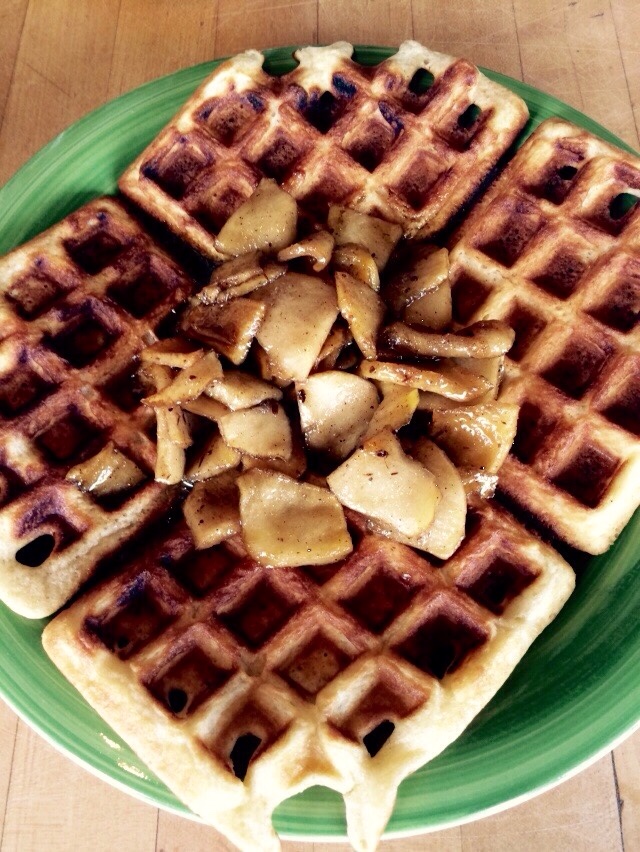
 

With modern waffle makers, it's best to pour a ladle or two of batter into the middle of the iron, enough spread to within a couple inches so of the edge; gently closing the lid will finish the job.

Each recipe will make 6-8 waffles. They will store well short term, and are delicious toasted the next day.

Yeast Raised Waffles
2 Cups all purpose Flour
3/4 Cup Whole Wheat Pastry Flour
2 Cups whole Milk
2 large Eggs
1/2 Cup Unsalted Butter
1 Tablespoon Sugar
1 package active dry Yeast, (2 1/4 teaspoons)
1 teaspoon Sea Salt
1/4 teaspoon Baking Soda
 
In a small pot over medium heat, combine milk and butter; stir until melted and bubbles start to form on the edge of the pan. Add sugar and salt and stir steadily until melted and hot but not simmering. Remove from heat and let stand until lukewarm.
In a warmed mixing bowl, combine 1/2 cup warm water and yeast. Let stand until it foams, about 5 minutes.
Add warm milk mixture to yeast and stir.
Whisk in flours, then cover tightly with plastic wrap and let stand until doubled in volume, at least two to three hours at room temp, or overnight in the fridge.
Preheat waffle iron.
Whisk eggs and baking soda into the batter.
Cook according to manufacturer's directions until golden brown.


Belgian Waffles

2 Cups all purpose Flour

2 large Eggs

2 Cups Whole Milk

1/2 Cup unsalted Butter

1/2 Cup Sugar

3-1/2 teaspoons Baking Powder

1 teaspoon Vanilla Extract

1 Cup fresh Strawberries


Preheat waffle iron.

Rinse and slice strawberries.

Separate eggs into two small dishes.

Melt butter.

In a large mixing bowl, combine flour, sugar and baking powder.

In a second mixing bowl, lightly beat egg yolks until frothy. Add milk, melted butter, and vanilla, and whisk thoroughly to incorporate.

Add wet to dry mix and whisk gently until just combined.

Whisk egg whites until stiff peaks form; fold gently into the batter.

Cook in a preheated waffle iron according to manufacturer's directions until golden brown.

Serve topped with strawberries.


Buttermilk Waffles

2 cups all purpose Flour

2 Cups Buttermilk

2 large Eggs

1/3 Cup unsalted Butter

2 Tablespoons Sugar

2 teaspoons Baking Powder

1 teaspoon Baking Soda

1 teaspoon Vanilla Extract

Pinch Sea Salt


Preheat waffle iron.

Melt butter.

In a large mixing bowl, combine flour, sugar, baking powder, baking soda, and salt, and whisk to incorporate. In a separate bowl, whisk and combine thoroughly buttermilk and butter; add the eggs and vanilla, and whisk again.

Add wet mix to dry and whisk gently until just combined; batter will be slightly lumpy.

Cook until golden brown, according to manufacturer's instructions.


Buckwheat Waffles

2 Cups Buckwheat Flour

2 Large Eggs

1 1/2 Cups whole Milk

1/2 Cup Greek Yoghurt

1/2 Cup unsalted Butter

2 Tablespoons Bob's Vital Wheat Gluten

2 Tablespoons Honey

2 teaspoons Baking Powder

1 teaspoon Baking Soda

Pinch of Cinnamon

Pinch of Sea Salt


Preheat waffle iron.

Melt butter.

In a large bowl, add buckwheat flour, vital wheat gluten, baking powder, baking soda, salt, and cinnamon, and combine.

Separate eggs into two small dishes.

Add yolks to a second mixing bowl, and whisk until frothy. Add the sugar, butter, milk, and yogurt and combine thoroughly.

Whisk egg whites until they raise to soft peaks.

Add wet mix to dry and whisk gently until just combined.

Add one half of the egg white and fold them gently into the batter; do the same with the second half.

Cook until golden brown, according to manufacturer's instructions.


Whole Grain Waffles

2 Cups Whole Wheat Pastry Flour

2 large Eggs

1 1/2 Cups whole Milk

1/2 Cup Sour Cream

1/4 Cup Butter

2 tablespoons Honey or Agave Nectar

2 teaspoons BakingPowder

1 teaspoon Baking Soda

1 teaspoon Vanilla extract

Pinch Sea Salt


Preheat waffle iron.

Melt butter.

In a large mixing bowl, combine flour, sugar, baking powder, baking soda, and salt, and whisk to incorporate.

In a separate bowl, whisk and combine thoroughly buttermilk and butter; add the eggs and vanilla, and whisk again.

Add wet mix to dry and whisk gently until just combined; batter will be slightly lumpy.

Cook until golden brown, according to manufacturer's instructions.


Ginger Ale II


If you missed our original home ginger recipe, I can tell you it was a huge hit. That said, there's Alaways room for improvement. Specifically, while the ginger taste was front and center, we found that honey not only added a fairly dominant taste note, but was rather expensive. Replaced with cane sugar, we found the recipe still good, but the sugar tended to bring the heat of the ginger out even more. We thought bake to that Reed's we liked so much and decided to try pineapple. The results were spectacular; you get a delightful pineapple note on the front end, with a well-tempered ginger finish, a more natural sweetener, and with pineapples at 2 for $5, a genuine bargain. We also increased the citrus, and added lemongrass And vanilla for some really lovely background notes.

We have a fabulous juicer that we used to extract the pineapple, but you could effectively employ a blender or processor as well.

1 Pound fresh Ginger Root

6 Cups Water

1 Pineapple

2 small Limes

1 small Lemon

Roughly 12″ Lemongrass

8-10 Kaffir Lime Leaves

1 teaspoon Vanilla extract

Pinch Sea Salt

Rinse, peel, and dice ginger root.

Wash, rinse, zest and juice lemon and one lime. Cut second lime into quarters. Rough chop lemongrass into 1/2″ chunks.

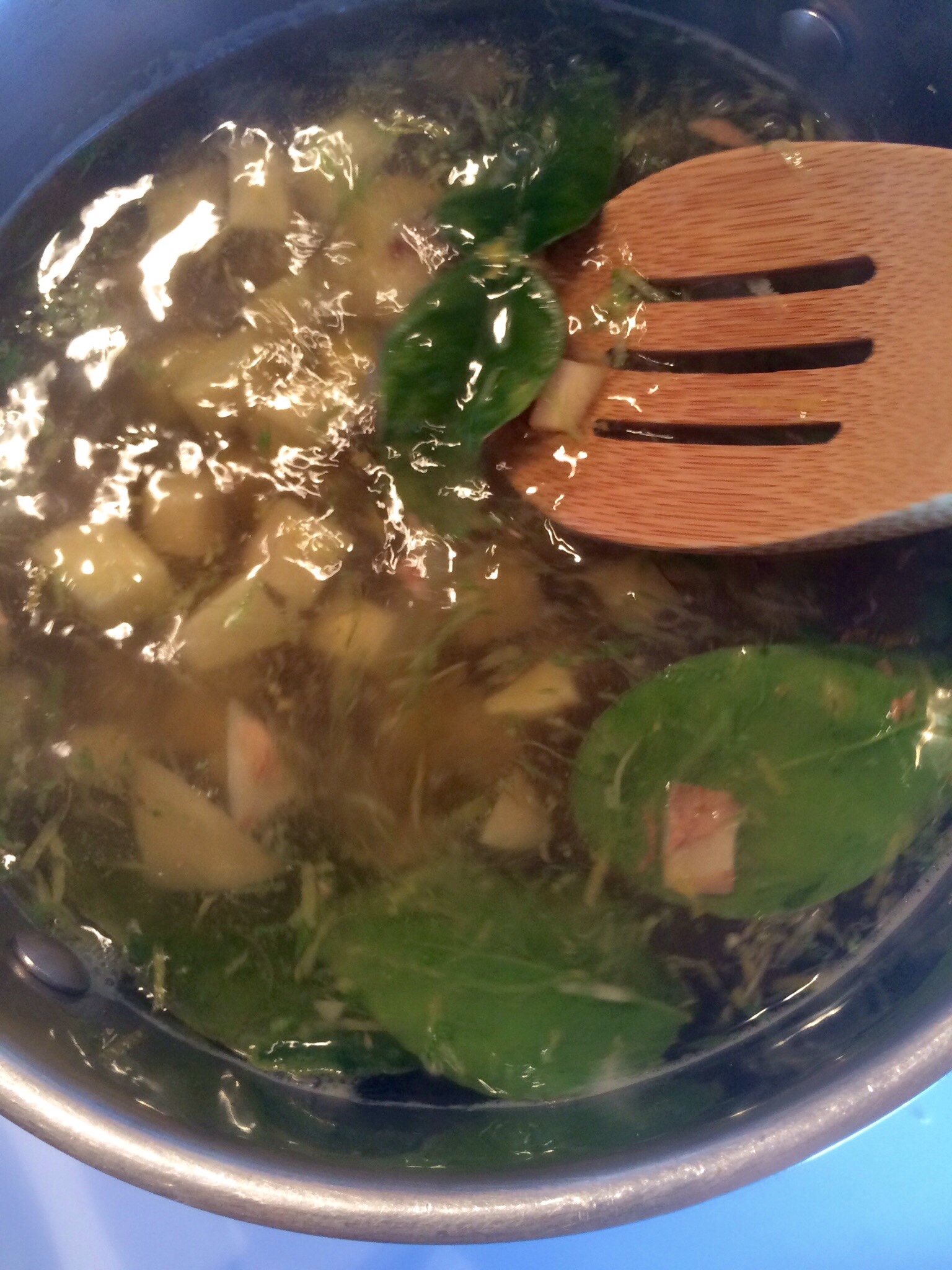
In a large sauce pan over medium high heat, bring water to a simmer. Add ginger, quartered lime, citrus zest, lemongrass, and kaffir leaves.

When water begins to bubble, reduce heat to low and simmer, covered, for 45 minutes.

Remove pan from heat and let the mixture steep, covered, for 30 minutes.

Rinse and trim pineapple. Blend, process, or press flesh to extract all the juice.

Run the steeped mixture through a single mesh strainer, then discard the root.

Return strained liquid to the pan over medium-low heat. Add pineapple juice, citrus juice, Vanilla, and pinch of salt.

Stir gently and allow to fully incorporate and heat through. Taste and adjust sweet balance with a little honey or sugar if needed, (you probably won't, but you do want to taste hefty ginger and distinct sweet – This is your concentrate, so it should taste fairly over the top).

Remove from heat and allow syrup to cool. Transfer to a glass bottle or jar and refrigerate for at least 4 hours.

Mix drinks in a tall glass with plenty of ice. Start with 1/4 cup syrup to 1 cup club soda; stir, taste and adjust blend to your liking. A fresh squeezed wedge of lime goes very nicely.

Refrigerated and sealed air tight, the syrup will last for a good two weeks, though it's not likely to survive that long.

NOTE: Some folks prefer to mix fresh citrus in to the final blend, rather than incorporating it into the syrup.


Real Deal Alfredo


Alert reader Ian asks;

‘What’s the trick to making great Alfredo sauce? It never seems to come out nice and thick and creamy when I try to make it.”

It’s a great question, because as simple as great Alfredo is, making it isn’t as straightforward as it may seem. Let’s see why.

First off, let’s agree that the vast majority of the crap sold in restaurants and the grocery store called ‘Alfredo’ isn’t remotely authentic. Heavy sauces, often made with a generous dose of thickeners, have no business being called Alfredo. The real deal was named after the guy who invented it. He passed on decades ago, but his place still exists; it’s Ristorante Alfredo alla Scrofa, in Roma, where to this day you can dig into the original.

Now, here’s your first shocker; that dish contains no cream or milk. The dairy comes solely from butter and cheese. It’s that simple, and here’s the trick; it’s made with the best ingredients possible. That’s the secret; to make it at home, you need to use the absolutely highest quality, freshest ingredients you can find.


Real Deal Alfredo

1/2 Pound Fresh Fettuccini; homemade is best, but locally made is just fine.

1⁄2 Cup fresh, local Unsalted Butter

1/4 Pound genuine Parmegiano Reggiano


Preheat oven to warm, and thoroughly heat dinner plates and a large bowl or platter

Bring 4 quarts of well salted water to a boil. Add the Fettucini and cook for 2-3 minutes.

Fine grate the Parmegiano, cut butter into roughly 1/4″ cubes.

Drain pasta, and reserve 1 cup of the pasta water.

Transfer pasta to the heated bowl, and add the butter, cheese, and 1/2 cup of pasta water.

Using a serving fork and spoon, toss the pasta, carefully incorporating all ingredients.

Add more water, a tablespoon at a time, to achieve a uniform, smooth sauce. Baste any excess butter and cheese back onto the pasta until they’re fully melted and pasta is evenly coated; this will take you about two or three minutes of tossing.

Serve immediately on the warmed plates, with crusty bread and a nice, crisp heart of romaine salad.


Now, if you’d like to make a cream based version the right way, we can do that too. And here’s why it so often fails for home chefs; it fails because cooks think of it as a cheese sauce, instead of as a cream sauce thickened with some cheese. Good cream, standing on its own merits, only has so much ability to incorporate additional fats; load too much cheese into it, and you’re bound to suffer separation anxiety. That said, you certainly can apply the most common cheat and add flour, which will allow you to pile on more cheese, but what you end up with is more Mac and cheesy than Alfredo, frankly; you lose the magic. As with the original, cream-based Alfredo is simple, and made with the best local, fresh heavy cream you can get. Milk, in any form, ain’t gonna cut it, and neither will that mass produced, ultra pasteurized crap.

Creamy Alfredo

1/2 Pound fresh Fettuccini

2 Cups fresh heavy Cream

4 ounces fresh, unsalted Butter

1/2 Cup Parmegiano Reggiano

Grating of fresh, whole Nutmeg

Pinch of Sea Salt, couple twists of fresh ground pepper


Preheat oven to warm, and thoroughly heat dinner plates.

Fine grate the Parmegiano.

In a large sauté pan over medium low heat, melt the butter; do not let it simmer and separate, you want the milk solids to remain incorporated for this sauce.

Add 1/2 cup of cream and increase the heat to medium, whisking gently but constantly. Once the sauce starts to simmer, continue slowly but steadily adding cream, allowing the sauce to begin to simmer before you add a little more, whisking constantly. The sauce will thicken slightly throughout this process.

Boil 4 quarts of well salted water, add the fettuccini and cook for 2-3 minutes. Remove from the water into a colander, reserving 1/2 cup of pasta water.

Remove the sauté pane from heat, then add the Parmegiano to the cream sauce, about a tablespoon at a time, whisking steadily. Stop when you hit the thickness you like.

Add the pasta to the sauce and toss to incorporate. Add a tablespoon of pasta water, which will help smooth out the sauce.

Grate a pinch of nutmeg, season with salt and pepper to taste, and toss to incorporate.

Serve immediately on heated plates.


Real Deal Alfredo


Alert reader Ian asks;

‘What’s the trick to making great Alfredo sauce? It never seems to come out nice and thick and creamy when I try to make it.”

It’s a great question, because as simple as great Alfredo is, making it isn’t as straightforward as it may seem. Let’s see why.

First off, let’s agree that the vast majority of the crap sold in restaurants and the grocery store called ‘Alfredo’ isn’t remotely authentic. Heavy sauces, often made with a generous dose of thickeners, have no business being called Alfredo. The real deal was named after the guy who invented it. He passed on decades ago, but his place still exists; it’s Ristorante Alfredo alla Scrofa, in Roma, where to this day you can dig into the original.

Now, here’s your first shocker; that dish contains no cream or milk. The dairy comes solely from butter and cheese. It’s that simple, and here’s the trick; it’s made with the best ingredients possible. That’s the secret; to make it at home, you need to use the absolutely highest quality, freshest ingredients you can find.


Real Deal Alfredo

1/2 Pound Fresh Fettuccini; homemade is best, but locally made is just fine.

1⁄2 Cup fresh, local Unsalted Butter

1/4 Pound genuine Parmegiano Reggiano


Preheat oven to warm, and thoroughly heat dinner plates and a large bowl or platter

Bring 4 quarts of well salted water to a boil. Add the Fettucini and cook for 2-3 minutes.

Fine grate the Parmegiano, cut butter into roughly 1/4″ cubes.

Drain pasta, and reserve 1 cup of the pasta water.

Transfer pasta to the heated bowl, and add the butter, cheese, and 1/2 cup of pasta water.

Using a serving fork and spoon, toss the pasta, carefully incorporating all ingredients.

Add more water, a tablespoon at a time, to achieve a uniform, smooth sauce. Baste any excess butter and cheese back onto the pasta until they’re fully melted and pasta is evenly coated; this will take you about two or three minutes of tossing.

Serve immediately on the warmed plates, with crusty bread and a nice, crisp heart of romaine salad.


Now, if you’d like to make a cream based version the right way, we can do that too. And here’s why it so often fails for home chefs; it fails because cooks think of it as a cheese sauce, instead of as a cream sauce thickened with some cheese. Good cream, standing on its own merits, only has so much ability to incorporate additional fats; load too much cheese into it, and you’re bound to suffer separation anxiety. That said, you certainly can apply the most common cheat and add flour, which will allow you to pile on more cheese, but what you end up with is more Mac and cheesy than Alfredo, frankly; you lose the magic. As with the original, cream-based Alfredo is simple, and made with the best local, fresh heavy cream you can get. Milk, in any form, ain’t gonna cut it, and neither will that mass produced, ultra pasteurized crap.

Creamy Alfredo

1/2 Pound fresh Fettuccini

2 Cups fresh heavy Cream

4 ounces fresh, unsalted Butter

1/2 Cup Parmegiano Reggiano

Grating of fresh, whole Nutmeg

Pinch of Sea Salt, couple twists of fresh ground pepper


Preheat oven to warm, and thoroughly heat dinner plates.

Fine grate the Parmegiano.

In a large sauté pan over medium low heat, melt the butter; do not let it simmer and separate, you want the milk solids to remain incorporated for this sauce.

Add 1/2 cup of cream and increase the heat to medium, whisking gently but constantly. Once the sauce starts to simmer, continue slowly but steadily adding cream, allowing the sauce to begin to simmer before you add a little more, whisking constantly. The sauce will thicken slightly throughout this process.

Boil 4 quarts of well salted water, add the fettuccini and cook for 2-3 minutes. Remove from the water into a colander, reserving 1/2 cup of pasta water.

Remove the sauté pane from heat, then add the Parmegiano to the cream sauce, about a tablespoon at a time, whisking steadily. Stop when you hit the thickness you like.

Add the pasta to the sauce and toss to incorporate. Add a tablespoon of pasta water, which will help smooth out the sauce.

Grate a pinch of nutmeg, season with salt and pepper to taste, and toss to incorporate.

Serve immediately on heated plates.


Empanadas


Empanadas are a delight for their simplicity, and for the wide range of creativity they provide a willing cook.

It is less serendipitous than it might seem that, on the day we post about empanadas, our friend Nandini who runs the Goan Imports blog, wrote about a close relative, Rissóis de Camarão, a Portuguese shrimp filled dumpling. Empanadas are ubiquitous throughout Mexican, Central and South American cookery, while close relatives like the pierogi, pastie, dumpling, pastel, pate, and pot sticker are found in almost every cuisine worldwide.

Empanadas may be baked or fried, and filled with a wide variety of meats, cheeses, vegetables, and fruits. Personally, I like the baked versions; they're less greasy, allow flavors to shine, and provide a tastier crust.

There are likely as many variants on dough as there are filling; that component is easily as important as what goes inside. A great empanada dough creates a versatile cover that can be rolled thick or thin as you like, yielding a light, flaky, and tender final product. This is our preferred version; it will make about a dozen 6″ empanadas. As with pie dough, the real key to a great empanada dough is to make it entirely by hand, and to handle it no more than is needed to fully combine and activate the imgredients. Plenty of recipes call for use of a mixer or food processor; don't go there. You'll get better incorporation, less heating of the cold elements, and a much better feel for proper condition when you make it by hand.


2 1/2 Cups All Purpose Flour

1/2 Cup Unsalted Butter, (1 Stick)

1 large Egg

1/4 cup ice cold Water

1 teaspoon Sea Salt

1 Egg White, well beaten with 2 teaspoons cold water, for brushing the empanadas.

OPTIONS: chile flake, annatto, pepper, minced garlic, shallot, or fresh chiles can all be added, or for desert empanadas, 2 tablespoons of sugar, honey, or agave nectar.


Butter should be very cold. Cut into 1/4″ cubes and set aside in a stainless bowl, in the freezer.

Combine flour and salt and mix well.

Add butter and work by hand until blend resembles very course meal.

Add egg and water and form into dough. Once the dough is cohesive, stop working it – overworked dough equals tough dough.

Cover in plastic wrap and refrigerate for 45 – 60 minutes.

Preheat oven to 350° F.

Remove from fridge, flatten by hand to a disk about 3/4″ thick, then roll out until quite thin; anywhere from 1/8″ to 1/16″ will do nicely.


Cut into rings of the size you like.

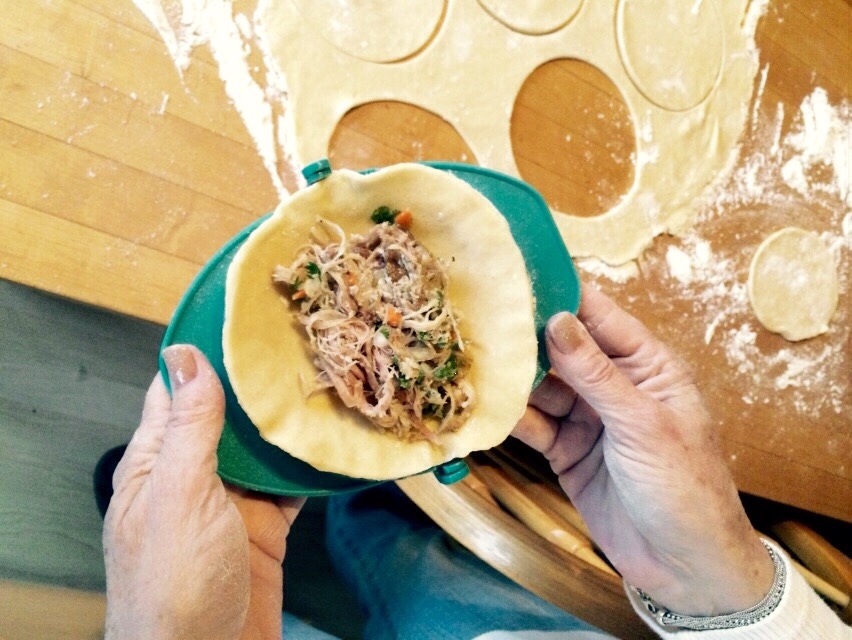
Add filling, wet half the edge with a little of the egg white mixture, the fold in half and crimp the edge with a fork.


Note that we used a nifty little tool, a dough press offered by PrepWorks. These come in 3 sizes and make the production of all such treats ridiculously easy, (and the final product looks fabulous too.)


Lightly brush both sides of the empanada with the egg white, and place on an ungreased baking sheet.


Prick the tops with a knife or fork to allow steam to escape.

Bake for 15 to 30 minutes, until golden brown.

Allow to rest for 5 to 10 minutes prior to serving.


So, what to put inside? Your imagination is the only limiting factor. Empanadas are great for using up leftovers, and for exploring new combinations. It's best to avoid really wet, oily, or fatty ingredients, as they'll tend to either cause the pastries to rupture, and/or can lead to a soggy final product. Here is the version we made, as well as a few more to wet your whistles. All of these will make about a dozen empanadas; they all freeze well, so you can prep several meals at one time.


Pulled Pork Empanadas with Sour Cream/Salsa/Lime Dressing

12 Ounces, (about 2 Cups), shredded Pork

1/4 Cup Sweet Onion

1-3 Jalapeño Chiles, (Pickled adds a fabulous tang)

1-3 small sweet Peppers (Again, pickled is lovely)

1 small Lime

1-2 cloves Garlic

6-10 stalks Cilantro

Sea Salt and fresh ground Pepper


For the dressing

1/2 Cup Sour Cream

1/2 Cup Salsa (Green or Red as you prefer)

Remaining Lime Juice

Combine all, stir well, and allow to rest while empanadas are cooking.


Mince onion, chiles, peppers, garlic, and cilantro. Zest and juice lime.

Combine pork with the lime zest and veggies, and season with salt, pepper, and half the lime juice.

Allow to rest for about 15 minutes, for flavors to marry.

Bake as per above.

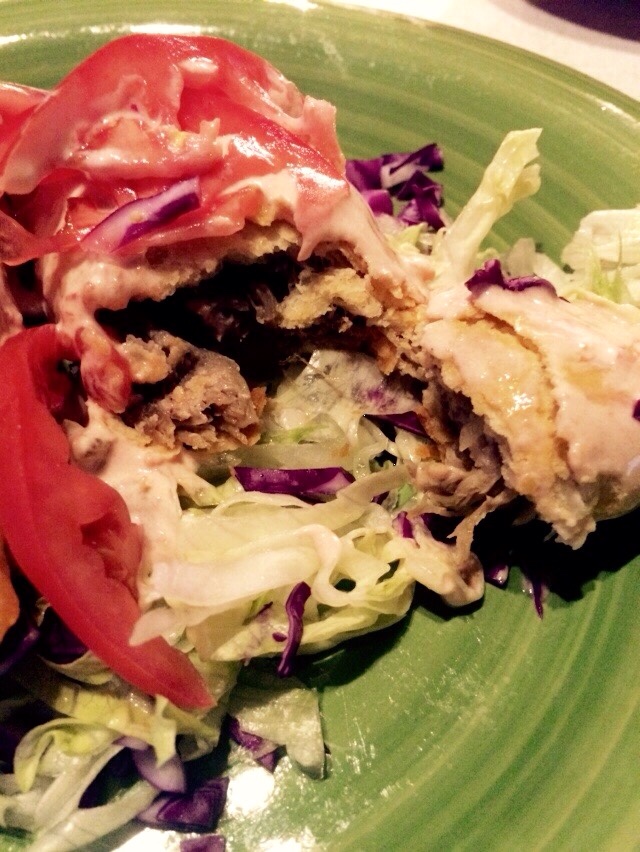
Serve on a bed of shredded lettuce or cabbage, with fresh tomato and sour cream/salsa/lime dressing.


Empanadas Desayuno, (Breakfast Empanadas)

6 Large Eggs

1/4 Pound Chorizo

1/4 Cup Sour Cream

4-6 stalks fresh Chive

1/4 Cup Queso Fresco

1 Yukon Gold Potato

Pinch Mexican Oregano

Sea Salt and fresh ground Pepper


Cut potato into 1/4″ cubes. Sauté over medium heat in 1 tablespoon of butter, until lightly browned. Remove from heat and set aside in a medium mixing bowl.

Remove potato, add chorizo, and sauté until browned. Remove from heat and add to potato.

Combine eggs, sour cream, oregano, salt and pepper and whisk well.

Scramble eggs until roughly 3/4 cooked; you want eggs a shade or two wetter than you'd like to eat.

Combine all ingredients in bowl, add the queso and chives, and adjust seasoning.

Fill empanadas as per above.

Bake at 350° F for 15-20 minutes, until light golden brown.

Serve with salsa, sour cream, chopped tomato, jalapeño, and cilantro.


Empanadas Veraduras, (Veggie Empanadas)

1 small sweet Onion

1 small green Bell Pepper

2-4 Jalapeño, Pasilla, or Hatch Chiles

1 small Carrot

1/2 Cup Jicama

2 Roma Tomatoes

1 ear Sweet Corn (About 1/2 Cup frozen is fine)

1/2 Cup cooked Black Beans

1/2 Cup cooked Rice

1/2 Cup Queso Fresco

1 small Lemon

1 small Lime

3-6 stalks Cilantro

1-2 cloves Garlic

1/2 teaspoon Epazote

1/2 teaspoon Lemon Thyme

Sea Salt and fresh ground Pepper


Rinse, peel, core, and seed all veggies. Fine dice the onion, pepper, chiles, jicama, carrot, and tomatoes.

Mince garlic and cilantro.

Zest and juice lemon and lime.

If using fresh corn, cut kernels from cob.

In a large sauté pan over medium heat, add 2 tablespoons canola oil and heat through.

Add carrot and jicama and sauté for about 3 minutes.

Add onion, pepper, chiles, and season with salt and pepper; continue to sauté until onions start to become translucent, about 2 – 3 minutes.

Add corn, garlic, tomatoes, and sauté for another 2 minutes.

Remove from heat and transfer to a mixing bowl; add citrus juice, zest, epazote, lemon thyme, queso, and cilantro. Taste and adjust seasoning as desired.

Fill as per above.

Bake at 350° F for 20 – 30 minutes, and serve with fresh avocado slices, lime wedges, and salsa verde.


Empanadas de Pollo, (Chicken Empanadas)

3/4 Pound shredded Chicken, (a combination of light and dark meat is best)

1 small Shallot

1 small Carrot

1 stalk Celery

1-3 Pasilla Chiles

1 small Lemon

1/2 Cup Chicken or Veggie Stock

2 Avocado Leaves

2 Tablespoons Avocado Oil

1/2 teaspoon Mexican Oregano

1/4 teaspoon Marjoram

1/4 teaspoon Annatto seed

Sea Salt and whole Pepper


Rinse, peel, seed and fine dice the shallot, carrot, celery, and chiles.

Rinse, zest and juice the lemon.

Combine oregano, marjoram, Annatto, salt, and pepper to a spice grinder and pulse until annatto and pepper are well broken down; set aside.

In a sauté pan over medium heat, heat avocado oil through. Add carrot and shallot, and sauté until shallot begins to turn translucent, about 2 – 3 minutes.

Add celery and chiles and sauté for another 2 minutes.

Add chicken stock and scrape the bottom of the pan to deglaze.

Reduce heat to low, add chicken, lemon juice and zest, spice blend, and avocado leaves. Simmer until chicken stock is absorbed, about 5 to 7 minutes.

Remove from heat, transfer to a mixing bowl and allow to cool enough to handle.

Fill as per above.

Bake at 350° F for 20 – 30 minutes, and serve with sour cream, pico de gallo, rice and charro beans.


Strawberry Rhubarb Empanadas

2 Cups chopped Rhubarb

2 Cups chopped Strawberries

1 Cup Cane Sugar

2 Tablespoons Orange Juice

1-2 Tablespoon Corn Starch

1 large Egg

1 Tablespoon Turbinado Sugar


Prep sweet dough with honey or agave nectar, as per above.

In a large, non-reactive mixing bowl, combine rhubarb, strawberries, sugar, orange juice and cornstarch.

Blend thoroughly, and allow to rest, covered, for 60 minutes.


Drain the liquid from the fruit mix and reserve.

Fill empanadas as per above.

Beat egg with 2 teaspoons cold water thoroughly; brush both sides of empanadas.

Sprinkle tops with turbinado sugar.

Bake at 350° F for 15 to 20 minutes, until golden brown.

Remove from oven and allow to rest for 10 to 15 minutes.

In a sauté pan over medium heat, add liquid from fruit and heat until simmering. Reduce heat to medium low, and add 1 tablespoon of butter. Whisk to incorporate.

Simmer sauce until it thickens enough to coat a spoon.

Drizzle sauce over empanadas and serve hot.


Shrubbery


With apologies to Monty Python, when you hear someone wax poetic about shrubs these days, they're likely referring to a beverage, as opposed to landscaping. Shrubs have become tragically hip of late, and for good reason; they're a delightful drink resurrected from colonial days.

There are two primary variants of the shrub as beverage; which one you're thinking of probably depends on which side of the pond you were raised on.

Here in the former colonies, shrubs were vinegar and fruit based creations popular in the 18th and 19th centuries, with their origins in home preserving, the vinegar having been employed to extend the shelf life of fruit and fruit extractions. Over in England, shrubs were blends of booze, citrus and sugar, drunk iced, or used as a base for punch; this version's roots sprung from popular patent medicines of the time. Both variants were often infused with herbs and spices and use in mixed drinks as well as flying solo.

American shrubs fell out of favor in the early 1900s, with the rising popularity of home refrigeration. Recent resurgence in home growing and preserving has renewed interest in 'drinking vinegars,' as shrubs were sometimes known. That has lead in turn to many commercial offerings, and a subsequent rise in price of same. Fortunately, shrubs are simple and inexpensive to make at home. Shrubs are a sweet-tart treat, and readily lend themselves to experimentation. Combining a favorite fruit or two with a complimentary herb or spice yields a truly refreshing drink far better for us than the artificial crap so popular these days.

Making shrubs requires a few simple steps and about a week's time, so it's a fun project to finish on a spring weekend.

We'll start with a basic recipe and expand from there.


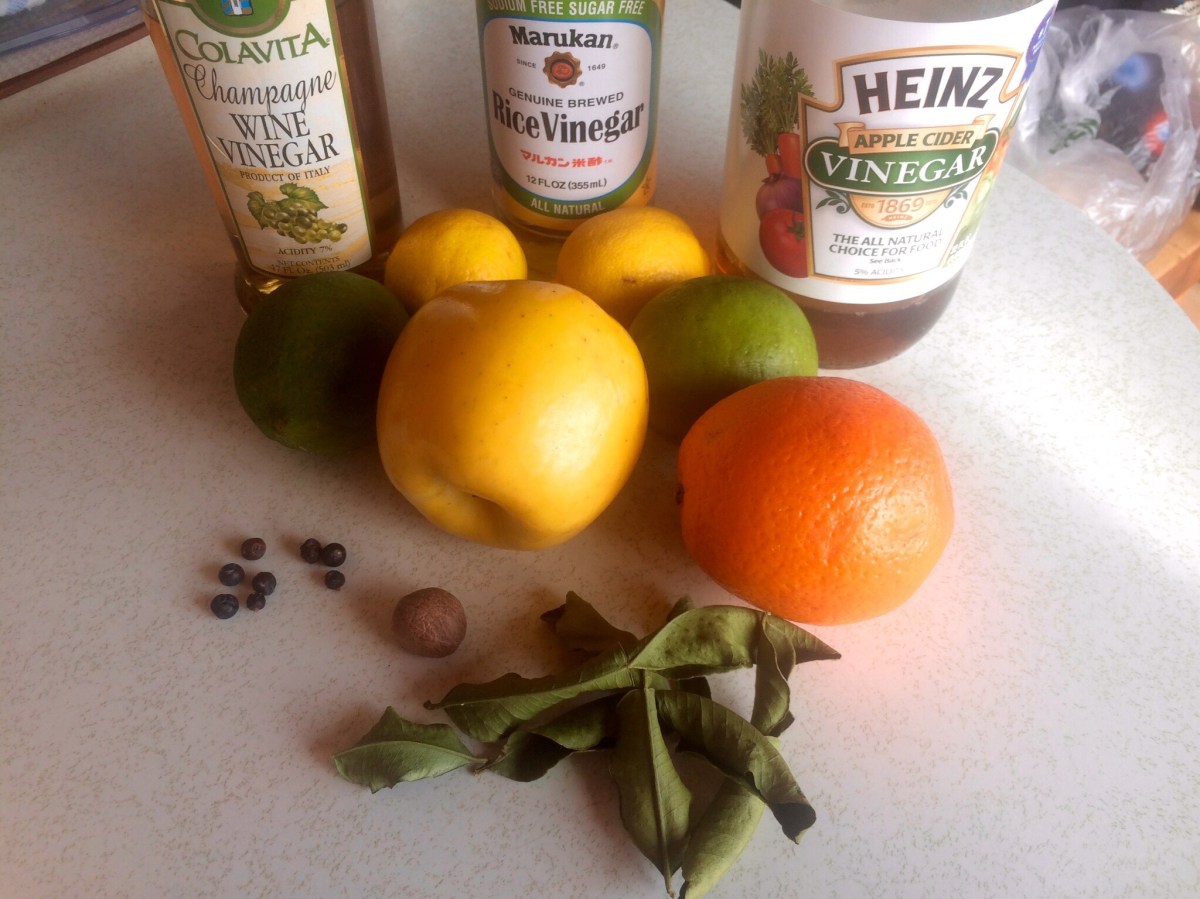
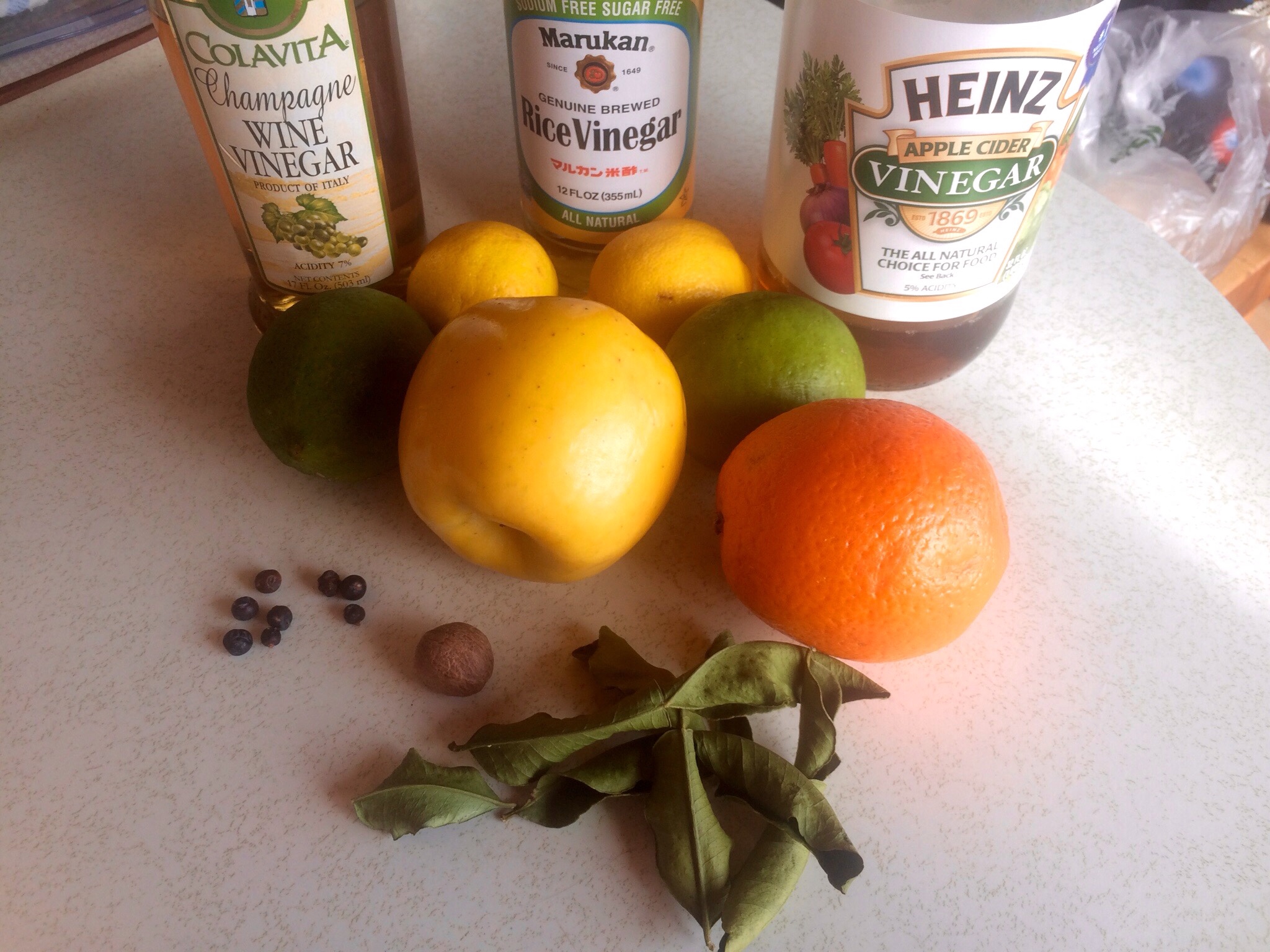
Citrus Shrub

1 Lime

1 Lemon

1 Navel Orange

2 Cups Cane Sugar

2 Cups Apple Cider Vinegar


Rinse the citrus, then place that in a large mixing bowl with 4 cups cold water and 1/4 cup white vinegar. Allow the fruit to soak for 15 minutes, then pour out the water, rinse and pat the citrus dry. This step is highly recommended for all store bought fruit, as a means of removing wax and residual chemicals prior to use.

Zest all citrus, then juice, and rough chop the remainder. Toss all into a glass or stainless steel bowl, preferably one with a nice, tight fitting lid.

Add the sugar and toss to thoroughly coat the fruit.

Cover the bowl tightly and refrigerate for three days, tossing gently once each day; the sugar will draw moisture from the citrus as it blends.

Remove the fruit from fridge and add the vinegar, stirring to blend thoroughly. Cover and return the bowl to the fridge for three more days, stirring once daily.

Now you're ready for final clarifying. Wash thoroughly and then sterilize a glass jar or bottle by immersion in water at a rolling boil for 3-4 minutes.

Remove the bowl from the fridge and carefully run the mixture through a double mesh strainer, (A colander with cheese cloth will also work.) squeeze the fruit by hand to get all the liquid out, then discard the fruit.

Strain a second run using a couple of layers of cheesecloth, or a single layer of butter muslin; this will remove excess pulp and clarify the final product nicely.

Pour the syrup into your sterilized glass bottle.

The syrup will be good for 2 weeks refrigerated, though I doubt it'll last that long.

Portion 2-3 ounces into a pint glass, then top up with sparkling water or seltzer and plenty of ice. A sprig of mint with a leaf rubbed around the rim makes a lovely garnish.

There you have the basics. The process is virtually identical for any variant you can think of. If you're using fresh or dried herbs and spices, they'll do best added with the vinegar, (for instance, that mint I mentioned makes a very nice adjunct to the basic citrus version we just made.)

Lemon, lime, Meyer lemon, orange, mandarins, tangerines, grapefruit, yuzu, berries, pomegranate and cranberry, solo or combined, will all make wonderful variants. By the same token, different vinegars yield broadly different shrubs; distilled white, cider, champagne, balsamic, wine, and fruit or herb infused have tremendous potential. Certainly there's room to play with sweeteners as well; local honeys, agave nectar, or raw sugars all will impart different notes to the finished product. Finally, add herbs and spices and the possibilities are bound only by your creative imagination. Here are a few more to try, then strike out on your own.


Very Lemony Shrub

4 Meyer Lemons

2 Cups Cane Sugar

2 Cups Champagne Vinegar

About 4″ fresh Lemongrass

5-6 Kefir Lime Leaves, (Fresh is best, dried will do)

1/4 teaspoon Lemon Thyme

Prepare as detailed above. Cut lemongrass into roughly 1/4″ rounds and add that plus the lime leaves to the initial mix with the sugar. Add the lemon thyme when you add the vinegar.


CranApple Shrub

8 ounces fresh or frozen Cranberries

2 Opal or Honeycrisp Apples

1 small Lemon

1 1/2 Cups Cane Sugar

2 Cups Red Wine Vinegar

1/2 Cup Water

1/2 teaspoon Ginger Root

1/4 teaspoon Fennel Seed

Pinch of Sea Salt

Rough chop apples, zest, juice, and rough chop remained of lemon.

Combine cranberries, apples, water, salt and sugar in a saucepan over medium heat. Simmer until about half the cranberries have popped.

Remove from heat, add lemon zest, juice, and pulp. Store in the fridge for 3 days.

Remove, mince ginger and add, plus fennel seed and vinegar; store refrigerated three more days.

Strain and bottle as per above.


Grapefruit Shrub

3 large Pink or Red Grapefruit

2 Cups Cane Sugar

2 Cups Rice Wine Vinegar

1 small Lime

2 sprigs Fresh Mint

2 Tablespoons Cashews

Zest, juice and rough chop grapefruit and lime, add to sugar and rest 3 days.

Chops cashews, and add with vinegar and lime for next 3 day rest.

Strain and bottle as above.