Butterflied Chicken


Gotta thank our friend Holly O’Reilly for sparking the creative flame on this one, so first off, go over to her blog and check out what she did.

I saw her post, then, as age would have it, promptly forgot I wanted to do it, until a text from Monica the next morning which read ‘Do you know how to butterfly a whole chicken?’

I responded with a ‘Yup, and it’s super easy!’ That made me wonder why it’s been so long since I’ve done it. I honestly don’t recall having prepped a bird this way in at least 20 years, which is truly a shame, because as Holly noted, it makes for a seriously juicy, crispy treat.

So, why is that? Why would this method lead to a better bird? The answer lies in volume. Chicken on the grill, barbeque, or smoker is hugely popular for good reason, but it’s also likely the top candidate for being dried out and overcooked. That, as much as any other factor, is a function of portion size. The smaller the chunk, the easier it is to over do it. Conversely, a whole chicken makes a fine vehicle for staying plump and juicy on outdoor cookers. I’ll usually advocate brining chicken before grilling, but if you’re in a hurry or planning dinner last minute, get a whole bird, butterfly it, and you’ve no need of brine.

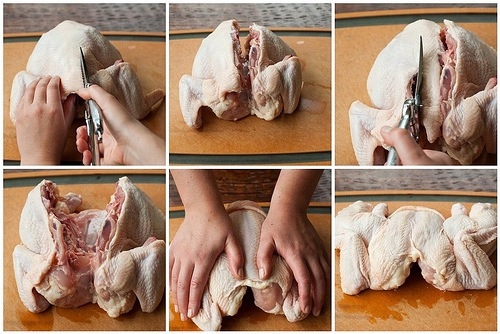
Making a chicken relatively flat is easy as all get out, and if, like Monica, (Sorry, Babe), you have a love-hate relationship with sharp knives, it’s a perfect process for you. A pair of decent kitchen shears is all you need.

After checking your birds for giblets, neck, etc, flip it over so it’s breast side down. Take your shears and line them up just to the right or left of the spine, and cut a straight line from cavity to pope’s nose. Repeat on the other side of the spine. That’s all the cutting you’ve got to do, (told y’all it was easy). Grab the spine and pull it away from the bird; there won’t be much left holding it on. Set that aside for stock making later.

Flip the bird over, and arrange it evenly, then give it a squish with your palms. You’ll end up with a beautifully butterflied bird, ready to rub and cook. I tuck the wings in against the body, so they cook without burning before the rest is ready.

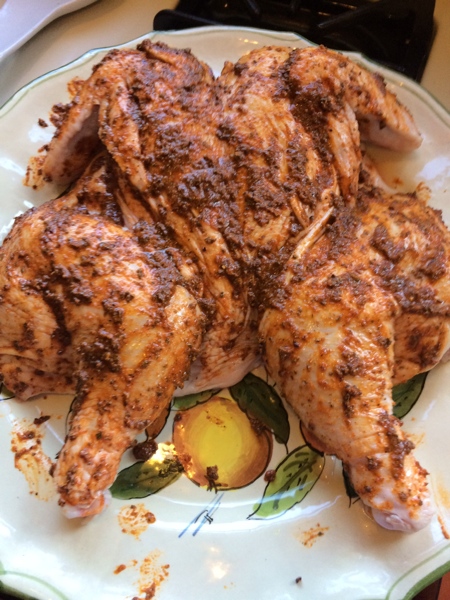
We wanted something bright and smoky for the rub; here’s what we used.

1 teaspoon black Pepper
1/2 teaspoon Grains of Paradise
1 teaspoon Alderwood Smoked Salt
1 teaspoon Smoked Sweet Paprika
1/2 teaspoon granulated Garlic
1 Tablespoon extra virgin Olive Oil
Juice of 1 Meyer Lemon

Combine all the dry ingredients in a spice grinder and give them a whirl. Add oil and lemon to dry in a small mixing bowl. Allow rub to rest for about 15 minutes, so flavors can marry. Rub evenly over the bird and allow to rest for another 15 minutes while the grill heats up.

I did this one over gas with one flip, starting breast side up, at about 325° F, for an internal temperature of 155° F. Remove it from the fire for a 10 minute rest, and your internal temp ends up right at 165° F.

We served the bird with grilled, marinated asparagus, and a lightly grilled Romaine salad, both with a Dijon vinaigrette made with Champagne vinegar, and a nice, cold Hefeweizen.

As Holly noted, there’re was very little left over, but there was went into the pot to make stock, as it should be.


Stuff Them Peppers!


I love peppers, and I love chiles. Notice I separate chiles and peppers? Lots of us do, even though that’s technically incorrect; sweet peppers are the same genus and species, (Capsicum Annuum), as the hot peppers referred to as chiles.

When it comes to cooking, I most often use chiles for heat and the fruity, earthy flavors they provide. Sweet peppers to me are for salads and stir-fries, soups and breakfasts, (I love them with eggs), and especially for stuffing. Sweet peppers certainly do have flavor, even if it’s a relatively minor note compared to the knockout punch of a hot chile.

Just as hot chiles have expanded in variety over the last couple of decades, so have the sweets. If you’re my age or older, then you probably remember back when you might find green bell peppers in the grocery and nothing else like it, (and their flavor was, uh, shall we say, lacking… ) Now you can find sweet bells in green, red, orange, purple, yellow, and even brown and white, as well as some great non-bell sweet types. My favorite options lately are the bags of small, sweet peppers we’re seeing quite often in stores. They’re perfect for salads, salsas, roasting and even stuffing.
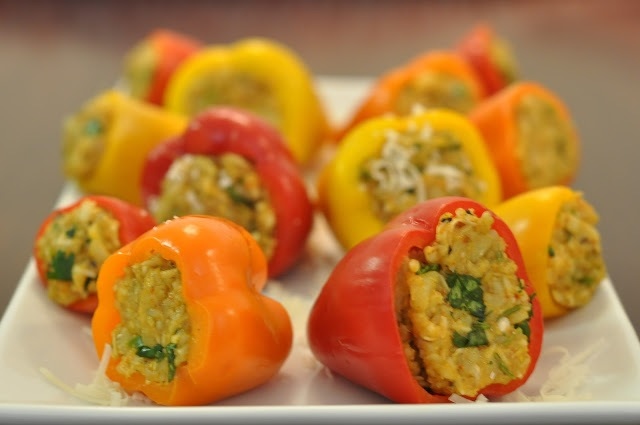
Sweet peppers are not only tasty, they’re good for you. In addition to containing notable amounts of Vitamins C and E, they pack abundant carotenoids, including alpha-carotene, beta-carotene, lycopene, lutein, cryptoxanthin and zeaxanthin, (Trust me, those are all good things).

Here’s a little primer on what’s out there these days, both for shopping and growing.

Green Bells.
These are the peppers so many of us grew up with. They too have grown up, and there’s a bunch of varieties out there to grow and enjoy. From the store, they have a slightly bitter, grassy flavor that goes great in salads, or as part of an aromatic base for sauces, stews and soups.

Purple & Chocolate Bells.
The least sweet of the bells other than green. They’re great raw in salads and probably are best left to raw uses, as that pretty purple hue turns to mud real quick when they’re cooked. They also tend to be wildly expensive, so if you love them, grow them.

Yellow & White Bells.
Mildest flavor of the bells. You may see whites as either a Bell variant, or referred to as a Hungarian Stuffing Pepper, (note that the white bells are often silly expensive…). Lightly sweet, with a nice hint of the grassy notes greens are prized for. These are great as part of an aromatic base, and for stuffing and roasting.

Orange Bells.
A bit less sweet and slightly more tangy than a red, orange bells are great raw in salads or roasted and stuffed.

Red Bells.
Far and away the most popular sweet peppers. Reds are genuinely sweet and fruity in flavor, and are fabulous in salads, with rice, or roasted.

Mild Hatch or Anaheims.
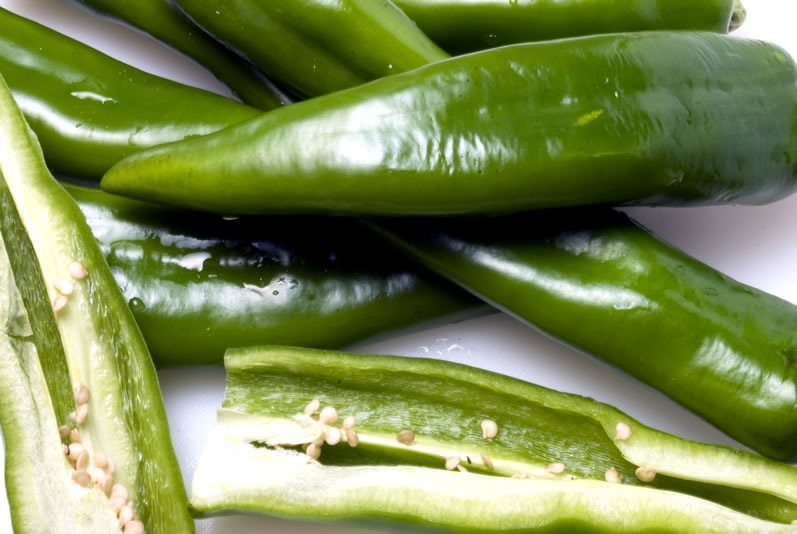
If a New Mexican chile lover reads that heading, I’m gonna get roasted…. Fact is, these long green and red chiles do come in mild form, but again, you need to take care when cooking with them, because hot ones can sneak in there. They’re wonderful for roasting, stuffing, salsa, and especially green sauces.
Red Pimento:
Sweet, yes, but some of these can be as much heat as sweet, so ask and try before you buy! Pimentos have an intense flavor base that holds up beautifully to roasting and preserving, (pickled peppers). They also are fabulous in aromatic bases, given their depth of flavor.

Sweet cherries.
While called sweet, these little round guys can also pack a bit of fire in them, so if you’re not a lover of such, taste before you cook! They have a dense sweetness that is perfect for roasting, salsa, and other Mexican sauces.

Sweet Cubanelles.
These long, slender chiles look a bit like a Serrano or an Anaheim, but are a notable lighter pale green color, (If you’re growing them, they will turn red if allowed to mature on the plant.) Cubanelles have a light, grassy sweetness that is great for roasting and stuffing.

Sweet Banana.

Same warning as the other non-bell varieties; there are hot bananas as well, so be careful, and test before you eat. They have a nice veggie flavor with a hint of heat, which makes them great for stuffing.

Notice how many of those guys up there I noted were great for stuffing? All the glory a sweet pepper has to offer comes out when you stuff ’em with wonderful things. Doing so and then slow roasting deepens the sweetness and intensifies minor flavor notes. And don’t make the mistake of thinking that this only works at home; you can slow roast on coals with aluminum foil, a Dutch oven, or a cast iron skillet. The sky is the limit on what you stuff with, but here’s a couple of my favorites to get the creative juices flowing.

1 Pound ground protein, (Beef, Chicken, Pork, Ground Turkey, Tofu, Cheese, or any combination thereof)
1/2 Cup Wild Rice
1 Cup Water
6 Sweet Peppers, (Bells, more if you’re using Cubanelles, Anaheims, etc)
2 large Tomatoes
1/2 Sweet Onion
1-2 cloves Garlic
1 Tablespoon extra virgin Olive Oil
1/2 teaspoon Oregano, (Hungarian is my favorite, it’s sweeter and milder than Mexican)
1/2 teaspoon smoked sweet Paprika
Splash of wine for deglazing, (Anything you’re drinking is fine, and if your drinking bourbon, etc, that’s fine too, if you’re willing to spare some…)
Sea Salt and fresh ground Pepper

Place rice and water in a saucepan over high heat and bring to a boil.
Reduce the heat, cover and simmer for 20 minutes.

Cut protein into bite sized chunks.
Lightly salt a large skillet or sauté pan over medium-high heat, and cook the protein until evenly browned.

Set the protein aside and leave the pan as is.

Field strip the peppers and keep the tops if you’re using bells. Arrange the peppers hollow side up on foil, or in a baking dish or Dutch oven. You may need to even out the bottoms a bit if you’re using a pan; thats just fine, but don’t cut through the peppers.

Dice tomatoes and onion, and mince the garlic.
Toss the olive oil into the pan you cooked the protein in. Once it’s heated through, toss in the onion and sauté until they’re starting to get translucent. Add the garlic and sauté for a minute or so, until the raw garlic smell is gone.

Time to deglaze. Splash whatever booze you’re drinking into the pan, (and it’s high proof and you’re cooking over flame, step back so you don’t burn your face off). Get a fork and work all the little bits of this and that loose in the pan; that’s some serious flavor you want in whatever you’re making. Any time you sauté an ingredient and then add that to a dish, deglaze, otherwise, you’re leaving good stuff out.

Add the tomatoes, rice, and protein to your pan and mix well.
Add oregano, paprika, salt and pepper; taste and adjust seasoning.

Remove the pan from heat and spoon the mixture evenly into your peppers, then pop the tops back on the peppers.

Roast in, ideally, 325° F heat for about 45 to 60 minutes, until the peppers are fork tender. If you’re doing this on a campfire, put the pan or foil bundle over low coals and let them work. If you’re on a grill, spread the coals or adjust flame and place your roasting pan on the side of your grate.

Serve with crusty bread, a green salad, and maybe a nice Wollersheim Prairie Sunburst Red. This winery is in Wisconsin and grows all their own stuff. Yes, Wisconsin, and they rock!

If you prefer a stuffed pepper with a little more pop, try our recipe for classic Oaxacan Chiles Rellenos. Trust me, it’ll knock your socks off in a good way!


Easter Ham & Potatoes Gratiné


Easter dinner is one of those Gotta Cook a Ham Days, if ever there was one.  

Technically, ham refers to a back leg or shoulder cut of pork, which is then salt-cured, smoked or dry aged. Hams are found both bone-in and boneless. It may be a bit harder to find bone-in hams from any of the big national butchers, and frankly, that’s just fine with me; like everything else, the closer to you the ham is produced, the fresher and better it is. We have a couple local butchers that do beautiful bone in hams; that’s what we opt for and what I’ll recommend to you: That beautiful bone just has more flavor, for my mind, and that big juicy bone will make fantastic stock for soup. When choosing your ham, figure about a quarter pound per person for a boneless jam and a half pound for a bone in.

 Now, that said, there are a bunch more variations on the ham theme out there, so us cooks have to pay attention to what we buy in order to provide optimal cooking, because techniques vary widely. Fresh hams take longer to cook than canned ones, cold-smoked hams are typically simmered, not baked. 

The BIG ham FYI is that most store-bought hams come fully cooked and only need to be heated through to 140° F internal temperature. 

With all that variety, it’s best to carefully follow the instructions from your butcher, (or on the package), for preparation and cooking methods and times. After cooking, rest hams for 10 minutes before carving.

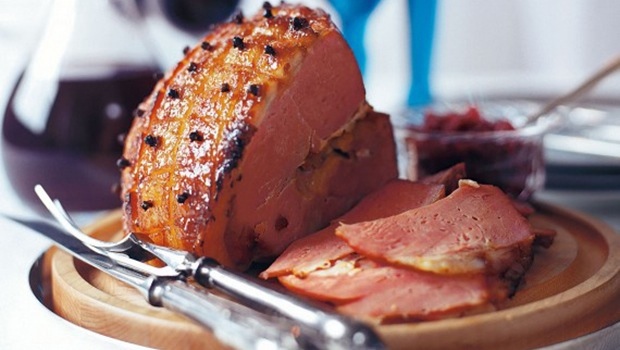
Now for any of those varieties up there, here’s our take on the famous glaze that so many go nuts for, the Honey Glazed Ham; whip this up for your brood without the big price tag. This recipe will be just right for a 5 to 6 pound pre-cooked ham.

2 Cups Honey or Agave Nectar

3/4 Cup Unsalted Butter

1/4 Cup Dark Corn Syrup

1/4 Cup whole Cloves

Juice of 1/2 fresh Orange

Pinch of Sea Salt

Preheat oven to 300° F.

With a very sharp paring knife, score a diamond pattern into the ham roughly 1/4″ deep; make the diamonds about 1 1/2″ or so.

Put the ham into a foil lined baking pan; pin a whole clove into the center of each diamond. 

In a heavy saucepan over medium heat, add the honey, corn syrup, butter and orange juice. Stir constantly to fully incorporate. Once the glaze is blended and heated through, add a tiny pinch of sea salt to taste; the salt should just brighten up the flavor a bit, not make it salty. Reduce heat to warm and stir occasionally.

Brush glaze evenly over ham, set ham onto rack in middle of your oven and bake for 1 hour and 15 minutes, re-basting ham every 15 minutes. 

For the last 5 minutes of baking, turn on broiler to caramelize the glaze; watch carefully during this phase so the glaze doesn’t burn!

Remove ham from oven and rest for 10 minutes before carving.


Scalloped Potatoes

House made scalloped potatoes not only beat the pants off anything store bought or in a package, they’re easy to make, too. Don’t just save these babies for ham; they go great with chicken or beef as well, and dressed up with bacon, sour cream and green onions, make a decent main dish. 

‘Scalloped’ Potatoes is a bit of a misnomer, actually. Scallop derives from ‘escalloped’, from the French, meaning  to bake food, usually cut into pieces, in a sauce or other liquid, often with crumbs on top. Technically, that dish refers to fish, and sort of got adopted informally for spuds as well; gratiné is actually the more accurate title for this recipe, frankly.

A few general thoughts on making perfect Spuds Gratiné. Potato variety is critical to great spuds, and Yukon Gold is the go-to for these. Next comes the prep, and slicing them thinly and uniformly is the key there; about 1/8″ will do the trick. For the sauce, 50% – 50% heavy cream and whole milk will give you the perfect balance of texture and creaminess; while you can use lighter dairy, doing so will not yield great results, frankly. Also, avoid ultra-pasteurized dairy

Potatoes Gratiné

6 – 8 Yukon Gold Potatoes

1 1/2 Cups Heavy Cream

1 1/2 Cups Whole Milk

1 Cup Extra Sharp White Cheddar

2 Tablespoons Whole Wheat Pastry Flour

2 Tablespoons unsalted Butter

1/2 teaspoon Marjoram

1-3 cloves Garlic

1-2 shots Tabasco sauce. 

Sea Salt 

Freshly ground Grains of Paradise (Black pepper is fine too)

Preheat oven to 375° F

Lightly oil a 3 quart baking dish.

Cut potatoes evenly into 1/8″ slices. You can peel them if you need to, but best to leave them on for the nutrition. Submerge in ice cold water until ready to incorporate.

Smash garlic cloves under the side of a chefs knife, peel and mince.

Grate cheddar.

In a heavy saucepan over medium heat, melt the butter thoroughly. Add the flour, stir into the butter to form a roux. Gradually add the milk, stirring constantly. Add the cream next, slowly and evenly. Add the garlic, marjoram, 2-1/2 teaspoons salt and 1 teaspoon grains of paradise, stirring steadily. When everything is fully incorporated and heated through, remove from heat and set aside.

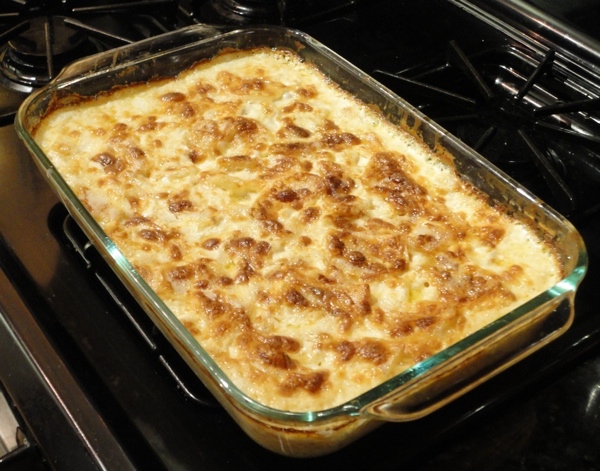
Drain the potatoes and pat dry with a paper towel. Arrange a slightly overlapping single layer of potatoes in the baking dish, then ladle a generous layer the cream sauce the potatoes. Repeat with the remaining potatoes and cream mixture. Three to four layers of potatoes and sauce is just about right; make sure you end up with a sauce layer. 

Spread the last of the cheese evenly over the top of the dish.

Bake until the potatoes are fork tender, about 45 to 50 minutes.

Let the potatoes rest for 5 to 10 minutes before serving.


Paella, Minnesota Style


You might just wonder what would possibly bring the classic Spanish dish Paella together with Minnesota. Well, fact is, Minnesota is the largest U.S. Exporter of freshwater crayfish, bar none, and paella just begs for nice juicy crayfish, so there ya go. On top of that, we’ve got dear friends up there, so this ones for y’all.

Paella is made just about everywhere these days, but it originated in the Valencia region on Spain’s east coast. Like barbecue or chili over here, there are easily are as many versions of paella as there are cooks. While you’ve got all kinds of leeway as to what you put in a paella, there are some hard and fast rules if you want an authentic dish; we’ll cover those bases shortly.

It’s generally agreed that the roots of paella stem from the 1700s, when field workers would make rice dishes in a flat pan over a fire. They mixed in whatever they could find – such as snails and vegetables, crawfish, and maybe rabbit or chicken for special occasions. I’ve seen and eaten a lot of paella, good and bad. Essentially, paella is a rice dish and it should always be that; putting so much stuff into it that the essence of the rice dish is lost just ain’t right. Our version below is lovely stuff, and pays homage to the dishes roots along with a nod to midwest delights like fresh game sausage and crawfish. Once you’ve made paella, your mind will already be turning to what you’ll do differently next time; it’s one of those kinda dishes.

As mentioned, there are a few hard and fast rules you must abide by when making paella, and here they are.

Paella Rule#1: You must cook paella over a fire. Whether you use a charcoal grill, gas grill or fire pit is up to you, put it’s gotta be done. The reason for this is rooted in Paella Rule #2; if you’re gonna use that big, wide pan, you gotta be able to put even heat under all of it, and there’s no stove in our houses that’ll do the deed. If you really catch the bug, there are dedicated gas paella cookers with 2 or 3 rings, adjustable flame, and a nice, sturdy tripod base.

Paella Rule #2: you gotta use a Paella Pan. A traditional paella pan is a large, flat, open round steel pan with handles. Nothing else will get the rice to do the right thing, and if it don’t, it ain’t paella. La Tienda sells them, and you can find them on Amazon as well. Granted, if you only make paella once, it’s not worth the purchase of a pan; once you’ve tried it, I’ll bet you’re hooked, and you’ll want one for sure.

Paella Rule #3: you gotta use genuine Bomba rice. This medium grained, almost round rice from the Levante, (the eastern coast of Spain), absorbs a lot of liquid, which makes it particularly suitable for paella. You can order bomba rice from many online Spanish food retailers, including La Tienda, which is where we get ours. This stuff is a delight and well worth buying.

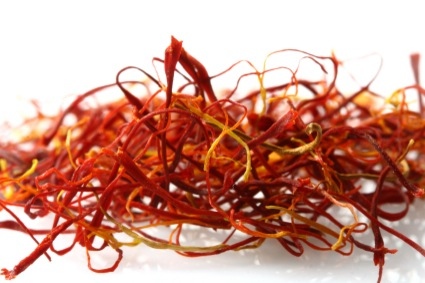
Paella Rule #4: you gotta use real saffron. It is, you’re about to discover, the most expensive spice on the planet. Don’t buy a lot, and don’t buy the cheap stuff. Get the best grade you can afford. When the recipe says a ‘pinch’, I mean a few strands, maybe 6 or so. It’s that expensive, but also that potent. Too much leaves a nasty metallic taste that’ll ruin a paella; we’re after the lovely yellow-gold color it imparts as much as taste, so go easy.

OK, so on to the recipe. This is my take on the roots of authentic paella, with a nod to Minnesota in the sausage and crawfish components.

1 Pound smoked Pheasant Sausage, (Any homemade game or chicken sausage works fine)
1 Pound freshwater Crayfish
12 Ounces Bomba Rice (Medium Grain will do in a pinch)
4-5 Cups Chicken Stock (or broth)
1 Cup White Wine
2 Tomatoes
1 sweet Onion
1 yellow or orange Bell Pepper
1/2 Cup Peas
1/4 Cup Italian flat leaf Parsley
1 sprig fresh Thyme (or 1/2 teaspoon dry)
1 pinch Saffron
2-3 cloves Garlic
1/2. Teaspoon smoked, sweet Paprika
1 Lemon
4 Tablespoons extra virgin Olive Oil
Sea Salt and fresh ground Pepper to taste

Rinse, core, seed and dice the onion, pepper, and tomatoes.
Chiffonade the parsley, peel and mince the garlic.
Cut lemon into equal slices and set aside for garnish.
Cut sausage into roughly 2″ chunks.

In your paella pan over medium heat, add olive oil and heat through.

Toss in the onion, garlic and pepper; sauté until the onion starts to go translucent. Remove the veggies to a bowl and set aside.

Add sausage and cook until evenly browned. Toss it into the bowl with the veggies and set aside again.

Add the rice to the pan and sauté dry for 2 to 3 minutes.

Stir in 3 cups of chicken stock, the wine, the thyme, paprika, and the saffron. Season lightly with salt and pepper.

Increase heat to medium high and bring everything to a boil, then reduce heat until you’ve got a nice, even simmer going; cook for 15 minutes; stirring occasionally.

Taste the rice, and check to see if it’s pretty much done; it should be a bit too al dente at this point. If it’s not close yet, add another 1/2 cup of chicken stock stock and continue cooking, stirring occasionally. Add additional stock as needed, up to 5 cups total. Continue to simmer until the rice is done.

Toss in the sausage and veggie mix, as well as the tomatoes and peas. Simmer for another 5 minutes.

Add the crawfish on top of the dish, cover with foil, and simmer for 5 minutes.

Remove the foil, sprinkle parsley evenly over the dish.

Serve hot in bowls, dished right from the paella pan, and garnished with the lemon wedges. Make sure you’ve got lots of fresh, crusty bread, and a nice white wine, (I’ll suggest the Wollersheim Dry Reisling as the perfect accompaniment.)

Salut!

Spuds Three Ways


Ah, potatoes;
Do we ever get tired of them? Counting all the ways they’re enjoyed for all three daily meals, I’d say not.
Maybe you’re stuck in a rut for variety, though, and need a little push? I got yer back on this. Here’s a delicious trio to try, one over the top, one pretty healthy, and one in between.


Twice Baked

4 large Russet Potatoes
1 Cup heavy Cream
1/2 Cup Sour Cream
1 Cup Extra Sharp Cheddar Cheese
4 ounces Butter
4 strips thick cut Bacon
4 Green Onions
Sea Salt & fresh ground Pepper
Extra Virgin Olive Oil
Dash of Tabasco

Preheat oven to 325° F

Rinse your spuds and pat dry with a clean towel.

Coat whole spuds with olive oil by hand, place in a glass baking dish. Season the skins evenly with salt and pepper.

Slide the spuds into the oven and bake for about an hour, until the spuds are fork tender.

Fry bacon, dry on paper towels and chop to a 1/4″ dice.

Rinse, strip roots and any nasty stuff from green onions, and chop those to a 1/4″ dice.

Grate cheddar cheese.

When the spuds are ready, pull them out of the oven and let them cool just long enough to handle with a clean towel, (in other words, still quite hot).

Reduce oven heat to 250° F.

Cut the spuds into lengthwise halves, then carefully scoop the guts into a mixing bowl, keeping the skins intact.

Add cream, sour cream, half the cheese, bacon, onions and butter to spuds and blend thoroughly. Add salt and pepper to taste.

Refill the skins with the spud mixture, top with the remaining cheese and slide those guys back into the oven; bake for another 15 to 20 minutes.

Serve hot. Great by themselves, or with a nice salad. Pair with a nice Fumè or Dry Reisling.


Roasted

8 – 10 small potatoes, (try a red, white and blue variety)
1\2 Sweet Onion
1-2 cloves Garlic
1 small sweet Pepper, (red, yellow or orange as you please)
2″ sprig Rosemary
1/2 teaspoon Thyme
Sea Salt and fresh cracked Pepper
Extra Virgin Olive Oil

Preheat oven to 325° F.

Rinse and field strip onion, garlic and pepper, (in case you’re new here, ‘field strip’ means remove outer skin, cores, seeds and membranes, as needed.)
Rough chop onion and pepper into about 1″ pieces, quarter the garlic cloves.

Rinse, pat dry, and halve potatoes.

Toss spuds and veggies into a large mixing bowl. Add a couple tablespoons of EVOO, ( Extra Virgin Olive Oil), and toss to incorporate. Strip leaves from rosemary and add to bowl with thyme, salt and pepper. Toss to blend.

Throw everybody into a glass baking dish, and bake for 30 to 40 minutes, until potatoes are fork tender.

These are a great side for broiled fish, roasted game or bird.


Latkes, (AKA, best potato pancakes ever)

5 medium Russet Potatoes
2 medium Sweet Onions
3 medium Eggs
1/4 to 3/4 Cup Flour
1 teaspoon Sea Salt
1/2 teaspoon fresh ground Black Pepper
1/2 to 3/4 Cup Oil

For the flour, unbleached all purpose is fine, but try whole wheat pastry as well, it’s very nice indeed.

For the oil, stick to Sunflower, Canola, or Corn; they won’t add any heavy flavor notes to the latkes. And speaking of oil, oil temperature is critical to good results when frying; oil maintained at 350° F will ensure nice light, crispy results that don’t taste and feel soggy. Use a candy thermometer to track oil temperature, and always add foods to be fried sparingly to allow the temperature to stay where it needs to be.

Peel your spuds and toss them into a large mixing bowl filled with enough ice water to completely submerge them.

Skin and trim ends from onions. Toss them into the ice water with the spuds.

Add oil to a frying pan over medium high heat; you’ll want about 1/4″ of oil or so. Have your thermometer handy for gauging oil temp.

Drain your spuds and onions and pat dry with a clean paper towel.

Grate the potatoes and onions with the finer side of a hand grater, or use a food processor or blender if you prefer. The hand method gives the best results for my mind. You want a nice, consistent size and blend of spuds and onions.

Check your oil and adjust heat so you’re sitting right at 350° F.

Place a platter lined with paper towels in your oven and preheat to Warm.

Toss the spud and onion blend into a colander lined with paper towels and gently squash the mix to remove excess water.

Dry off that large mixing bowl and toss your spud/onion blend in.

Lightly beat the eggs by hand and add them to the spuds and onions, then add the salt and pepper.

Add flour 1/4 cup at a time until the mixture holds together on its own, like a chunky pancake batter.

Fill a large soup spoon with a heaping hunk ‘o batter. Slip that puppy into the hot oil and gently squash it down into a cake. Fry one side for approximately 3-5 minutes, until golden brown, then and fry the other side for another 2 to 3 minutes. Look for that nice golden brown on both sides.

Now slide those little golden beauties onto the paper towel covered platter in the oven and keep fryin’. Add a little more oil if needed and watch that oil temp.

Serve nice and hot with the applesauce and a little dish of sour cream, crèma or crème fraîche. Latkes deserve to be a meal and they won’t disappoint; pair with a local sparkler or hard cider.

New England Roasted & Steamed Dinner


So, St. Patty’s Day is coming quick. All of a sudden, you experience a big tinge of traditional cooking fever. ‘Corned beef and cabbage’, your internal idea light bulb reads; now, that’s a good idea, but here’s one better from my New England homeland. Boiled Dinner is traditional where I grew up, and done like we’re gonna do it, it’ll have a leg or two up on just plain ol’ cabbage.

We’ll start this take on a regional specialty with house made corned beef. I realize this post is gonna hit you guys too late for this year’s Green Day, so go buy some corned and some fresh beef; use the former for Monday, and the latter for next week. It’s so good, you’ll have no problem enjoying it twice.

So, corned beef; had an email the other year asking why I bother making my own, when it’s so cheap at the store. The simple answer is that good homemade is far better than dang near anything in the store. And with any great housemade dish, you can put your own signature stamp on it.

So what is ‘corned’ beef anyway? For this use, the term stems from Old English for grain, which included grains of salt. So this corn means curing meat with salt. The great thing about making it at home is that corned beef lends itself to rougher cuts of beef. Brisket is perfect for this, ’cause it’s cheap, flavorful, and readily available these days.

Oh, and for the record; do not limit yourself to beef once you’ve got the hang of it. I’ve corned deer, elk, and moose and they’ve all been fantastic, so keep that in mind next time you poke your nose in the freezer.

House Made Corned Beef
2-3 Pounds Beef Brisket
1 Quart fresh, clean Water
3/4 Cup Kosher Salt
1/4 Cup light brown Sugar
2 teaspoons Pink Salt
1-2 cloves fresh Garlic

NOTE: Sodium Nitrite, AKA curing or pink salt, can often be found in hunting and fishing stores that carry grilling, smoking, barbecue and sausage making supplies, if your grocery doesn’t carry it. If you can’t find it in your town, Butcher & Packer, Leeners, and Amazon all carry it as well. While it’s not needed in this recipe for food safety considerations, it is, for my mind, absolutely necessary, because it imparts a distinct color and taste that you can’t get otherwise.

Alright, here we go.

Prepare pickling spice. (If you don’t have all these goodies in your pantry, shame on you! And yes, it’s OK to buy a jar of pickling spice this time, but don’t let me catch you without them again…)
1 Tablespoon whole Black Peppercorns
1 Tablespoon whole brown Mustard Seed
1 Tablespoon whole Coriander seed
1 Tablespoon whole Allspice Berries
1 teaspoon whole Szechuan Peppercorns
2″ Cinnamon Stick
2 Bay Leaves
1 teaspoon whole Cloves
4-6 Juniper Berries

Break up cinnamon stick, crush juniper berries, crumble bay leaves, then combine all ingredients and blend thoroughly. Set aside.

Prepare a quart of ice cold water; put it in fridge or freezer.

If your brisket has a fat cap, trim that and any obvious external fat prior to Corning.

Mince your garlic.

Add 1 quart fresh water to a stock pot and bring to a rolling boil. Add salt, curing salt, sugar, garlic, and half the pickling spices. Stir until sugar and salts are dissolved.

Remove brine from heat and add 1 quart of ice cold water. Stir to incorporate and cool brine rapidly. Place brine in fridge for at least 3 hours.

Place brisket in a bowl, dish or storage container just large enough to hold it with at least 2″ above the top of the meat. Pour brine over brisket until it’s completely submerged; again, at least 2″ of brine above the meat. If your meat wants to float, weight it with a plate.

Refrigerate for 5 days. You may turn the beef once if you like, but it’s not critical to the process.

When the magic day arrives, pull your beef outta the fridge.

Prepare a soup or stock pot just big enough for the beef and plenty of liquid.

Gather, rinse, peel and rough chop 1 medium sweet onion, 1 carrot, and 1 stalk celery, (Or, if you’re fortunate enough to have leaves on a nice, fresh bunch of celery, use those instead!)

Pull your beef outta the brine and rinse it thoroughly under cold running water.

Toss the beef into your pot and then add clean, fresh water until you’ve got about 2″ over the beef. Toss in the onion, carrot, celery, and all but 1 teaspoon of the pickling spices.

Bring to a boil over high heat, then cover and reduce heat until you’ve achieved a low, steady simmer.

Cover the pot and let the meat simmer for two hours, or until fork tender. If your water level drops, add more to keep the meat covered.

When the beef is fork tender, remove from the pot, and let rest for at least 30 minutes prior to cutting.

Now, for that New England Dinner; I love this stuff, with real brown bread redolent of molasses and plenty of nose stinging horseradish on the side. As mentioned, boiling can take a bit more of the flavors and nutritional value out than we’d like, to I’ve taken to a combined roast and steaming process.

For four people, gather
16 small potatoes, (waxy reds and whites are nice)
2 Sweet Onions
1 head Green Cabbage
6 Carrots
2-3 cloves Garlic

NOTE: If there are other nice winter veggies you love, add them! Parsnips, Jicama, Brussels sprouts instead of cabbage, chiles, tomatillos, your imagination is the limit.

Preheat oven to 250° F.

Rinse all produce. Halve potatoes; skin, cut off ends and quarter onions. Remove outer leaves, cut off stalk and quarter cabbage. If you carrots aren’t fresh, peel them and cut into roughly 3″ chunks. Peel and halve garlic.

Arrange veggies in a baking pan, drizzle with a little extra virgin olive oil, lightly salt and pepper. Roast them for twenty minutes, to bring the sugars out a bit and deepen flavors.

Prepare a steamer with at least 2″ of fresh water. Use a pot large enough to fit all veggies plus about half your beef, (or a quarter pound for each person).

When your steamer is producing steam actively, toss in the remaining teaspoon of pickling spices and 1/2 teaspoon of salt. Add beef and all veggies. Steam until veggies are fork tender, about 15 minutes.

Transfer to a platter and serve hot, with fresh horseradish, brown bread, and a nice local IPA.

And WEAR GREEN on Monday!