Pickled Black Eyed Peas – A Paean to Helen Corbitt


Throughout the south, New Years Day is the one for building a lucky meal based on black eyed peas, (BEPs). Whether it’s with a ham hock and greens, or hoppin’ john, a whole lot of those perky little field peas get eaten on January first.

Field peas are grown over millions of acres worldwide. Closely related to green peas, they are an annual crop that originated in India, then migrated to Africa, and to North America some 400 years ago.

While we all pretty much have heard of the black eyes, there’s a bunch more cultivated and enjoyed here in the states – look up the Mississippi Silver, Texas Cream, and Dixie Lee varieties and you’ll get the picture. Check out Rancho Gordo, or Camellia for great dried black eyed peas, and Camellia offers several other field pea varieties.

Popular as they are, black eyed peas do present a bit of a problem for many folks – they just don’t like the taste. Field peas in general, and BEPs in particular are not bland – they’re quite bold in flavor, with an earthy, almost funky top note that many find off putting.

Perhaps the most famous hater of BEPs was Helen Corbitt, an Irish Yankee force of nature who, against her better judgement, took a job teaching catering and restaurant management at UT Austin in 1940. Her comments on that speak to her wonderful personality – she said, ‘Who the hell wants to go to Texas? Only I didn’t say ‘hell’ in those days. I learned to swear in Texas.’

When Corbitt hit the Lone Star state, its cuisine was generally abysmal. Helen Corbitt almost single handedly raised the bar of cooking in Texas – But black eyed peas remained her kryptonite, until she came up with the perfect solution, having moved on from UT to take over restaurant management at Neiman Marcus – Texas Caviar.

Texas Caviar was, under Corbitt’s skilled hand, basically quick pickled black eyed peas – BEPs with onion, garlic, oil and vinegar, a pinch of salt and twist of pepper – and my oh my, were they popular. Neiman Marcus sold a ton of it. So if you or someone you love can’t quite hack the taste of BEPs, Helen’s brilliant twist on those field peas is the answer.

Look up ‘authentic Texas Caviar recipes,’ and you’ll find a raft of them – almost all of which have everything but the kitchen sink in the mix, and almost none of which mention Corbitt or reflect her original recipe. Fact is, the specter that Helen faced when she arrived in Austin has risen again with these recipes – canned goods, evident in spades. Canned corn, tomatoes, chiles, green peas and black beans, just to name a few.

You’ll also find bell peppers, sugar, bottled salad dressing, avocados, and… yeah – you get the picture. Now, to be fair, a lot of that may be added to hide the funk of BEPs, and if so, Helen would likely approve.

Here’s my swing at a recipe based on Helen Corbitt’s original inspiration, with just a twist or two reflecting things I really like. When Helen came up with this gem, it was 1957 – she didn’t have a whole hell of a lot of choices for onion varieties, oils, or vinegars – even jalapeños would have been a bit exotic back then. Now we have choices galore, and those should be celebrated – Helen would want us to do just that.

Try it out, and then tweak it to exactly how you like it and make it yours – you can certainly do a vinegar brine without oil if you’d like to. Whatever you make, don’t even think about using canned peas – cardboard, even nicely pickled, remains cardboard at heart.

Thank You Helen Corbitt Pickled Black Eyed Peas


4 Cups cooked Black Eyed Peas

1/4 small Onion

1 Jalapeño Chile

3 fat Cloves fresh Garlic

1/2 Cup Avocado Oil

1/2 Cup Pineapple Vinegar

6-8 twists fresh Black Pepper

3 finger pinch Kosher Salt

Peel, end trim and dice onion.

End trim and dice jalapeño – Field strip the chile if you want less heat, AKA remove the white inner membrane – that’s where the heat lives in chiles, not in the seeds.

End trim, smash, peel and mince garlic.

Pour cooked beans into a clean quart mason jar.

In a small mixing bowl, combine oil, vinegar, salt, and pepper and whisk with a fork to fully emulsify.

Pour dressing over the beans, leaving about 1/2” head space.

There will likely be a bit too much of everything to get it all in the jar – Darn – guess you’ll just have to scarf that down…

Seal jar and refrigerate for at least 3-4 hours to allow the flavors to marry and the tartness to develop – and overnight is even better.

Will last about 5 days refrigerated – as if it’ll be there that long…

Roasted Brussels Sprouts To Die For


M and I have transitioned from hosting major holidays to a supporting role. I can’t say as we’re particularly bummed about that either…  Anywho, we do bring dishes with us of course, so when M said she needed ‘about 50 Brussels sprouts’ for Thanksgiving, I raised an eyebrow and did as I was told. Sure as shootin’ we ended up with a bunch we didn’t bring to the big shindig – And there you have it, another leftover that could use a little help. What I came up with to make proper use of them sprouts was absolutely delicious – in the immortal words of Jackie Chan, ‘no bullshit.’


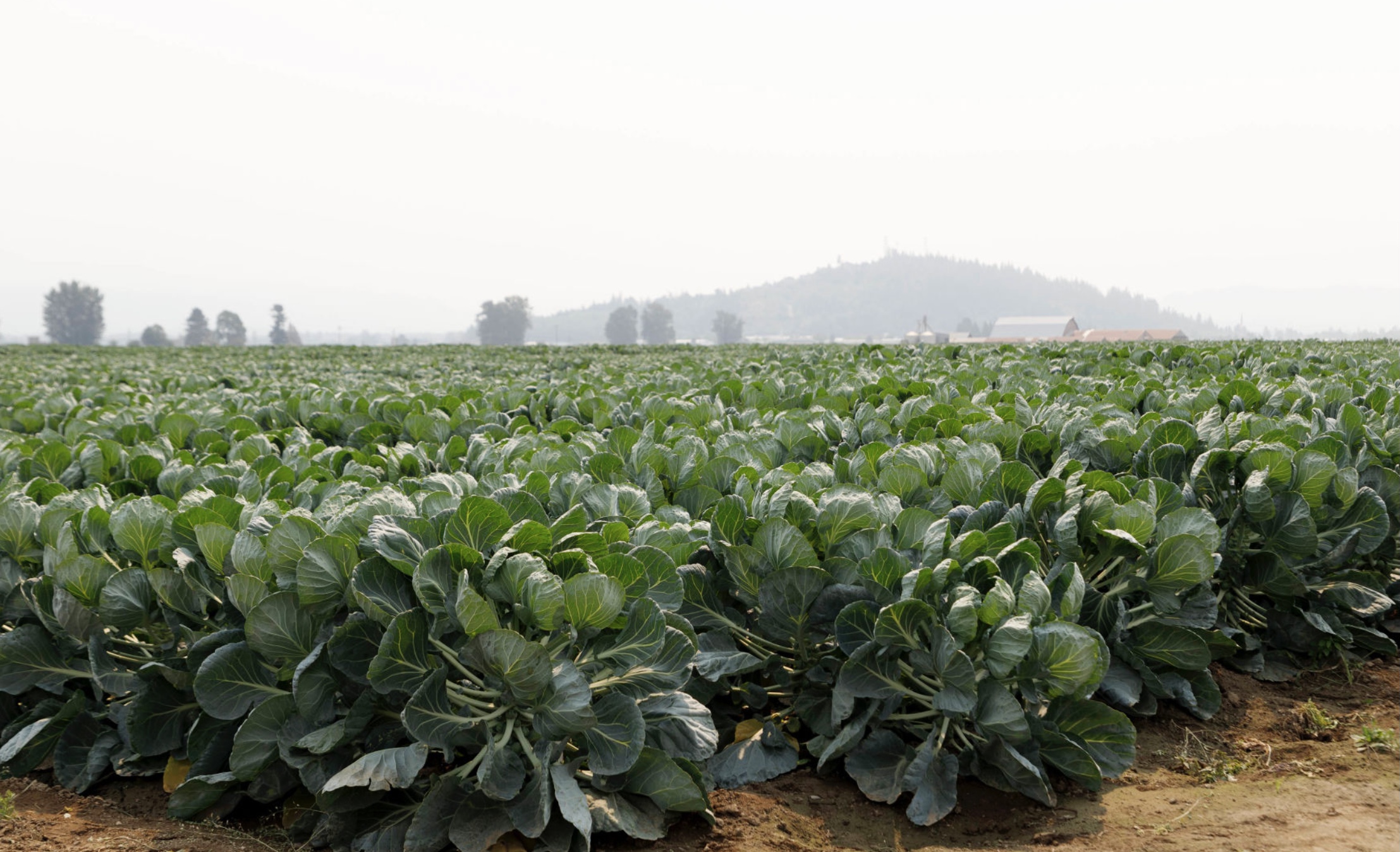
Brussels sprouts are a cabbage family member, Brassica oleracae. Native to the Mediterranean, they hit Europe in the 5th century and became wildly popular in Belgium, specifically around Brussels, (and they still are). They’re a slow growing crop that likes cooler, moister weather – planted in spring, they get harvested in late fall. Just south of us in the Skagit river valley, farmers grow thousands of acres of these little gems. You’ll see them on the west side of I-5 when you motor along down there.


Sprouts get a bad rap as boring or down right gross – and that’s wildly unfair. If you like the cabbage family, you should love Brussels sprouts. If you don’t it’s probably for one of two reasons – either you got fed less-than-fresh sprouts, or the recipe really was boring. 


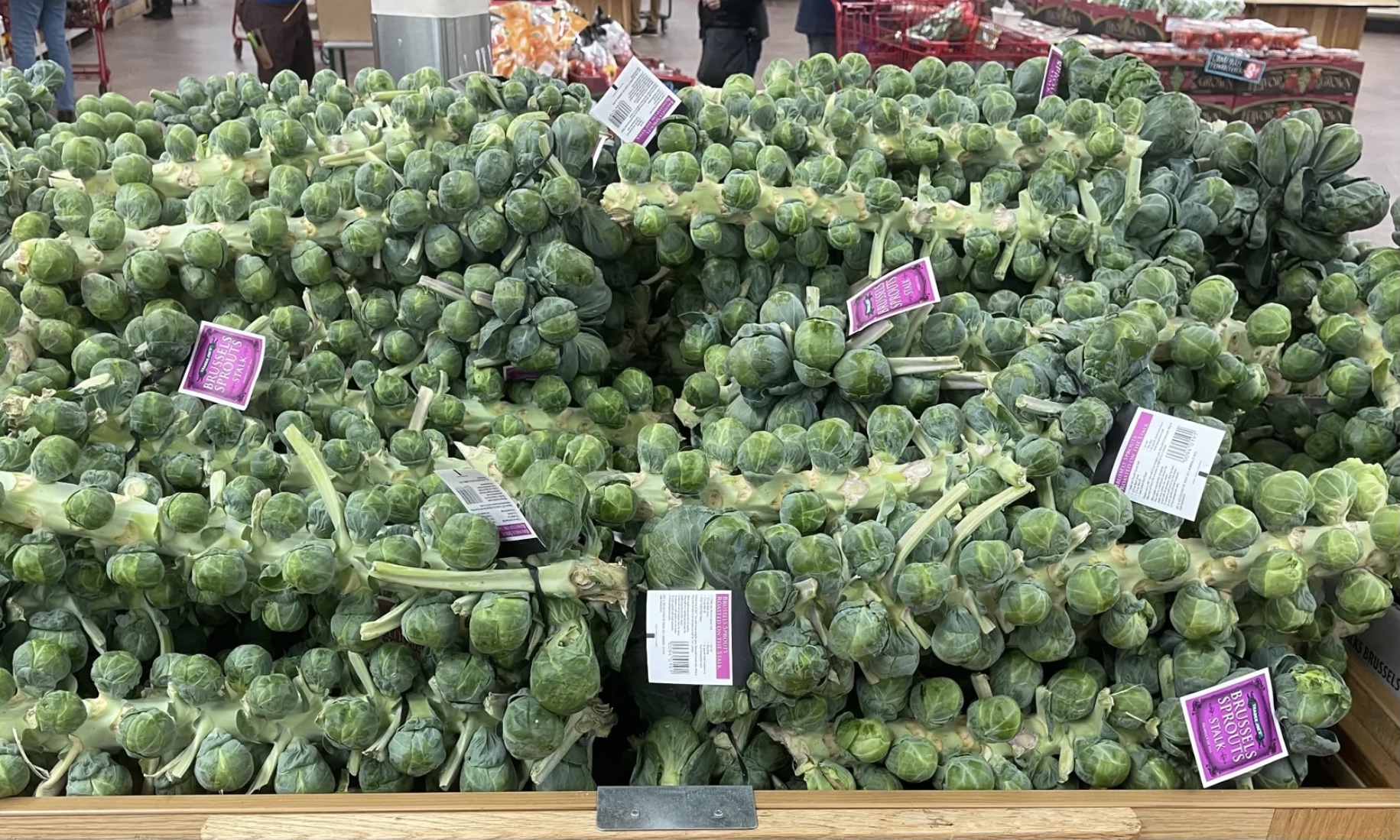
Besides being delicious, sprouts are packed with vitamins and minerals, and low in calories and carbs to boot. How do we pick nice fresh ones? Opt for ‘em on the stalk if they’re offered. Look for nice, tightly packed, bright green ones, and avoid stuff with yellowed or browned leaves. Fresh sprouts should feel heavier than you’d expect them to be, and size-wise, smaller means sweeter.

There’s a bunch of great options for enjoying these little apprentice cabbages, but I won’t recommend boiling them. More often than not, that’s gonna yield soggy, mushy sprouts. While you might not relish chawing on a whole raw sprout, they’re wonderful thinly sliced in salads. They’re great in soups or stews. If you dig sauerkraut, pickled sprouts are gonna float your boat for sure. Thinly sliced quick-pickled raw sprouts are fabulous on tacos. 

After a simple, quick presentation? Gently steam sprouts for 5 to 7 minutes, and test with a fork – they should be firm, not overly soft. They’ll continue to cook a bit after you remove them from the heat – add herbs, oil, etc as you like at that point. You can also sauté halved sprouts with great results – again, test with a fork to make sure you don’t overdo it.

For M2¢W, roasting the little buggers is the way to go. That’s what I did last night, paired with chicken cordon bleu and Yukon gold spuds. Many roasted recipes you’ll find add a lot of other stuff  – cranberries, nuts, sweet potatoes, and such. All of that is yummy, but for my mind, we should honor sprouts, not hide them. My recipe keeps it super simple, with ingredients picked solely to make the sprouts the star of the show. M declared them ‘the best ever’ and I agree – we’ll be keeping this one in our quiver for sure.


Urban’s Roasted Brussels sprouts

This recipe was for two folks – you can scale up or down as needed

16 small, fresh Brussels Sprouts 

2 Tablespoons Avocado Oil (Olive is fine too)

1 fat clove fresh Garlic

1/2 small fresh Lemon

1 teaspoon Pineapple Vinegar (apple cider is fine)

1 teaspoon Greek Oregano

4-5 twists fresh Pepper

2 finger pinch Kosher Salt


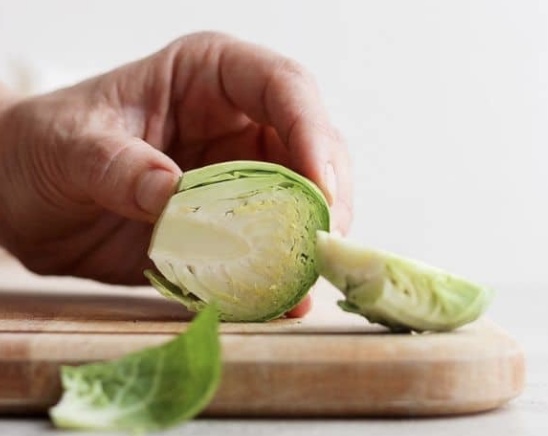
Rinse and end trim sprouts, then cut in half lengthwise, (from top through base). Usually, you’d remove the exterior leaves at this point, but leave ‘em on here – they’re gonna make delightfully little crunchy wrappers for you.

End trim, smash, peel and mince garlic.

Zest and juice the half lemon.

In a small non-reactive mixing bowl, combine all ingredients and toss with a soup spoon to incorporate and coat the sprouts.

Let everything sit and marry for about 15 minutes. If you pair these with potatoes, now’s the time to pop the spuds in the oven – they’ll need about 15 minutes more than the sprouts.

Preheat oven to Roast 375° F – If your oven doesn’t have a roast setting, crank it up to 400° F and position a rack one slot above center.

In a small cast iron or heavy skillet, add all ingredients and give a couple more stirs with the spoon to re-coat everything. 

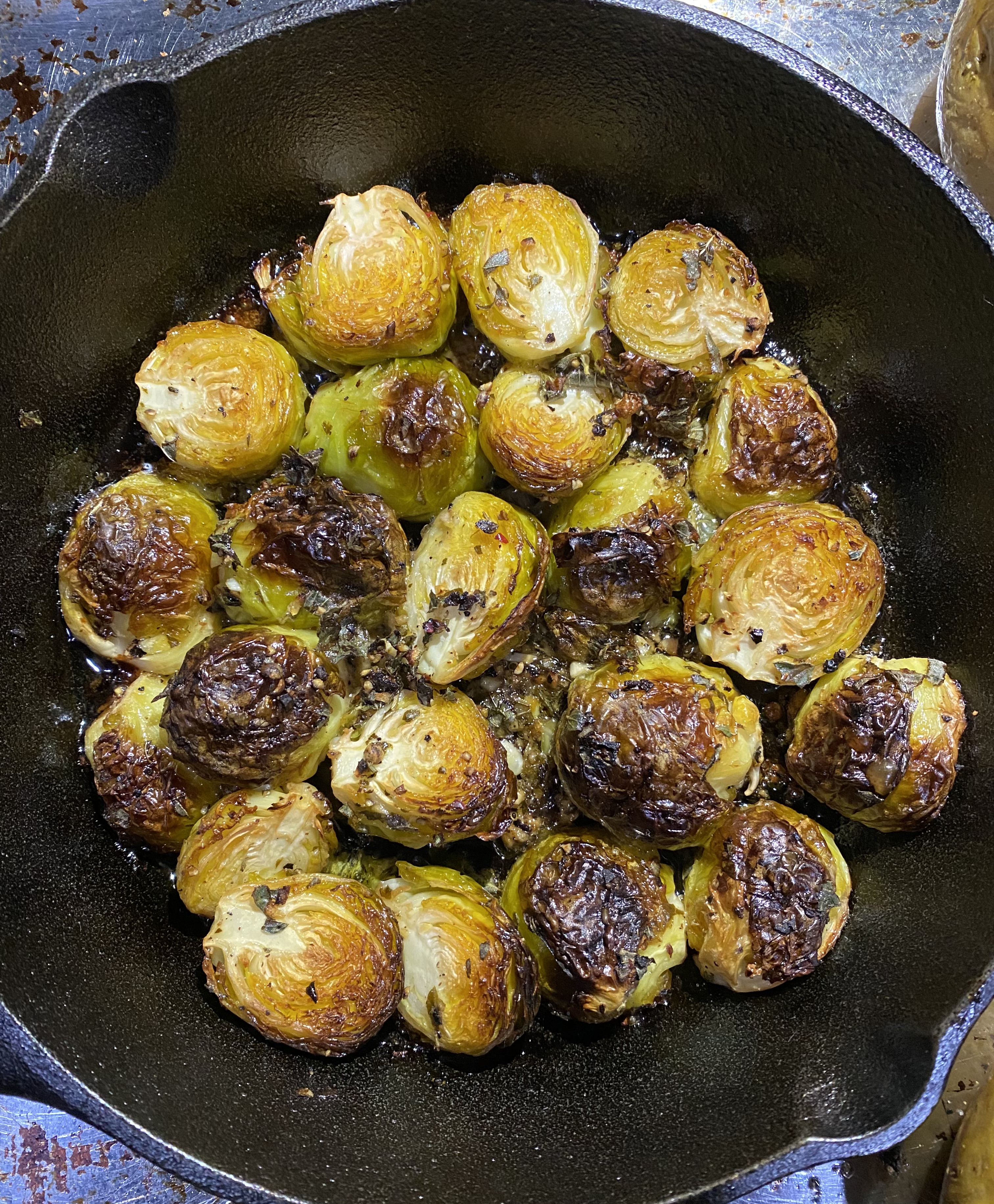
Roast for 25-30 minutes. At 25 minutes, check your sprouts, they should be firm but tender, and look fantastic as you see here.


Remove from oven and serve right away – just put a kitchen towel around the grip of that skillet, a hot pad beneath, and dig right in.

Mim Delia’s Old Style Italian Bean Salad


If you fly fish in Washington state, especially around the Olympic Peninsula, chances are good you’ve heard of Jeffrey Delia. He’s a master Sea Run Cutthroat fisher and fly tier – Check out Peninsula Outfitters and you might luck into an SRC or tying class taught by Jeff, or find some of the many flies he’s developed for sale.


That’s one facet of the man, and yeah, I fly fish and that’s how I met him – but he’s here because he’s one hell of a fine home cook. Jeff is of Italian heritage, and his cooking shows that love for fresh ingredients, and honors them by highlighting their finest qualities. 

If there’s one cold salad I really, really love, it’s a beany thing, and Jeff has consented to share his Mom’s venerable recipe with us today – So with no further ado, here’s Mim Delia’s Old Style Italian Bean Salad, perfect for Spring.

Jeff writes, I’ve been eating this Italian style bean salad since I was a little kid so I know it’s at least 60 or 70 years old. You can boil your own beans and that will make it even more delicious, but in a pinch, canned beans make a great salad for a party or a last-minute addition to dinner. You can also use cannelloni beans, black beans, or even black-eyed peas, or beans of your choice. The measurements in the following recipe will serve 6-8 people generously.

Conversion Note: 1 pound of dry beans will yield around 6-7 cups of beans when boiled, and a 15 ounce can of beans yields 1 1/2 to 2 cups.


Mim Delia’s Old Style Italian Bean Salad

3 – 4 Cups Garbanzo Beans, drained. 

1 1/2 – 2 Cups Red Kidney Beans, drained. 

1 1/2 – 2 Cups Black Olives, drained. 

10-2 Pimento Stuffed Green Olives. 

10-20 pitted Kalamata Olives. 

1 Medium red, white, or yellow Onion, sliced as thin as you can. 

Mix all ingredients well. 

Make a classic Vinaigrette – 

1/4 C Red Wine Vinegar. 

3/4 C Olive Oil

1-2 Tablespoons stone ground Mustard. 

1/2-1 teaspoons ground black Pepper. 

Pinch dried oregano and dried basil. 

Pinch of Salt 

Whisk salad ingredients until dressing is emulsified, pour over salad ingredients, mix well and let marinade for at least an hour, (it gets better by the hour so make it the day before if you can.)

If there’s any leftovers I often heat them in a small frying pan and then scramble some eggs into the mixture for a tasty Italian omelette breakfast.

It’s fall – time to make great Coleslaw


If you don’t like coleslaw, it’s probably not your fault. When what you’re offered is the same old tired side dish, what reason have you to be excited? Yet there’s hope, folks – because good coleslaw rocks, is easy to make, and is a perfect vehicle for showcasing late season goodies from your garden.

Slaw has a venerable past, reaching all the way back to the Roman Empire. The version we know best today has its roots in Dutch immigrants who settled in New York State – they grew a lot of cabbage, to take advantage of the wealth of vitamin C that can provide during the long winter months. They made sauerkraut, as well as an unfermented, shredded cabbage salad – Koosla.

Mayo-based dressing that adorns most slaw these days is quite a bit younger than vinegar versions. Invented by the French in in the mid 1700s, it took mayonnaise a while to arrive in the colonies – it showed up in American cuisine in the 1830s.

All that historical jive aside, if you’re not that hot on slaw, it’s likely that some combination of four factors are in play – either heavy, mayo-based dressings don’t float your boat, the sauce to veggie ratios you’ve tried were way off, what you were given wasn’t fresh, or you just don’t dig cabbage all that much. Fortunately, all these are easy fixes.

Mayo-based slaw dressing is great, especially when it’s made with fresh mayonnaise. Great creamy slaw dressings can also be made with sour cream, crema Mexicana, crème fraîche, Greek yogurt, or buttermilk. Still shaking your head? Then there’s a world of zippy oil and vinegar dressings out there for you.

As for super saucy slaw, a word – don’t. Always keep in mind that this is a dish that celebrates lovely fresh veggies – the dressing is a note, not the whole damn symphony.

Coleslaw is all about fresh veggies. In fall, cabbages are at their best – and I mean cabbages plural – there’s the classic round in red, white and green, the wrinkly Savoy, delicate Napa, choy sum, and deep green Tuscan. There’re also carrots, onions, garlic, celery, Brussels sprouts, kale, bok choy, mushrooms, and kohlrabi. That’ll make a slaw that celebrates late harvest bounty.

Mizuna

If you don’t dig cabbage, there’s arugula, cress, mustard greens, mizuna (Japanese mustard), mibuna (Chinese cabbage), and tatsoi, (non-heading Asian mustard). Never heard of them? Do some poking around in your local co-op or CSA and you’ll likely find most if not all available. Chewy flavorful, these greens will make a great base for a non-cabbage slaw.

Mibuna

Whatever you do, portion accordingly, so that what you make gets eaten right away. With the exception of ingredients you might want to quick pickle or marinate for a bit before assembly and service, slaw must be fresh – that means don’t dump dressing on slaw hours before you’re going to eat. Dressings need decent marriage times, but the marriage of veggies and dressing shouldn’t happen until quite close to service.

Long gone are the days of slaw featuring naught but cabbage and carrot. Onion, celery, garlic, sweet peppers, cilantro, fresh chiles, radish, shallot, tomato, cukes or green beans – if you love ‘em, add ‘em. Fall fruits and nuts? Absolutely. Perhaps a quick pickle of onion, garlic, shallot, carrot, or beans to contribute another layer of zing? Without a doubt. What about cheese in coleslaw? Well, yeah – a touch of Parmigiano Regiano, feta, aged cheddar, or creamy Swiss? Hell yeah.

Slaw should never be boring – it’s a celebration of color, taste, texture and scent. Fresh herbs? Definitely – basil, thyme, rosemary, parsley, cilantro, sage, lemon thyme, or savory can all find a place in the veggie mix and/or dressing. Add touches of flavored vinegars, soy sauce, fish sauce, hot sauce, dried chiles, sesame seeds, cardamom, anise, Thai basil, or favorite spice blends from curries to furikake, and you’ll create stunning homages to many a cuisine.

Tailor your slaws to what you’re after – Something New Englandish? How about apples, chestnuts, roasted pumpkin seeds, and a dressing with a maple syrup note. Thai? Maybe glass noodles, bean sprouts, Thai basil, mint, and a dressing with notes of chile and fish sauce. Chinese? Maybe crunchy lotus root, Chinese long beans, choy sum, and a dressing laced with Pixian Sichuan Bean Paste – You get the idea, right?

Here to get you started are four dressing options, my go-to, a Japanese inspired Furikake, a Caribbean jerk powered one, and an Arab inspired version with besar.

For the Mayo and yogurt dressings, you can mix everything together and whisk until you’re fully incorporated. For the oil and vinegar versions, mix everything except the oil, then add that slowly in a thin stream, whisking steadily, to allow the emulsion to properly form and bind. All these should have a good 20-30 minutes of marriage time prior to dressing your slaw. These are proportioned to do just about right for a bowl of slaw that’ll feed 3-5.

Urban’s Go To Slaw Dressing

3/4 Cup Mayonnaise

2 Tablespoons Pineapple Vinegar

1 Tablespoon Dijon Mustard

1 Tablespoon Agave Nectar

5-6 Shakes Hot Sauce

1/2 teaspoon Sea Salt

7-8 Twists freshly ground Black Pepper

Urban’s Ginger-Furikake Slaw Dressing

1/4 Cup unseasoned Rice Vinegar

1/2 Cup Avocado Oil

1 Tablespoon Agave Nectar

2 teaspoons fresh grated Ginger Root

1 teaspoon Yasai Fumi Furikake

1/2 teaspoon Roasted Sesame Oil

1/2 teaspoon freshly minced Garlic

1/4 teaspoon Sea Salt

Urban’s Citrus Jerk Slaw Dressing

2 Fresh Limes – 1/4 Cup fresh squeezed Lime Juice

1 Fresh Orange – 1/4 Cup fresh squeezed Orange Juice

1/2 Cup Avocado Oil

1 Tablespoon Agave Nectar

1 Teaspoon Jerk Spice Blend

1/4 teaspoon Sea Salt

Urban’s Emirati Besar Slaw Dressing

3/4 Cup plain Greek yogurt

1/4 Cup Avocado Oil

1 Tablespoon fresh Lemon juice

Zest from small fresh Lemon

2 Tablespoons Apple Cider Vinegar

2 Tablespoons Agave Nectar

2 teaspoons Emirati Besar

Pinch of Sea Salt

5-6 twists Black Pepper

Kaye Harris’ Black Eyed Pea Hummus


Kaye Harris is a Facebook Friend. Kay is one of those people that I genuinely consider a friend, even though we live far from each other and haven’t yet met face-to-face. If you look her up, you’ll see her short self-description as ‘Leftist, Feminist Patriot, Graduate of Satan’s Reform School, Advanced Degree in Verbosity from STFU.’ That’s probably in a nutshell why I dig her so much.

I know that she’s smart, funny, deeply caring, widely talented, a great cook, and a wonderful friend, mother, and grandmother. She’s from the Gulf Coast – grew up in Mobile and lives in Biloxi. She’s the epitome of why M and I love the south so much – that sleepy, hot, muggy air that encourages, nay, demands that you to settle the fuck down. The amazing people who invite you to swipe an ice cold beer bottle across your forehead, put your feet up on the porch rail, and set a spell – supper’ll be along…

Kaye and I have shared affinities across a bunch of things, but cooking great food may well be foremost among them. When January 1st rolls around, I know she’ll be making something with black eyed peas, as will I. It also comes as no surprise that she’s got great recipes for stuff other than field peas with ham hock and collard greens. If you truly dig black eyed peas, you’ll have options in your quiver – because anything so good deserves to be celebrated in a bunch of ways.

Here is Kaye’s Black Eyed Pea Hummus, which she promises is fabulous. She’d be right about that. Y’all enjoy, and come see me now, hear?

Kaye Harris’ Black Eyed Pea Hummus


2 1/2 Cups cooked Black Eyed Peas

1/4 Cup Extra Virgin Olive Oil

3 Tablespoons Tahini

2 cloves fresh Garlic

2 Tablespoons fresh Lemon Juice

1 teaspoon Smoked Paprika

3/4 teaspoon Kosher Salt

1/2 teaspoon Black Pepper

For Topping –

More EVOO, Paprika, Red Pepper Flakes, Maldon Sea Salt (or any swanky finishing salt you dig), Fresh ground Black Pepper

Drain black eyed peas well.

End trim, smash, and peel garlic.

In a food processor, add the garlic and pulse until minced.

Add BEPs, tahini, lemon juice, smoked paprika, salt and pepper – pulse until all ingredients are well integrated, and forming a thick paste.

Turn processor on and add the olive oil in a slow drizzle, until you’ve attained a smooth, creamy consistency.

Transfer to a serving bowl, and top with more EVOO, paprika, red pepper flakes, finishing salt, and fresh ground black pepper.

Devour with abandon.

Maque Choux – A Cajun Twist on Succotash

Derived from a native New England dish, Maque Choux is a simple, hearty and delicious side dish.


I came across an FB post by Diane Whatley Nix, a friend on a cooking group called Wok Wednesdays, shared an image of Maque Choux made in a wok. Instantly, I was shown a flash of brilliance for the cooking method, and reminded of a delicious dish I hadn’t made since leaving Texas six years ago. Note: If you’re into wok cooking, then you need to check out the group – It’s dedicated to cooking your way through Grace Young’s The Breath of a Wok, and it’s a serious gas!

Maque Choux (AKA mack shoe, muck shoe, muck show, and so on), is the Cajun version of that venerable side dish, succotash. The name may sound French, but it’s probably a Creole derivation of a native term. This is a great side dish at any time of the year, but especially in late summer, when all of the veggie constituents are right outside in the garden. 

Many folks know of succotash and assume it to be southern, but that would be incorrect – Succotash came from some of the original occupants of New England – The name derives from a native term, possibly the Wampanoag word msíckquatash, (boiled corn kernels), or the Narragansett sohquttahhash, (broken corn kernels).

Succotash was, and is, a base of fresh corn, some kind of shell bean, and a little protein – nowadays, most commonly bacon, but back then in New England, fish or game. Any number of additional veggies and herbs might be added, like tomatoes, sweet peppers, chiles, fresh herbs and other seasonings – all of which are New World foods and therefore likely as authentic as anything else. There are a dizzying number of ‘authentic’ succotash and maque choux recipes out there, but the truth is that damn near anything you feel like doing will be authentic enough – These are dishes designed to use what was ready at the time, and later down the line, to clean out a fridge, maybe.

Succotash was popular because it was filling and nutritious. That base mix of corn and beans is rich in protein, carbohydrates, essential amino acids, vitamins and minerals. It’s still a popular side dish at many a New England Thanksgiving dinner, and was likely a main course at that original dinner hosted by the locals, to which a ragtag band of Puritans and Strangers were invited. Those settlers quickly learned that the key base ingredients lent themselves readily to drying, which meant a lifesaving, year round food supply for a struggling population.

As us white usurpers spread across the new land, (including my direct ancestor, who arrived in 1636), succotash came along for the ride, morphed by local crops as it travelled. In the south, dang near any corn and bean combo that’s fried up in lard or butter is called succotash, albeit the vast majority of the time, the bean in question will be a lima, and there will almost always be okra.

Those migrants included the Acadiens, French people exiled to the Canadian Maritimes by the Seven Years war between Britain and France in the middle of the eighteenth century. While many Acadiens remain in the Maritimes, a sizable group made their way south to warmer climes, specifically, Louisiana, which was a French colonial holding since about the time the Puritans hit the beach at Plymouth. And of course, Cajuns are in Louisiana to this day, and from that many good things have come, including maque choux.

Study up some on maque choux, and you’ll see one glaring difference from traditional succotash – It don’t have no beans on board. That’s not to say you couldn’t, or that beans aren’t popular in that neck of the woods, because you could and they are -But, when you see how the dish morphed, you’ll understand right away – It’s because of the only aromatic base that we here in the colonies can lay claim to – The Holy Trinity.

We have the Cajun folk to thank for our only original combo – onion, celery, and green pepper, and really, nothing else, (albeit when used in soups and stews and whatnot, some folk do like to whip a little roux right in with it as it cooks, to kind of get a leg up on things). Now, the key to aromatic bases is the ratio, and in that regard, there are a couple of camps for the Trinity – those who do equal measures of each, and those who portion like mirepoix, 50% onion, 25% each pepper and celery. For my mind, it kinda depends on when you’re making it. If we’re talking the non-growing season, I’d go for the heavy onion version, but if you’re in the sweet spot, where those things are right out there in your garden, I’d absolutely opt for equal shares.

As for the protein, again, you can do what you like with no shame. I like local, smoky pepper bacon myself, but down south, a lot of folks are partial to andouille sausage, and you’d be hard pressed to go wrong there. Honestly, anything you’ve got that needs using would be lovely, from pulled pork to shredded chicken, (or even beans.)

Finally, the wok as a cooking method/vessel is simply brilliant. As Diane noted, making maque choux in one adds a perfect crispy crunch to the dish that you’d be hard pressed to get anywhere else. It’s also fast, and fun, and very pretty, so give that a go. This recipe will make enough for four, and maybe some leftovers

Maque Choux a la Urban

3 ears fresh Sweet Corn

4 strips Pepper Bacon

1/2 small sweet Onion

1-2 stalks fresh Celery, including leaves

2 Anaheim Chiles

1 fresh Tomato

2 cloves fresh Garlic

4-5 fresh Chives

1 sprig fresh Thyme

1 Tablespoon Avocado Oil

A few shakes Go To Seasoned Salt, (I prefer our smoky version)

A few twists fresh ground Pepper

Mise en place for maque choux

Cut kernels off the corn in two passes – Take the first to roughly cut the kernels in half,then the second to get what’s left – This gets all the corn milk in play and adds a bit more moisture to the mix – Cut the corn into a plate or shallow bowl. If you’re shy getting to the base of the kernels, flip your knife around and use the spine to scrape out those last, sweet bits – And don’t friggin’ cut yourself.

Stack your bacon slices, cut them down the middle lengthwise, then into roughly 1/2” squares.

Dice the onion, celery, and chiles into roughly equal piles.

Slice the tomato – You can gut it if you like, (M is always offended when I leave the guts in…), or not as you please.

Mince the garlic, thyme, and chives.

Set the wok over a medium high flame and heat through –  A drop of water should vaporize pretty much instantaneously when it hits the wok, then you’re ready to go.

Stir fry bacon first - Your wok will thank you
Stir fry bacon first – Your wok will thank you

Stir fry the bacon, stirring steadily with a wooden spoon.

When the bacon is about 3/4 of the way you like it, turn the heat up to high and add the avocado oil. 

When the oil is shimmering, (not smoking – That’s too hot), add the onion, celery and chiles.

adding the Holy Trinity to maque choux

Stir fry, steadily working the mix to incorporate. When the onions start to turn translucent, add the garlic and stir fry for a minute or so until the raw garlic smell dissipates. 

Final ingredients
Final ingredients

Add the corn and stir fry steadily to heat through and incorporate – If things are getting a bit hot, turn heat down somewhat – I change heat constantly as I cook on a wok, and so can/should you.

Stir fry the mix until the corn starts to get a little crust and the smells are driving you nuts.

Add the tomato, chive and thyme, a few shakes of seasoned salt and a grew twists of pepper, and stir fry to incorporate all the seasonings.

Maque Choux a la Urban

Transfer to a bowl and serve hot.