Giardiniera – The King of Pickled Veggies

Giardiniera – The King of Pickled Veggies. Easy to make, and a great use for those late season veggies from the garden or farmers market.


This year’s garden has been hit and miss. Some things have done nicely, others not, even with staggered plantings. That struck home when we had a look at the cucumbers and realized we wouldn’t get enough to make a winters worth of pickles and relish – That’s when inspiration struck – Why not go for a big batch of Giardiniera, the King of pickled veggies, instead?

Giardiniera, (Jar-dhi-nare-uh), is a delightful pickled vegetable mix, either done up as bite sized pieces or a relish. Redolent of fresh veggies and good olive oil, wrapped around lip smacking brininess that rivals a great cornichon – This is something we all need to be making at home.

Pickling foods to preserve them hardens back thousands of years and crosses numerous boundaries – almost every society does and has employed it. Everything from veggies, to meat, fish, fruit, nuts, and even eggs can end up in the pickle jar, much to our advantage. Pickling not only helps preserve things through the dark months, it adds a vital zip to what can otherwise be a rather bland time of year.

Giardiniera hails from Italy, and means literally, ‘from the garden, (also called sottacetto, or ‘under vinegar.’) While variants come from all over the boot, the versions we’re most familiar with has southern roots, down where the mild Mediterranean climate fosters a wide variety of veggies, the best olive oil, and great sea salt. That’s where those colorful jars filled with cauliflower, carrot, olives, onions, peppers, and chiles hailed from.

image

You’ll likely find jars of the bite sized version of giardiniera in your local grocery, with the fancy olives and other pickled goodies. While some of the commercial stuff is pretty good, none of it can match what you can make at home, and to top things off, it’s remarkably easy to do, (And frankly, the relish version of giardiniera is much more versatile, and rarely found in stores).

Seasoned with fresh herbs, maybe even touched with a little hot chile flake, giardiniera is fabulous on sandwiches, (including burgers and dogs), pizza, salads, and as a table condiment with more dishes than you can shake a stick at. Now is the time to be doing up a few batches of your own – it’s fairly traditional for giardiniera to be made in the fall, as a catch all for all those late season veggies we don’t want to lose to the first frost.

The American home of giardiniera is Chicago, where that famous Italian beef sandwich hails from. Slow roasted beef, cooked over its own jus, sliced thin and slapped onto a nice, dense roll, ladled with a generous spoon of giardiniera, a little jus, and eaten in the classic sloppy sandwich hunch – a little slice of heaven.

Italian Beef Sandwich, fueled by Giardiniera

Making giardiniera is a real treat. Your first and foremost issue, naturally, is what to put into the mix. The blend I outlined earlier is generally recognized as the classic base mix, but pretty much anything goes, (I should note that peppers and chiles were not in the original Italian versions of the dish, as they didn’t show up in European cultivation until the 1700s.) firm veggies, like carrots, celeriac root, turnips, cauliflower, broccoli, and asparagus do well. Peppers and chiles will do well too, though really soft stuff like tomatoes tend to break down quickly.

Making giardiniera couldn’t be easier. While some recipes call for cooking or fermenting, (both processes are perfectly fine), the simplest version is, for my mind, best – Just brine your veggie mix for a day or two, until you reach the degrees of zip and bite that you like, and that’s it. You’ll find recipes that call for the mix to be stored in brine, oil, vinegar, and a simple vinaigrette – My money is in the latter option – that will provide a nice stable medium, and a great taste as well.

There are typically mild and spicy (AKA Hot) versions, and extensive regional variety, like the Chicago style that includes sport peppers and an accompanying degree of heat. Down south, the version that goes with a muffuletta sandwich is mild and heavier on the olives. Those are great, and worth your time to build, but really, look upon giardiniera as a launching pad for creativity – You really can’t go wrong if it’s made with stuff you love – For instance, I didn’t have celery when I made up the relish version, but I did have fresh celeriac root, and it turned out to be a wonderful substitution.

You can use any oil and vinegar you like for the base vinaigrette. Seasoning can be as easy as good salt, olive oil, and vinegar. When you feel like adding additional spices, be conservative in both number and ratio – The rule of three is a good thing here.

Unless you process your giardiniera in a hot water bath, keep in mind that this is basically a fridge pickle. If made carefully, and packed into sterilized glass jars, it will last a month or two refrigerated. Just keep in mind that they’re not shelf stable unless you go through the canning process. Accordingly, what we offer below are small batches that will make a couple of quart jars of finished product. There are cooked and fermented versions out there, and we’ll leave those for you to explore.

Giardiniera Relish

A quart of fresh Giardiniera will last a couple months in your fridge

For the base mix

1 Green Bell Pepper
1 Red Pepper
1 small Sweet Onion
2-4 Jalapeño Chiles
1 medium Carrot
1 Stalk Celery
1/2 Cup Cauliflower florets
1/4 Cup Pickling Salt

For the final mix

1 Cup White Vinegar
1 Cup Extra Virgin Olive Oil
6-8 large Green Olives
1 Clove Garlic
1/2 teaspoon Chile Flake
1/2 teaspoon Lemon Thyme
1/4 teaspoon ground Black Pepper

Rinse all produce thoroughly.

Stem, seed, and devein the peppers and chiles, (leave the veins in the jalapeños if you want more heat).

Cut all veggies for the base mix into a uniform fine dice, about 1/4″ pieces. It’s not important to be exact, just get everything about the same size and you’ll be fine.

Transfer the mix to a glass or stainless steel mixing bowl. Cover the mix with fresh, cold water with an inch or so to spare.

Add the pickling salt and mix with a slotted spoon until the salt is thoroughly dissolved.

Cover with a tight fitting lid and refrigerate for 24 hours.

After 24 hours, take a spoon of the mix out, gently rinse it under cold water for a minute or so.

Test the degree of pickle and softness of the veggies. If you like what you’ve got, move on – If not, give it another day.
When you’re ready to prep the final mix –

Remove the base mix from the fridge and transfer to a single mesh strainer. Run cold water over and through the mix, using your hand to make sure that the salt solution is rinsed off.

fine dice the olives, peel, trim and mince the garlic.

Add all ingredients to a glass or stainless mixing bowl and stir with a slotted spoon to thoroughly incorporate.

Sanitize two quart mason jars either by boiling the jars, rings, and lids for 3-5 minutes in clean, fresh water, or running them through a cycle in your dishwasher.

Transfer the mix to the jars, and seal. Refrigerate for two days prior to use.

Giardiniera, bite size

For the bite sized version, cut everything into roughly 1″ pieces, )or larger, depending on jar size and predilection), and process as per above. A bay leaf or two is a nice addition.

Pasta Salad with Creamy Lemon Dressing


I love a creamy pasta salad, and with lots of veggies springing forth from the garden, summer is a great time for them. The majority of recipes you find are pretty heavy though, with mayonnaise or sour cream based dressings. I wanted something lighter and brighter, and came up with this excellent yoghurt powered lemon dressing.

There’s no real magic here, just a very nice combination that blends the brightness of lemon with the mouth feel of good yoghurt, and a touch of umami from garlic and fish sauce. With balanced sweet and tart, and a hint of backbite from the pepper, it compliments whatever you pair it with.

Pasta salad should be made with good stuff – so so leads to meh, otherwise – I t’s worth a splurge on a bag of high quality, local dry pasta. You want something short, that picks up easily and affords a good opportunity for the other ingredients to be there in every forkful, (spoon, in my case). Ridges are a must as well – they’ll hold onto the dressing better.

You can add whatever you like, of course. Celery, tomato, onion, sweet pepper, carrots, chives, and thyme were all available fresh as they can be, so we went with that, along with good olives, a little hard sausage, and an amazing five year old cheddar Casey made. Use what you love and have before you – the palette will always be changing.

Of course, you can leave out the meat and cheese and have an excellent vegetarian offering.

For the Pasta Salad

1 Pound Dry Pasta1/4 Cup of Hard Salami

1/4 packed Cup Extra Sharp Cheddar Cheese

1/2 Sweet Onion

1/2 Red Bell Pepper

1-2 fresh Tomatoes

1-2 fresh Carrots

2 stalks fresh Celery (with leaves)

5-6 fresh Chives

2-3 stems fresh Thyme

3 finger pinch Salt

10-12 twists fresh ground Pepper


Add the pasta to plenty of well salted, boiling water. Boil until al dente, then drain through a colander.

Give the pasta a quick rinse with cold water, then drizzle with roughly a tablespoon of oil and toss to coat evenly.

End trim, peel and dice onion.

Top trim, and trim inner white membrane, then dice bell pepper.

End trim, gut and dice tomatoes.

End trim and cut carrots as you prefer, anything from rounds to dice.

Remove tops with leaves, and white bottoms from celery stalks. Carefully slice stalks lengthwise so you can dice.

Select 3-4 good sized leaves, roll tightly, and chiffenade cut them, (cut across the rolled leaves in roughly 1/8” widths)

End trim and fine dice chives.

Dice salami and cheese.

Starting at the top of the thyme sprigs, gently rub down the stem with 2 fingers, removing the leaves. Toss stems.

Combine all ingredients and toss to thoroughly incorporate, then dress. Let it sit for at least 30 minutes, refrigerated, so everything can marry.

For the Dressing


3/4 Cup Avocado Oil, (Olive or Canola are fine too)

1/2 Cup Whole Milk Plain Greek Yoghur

1/3 cup fresh Lemon Juice

3 cloves Garlic

2 teaspoons Dijon Mustard

1-2 teaspoons Honey

Zest from 2 small Lemons

2 finger pinch Sea Salt

6-8 grinds Black Pepper

3-4 drops Red Boat Fish Sauce

Zest, grate and juice lemons.

Smash, end trim, peel and mince garlic.

Combine all ingredients, but start with 1 teaspoon of honey, then add more if desired.

Let it sit for 15 minutes, taste test, and adjust balances as desired, then refrigerate and let it sit for at least 30 minutes before deploying.

Best used fresh. Knockout the next day.

Authentic Caesar Salad


As much as I may seem to focus on hefty proteins here, let me go on record as stating that I seriously love salad. The variety and endless flavor combinations just absolutely float my boat. Had I to choose one to rule them all, it would be without question the Caesar, the king of salads.

In the mid-70’s I worked in a French restaurant that did many things the old school way, among them table side service of Chateaubriand, Steak Diane, and of course, Caesar salad. Never mind that two out of three of those dishes didn’t originate in France, they are all classic table side preparations, and the French have never been shy about appropriating a good thing.

In the mid 1930s, an august group of French chefs hailed the Caesar salad as ‘the greatest recipe to originate from the Americas in the last fifty years,’ and they were right. While there are many claims to who actually originated this gem, it’s generally agreed that the honor goes to Caesar Cardini, an Italian immigrant who ran restaurants in Southern California and northern Mexico starting in the 1920s.

It’s said that the original came about via the mother of culinary invention – immediate need. Running low on supplies during a busy service at his Tijuana namesake restaurant, he put together what he had – romaine lettuce, Parmigiano Regiano cheese, croutons, and a garlicky vinaigrette with a couple of fabulous twists.

Truly defining what is or is not ‘authentic’ with a Caesar isn’t as simple as it sounds. While Cardini’s family champions his origin claim, there is very little early documentation of the recipe. Caesar was by all report producing this salad from the 1920s onward, but the first detailed version of the salad wasn’t published until the mid 1940s, and it didn’t come from Cardini. Like many a restaurateur, Caesar wasn’t all that keen on sharing the secret of a very good thing. Do an internet search for Authentic Caesar, and you’ll get hundreds of results that vary quite a bit.

You’ll also find a lot of references to Caesar’s version versus his brother Alex’s, and the issue is often painted as a sibling duel – which it was indeed. Alex joined Caesar’s in 1926, and brazenly tweaked his brothers original recipe, changing the oil from olive to vegetable, the cheese from Parmigiano to pecorino – and adding anchovies.

Alex called his version the Aviator salad in honor of military pilots from a nearby San Diego air base. Caesar was not amused, especially when Alex’s version became quite popular – As far as he was concerned, his namesake salad was made with extra virgin olive oil, Parmigiano Regiano, and Worcestershire sauce, period. Anything else was an imposter, even if it came from his brother – maybe especially when it came from his brother.

The original Caesar was made with big, whole leaves of romaine, generously dressed and arranged artfully on a plate – meant to be picked up with your fingers and eaten just like that. The preparation was always table-side, and still is – almost 100 years later, Caesar’s is located where it’s always been, on the Avenida Revolucion in Tijuana, and is still serves their namesake salad.

If you’ve never been treated to a great table-side Caesar, now’s your chance – at your very own table. Sure, if you’re in a hurry, you can buy Caesar dressing – Cardini’s makes several iterations that are pretty good for bottled dressing – But you owe it to yourself to do it up right now and again.

General Notes –

1. I use Greek olive oil because I love the flavor – you can and should use whatever you like best. If you notice a distinctly greenish cast to my dressing, that is why.

2. I use lemon and lime for the citrus element – fact is, we don’t really know what Caesar used back when, but in northern Mexico, limes and lemon/lime hybrids are pretty common, while yellow lemons were and still are not.

3. The lion’s share of recipes out there employ raw garlic – now, if you like that, go for it, but my family does not. That’s why I blend garlic with oil and deploy it in the dressing and on the croutons. That way, your dressing garlic is nicely marinated in the oil, which tames it appreciably, and what you use for the croutons gets baked and nicely distributed throughout the dish.

4. Real deal Caesar dressing must have egg. You’ll see exhortations to go raw, to hard boiled, and everything in between. Best available evidence says Caesar used very lightly boiled egg yolk – eggs boiled just long enough to thicken them and to appreciably remove the danger of salmonella. That’s what I do, and strongly recommend to you. Raw just doesn’t taste right to me, and anything towards hard boiled is just wrong.

Urban’s As Authentic As You Want It Caesar Salad

1 head Romaine Lettuce

1/2 Cup Parmigiano Regiano cheese

3/4 Cup Extra Virgin Olive Oil, (Plus 1/4 cup for the croutons)

2 large Eggs

1 Lemon

1 Lime

3-4 fat cloves of Garlic

Worcestershire Sauce

Baguette, other dense white bread

Sea Salt

Black Pepper

Trim, peel and mince garlic as finely as you can, then add that to the oil – allow to sit and marry for at least 30 minutes.

Preheat oven to 325° F, with a rack in the middle slot.

Cut bread into roughly 1/2” thick slices and then cubes – if you’re using baguette, allow 3-4 slices per person.

Add croutons to a bowl with 1/4 cup of the garlic oil and toss to coat thoroughly, then slide them into the oven.

Bake until the croutons are crunchy and light golden brown, about 7-10 minutes. Remove and transfer to a bowl.

Grate Parmigiano on a large grate, transfer to a bowl.

Cut lemon and lime in half and set in a bowl.

Cut romaine off 2” to 3” above the base, and remove any scruffy outer leaves. Leave what’s left whole, and place lettuce and the plates you’ll use for service into the fridge to chill.

You’ll want the biggest bowl you’ve got for dressing the salad – if you don’t have something pretty large, do the deed in 2 batches.

Make a space at your table to put on the show – arrange your mis en place there – everything you’ve prepped, plus salt, pepper, and Worcestershire, tongs for tossing and serving.

In a heavy sauce pan over high heat, add enough water to boil the eggs – you want an inch or more above egg height.

Prep a small bowl of ice water beside the cooking pan.

Once the water is fully boiling, gently add eggs and set a 2 minute timer.

When 2 minutes are up, carefully transfer the eggs to the ice bath to stop the cooking process.

When the eggs are cool enough to handle, (it only takes a minute or two), carefully crack the eggs and scoop the yolks into a small bowl.

Ready to rock? Arrange all ingredients at your table station, and assume the slightly bored but deeply competent expression of a career Parisian waiter.

Add the Romaine leaves to your large bowl.

In a separate dressing bowl, add about three-quarters of the remaining garlic and olive oil mix, a generous pinch of salt, and 8-10 twists of pepper.

Squeeze the juice from each lemon and lime, 10-12 drops of Worcestershire sauce, and the egg yolks and whisk to incorporate.

Taste and adjust as needed for oil, Worcestershire, citrus, seasoning, etc.

Pour about 3/4 of the dressing over the lettuces and gently roll the leaves to thoroughly coat them. Add more dressing as needed to get that done.

Add the croutons and the Parmigiano, and toss gently to incorporate.

If you want to be molto autentico, place whole leaves on a plate, stem ends facing out, so that they can be eaten as Caesar intended.

As your diners swoon, you may mournfully intone, ‘Bon appetit, Madame.’

NOTE – This dressing really should be consumed right away – it will not store well at all.

Boston Brown Bread


If you’re from New England, and specifically Boston, you know all about Boston Brown Bread – Pared with Boston baked beans and fresh cole slaw, it’s graced many a Saturday night supper throughout New England.

The B&M company, not to be confused with the huge British food conglomerate, has been making baked beans and brown bread for over 150 years, and there’s a reason they’re still around doing just that .

A lot of folks, even locals, think that B&M is a Massachusetts based enterprise, but it ain’t so. Way back in 1867, George Burnham started a canning business and was joined by Charles Morrill – and Burnham & Morrill was born. B&M has been a fixture in Portland, Maine at One Bean Pot Circle, ever since.

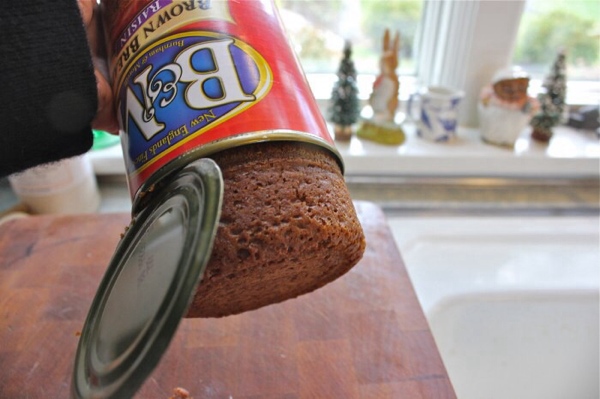
Their rightfully famous beans are still slow cooked in brick ovens, and their brown bread is The One, as far as I’m concerned. Brown bread cans are filled with batter and the product is baked therein – and that’s just how you can do it at home.

In the 19th Century, Brown Bread was poverty food throughout the British Empire, although it eventually gained cache for the health benefits of the mixed flour used to make it. It eventually crossed the big pond and became a staple for the colonists, then a sentimental favorite. Keeping in mind that lobster was also once considered ‘poverty food,’ I don’t think there’s a stigma attached to liking brown bread.

Boston Brown Bread is a great recipe for folks who are nervous about bread baking – It’s easy, fast, and almost foolproof – Brown Bread is steamed, rather than baked, and requires very little prep time.

If you’ve never tried it, do. Served hot with fresh butter, ham, baked beans, and cole slaw, you got that legendary Saturday Night Suppah – And it’s great the next morning, too.


Boston Brown Bread

1 Cup Whole Milk

1/2 Cup Whole Wheat Flour

1/2 Cup Rye Flour

1/2 Cup Corn Meal

1/3 Cup Dark Molasses

1/2 teaspoon Baking Soda

1/2 teaspoon Baking Powder

1 teaspoon Vanilla extract

1/2 teaspoon Allspice

1/2 teaspoon Orange Zest

1/2 teaspoon Sea Salt

1 Tablespoon Butter for greasing cans

NOTE: there are folks, (even B&M), who make this with raisins or currants within – I’m not one of them, but if you are, you can add a quarter cup to this recipe.

there are also purists who pull eschew the addition of flavorings such as vanilla, allspice, and orange zest – I’m not one of those, either.


Rinse and dry two 28 Ounce metal cans with one end of each cut off.

Move a rack to the bottom third of the oven and heat the oven to 325° F.

Choose an oven safe pot or dish deep enough so that you can fill it with water to about halfway up the sides of the cans. Boil enough water on the stove top to fill that pot or dish.

Lightly coat the insides of the cans with vegetable oil.

In a mixing bowl, combine wheat flour, rye flour, cornmeal, baking soda, baking powder, allspice, and salt.

Add the molasses, milk, vanilla and zest to the dry ingredients and thoroughly combine.

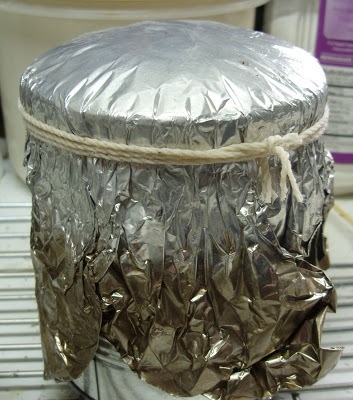
Divide the batter evenly between the prepared cans. Cover the top of each can with a double thickness of aluminum foil and tie securely with kitchen string. Place the cans in your deep pan and slide that into the preheated oven.

Carefully fill the pan with boiling water to about halfway up the sides of the cans.

Bake for 70 to 75 minutes. At seventy minutes, remove the foil tops. When the edges of the bread begin to pull away from the sides of the cans, you’re there.

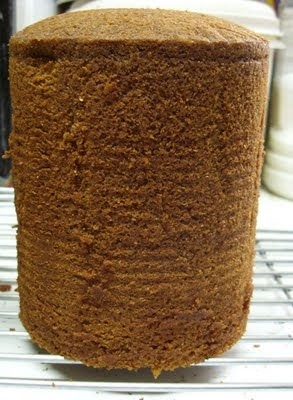
Remove the cans from the oven, place on a wire rack to cool for 1 hour before sliding the bread out of the cans. If the bread is a bit sticky, a thin bladed knife run around the can will free it up.

Don’t forget to have plenty of fresh, local butter on hand…

Gratin Dauphinois


Simple is best in the kitchen, especially a busy home kitchen, with life, family, world crises and whatnot a constant maelstrom. In the winter, that means comfort food, and with next week’s forecast calling for single digit temperatures, high winds, and snow, something rib-sticking is on my mind. We’re finishing up the last of 2019’s excellent local beef with a lovely brisket, and that requires an inspired side dish. This is where a classic French gratin dauphinois comes into play.

I like cooking aphorisms that make sense. I’ve got a small handful of them that I use when something in the kitchen frustrates me. This happened the other day, and the mantra I turned to was this – Whenever you feel moved to cook simply, do so. A dauphinois is a perfect example of that concept – good potatoes and dairy with seasoning, cooked low and slow – it really doesn’t get any better.

You’ve certainly made something like a gratin dauphinois – scalloped potatoes, for instance. Like Pommes Anna, dauphinois is French cooking at its best – simple, rustic, regional fare that strikes the bullseye. Any and every culture that has dairy and potatoes in their quiver has combined them in myriad ways. Of course all that glorious French cheese starts with great milk, a thing we’re also blessed with here.

Gratin dauphinois is potatoes, milk, cream, a soured cream of some sort, butter, garlic, a bit of nutmeg, salt, and a little cheese on top – you don’t want more than that, ‘cause if you do, it’s literally another dish altogether, (and not quite comme il faut, oui?) What you’ll end up with is super tender potatoes in a distinctly garlic infused cream sauce – c’est magnifique. There are many variants of the dish, but the all important roots are the same – good, local ingredients, simply treated.

In this culinary iteration, ‘dauphinois’ refers to the region, roughly 550 km southeast of Paris, in the Alpes-de-Haute-Provence. Most locals still refer to the area as the Dauphiné or Dauphiné Viennois, even though the modern political iteration is broken up into three smaller departments. Back in the 1200s it was a sovereign country called Albon – The Count from thereabouts had a dolphin on his coat of arms and was nicknamed le Dauphin – and there ya go. Tucked between national parks and mountains south of Lyon and north of Grenoble, it is a stunningly lovely area. Oh, and they grow and eat a variety of potatoes in the Dauphiné, too.

What this dish wants is what we here in the states generically call a baker – a floury, relatively soft variety that will readily soak up all that dairy and garlic. Over there, popular varieties might be an Agatha, Marabel, Mona Lisa, or Caesar – Here, a good old Russet, or pretty much anything else labeled as a baking variety will do just fine – Maybe, sooner than later, we Yankees will get to the point of having varietal potato choices again.

They also make excellent cheese in the dauphiné, naturellement. Reblochon, Saint Marcelin, and Beaufort cheeses all come from here. While the first two varieties are soft, Beaufort is a cow’s milk cheese from the alpine Gruyère family, a yellowish, somewhat firm cheese with a grassy nose and a distinct gruyère tang – and it melts really well, hint, hint. Over here, any good gruyère would certainly do for a topping cheese.

The cooking steps you’ll use are what makes a gratin dauphinois truly unique. Raw potatoes are poached in milk and garlic, then very gently steeped in cream and seasonings, before a final bake. Some swear by slicing the potatoes very thin, rubbing a shallow baking dish with butter and garlic, and then popping everything into the oven for a low and slow bake. You can certainly do that, but I believe the method I’ll share here make a superior dish.

Urban Gratin Dauphinois

2-3 Baking Potatoes

3 Cups Whole Milk

2 Cups Heavy Cream

1 Cup Crema (yes crema, because it’s far closer to crème friache than sour cream, and readily available these days)

1/2 Cup Gruyère Cheese

2 fat cloves fresh Garlic

1 Tablespoon Unsalted butter

1/2 teaspoon Kosher Salt

1/2 teaspoon ground White Pepper

2 finger pinch ground Nutmeg

Rinse potatoes and slice to 1/4” thickness, preferably on a mandoline. If you don’t have one, take your time and make your slices as even as you can – that helps the dish cook evenly quite a bit.

Leave the sliced potatoes submerged in a bowl of ice cold water while you finish prep.

Smash, peel, and end trim garlic.

Rub a baking dish in the 9” x 12” range with the smashed garlic, then set garlic aside.

Rub the dish evenly with the butter.

Grate the cheese.

Combine cream, crema, salt, pepper, and nutmeg in an adequately sized mixing bowl and whisk to incorporate.

Add milk, smashed garlic and the potatoes to a large sauce pan over medium heat.

When the mixture begins to simmer, reduce the heat to just maintain that.

Simmer potatoes for 12-15 minutes, until they just turn fork tender.

When they’re there, remove them from heat and carefully pour off the milk – Leave the potatoes and garlic in the pan.

Preheat oven to 350° F and set a rack in a middle position.

Add the cream, crema and seasoning blend to the hot potatoes.

Put the sauce pan on a burner over medium low heat.

Let the pan heat gradually through – you don’t want a simmer here, just a slow, even heat. If the pan starts to simmer, reduce the heat.

Let the mixture steep for 10 to 15 minutes, until the potatoes are fully fork tender, but not falling apart.

Carefully layer the potatoes into the baking dish.

Pour the hot cream blend over the potatoes, then garnish with the grated cheese.

Bake for 20 to 25 minutes, until the top layer of spuds is golden brown, and most if not all of the cream mixture has been absorbed.

Serve piping hot.

Building Great Salads


When the garden churns into production mode, I get a serious salad Jones on a regular basis. There’s something about watering becoming an exercise in dinner recon and going outside to prep for dinner that seems very right to me. This seems like a good time to talk about building great salads, and what to dress them with.

Even homegrown greens gotta be cleaned

When fresh veggies are abundant, they deserve some extra care, especially lettuces. If you’ve ever been served a salad that really popped for you, it’s a guarantee that the level of prep and presentation went well beyond what usually happens at home, even if things looked really simple. Recreating that at home is not difficult, and well worth the effort.

Homegrown bounty

The first thing that really needs to get done is a gentle but thorough washing of anything and everything you’ve harvested. We don’t use any chemicals on our garden, but regardless, there’s dirt and maybe a critter or two that needs to be found and removed. This is also the time to inspect and remove any wilted or damaged parts. Have a big bowl of icy cold water ready beside your station, and drop stuff into it as you’re done with it. Even freshly picked greens start to lose water and crispness quite quickly when it’s hot out – The cold water will keep them in top form. After everything has had a good soak, change the water and let them have a second cold bath. These steps should be done right before assembly and service of the salad.

Enfrijoladas Toppings - Whatever ya got.


As you prep additional goodies for the salad, place them into sealable airtight containers, (preferably glass). A lot of us at home make too much, and mix it all together in one big ol’ bowl – Ask yourself how often you have that green salad again, until it’s gone? The jumbled mix invites things to go bad, and other ingredients to get thrown out – Like when your tomatoes or cukes go first, but they’re mixed with everything else, and… With everything prepped, offered, and stored individually, folks can build their own mix, and leftovers lend themselves readily to new dishes.

Specialized lettuce containers are absolutely worth it

Invest in a container or two specifically designed for storage of lettuce and veggies. We have two that both have a drain tile over the bottom, snug fitting kids, and ventilation options. These things genuinely will store lettuce and veggies for longer and better than any other option we’ve tried – It’s actually pretty amazing – Lettuce and cabbage stays crisp and other stuff, from carrots and celery to chiles and green onions, last far longer.

Urb’s Herby Vinaigrette

Make dressings fresh, just as you do your salad. Building even relatively complicated dressings take no time at all, and is a delightful exercise. Dressings in big ass plastic squeeze jars isn’t how we should want things to be – That’s done for the benefit of the seller – not for us. Whip up what you need, plus some extra to go to lunch with you tomorrow. Building in smaller, fresher batches yields far superior results, and furthers exploration of what you really like – Maybe even your own signature thing – And that’s very cool indeed.

Home grown herbs

Fresh herbs rock in salads, within bounds of reason. When they’re fresh, herbs are at the pinnacle of their potency – Keep That in mind, along that with the fact that a whole sage leaf may be enough to season a whole batch of stew, and you get my drift. Use them sparingly – incorporated into dressings may be your best bet for balanced flavors that don’t overwhelm.

A basic lettuce blend is great as a base. If you’re of a mind to add more stuff like cabbage, kale, arugula, frisée, or chicory, keep in mind that not everyone may share the love – Allowing your crew to decide for themselves if they want to add them will often make for happier campers, and again, it gives you greater leftover flexibility.

Emeril Lagasse used to have a shtick on one of his shows, wherein he’d say something to the effect of, ‘I don’t know about where your lettuces come from, but mine don’t come seasoned.’ There’s wisdom there – Good greens certainly have flavor and texture, but a wee sprinkle of salt and a twist of pepper will make those different tastes pop all the more.

Finally, here are three dressings I’m really liking this summer.


Urban Dijon Vinaigrette

1 Cup Extra Virgin Olive Oil

1/3 Cup Aged Sherry Vinegar

1 Tablespoon Dijon Mustard

1 teaspoon Agave Nectar

1 sprig fresh Thyme (or 1 teaspoon dried)

1 clove fresh Garlic

Pinch of Salt

A few twists fresh ground Pepper


Trim, smash, and mince garlic.

Pull leaves from thyme stalk and mince.

Combine all ingredients in a mason jar and cover, then shake vigorously to combine.

Allow to marry for a few minutes, and shake again prior to serving.


Urb’s Herby Vinaigrette 

This is a very vibrant dressing – Makes a great marinade for chicken or pork too. 

Fresh herbs are best when you have them.

1/2 Cup Extra Virgin Olive Oil

1/2 Cup Avocado Oil

1/2 Cup Cider Vinegar

2 Tablespoons fresh Lemon Juice

1 Tablespoon minced fresh Garlic

2 teaspoons minced fresh Sweet Onion

3 teaspoons Oregano

2 teaspoons Tarragon

2 teaspoons Parsley

2 teaspoons ground Black Pepper

2 teaspoons ground Mustard

1 teaspoon Rosemary

1 teaspoon Lemon Thyme

1/2 teaspoon Salt

2 whole Bay Leaves


Combine all ingredients in a mason jar and cover, then shake vigorously to combine.

Allow to marry for a few minutes, and shake again prior to serving.


Urb’s Teriyaki Joint Dressing

If you’ve ever had teriyaki in the Pacific Northwest, you’ve had a variant of this dressing. 

I love the stuff, and I bet you will too. If you go all out and make fresh mayo at home for this, it’s stunningly delicious.

1 Cup Mayonnaise

1/4 Cup Toasted Sesame Oil

1/2 Cup Rice Vinegar

2 Tablespoons Agave Nectar 

2 Tablespoons Dark Soy Sauce

1/2 teaspoon Granulated Garlic 

Combine all ingredients in a non reactive mixing bowl and whisk vigorously to combine.

Refrigerate for at least 30 minutes prior to serving.

With all that to consider, it aughta be a pretty swell salad season, don’t ya think?