Storing Oils & Fats


Follower Christy sent another great question, “Which oils/fats need to be refrigerated and which do not. Also, shelf life. I'm always looking at that little bottle of sesame oil and wondering…”

Heres another topic that simply doesn't get the attention it should, from both a food quality and food safety perspective, so let's have a look.

Air, heat, light, and age all can and will negatively impact the quality of most edible oils. High storage temperature and oxygen exposure are the primary causes of spoiled oil. Rancidity will result rather quickly if not properly stored. The same compounds that provide the smells and flavors we like in a given oil will cause unpleasant changes if we're not careful. That means, naturally, you should store your oils in a cool, dark, dry place, and in an airtight container. As such, cruets or open top pour spouts are not the best choice, even in a busy home kitchen. Additionally, exposure to direct sunlight causes a substantial loss of antioxidants, especially tocopherols, meaning many of the benefits of healthy oil choices are lost as well.

Rancid oil generally won't do you serious harm; nonetheless, it's obviously not a desirable pantry guest. When your oil looks, smells, or tastes off, it is, and should be discarded. Smells described as winey, metallic, or skunky are clear signs that something is amiss.

As for shelf life, the method of production for the oil in question has a bearing. Most unrefined oils, (cold or expeller pressed), will keep for 3 to 6 months, properly stored. They may be refrigerated, and will last a bit longer as a result, though they'll tend to solidify and will need to return to room temperature to liquefy again. Too many such cycles can impact the chemistry of the oil, and the need to re-liquefy might inhibit spontaneity, so you're probably best served buying smaller quantities and storing carefully at room temperature. If that sesame oil Christy mentioned is older than 6 months, it's time for it to go. Refined oils, (oils obtained from heat and solvent extraction), tend to keep twice as long as unrefined oils; at least 6 to 12 months if stored properly. Oils high in polyunsaturated fat, (walnut, safflower, and hazelnut oil, for instance), have a much shorter shelf life than high monounsaturated, (think peanut), or saturated fat oils, (like canola). Again, refrigerated storage is an option, but small containers of fresh oil at room temp is best.

Most solid fats traditionally used in cooking are animal based, (lard, ghee, duck fat, schmaltz, etc), however tropical plant oils such as coconut oil, (one of my favorites), are also solid or semisolid at room temperature, as are vegetable shortening and margarine, (made from plant oils and solid due to the hydrogenation process). Many solid fats also contain a higher proportion of saturated fat than liquid fats do; as such they're generally quite stable and will keep well for at least 6 months. Solid fats will absorb the flavor or scent of other foods readily, so should be kept in airtight containers.

Our industrial food system has lead us all, to some degree, toward keeping things longer than we should. Just because something can last 6 months doesn't necessarily mean that we really want to cook with it. I'll guarantee that, whether the ingredient be oil, fat, spice, or even flour, fresh will always taste better than many moons old.


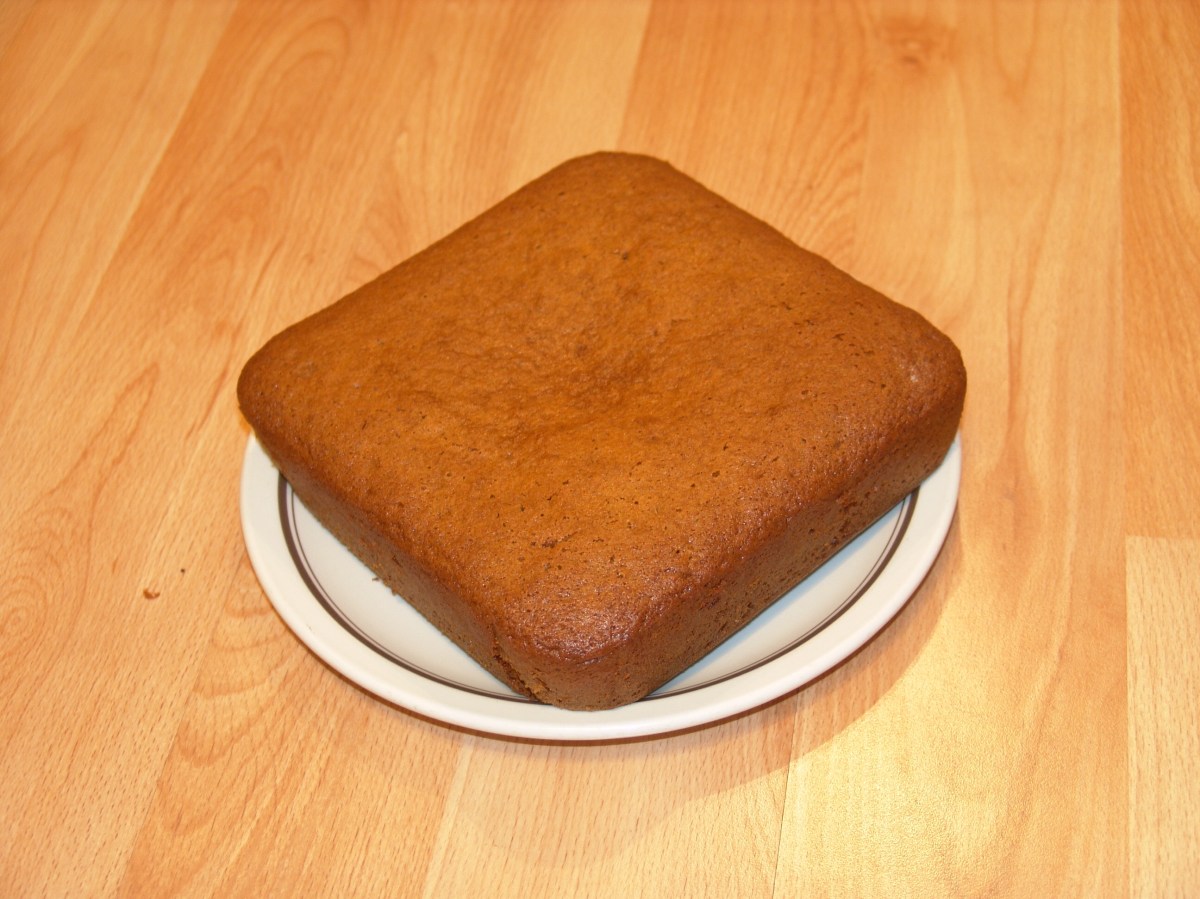
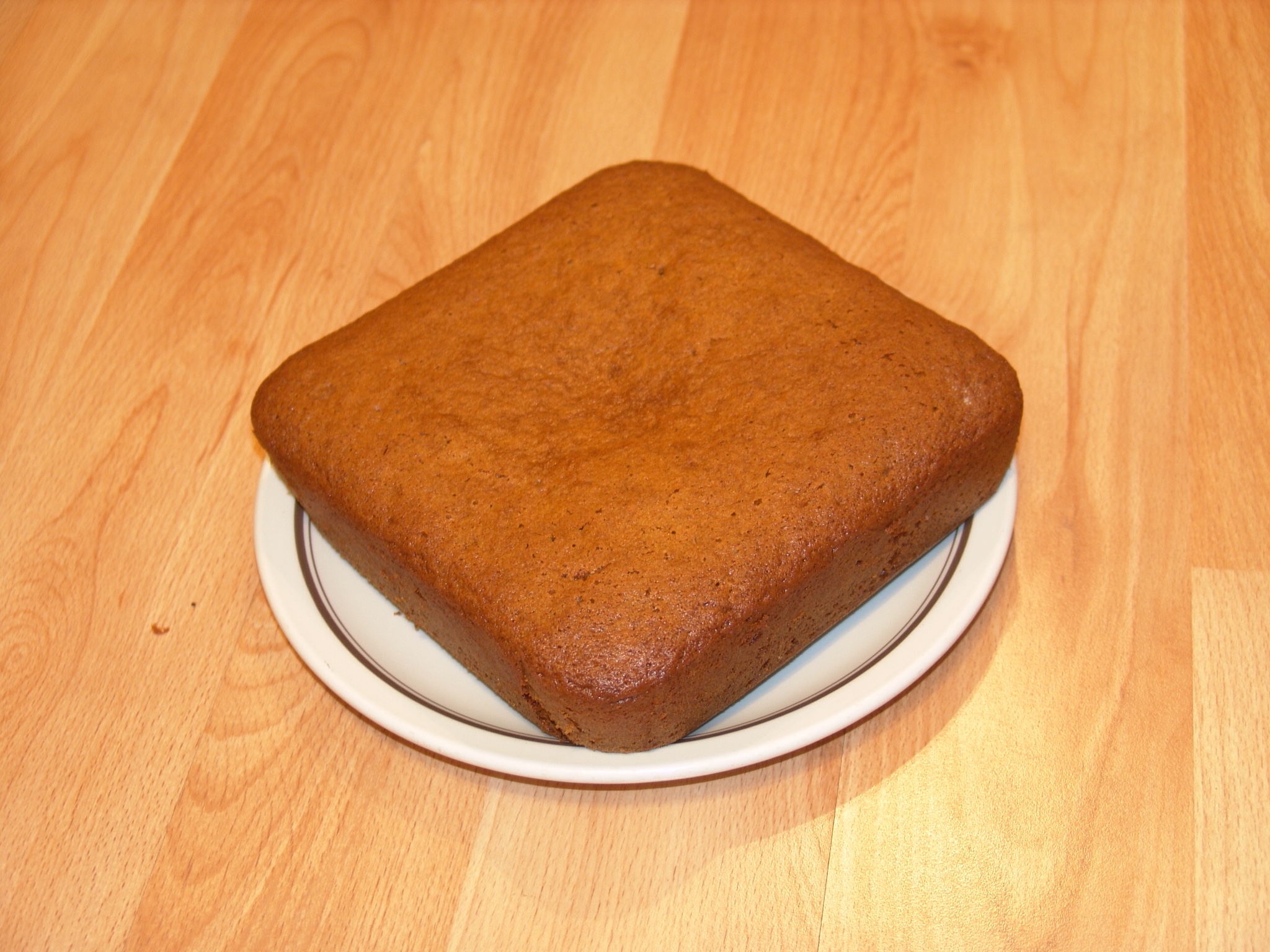
Real Gingerbread


My friend Jenn had a disappointing experience with gingerbread, so we need to address that before another day goes by. Here Ya go, Pal, this'll fix it!


Real Gingerbread is a far cry from store bought or box mix versions. The timeless, heady mix of spices just can't be beat. Use fresh, high quality ingredients; whenever possible, fresh, whole spices, ground as you build, are well worth the time and effort.


Real Homemade Gingerbread

2 1/2 Cups Whole Wheat Pastry Flour

1/2 Cup local Honey

1/2 Cup Unsalted Butter

1 Cup Blackstrap Molasses

1 Large Egg

1 1/2 teaspoons Baking Soda

1 teaspoon True Cinnamon, (About 1″)

1-2 teaspoons fresh Ginger (Good quality, freshly dried is fine too)

1/2 teaspoon Cloves

1/2 teaspoon Sea Salt

1 cup hot Water


Pull all ingredients and allow to come to room temperature.

Preheat oven to 350° F and place a rack in the middle position.

Lightly butter and flour with Wondra a 9″ square, glass baking pan.

In a medium mixing bowl, cream the butter and honey with a whisk until throughly combined.

Add the egg and whisk thoroughly.

Add the molasses and whisk thoroughly.

Peel and mince ginger.

In a spice grinder, combine cinnamon and cloves; process until evenly powdered. Add the ginger and pulse a few times to break it down further and incorporate all the spices.

In a large, glass mixing bowl, combine flour, baking soda, salt, and the spice mixture and blend thoroughly.

Add the wet mix to the dry and combine thoroughly with a whisk. Add the hot water and continue whisking; you want to beat some air into the blend so that it looks and feels a bit lighter than when you started.

Pour the batter into the prepared baking dish.

Bake for about 50 to 60 minutes, until the top of the bread has browned slightly and a toothpick inserted into the middle of the pan comes out clean.

Allow the bread to cool in the pan for about 15 minutes, then release the edge gently with a knife, and turn the bread over onto a wire rack to cool for another 15 minutes.

Serve with fresh whipped cream.


Herbs R Fresh


If you like herbs like we like herbs, then you plow through more than the average American. There are also likely fresh favorites you keep around pretty much all the time. For us, that would include cilantro and parsley. Both have subtle, lovely flavor profiles that go great with many dishes.

That said, both can get long in the tooth quite quickly. They're highly perishable, and can be hard to keep fresh after even a couple of days in your fridge. Considering the handling such foods receive as a part of modern distribution and sales, it's no wonder, really. A little handling and preserving work can go a long way toward having these indispensable always at hand.

When you get delicate perishables home, inspect them first and foremost. Get them out of the plastic produce bags, and better yet, don't put them in those things in the first place and reduce your plastic throughput. Remove any off colored or bruised stuff and toss it in your compost.

Give your goods a gentle rinse in cold, running water. Shake them dry, gently but thoroughly; excess water is not a friend to successful storage.

Remove any rubber bands or twist ties; all they do is bruise the goods and promote rot.

Place the washed produce on a clean paper towel and let them air dry a bit. Wrap the goods in the paper towel and store them in your crisper drawer just like that. If you use what you buy steadily, and pay attention to FIFO, (First In, First Out), in your fridge, your cilantro, parsley, green onions, radishes, etc will stay fresher, longer.

Consider drying some of those staple fresh herbs. It's a given that fresh is better than dry, but house dried herbs from a good fresh source are far better than store bought or none. Those faves of ours will dry thoroughly in a dehydrator in less than 30 minutes. I've tested both cilantro and parsley and found that our home dried stuff retains reasonably potent flavor for up to a month when stored in glass, in a cool, dark, dry spice cabinet.

Finally, and especially as the winter months are upon us, plant a fresh herb window box. An 18″ x 6″ x 6″ box will allow you to grow a full raft of your faves, and reasonable tending will sustain them through the season. There's nothing cheerier in the dark months than fresh, bright herbs growing in your kitchen.


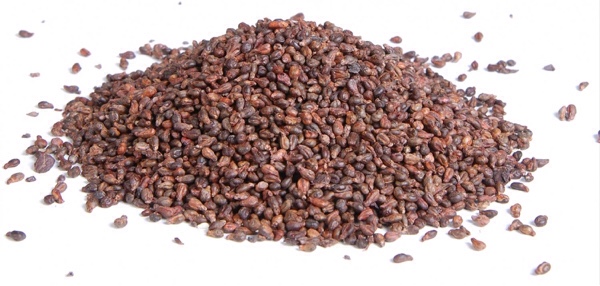
Grapeseed Oil, Yea or Nay?


If you've hung around here much, you'll know we're all about investigating the food world. We like to think that by so doing, we can save you some pitfalls and missteps. Today's topic, grape seed oil, might just qualify as such.

Any kitchen worth its salt needs a decent selection of oils, taking advantage of their specific taste profiles, cooking uses, and health benefits. M and I are no longer spring chickens, so we pay more attention to the health thing than we might have when we were younger; naturally, oils deserve significant scrutiny.

Ask the question, “What are the healthiest oils you can use in your kitchen,” and the answers might be more complex than you anticipated. We lean toward proven winners like olive, canola, coconut, peanut, and clarified butter. If the peanut oil and clarified butter surprise you, they shouldn't, by the way; used in moderation, they're quite healthy, and no oil in that list has higher heat tolerance than clarified butter. Olive oil, with generous amounts of monounsaturated fats and vitamin E, is the hands down health winner, but what to use when you want something with a lighter taste?

Onto the stage strides a relative newcomer, grape seed oil. Purveyors claim a host of pluses, from the subtle, nutty taste and a relatively high smoke point, to a raft of health benefits, including abundant vitamin E, zero cholesterol, low levels of saturated fat, and the highest concentration of heart-healthy omega-6 polyunsaturated fat, (AKA PUFAs), of any cooking oil. And the fun doesn't stop there. Google grape seed oil and you find claims for everything from anti-aging to curbing hair loss. Can all this be true? As far as the constituent claims, the answer is yes, but a qualified yes. As for the other stuff, remember what P. T. Barnum said about suckers?

Grape Seed oil is indeed pressed from grape seeds, predominantly wine grape seeds. This sits well with wine makers, naturally, as it provides the opportunity to convert a waste product into a significant profit source. The first potential downside for this stuff lies with the fact that it's not cheap. Peruse your favorite grocery shelf and you'll find that the per ounce cost of grape seed oil rivals that of high quality olive oils. Why is that? The answer is twofold; one, all those sexy claims allow makers to charge premium prices, and two, grape seeds are relatively small and do not yield their oil easily. As such, makers must employ fairly expensive pressing processes to extract the oil.


Or not: If you come upon surprisingly inexpensive grape seed oil, it's likely to have been chemically extracted. If the label doesn't reveal the extraction method, peruse the product: If the oil is crystal clear and light in color, chances are good it's chemically extracted. Mechanical extraction tends to produce slightly hazy oils, as small quantities of proteins and other plant matter remain in the oil. The solvents used for extraction are toxic; the most common is hexane, a known carcinogen. As with so many food products, manufacturers are not required to tell you how they extract the oil. If the oil doesn't specifically state that it was pressed, chances are it wasn't.

If the oil is pressed, you want to know if the process used was expeller or cold. Expeller pressing can heat the oil it is generating, especially when the seeds are stubborn, as grape seeds are. Doing so can change the quality of the oil and reduce the health benefits as well. Cold pressing avoids this by adding temperature control to the process; as such, it's the most expensive method of production, but produces the best quality oil.

So, what's the potential downside of this stuff? The answer lies in that very high level of omega-6 polyunsaturated fat. Grape Seed oil averages 70% omega-6 PUFA, with some brands claiming levels as high as 77%. Compare that to the 19.0% found in canola oil or the 10% in olive oil, and you get an idea of how high too high is.

The problem is that human bodies just don't tolerate sustained high levels of PUFA intake without incurring health problems. We're just not built for the stuff; throughout almost all of human history, we consumed only a very small amount of polyunsaturated fat, whatever was naturally present in the foods we ate. The industrialization of our food supplies changed all that. Read our post on ranch dressing if you've not already, and you get a broader view of what this means. As a result, we've been consuming more and more polyunsaturated fats, concentrated in processed foods and modern cooking oils. According to WebMD, we consume over a thousand times more more PUFAs today than we did 100 years ago. That’s a lot, by the way…

The problems exacerbated by this trend include a myriad of ills brought about by free-radical damage. If you're unfamiliar with that issue, allow Jeffrey Blumberg, Professor of Nutrition at Tufts University, to explain: “Free radical is a term often used to describe compounds that are missing a critical molecule, which sends them on a rampage to pair with another molecule. These molecules will rob any molecule to quench that need. If free radicals simply killed a cell, it wouldn't be so bad, the body could just regenerate another one. The problem is, free radicals often injure the cell, damaging the DNA, which creates the seed for disease. When a cell's DNA changes, the cell becomes mutated. It grows abnormally and reproduces abnormally, and quickly.”

In terms of our cooking oils, free radicals form when PUFAs are oxidized by heat, light, and pressure. PUFAs are extremely fragile and heat-sensitive, their carbon bonds break easily. Industrial oils that are heated and pressurized by processing are especially likely to contribute free radicals into our systems, but even cold-pressed PUFA oils will oxidize when heated for cooking.

So, what is a healthy strategy for dealing with the potential health hazards? All things in moderation. We recently wrote about arsenic in rice; here's another situation where intelligently limiting your intake will go far. No more than 4% of total caloric intake from a 1:1 ratio of omega-6 and omega-3 will do the trick. That level and ratio closely emulates what occurs naturally in grass-fed meats, dairy, eggs, and plant foods.

We do have a nice little jar of high end, cold pressed grape seed oil in the pantry by the way. We stick to Olive and canola oils as our every day go-to's, and use the grape seed for what it is best at; really nice salad dressings. The nutty flavor and light mouth feel is truly delightful. Again, all things in moderation, they say, and educated moderation is best.

One final note; the high heat claims for this oil are sort of true. It stacks up very closely to Olive oil, but lower than peanut or clarified butter. We prefer those two for frying, frankly; they're far cheaper and probably healthier.


4 Ounces Grape Seed Oil

1 Ounce Rice Vinegar

1 small Lemon

2 teaspoons Chervil

Sea Salt

Black Peppe

Rinse, zest and juice the lemon.

Combine oil, vinegar, half the lemon juice, chervil, a pinch of salt and a twist of pepper and whisk thoroughly to incorporate. Taste and adjust lemon, salt, and pepper as desired. Allow to rest for 15-30 minutes before use.


3 Ounces Grape Seed Oil

1-2 Ounces Apple Cider Vinegar

1 teaspoon Savory

Sea Salt

Tasmanian Pepper Berry

Combine oil, vinegar, and savory with a pinch of salt and a twist of pepper. Whisk thoroughly to incorporate, adjust vinegar, salt and pepper as desired. Allow to rest for 15-30 minutes before use.


4 Ounces Grape Seed Oil

2 Ounces Champagne Vinegar

1 small lime

Shallot

1 teaspoon Cilantro

Sea Salt

Grains of Paradise

Rinse, zest, and juice the lime. Mince 1 tablespoon of shallot.

Combine oil, vinegar, half the lime juice, zest, cilantro, a pinch of salt and couple twists of grains of paradise. Whisk thoroughly to incorporate. Adjust lime, salt, and grains as desired. Allow to rest for 15-30 minutes before use.


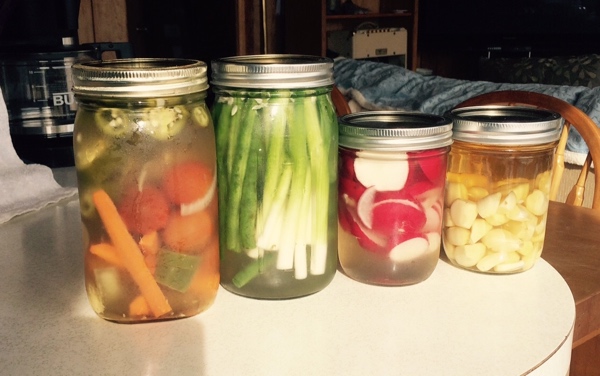
We can pickle that!


If you love pickles like we do, you’ve pretty much always got several jars in your fridge. In addition to cukes, we’ll typically have store bought capers, olives, and pepperoncini. That list is a great source for fridge pickling brine you can now add to carrots, chiles, green onions, green beans, radishes, garlic, and whatever else strikes your fancy. 

Got a favorite brand with a just right pickle flavor? Save that brine and jar, and replace those kosher dills with a mix of jalapeno, garlic, onions and carrots. Top things off with fresh vinegar if needed, and you can add additional pickling spices as well if you like. Allow your new batch to marinate for 2 or 3 days, and you’re back in business. Fridge pickled goodies will last a month or two, although they’re so good, they’re unlikely to survive that long.

Try something a bit outside the box, like pearl onions in leftover caper brine, or cherry tomatoes in pepperoncini brine; experimentation is bound to lead to fresh ideas and new favorites. Let that outside the box thinking color your spice selection as well. Here’s the perfect chance to experiment with a single jar; develop something you love and you can expand to a batch run later. In addition to providing wonderful treats for a Bloody Mary or martini, pickled veggies add great zing to everything from salads or omelettes to soups and stews.

Next time you’re in the produce aisle, see what looks good and grab a little extra to pickle with. As always, carefully inspect and chose top quality for this endeavor. Try something that maybe you think you don’t like or aren’t that familiar with, like Bok Choi, Fennel, or turnips. A quick pickle brings a very tasty note to an otherwise dull character; try pickled celery and you’ll see what I mean.


Once you’re home, thoroughly rinse your produce in clean, cold water. For radishes, carrots, chiles, green and sweet onions and cukes, top, skin, seed, core, etc, and then cut them into whatever form you prefer your pickles in.

Fo green beans, corn, or peas, a quick blanch and shock will help preserve texture and color. Bring a large pot of well salted water to a rolling boil, and have an ice bath standing by that, (50%-50% ice and water).

Toss your veggies into the boiling water for about 30 seconds, the transfer them with a slotted spoon and plunge them into the ice bath. Leave them there until they’ve cooled completely. Remove and you’re ready to pickle.

When you’re ready to pickle, pour the remaining brine into a clean bowl or pitcher. Wash your jars thoroughly, and either sterilize them in your blanching bath, or run them through your dishwasher. Do the same with lids and rings.

For whatever you prepare, make sure they’re well packed, with at least an inch of brine above the tops of the contents, and seal the jars well.

Oh, and don’t forget to dust the rim of your Bloody Mary glass with chile salt.

Anthony Bourdain hates your garlic press.


In his epic tell all, Kitchen Confidential, my favorite kitchen kermudgeon, Anthony Bourdain, had this to say about garlic.

“Garlic is divine. Few food items can taste so many distinct ways, handled correctly. Misuse of garlic is a crime. Old garlic, burnt garlic, garlic cut too long ago and garlic that has been tragically smashed through one of those abominations, the garlic press, are all disgusting. Please treat your garlic with respect. Sliver it for pasta, like you saw in Goodfellas; don’t burn it. Smash it, with the flat of your knife blade if you like, but don’t put it through a press. I don’t know what that junk is that squeezes out the end of those things, but it ain’t garlic. And try roasting garlic. It gets mellower and sweeter if you roast it whole, still on the clove, to be squeezed out later when it’s soft and brown. Nothing will permeate your food more irrevocably and irreparably than burnt or rancid garlic. Avoid at all costs that vile spew you see rotting in oil in screw-top jars. Too lazy to peel fresh? You don’t deserve to eat garlic.”

Ah Tony Bourdain, never at a loss for words…
Is he over the top?
Absolutely.
Is he correct?
I’d say 90% yes, but let’s just break down his specific contentions to be sure, shall we?

First off, we have the implied divinity of garlic: Is he right?
In a word, yup.


Allium Sativum, of the Family Rosacea, (why it’s sometimes called ‘the stinking rose), is indeed magic, and its broad, utilitarian beauty is admirable. No other veggie has that ethereal combination of bite, heat, and sweet that garlic packs. What the author doesn’t note is that all garlic is not created equal. There are hundreds of cultivated garlic varieties worldwide, which is great if you’re a gardener or know a generous one. If you have a green thumb and your cultivation zone can handle it, by all means grow it. Just Google ‘Heirloom garlic starts’ and you’ll find a veritable cornucopia of options. Otherwise, hit up your local farmers market or CSA and load up when the magic is in season.

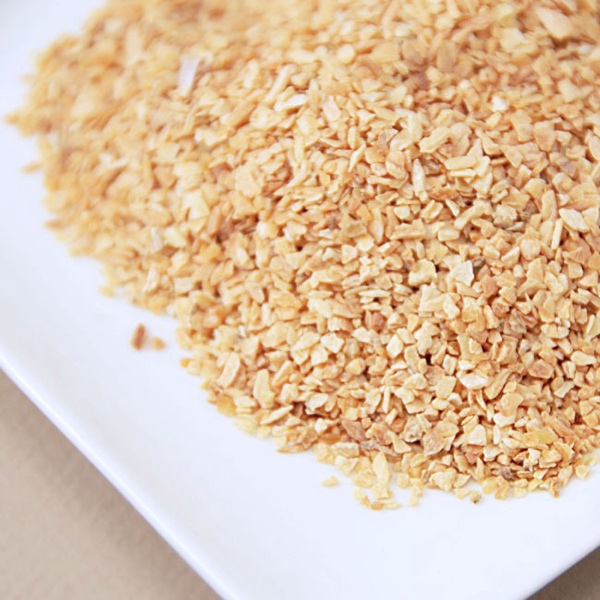
Great garlic is usually not available year round to the vast majority of us. As such, some plan for preservation is in order. Drying is your best bet; while there is a certain loss of flavor, it’s a given that great garlic dried will be better than OK garlic fresh, so it’s worth the effort. You should peel the cloves, and at the least, cut ’em in half, though you can chop or mince if you like; process in a dehydrator or warm oven until they’re light and dry to the feel.
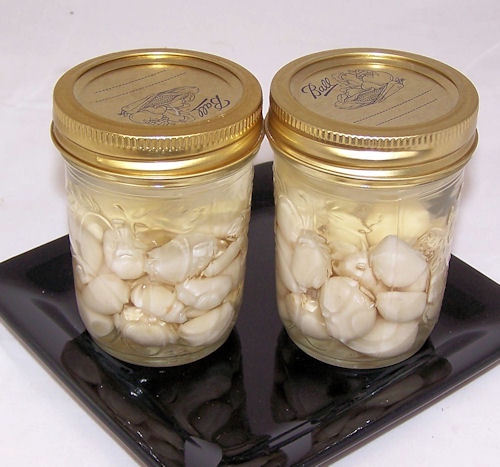
Please know that garlic in oil is not a safe methodology; garlic is a low acid food, and you’re begging for botulism here. Making garlic oil in small batches and freezing it is A-OK. Puree your garlic, mix it with good olive oil, strain it through cheese cloth or a fine, double sieve. This is another perfect ice cube tray application – freeze it that way and pop a cube out for use.

You can and should pickle garlic, it’s delightful and has a complexity like no other. Finally, garlic salt or pepper are nice options as well. Kosher or sea salt both work fine, though the uniform grain of kosher probably works best; for garlic pepper, use whole black tellicherry berries. 1/4 cup of garlic for each cup of salt or pepper will do the trick. Preheat your oven to warm, or 180° F, and line a baking sheet with parchment paper. Peel the garlic cloves, then add them straight away with the salt or pepper to a food processor. Process for about 30 seconds, until you’ve got a uniform texture. Spread the results into an even, thin layer on your baking sheet. Bake for about an hour, until the results are crisp and dry. You do not want them to brown, so keep an eye on things. Transfer the salt or pepper back to the processor using the parchment. Pulse a few times to break things up to an even consistency. Stored in airtight glass jars, your housemade lovelies are good to go for 3 or 4 months.
If the grocery is your only option, then what you’re likely to find will break down into three varieties; Softneck, Hardneck, and Elephant. 

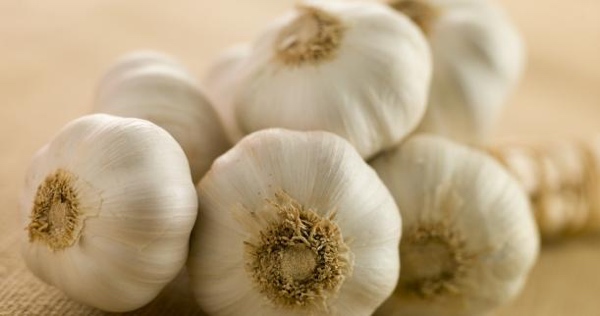
Softneck Garlic is the most common variety you’ll find; this is the fat, white head of multiple cloves with several layers of papery, thin skin surrounding that you can score for roughly .50¢ a pop. It’s also the easiest variety to grow in a backyard garden. Softneck garlic has a fairly strong garlic bite and a sweet, pungent odor. Most garlic heads that have been braided together are softneck varieties. Common Softneck varieties include California Early, California Late and Creole.
Hardneck Garlic is a bit less common, but still can be found in grocery stores. Hardneck features lovely shades of purple through brown, with thin skins and larger and fewer cloves than the softneck stuff. These varieties are generally somewhat stronger in flavor and scent than the soft stuff, and they generally don’t store as well, so it’s prudent to use them quickly after you buy. Commonly found Hardneck varieties include German Extra Hearty and Roja.

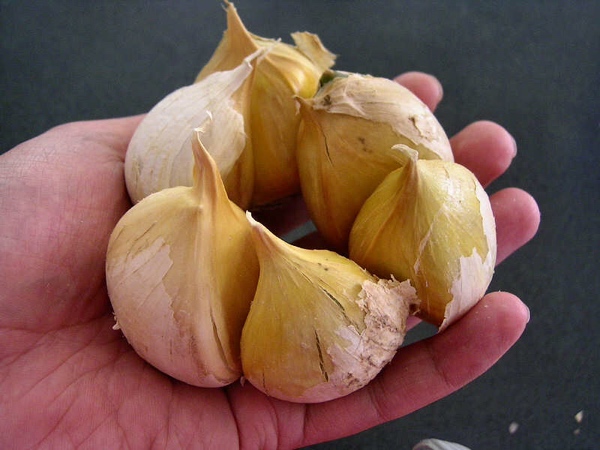
Elephant Garlic is the third variant you’re likely to find. It features a big ol’ head of very large cloves that can approach shallots in size. Prized for its subtle, mild flavor and scent, elephant garlic is great for folks who don’t like their garlic too assertive.
Onward! Bourdain’s next claim is that garlic “can taste so many distinct ways, handled correctly,” and that “misuse of garlic is a crime;” he is spot on here, though there are a couple of critical points left unstated.
First off, what the artist formerly known as Chef doesn’t say is this; more than how you prep it, the most important caveat for “correct” is how much garlic to use. Garlic is by nature potent, and this is why so many cooks over-season with it. Too much can bring out the negative aspects of its character every bit as much as improper cooking can. My simple rule is this: If the dish you’re making has garlic in the title, then you should use enough to bring it to the forefront of the flavor profile. When this is the case, do consider what form you’re going to use the garlic in. Let’s say you’re making garlic lamb or chicken; whole, peeled cloves added to a brine or marinade, or braised or roasted with the protein will deliver a lot of garlic flavor without blowing your socks off. Fewer cloves minced, diced, or crushed can be every bit as potent or more so than whole peeled cloves.
If garlic is not in a lead role, err to the side of caution and use less than you think you should. Let’s take chili for example – Garlic belongs here, but not as a dominant note. You’re after the subtle, sweet mouth feel a little garlic adds to a dish like this, so a moderate sized clove, one clove, will do for a whole pot of chili. That’s what I mean by subtle use; folks won’t even necessarily know garlic is there, but it will add that certain je ne sais quoi nonetheless. Consider adding peeled, whole cloves to soups, stews, and low and slow braised or roasted dishes; that’ll impart a nice, subtle background flavor, and some lucky diner gets to find a treat as well.

Next comes old garlic, and that is indeed a crime of epic proportion. Add to this, sub-par garlic. Since in large part we’re talking about gathering here, (AKA, shopping), then with whichever variety you’re hunting, do your due diligence. Choose firm, uniform heads with no soft spots, off colors, or smells. You should squeeze and scrutinize garlic as you would any other veggie you pay good money for.
Then there’s the storage thing. I’ll just tell ya straight up that garlic does not belong in the fridge, ’cause that will encourage sprouting, which leads pretty quickly to off flavors. Keep your garlic in a well ventilated, dry container, out of strong, direct sunlight. Garlic will last a month or two so stored, but as cheap as it is, you’re best served to buy a small head at a time and use it promptly.
When you’re ready to use the stuff, fresh garlic cloves should be firm and creamy white in color; if they’re yellowish, have brown spots, and/or are starting to sprout, toss it. That stuff will have a hot, bitter taste that is quite off-putting.

Burnt garlic comes next, and should we even have to say no to that? Actually, we do, because it happens far too often. Burnt garlic brings out the worst in this heavenly stuff, turning complex, sweet and pungent to bitter, sour, and overpowering. It will overwhelm everything else in a dish in a New York minute. Understanding how and why garlic burns is the key to avoiding this mess. Throwing garlic into a dish too soon often leads to burning: In a little oil in a saucepan over medium high heat, any form of processed garlic can and will burn within a minute or two at most; that’s why it should always be the last thing you add. Longer cooking under any kind of high heat will make garlic taste bitter, even if you don’t burn it. Smashing, pressing, mincing, dicing, and slicing garlic releases more flavor than cooking with whole cloves, but it also makes for a bunch more surface area that can potentially burn.
This ties into Anthony’s next assertion, castigating “garlic cut too long ago and garlic that has been tragically smashed through one of those abominations, the garlic press.”


For the former, he’s right on the money. The longer garlic sits after being cut, the more the essential oils and compounds that make it great begin to break down into other, much less desirable constituents. Ideally, it should be prepped 5 to 10 minutes prior to cooking with it; this little rest helps stabilizes the garlic, making it more resistant to heat.
As to the latter, I respectfully disagree. Pressed garlic is no more a crime than puréed, smashed, or minced.
Furthermore, there not only is a place for all these variants in cooking, they may actually be good for us.

Garlic contains a sulfoxide derivative of the amino acid cysteine, called Alliin, as well as a catalyzing enzyme, Alliinase. In a whole clove, these constituents remain separated within the cell structure. Slicing, chopping, mincing or pressing garlic ruptures the cells, releasing these elements to combine and form a new compound, Alliicin, the primary biologically active compound within garlic. Alliisin is garlic’s defense mechanism, released to ward of pests in the natural world. It is responsible for the pungent aroma, as well as the bite/heat/power of the stuff. Alliicin has known anti-fungal and anti-bacterial properties, and may aid in the reduction of atherosclerosis, decrease blood pressure, and provide anti-inflammatory properties as well.
In short, sorry Tony, but chopping, mashing and yes, even pressing garlic finely, produces more Alliisin, and coincidentally, provides the strongest garlic bang for the buck.
He goes on to vilify any form of processed garlic sold in a jar, and for the most part, he’s right. That stuff is far from fresh, and whatever methods are used to shelf stabilize it aren’t anything you should be hankering for.

Next, Bourdain encourages us all to enjoy roast garlic, and upon this there can be nothing negative said.
Roast garlic is indeed food of the gods, and here’s how you do it.

Preheat your oven to 400° F and place a rack dead in the middle.

Prep whole heads of garlic by removing the thicker outer papery layers.
Leave the skins on the individual cloves and carefully remove about the top 1/4″ of each, exposing the cloves.

Drizzle a little extra virgin olive oil in each clove, then loosely cover them with aluminum foil.

Roast for about 30 minutes until the tops of each clove is golden brown and they’re soft to the touch.

Allow the cloves to cool until handleable. Use a small fork or knife to extract the soft garlic and spread it onto fresh, crusty bread. Welcome to Heaven.

If roasted garlic is heaven, confit garlic is Valhalla.

Peel a few heads of garlic down to whole cloves.

In a small sauce pan over medium low heat, heat extra virgin olive oil through, then add the garlic, making sure all the cloves are fully submerged. Heat slowly but thoroughly for about an hour, until the cloves are soft. Keep the heat low so that the garlic doesn’t brown. Serve spread onto fresh, crusty bread with a nice glass of red.

Lastly, Le Tony notes, “Too lazy to peel fresh? You don’t deserve to eat garlic.”
And on that final note, we disagree completely. 

As I mentioned before, great garlic dried is really good garlic, especially if you made it at home.