
Picanha – that sounds so much sexier than sirlion cap, rump cap, or rump cover, doesn’t it? And if the Portuguese doesn’t grab you, there’s always the French term, Coulotte. Picanha likely stems from picana, a Spanish word meaning the pointed stick vaqueros used to herd cattle. Whatever you choose to call it, believe me when I tell you that, if you love great beef, you want this.
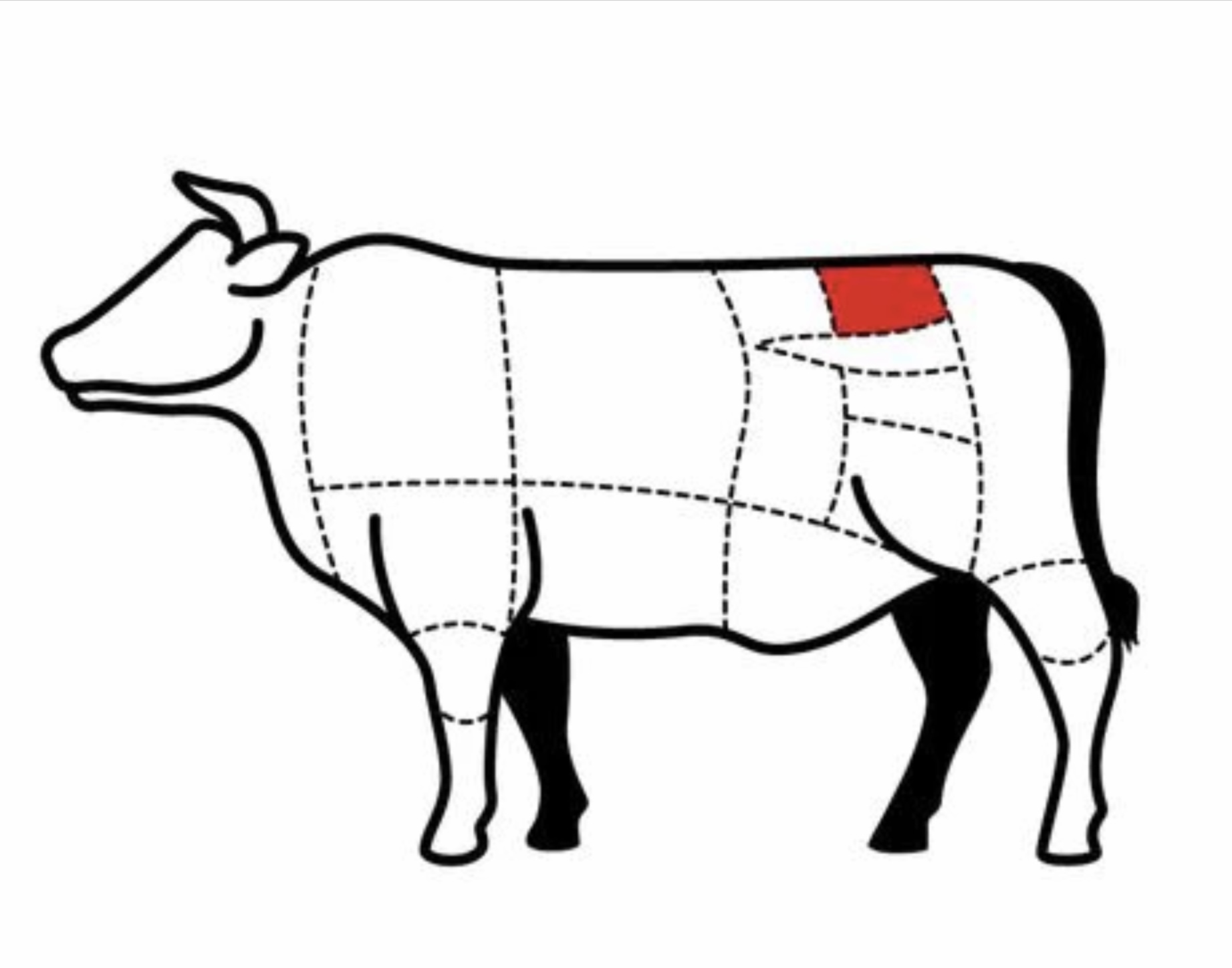
Picanha is a triangular shaped muscle derived from the primal loin cut. It’s not well known here because American butchers usually turn this into rump, round, and loin. But down in Brazil, they know better, and they leave the Picanha whole – just as they do in France, and also in Portugal. Picanha compares favorably to ribeye for tender, juicy, flavorful steaks and roasts, and for far less money. If you’ve got a real butcher shop near you, you should be able to score this cut – and Costco counts in this regard – they call it a sirlion cap, but they cut it right.
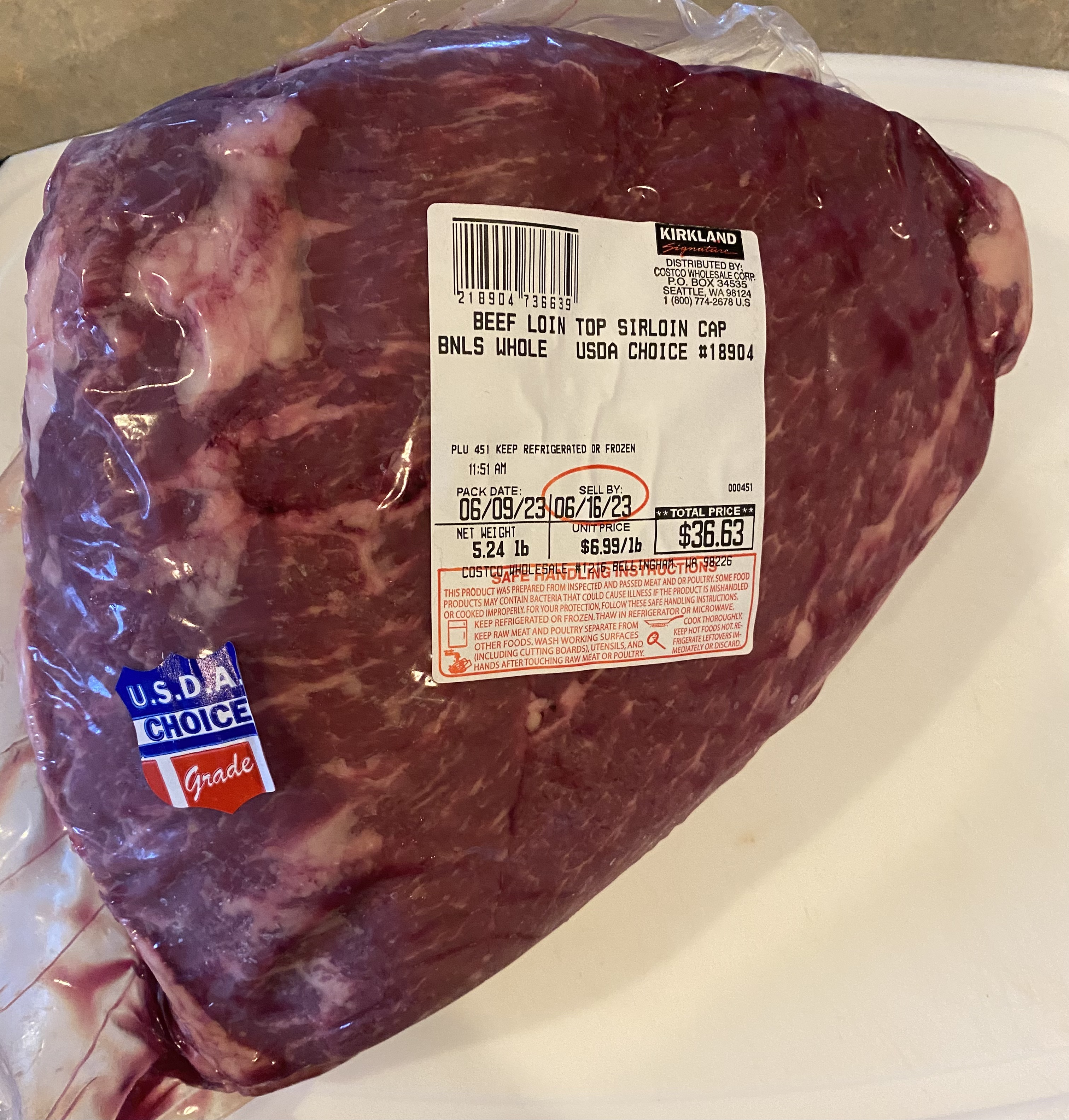
Even better, I got a couple USDA Choice beauties for $6.99 a pound yesterday – compare that to choice ribeye at $12.99 a pound and you get it. Picanha is also pretty close to brisket in price, and much easier to find in the 2-3 pound per cut range.
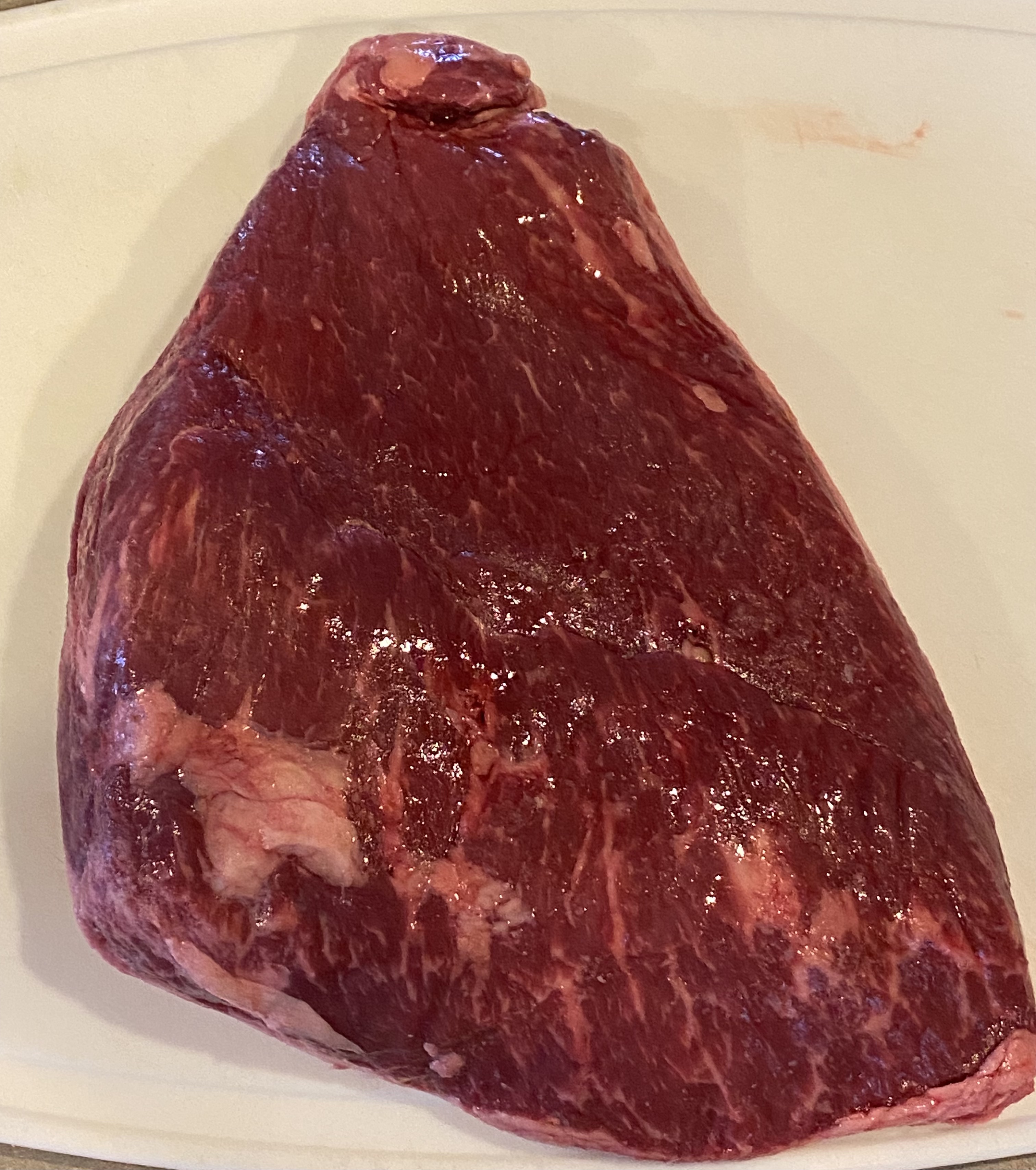
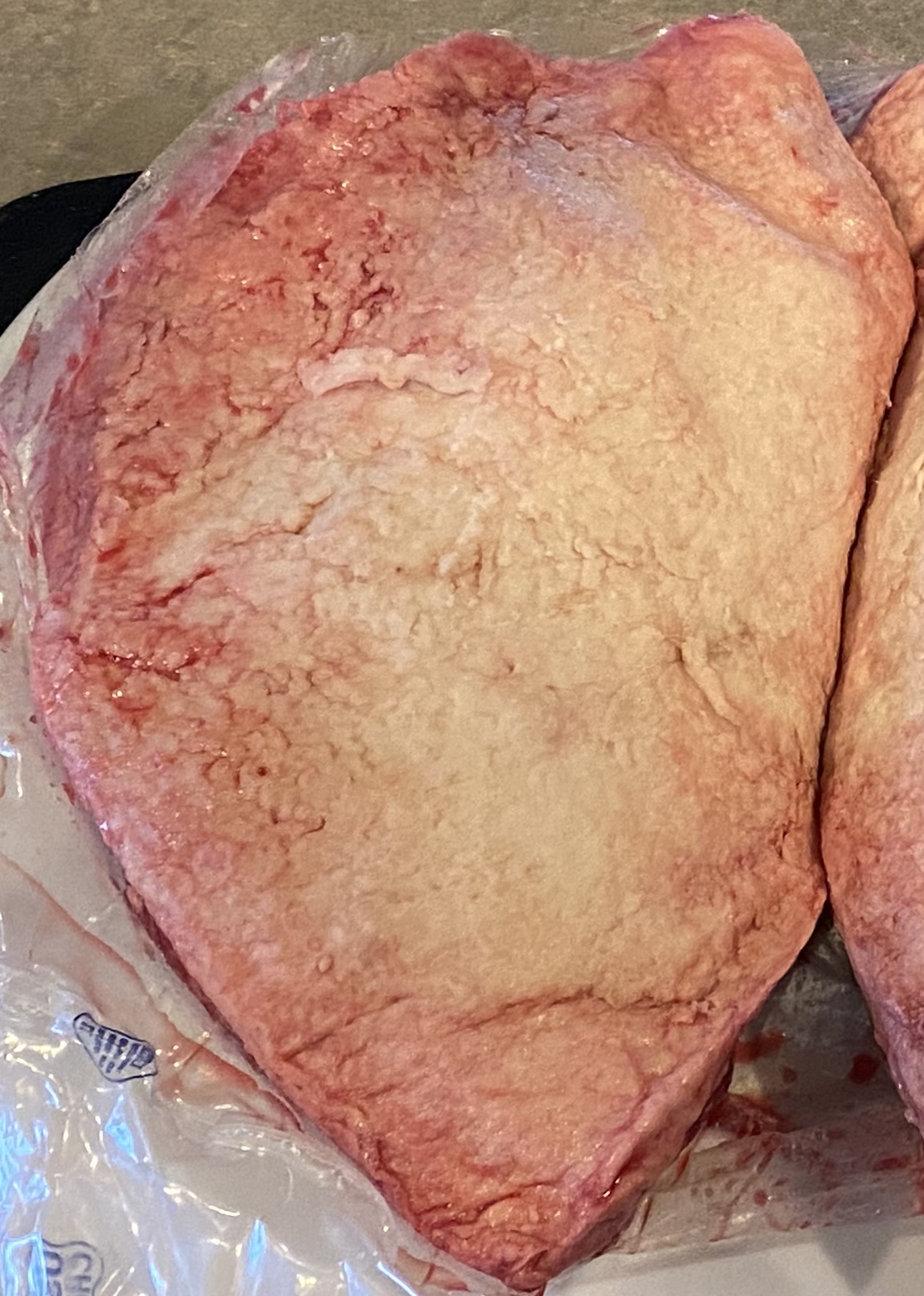
Above and below you see images of a proper picanha. That fat cap is the real secret of this cut’s fantastic properties. Cooked right, that cap melts, basting your steaks or roast and culminating in fork tender meat with incredibly silky mouth feel.
So, once you score a picanha, what to do with it? It’s a relatively thin roast, maybe 3” to 4” thick. In Brazilian Churrascaria, the traditional preparation is to cut the picanha into steaks, skewer them, and cook them quickly over charcoal or wood. You can treat it like tri-tip and grill it whole, or braise, roast, or go low and slow in a grill or smoker like a brisket – picanha will shine through any of those methods.
Whatever you do, see that you keep that glorious fat onboard until cooking is done, after which you can trim off any remaining if you wish. Some do, and some don’t – it’s a personal preference and either way is fine. Seasoning is up to you as well. Picanha is a bold, flavorful cut, so not much is truly needed. Brazilians tend to use only coarse salt, but there’s nothing wrong with applying your favorite wet or dry rub.

My advice is to leave your picanha whole. Steaks may be easier and faster to cook, but again, this is not a thick cut, and it does not take long, unless you purposefully opt for low and slow. The magic here is a flavorful, not particularly heavily marbled cut that relies on that fat cap to really flourish. While you can lean toward well done if you do it up brisket style, picanha really shines when fairly rare.
If you do prefer steaks, then roast whole first and then cut steaks – that takes full advantage of the fat cap. You can make them as thick as you like, and you can have them relatively rare, or sear them more if you like.
Speaking of searing, my advice is don’t. Let’s let Harold McGee, from On Food and Cooking, explain what searing may do for us, ‘Food scientists who have studied the subjective sensation of juiciness find that it consists of two phases: the initial impression of moisture as you bite into the food, and the continued release of moisture as you chew. Juiciness at first bite comes directly from the meat’s own free water, while continued juiciness comes from the meat’s fat and flavor, both of which stimulate the flow of our own saliva. This is probably why well-seared meat is often credited with greater juiciness despite the fact that searing squeezes more of the meat’s own juice out.’
Note that McGee wrote ‘probably,’ not ‘is’. It probably is true that searing can help in this regard, however with a picanha, I’ll tell you that you don’t need the additional cooking steps – roasting this beast with the fat cap up will give you all you could desire, and then some.
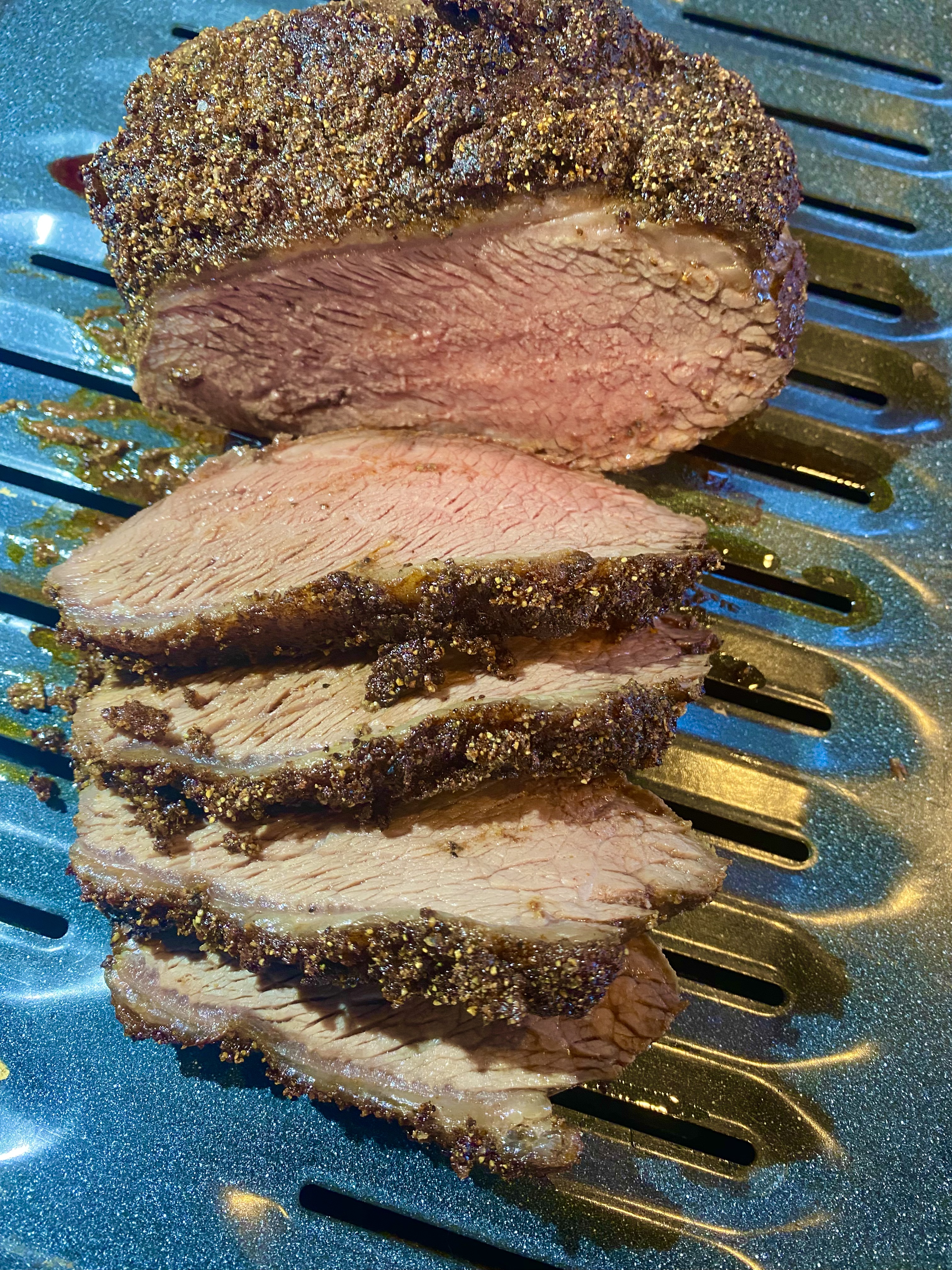
Roasted Whole Picanha
2-3 Pound Picanha Roast
Coarse Kosher Salt or
Dry or Wet Rub of your choice
Bring the roast out to room temperature and pat dry with clean toweling.
Trim the fat cap to roughly 1/2” thickness, and then score through about half of that in a large X pattern.
Rub the roast generously with salt and allow to sit at room temp for an hour prior to cooking.
Preheat oven to 350° F and set a rack in a middle slot.
Add about 1/2” of water to a clean broiling pan and set your roast on that, fat side up.
Use an active oven safe probe to closely monitor meat temperature.
Roast until internal temperature reaches 122° F.
Remove from oven, leave in the broiling pan, cover loosely with foil, and allow to rest for 15 minutes.
Cutting at 90° to the grain, carve slices or steaks and serve.
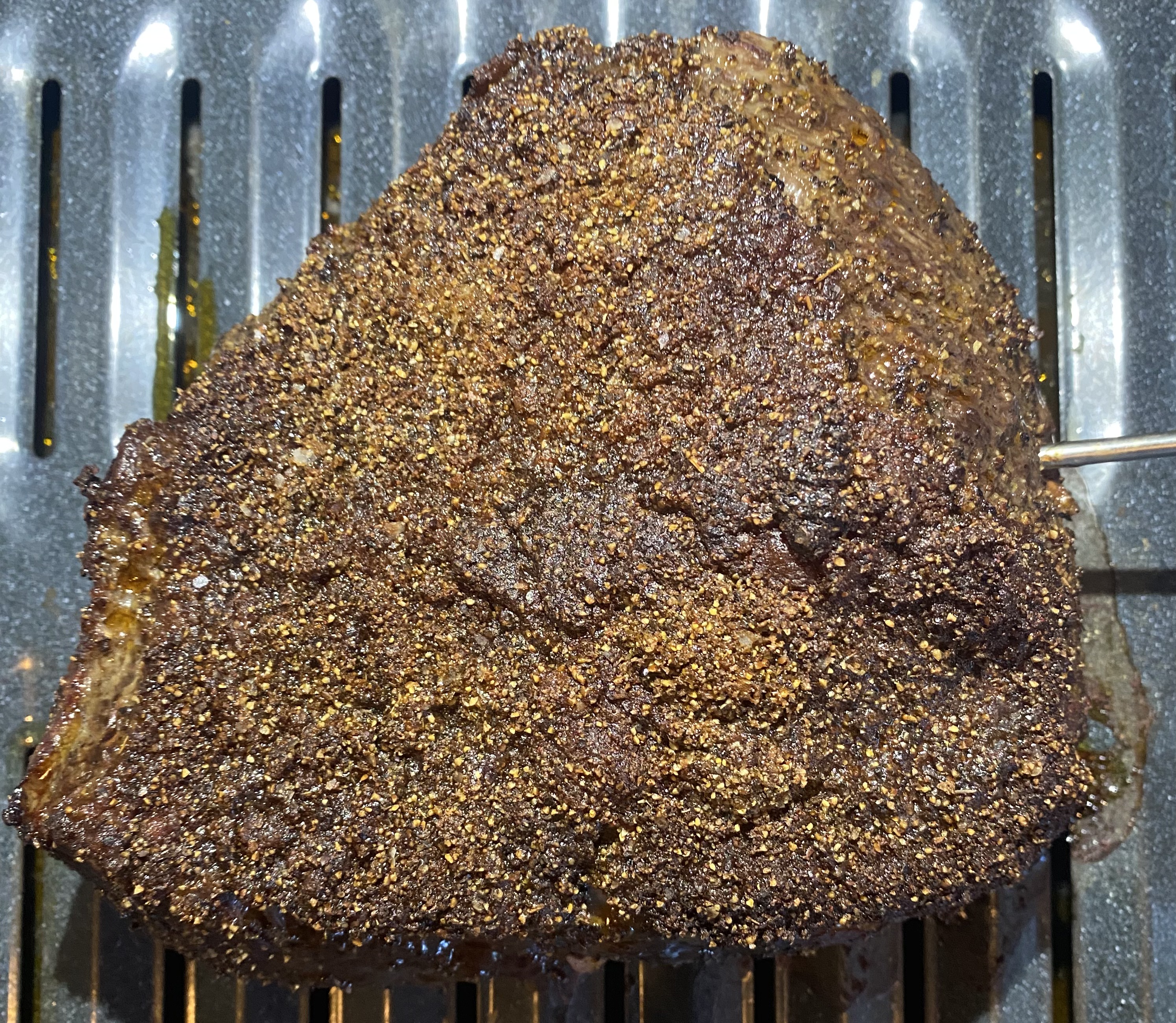
Brisket Style Grilled or Smoked Picanha
Note: this is a true low and slow cook that will take a good few hours, so be prepared!
2-3 Pound Picanha Roast
Coarse Kosher Salt or
Dry or Wet Rub of your choice
Bring the roast out to room temperature and pat dry with clean toweling.
Trim the fat cap to roughly 1/2” thickness, and then score through about half of that in a large X pattern.
Rub the roast generously with salt and allow to sit at room temp for an hour prior to cooking.
Use an active oven safe probe to closely monitor meat temperature.
Set up grill or smoker at 250° F – if you’re grilling, set it up two-zoned, and you’ll place the picanha on the cool side.
Add smoking wood if you like that – wet or dry is up to you.
Prepare a mop of 50% water-50% apple cider vinegar.
After 90 minutes of cooking, mop the picanha lightly.
Keep mopping lightly about every hour until your bark has set – it’ll look like this.
Once bark is set, (likely around 3 hours) wrap the picanha snugly in foil and return to the grill or smoker.
Continue cooking until your internal temperature reaches 200° F.
Pull the picanha and let it rest for at least an hour, and two is fine.
Unwrap and slice across the grain to serve.
 UrbanMonique