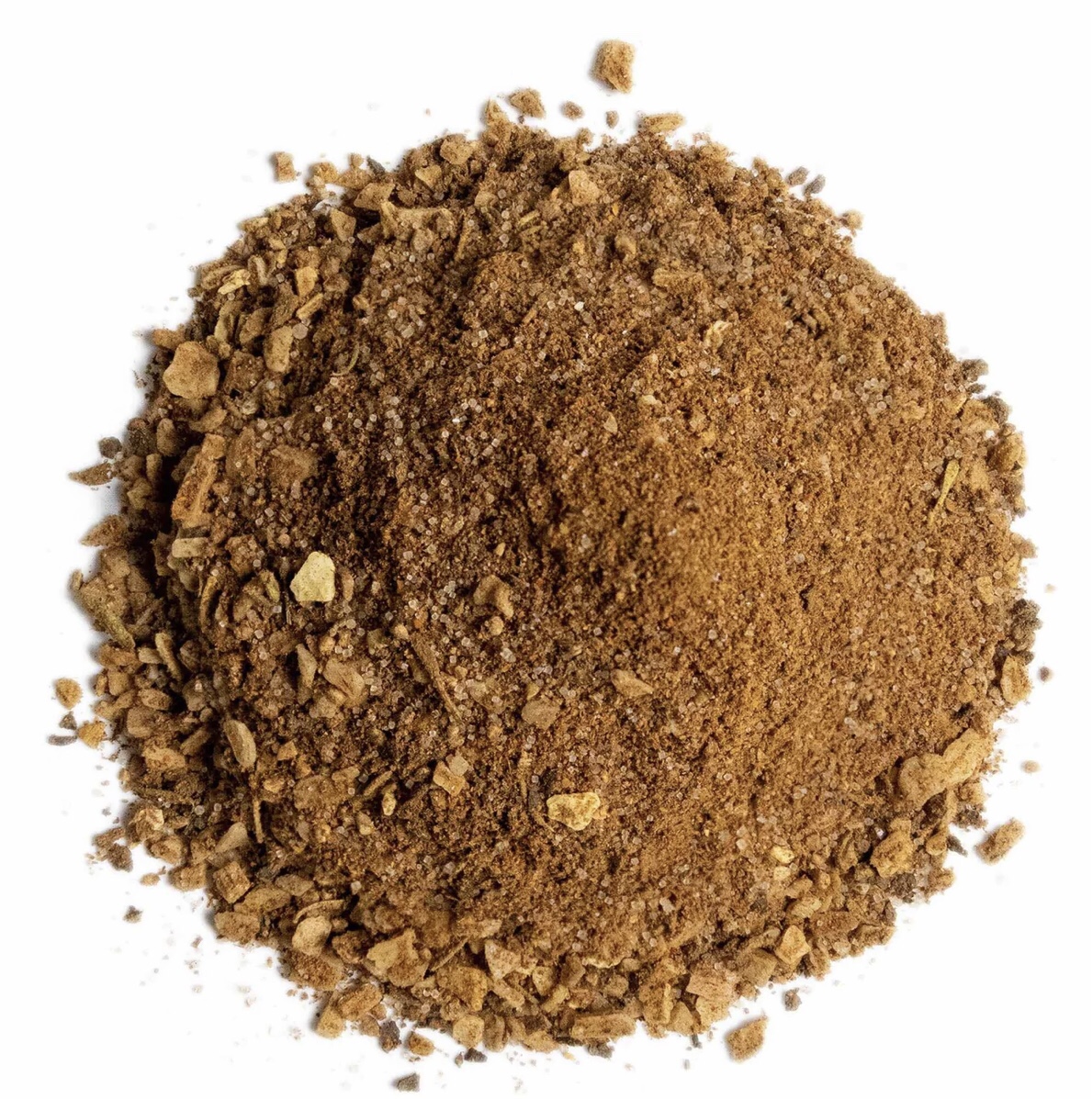
Are you buying produce correctly? Probably not.


How serious are you about produce? I sure am, and being an opinionated SOB, I think you should be too. I do 99.9% of the shopping for our household, so when M went for the first time a few weeks ago, she was shell shocked by prices and the general lack of good quality produce, as are a lot of folks – as such, I think it’s absolutely time to discuss it – don’t you?
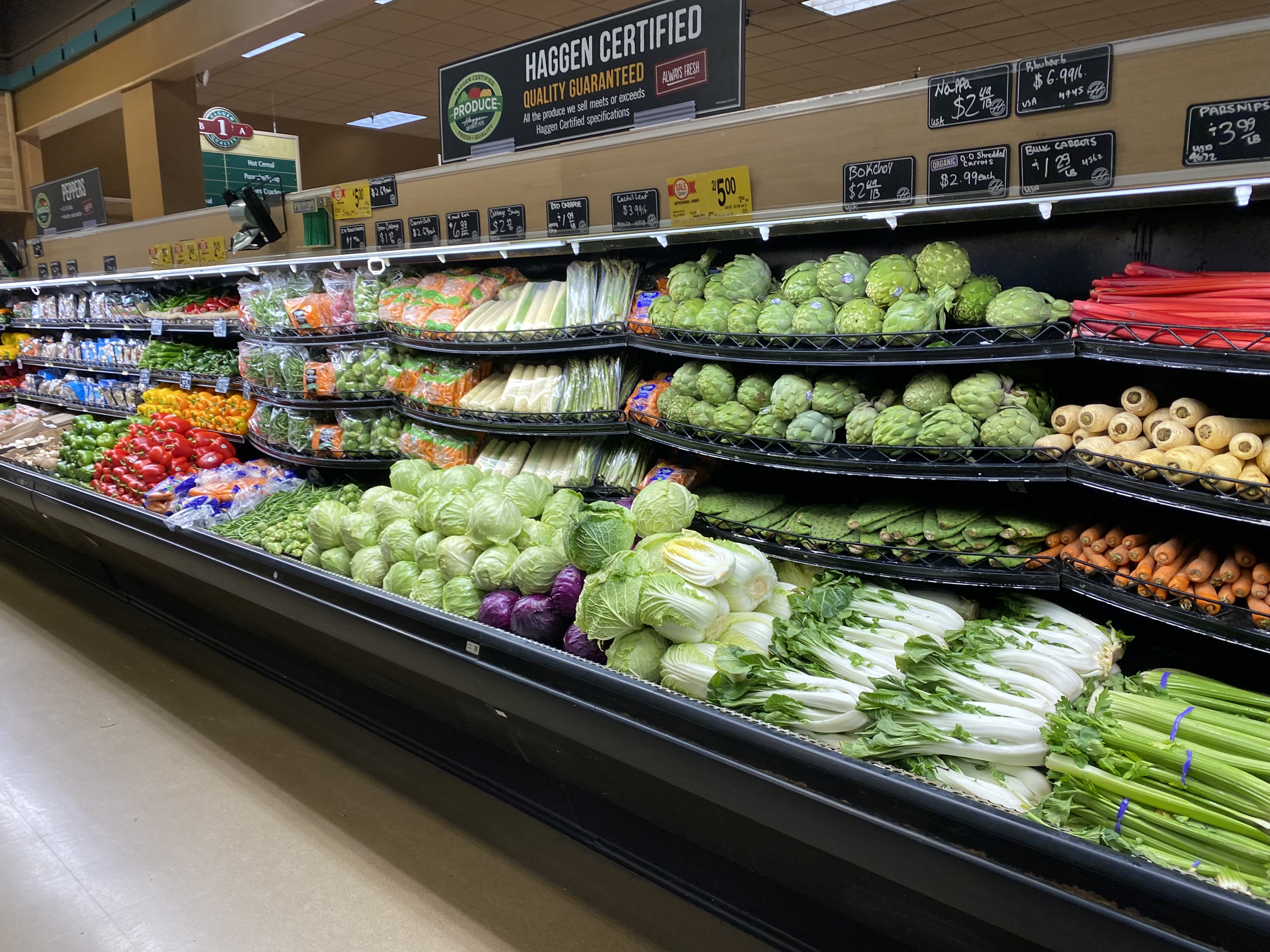
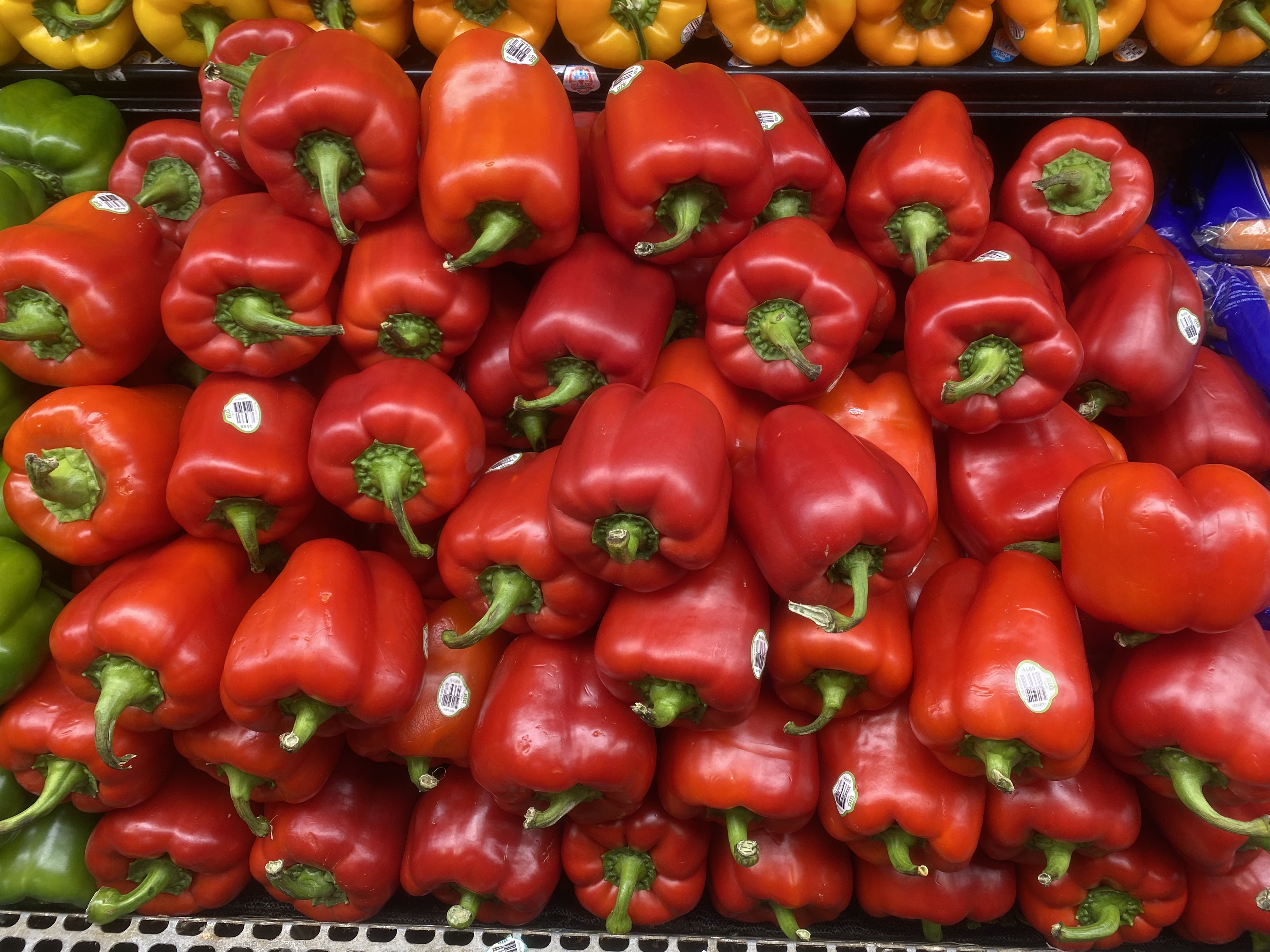
I took the shopping images you see here today – check out the prices. When I see Serrano chiles at $4 a pound, you damn skippy I’m going to be über picky buying them. Bell peppers $2.50 a pop – Same gig. Small limes .89¢ each – uhhh, yeah – picky. If what you do at the store doesn’t more or less mirror my schtick, then you’re not doing enough, and that’s contributing to why what you buy doesn’t taste as good or last as long as it should. Time to up your game, because some necessary adjustments to our typical way of shopping are necessary.

First and foremost, I think that getting produce shopping done right means changing the dominant American paradigm and adopting a more worldly model. North America is about the only place where people expect to go to one place, one time, to get all their food. Think about it – all those images of local markets? The French and Italians, and their routines of visiting specific local purveyors for various things? That’s something we here need more of.

Taking a more holistic approach to shopping means more planning, and taking more time and care when you’re there. The image above shows you the produce I bought on Saturday. I went farther afield than I could have – to a store with better produce, went early to get the best selection, and easily spent ten minutes choosing five chiles, three limes, and one bell pepper – and I enjoyed myself to boot. This means shopping might entail going to the carniceria for fresh tortillas, the Euro market for moghrabieh couscous, or skipping your first choice for produce because what you needed just wasn’t good enough – that’s what we gotta do.

How about shopping frequency? Americans wanna go as little as possible, and expect things they buy to be good for a long time – and that model doesn’t jibe well with quality produce at home. Just as the rest of the world shops several times a week, so should we – buy less, buy fresher, and use it before you get more. If you don’t use it, preserve it to avoid needless waste. Plan meals around what you’ve got and how soon it needs to be used.

Don’t get your produce from your average big name grocery store if you can avoid it. These days, CSAs (Community Supported Agriculture) are far more common than they used to be – they can range from fairly large scale ops in a city to small one-family affairs in towns and rural areas. Patronize them and you’ll get far better, fresher produce – and you’ll be supporting smaller, local businesses too. Often enough, a CSA will bring an order to your door, and you can often choose what and how much you need. If they don’t offer delivery, incorporate that pickup into your shopping routine.

Farmers markets are still largely seasonal, but you should check out your area to see what and when you have available to you – here there are quite a few folks who grow year round in greenhouses. Like CSAs, you’ll be supporting local farm families, and getting produce directly from the growers.

Wherever you buy, you probably need to get a bunch more discerning in your purchases. I really do get approached all the time in stores about my produce buying habits, so obviously I’m doing something markedly different from the average bear. Yesterday, it was a young 20-something guy who appeared at my shoulder and sort of sarcastically noted, ‘that’s the most time and effort I’ve ever seen anybody spend to buy five peppers!’ In all fairness, I think he wanted at them too, and I was in the way – still, it played out differently than he thought it would.
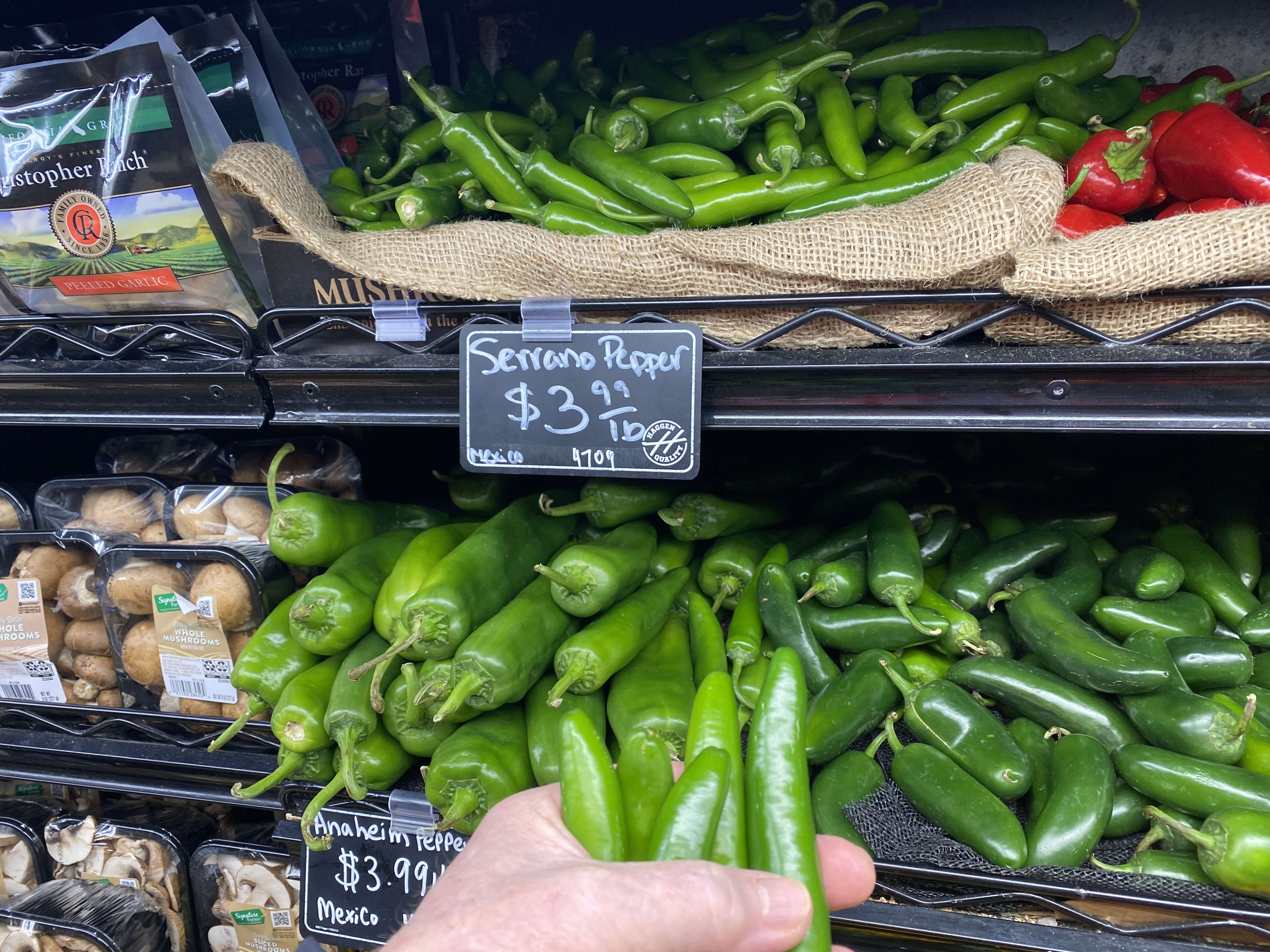
I pointed to the sign that read $3.99 a pound for Serranos and said ‘yeah? Well at that price, I’m gonna be picky as hell, and you should be too!’ Curious now, he asked what I was looking for, and there it was – I showed him the ones I’d chosen – firm, glossy, good ends, no lesions, smells like a chile. Then I grabbed a soft one and handed it to him, along with one with brown spots and one with a soft stem end, and one that smelled a little off – I watched the light bulb turn on. He thanked me, by the way.

The same goes for small limes at .89¢ a pop – I’m after ones that are firm but not hard, glossy, no lesions or soft spots and that smell good, and I’m testing as many as it takes until I find three I’m willing to spend $3 on. $2.50 for a red bell pepper? I’m gonna take all the time I need to find one as close to perfect as I can get. If I’m in the grocery store, I check organic versus not, and peruse varieties I may not think I’m looking for in order to score the best stuff.
Take lettuce – no, really. Stand and watch how people buy that – 9.9 out 10 folks just grab whatever is on top of the pile and throw it in the basket – and that’s way wrong. Pick up several heads -notice some are really light and others notably heavier. Squish them gently – some are firm, some are mushy. Look at the cut ends – lots of brown and soft tissue? Smell it – if anything, you should get a faint earthy scent – if it smells strongly of anything, that’s not good, so move to the next head.

Potatoes and onions? Here again, pick up a few and you’ll notice weight difference. We want firm, clean veggies with no lesions or soft spots that smell good. Carrots and celery? Both of those should be firm, and resist a gentle bend. The ends should be clean and firm, no visible rot or soft spots. Smell ‘em, and they should smell like what they are. Crush a little piece of celery leaf and smell that – smells good, stronger than celery, kinda peppery? Good news – buy that.
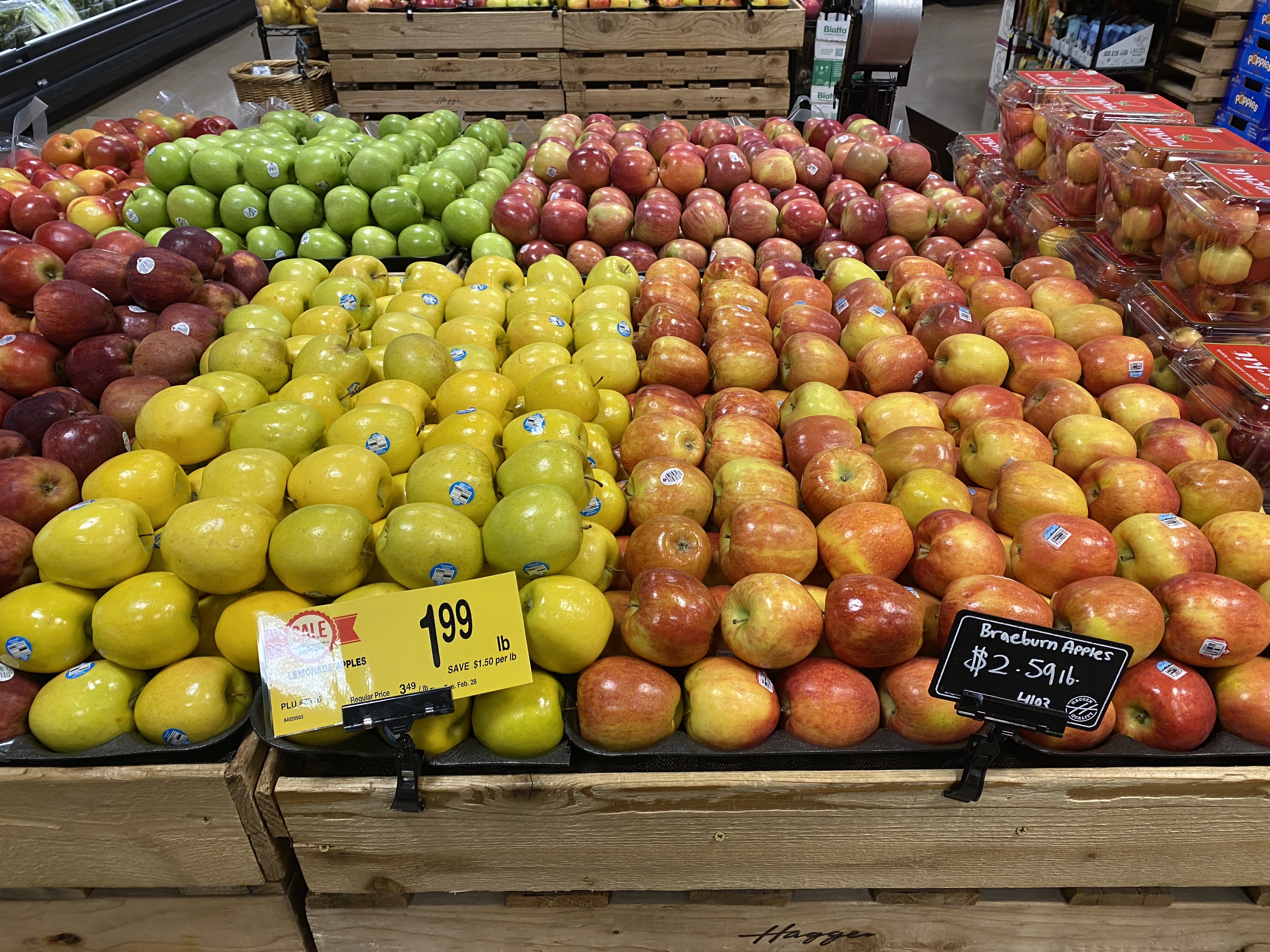
Be it fruit or veggies, this detailed physical, visual, and olfactory inspection is critical to determine whether what they’re selling is worth your hard earned money – Don’t skimp on the process and you won’t go home with crap that spoils quickly and tastes lousy.
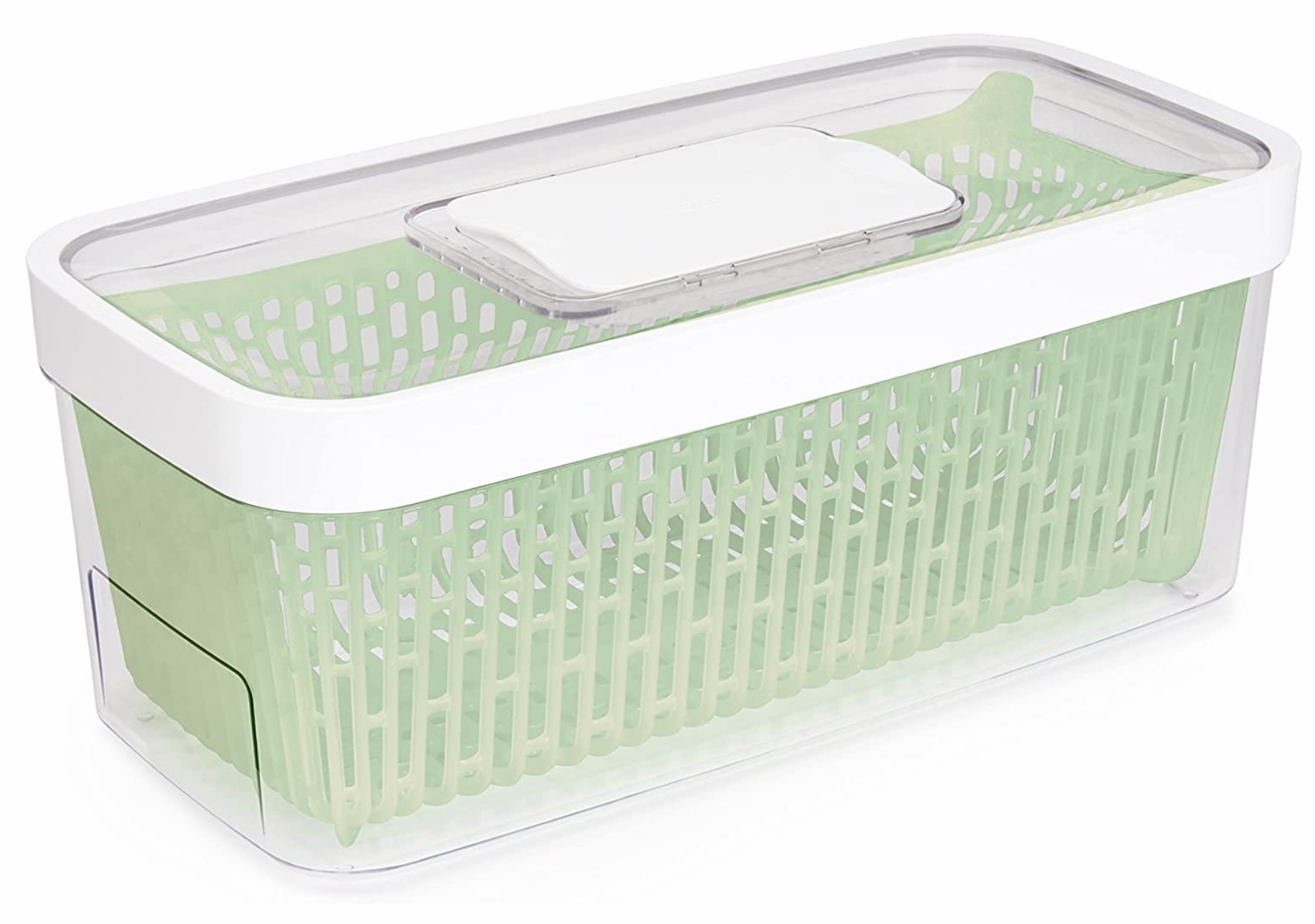
How you store produce at home is equally important. In our kitchen, we have several purpose built produce containers, (ours are made by Oxo). They go in the fridge and act like little crisper drawers – because they’re smaller, with vented sides and bottoms and adjustable ventilation, they work better than anything else we’ve used – Lettuce, cabbage, chiles, root veggies and such all last well in them.

Potatoes like to be around 50° F and dry with good airflow, not in direct sun. Garlic and shallots, ditto. Not always easy to achieve, but if you have a cooler spot in your pantry, that’ll do. Oh, and that old saw about storing potatoes with apples? Don’t do that – together they produce ethylene gas, which’ll make both rot faster.
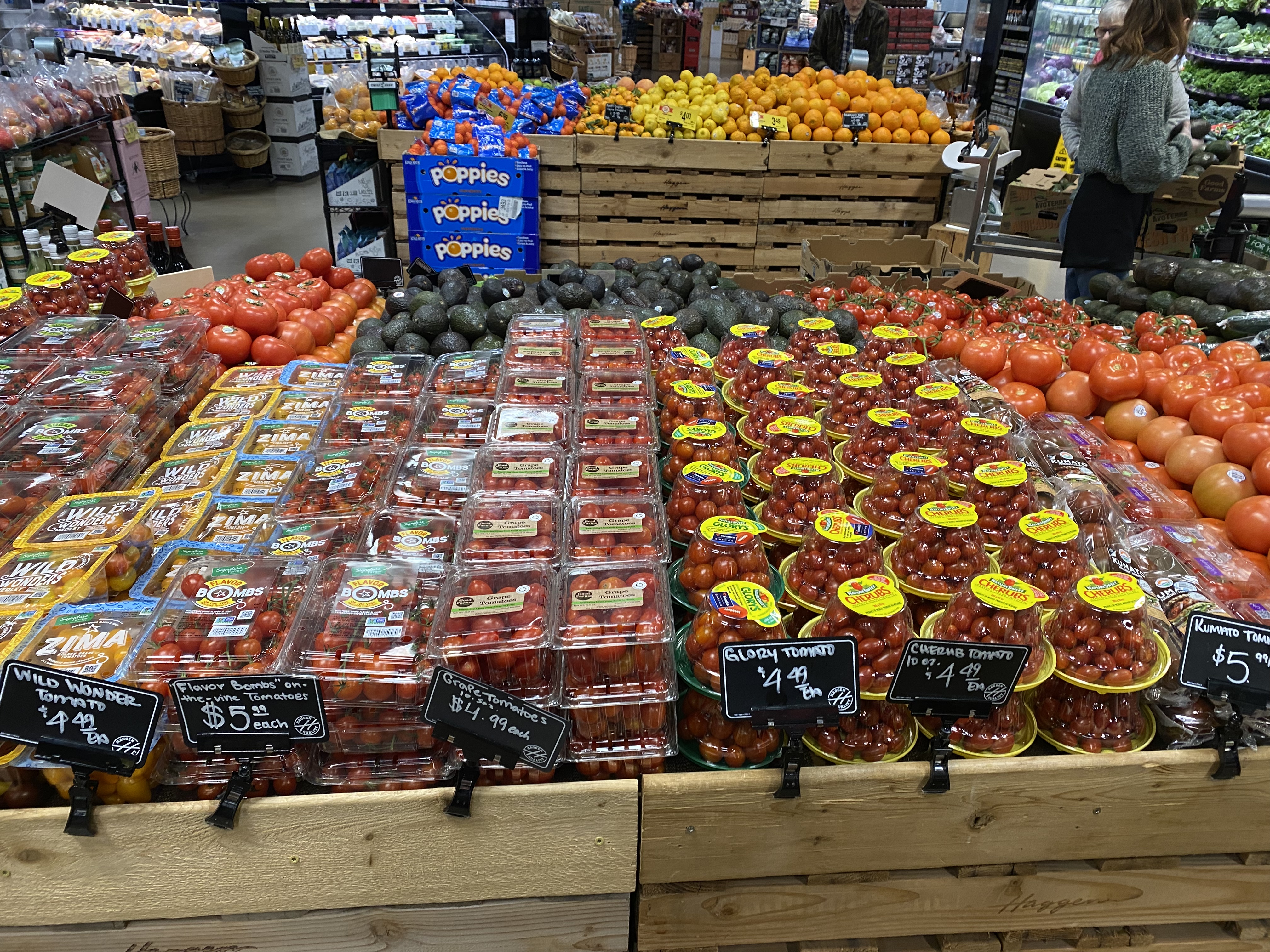
Heard that tomatoes should always be kept at room temp? Wrong – keep what you’re gonna use in the next day or so there by all means – but leave a weeks worth out at room temp longer than that and they’ll start to rot quickly. Refrigerate them in a crisper drawer or veggie holder, and pull them when you want to use them, letting them get to room temp for optimal taste. Almost all fruit will do best under the same rules.

Again, a big key here is not buying like a ugly Amerikan – don’t shop hungry, don’t get the 6 pack of pretty bell peppers unless you can and will actually use or preserve them in the next five days or so. Buy what you really will use, store it properly, and plan meals to use what you have while it’s still good, to reduce overall waste.
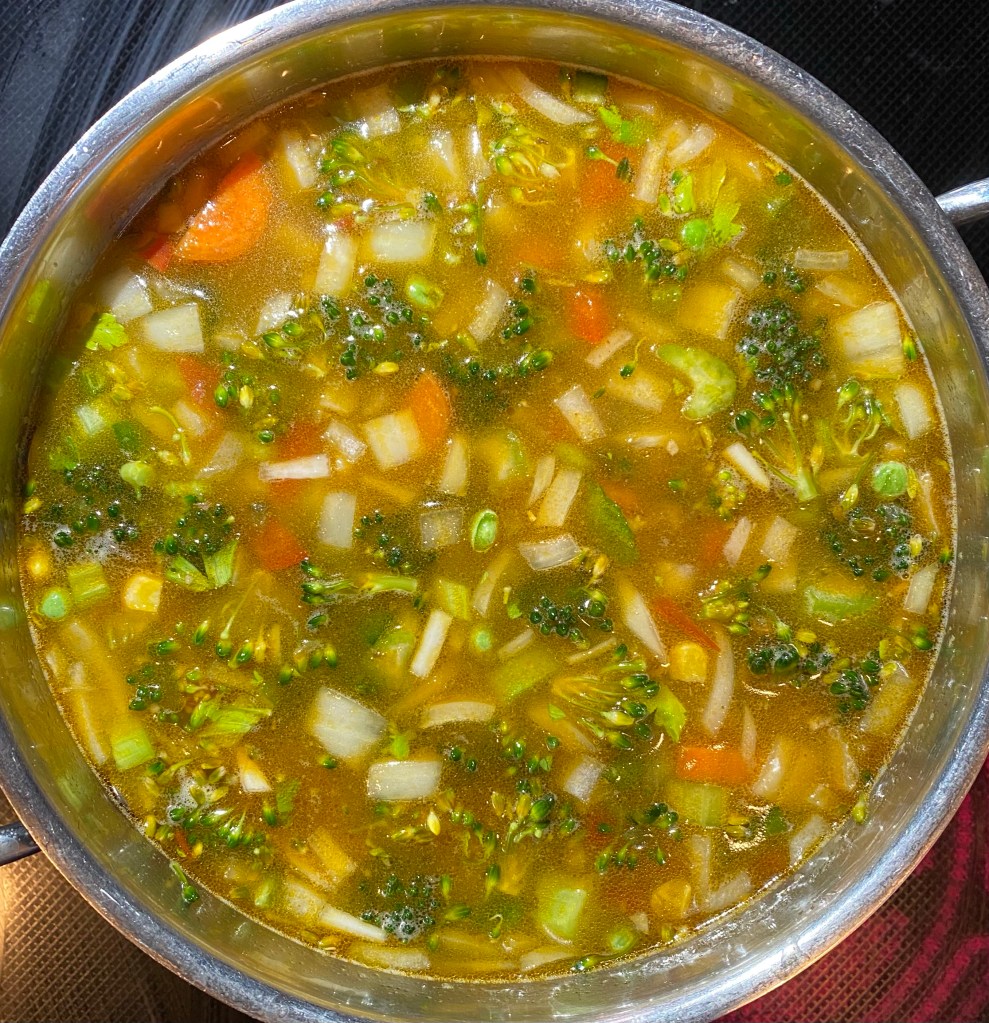
What do you do that I missed or got wrong? Let’s hear it, and see if we can’t all get better at this process, ‘cause we sure need to.
In Praise of Celery


Yeah, I said celery – you got a problem with that? If so, you’re just wrong, wrong, wrong, but in all fairness, it might not be all your fault. Answer me this – is the celery you’re familiar with what you get from the supermarket? Do you actually check out what you buy before you buy it? Ever grown your own or got celery from good local CSA or framers market? If you answered YES, NO, NO, NO, then you gotta up your game. Let’s run down that list.


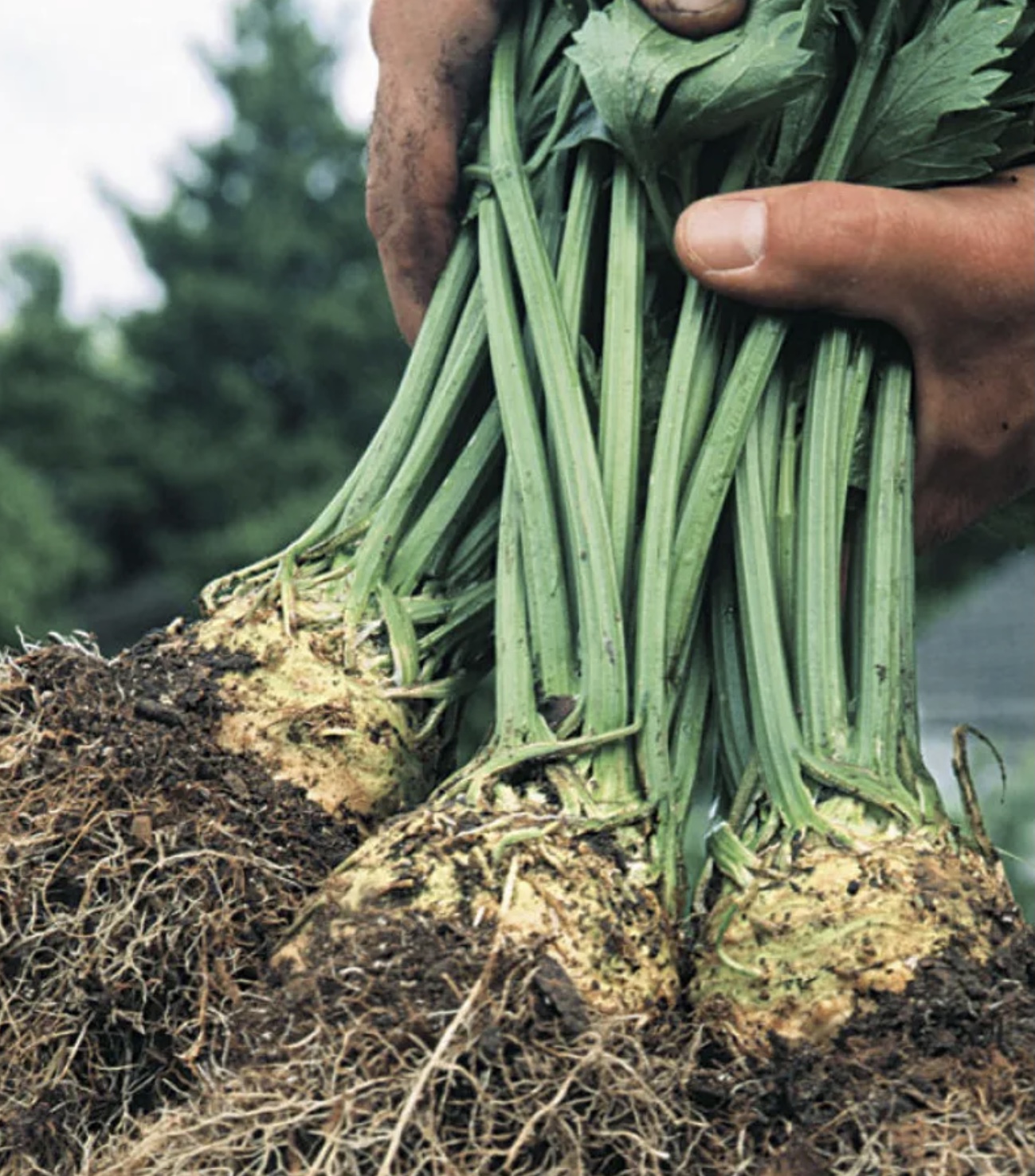
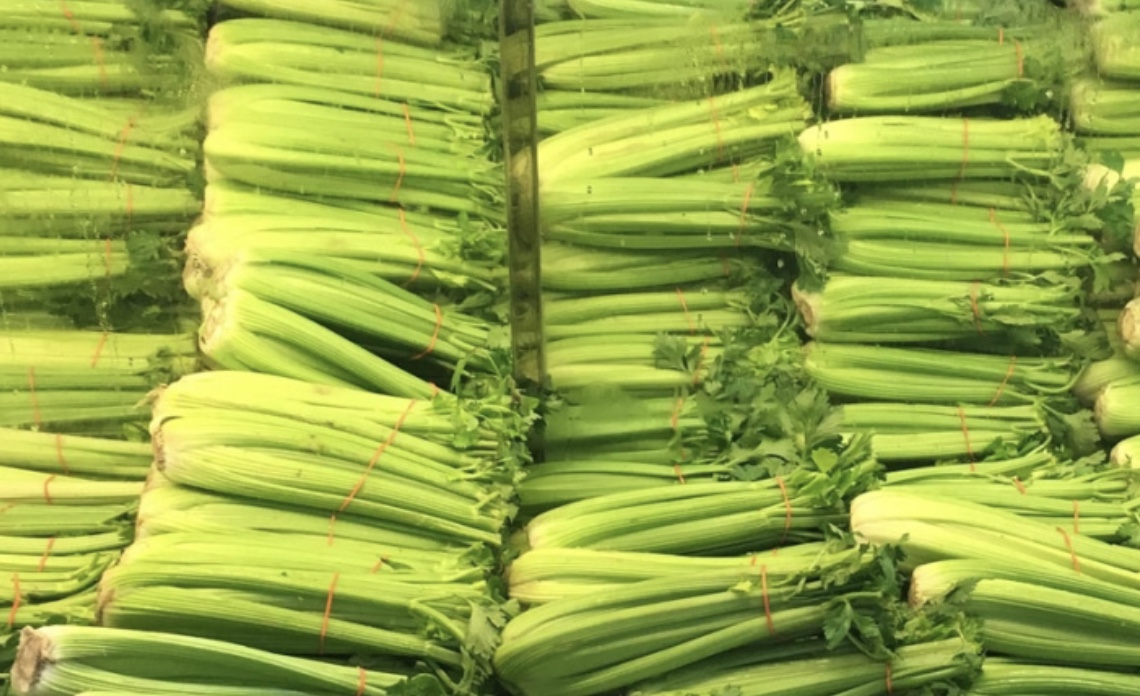
Just look at that stuff in the image above – it’s kind of a shitty picture, but even so, does that look good to you? Look fresh, appealing? No, it doesn’t, and again, if this is what you’re buying, no wonder you dis celery.

If you do buy supermarket celery, do you check it out first? I can’t tell you how many times somebody sees me choosing produce and asks, ‘what are you doing?’ Bloody hell – I’m making sure that what I buy is worth my money! Grab a leaf off that celery stalk, crush it and smell it – does it smell good? Greenish, sharp, a bit peppery? Bend a stalk or three- are they like rubber, or are they firm and resist being bent? If you answer NO and NO, don’t buy it.

Finally, if you’ve never grown your own or bought fresh local celery, then frankly, you got no idea what good celery is – and good celery is well worth your time and energy.


Why is celery worth your while? It’s healthy as all get out for starters – high in fiber, loaded with antioxidants, and high in phthalides which can help regulate blood pressure, and its even got extracts onboard that help cognition and memory.


Yes, good, fresh celery tastes excellent as well – it’s related to carrots and turnips, and has a light but very present flavor profile, a peppery, earthy tang with nods to onion or garlic chive. To me, the flavor is most pronounced in the leaves, which is why I use them a lot – added to hot or cold salad, soup, stew, stir fries, vegetable medleys, pan sauces and salsas, they’re delightful.


We grow celery annually, and it’s always the last to succumb to freezing weather – Our go to is Tall Utah, (what you see in the image above), a hearty and stringless variety with great taste and big leaves that lend themselves beautifully to fresh use and drying.


Giant Red is a cold hearty and gorgeous variety with arguably the strongest flavor profile you’re likely to find – it’s a fave in England, and should be here too – it’s delightful stuff.


Nan Long is a leafy, Chinese variety that produces delicate, thin stalks and pairs wonderfully with Asian cuisines. It’s a quick maturing variety that thrives in climates with a short summer growing season.


Finally there’s celeriac, a variety grown for its hypocotyl -a big, robust rootlike growth. Celeriac is far more popular in Europe than the U.S., which is a shame, because it’s delicious, hearty, and easier to grow than stalk celery. Celeriac is sewn after the last frost and harvested in fall to winter – it stores well, and can be frozen or dried as well. Celeriac tastes like, well… like celery, but with a distinctly nuttier note, stronger presence, and a fantastic crunchy texture.

Whatever you decide to grow or hunt and gather, once you’ve tasted real, fresh celery, you’ll never willingly go back to store bought tubular cardboard – You’ll find celery taking its rightful place alongside all the other veggies you love and eat regularly. As for what to make, I’ll just say this – You’ll find a myriad of things to do with it, and don’t be at all surprised if fresh, braised, sautéed, or roasted celery finds its way into your routine – it’s that good – no, honest!

Urban’s Best Fajita Marinade


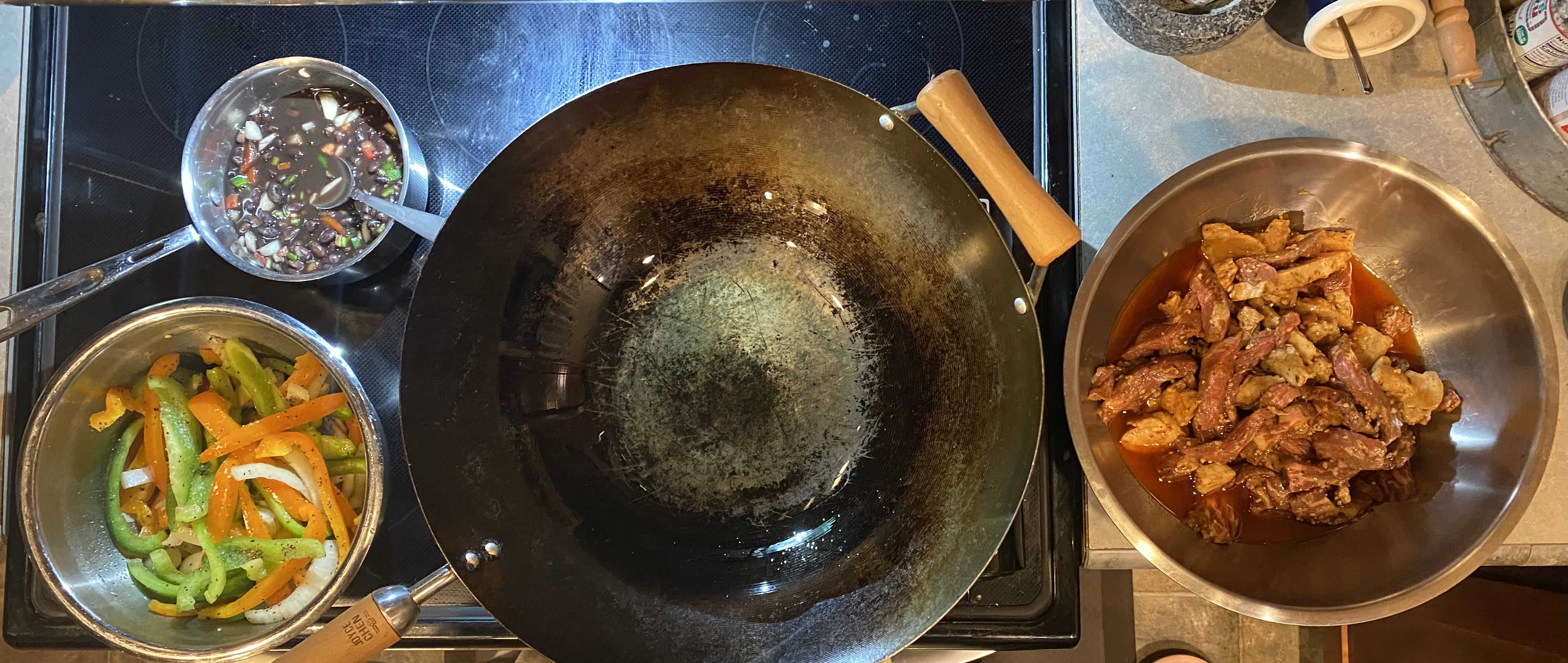
I published this one back a few years, and hadn’t made it since – I did tonight, with some glorious tri tip and chicken, charro black beans, seasoned rice, and fresh corn tortillas from my fave carniceria, (the one where they speak Spanish, period, and if you’re a gringo, you’d best have your patos en linea. My family went nuts of the meal, and declared it superior to any restaurant in our area, and you know what? They’re right – try it, make it yours, and see if you don’t agree.

Urban’s Best Fajita Marinade

Plenty for up to 2 pounds of protein.

1/2 Cup Avocado Oil

1/4 Cup Chili Powder

3 Tablespoons Worcestershire Sauce

Juice and zest of 1/2 Lemon

Juice and Zest of 1/2 Lime

2 Tablespoons Pineapple Vinegar

2-4 cloves fresh Garlic, minced

1 Tablespoon Agave Nectar

1 teaspoon ground Cumin

1 teaspoon Smoked Paprika

2-3 drops Red Boat Fish Sauce

1/2 teaspoon ground Pepper


Juice and zest the citrus, grind any whole spices.

Combine all in a non reactive mixing bowl and whisk with a fork to emulsify and incorporate thoroughly.

marinate proteins for about 2 hours prior to cooking.

Here’s my go to chili powder mix, too –

Urb’s House Made Chili Powder

3 Tablespoons ground Chiles of your choice

1 teaspoon ground Cumin

1 teaspoon Smoked Paprika

½ teaspoon ground Mexican Oregano

½ teaspoon ground Garlic

Combine all and allow some time for everything to marry before deploying.

Mace, Nutmeg, and Allspice – Everything Nice


Yeah, OK – I got a lot of herbs and spices on hand here at the Urban kitchen – maybe too much, even considering all the developing work I do. Since the Lunar New Year is fast approaching, I started pulling stuff down, making keep or trash decisions, and performing a thorough cleaning before Zao Jin, the Kitchen God, heads back up to heaven with his kitchen report to the Jade Emperor – Never screw with the Kitchen God, folks.

I got to the top shelf left, which is, mas o menos, sweeter stuff. Everything from several different varieties of vanilla bean and cinnamons, to clove, powdered citrus, honey, molasses, agave nectar, and finally, allspice, whole nutmegs, and mace – and those last ones got me wormholin’ a bit.

Why these three spices? ‘Cause I think they’re under appreciated for their savory powers and maybe not as well understood as they might be – so let’s have a gander.

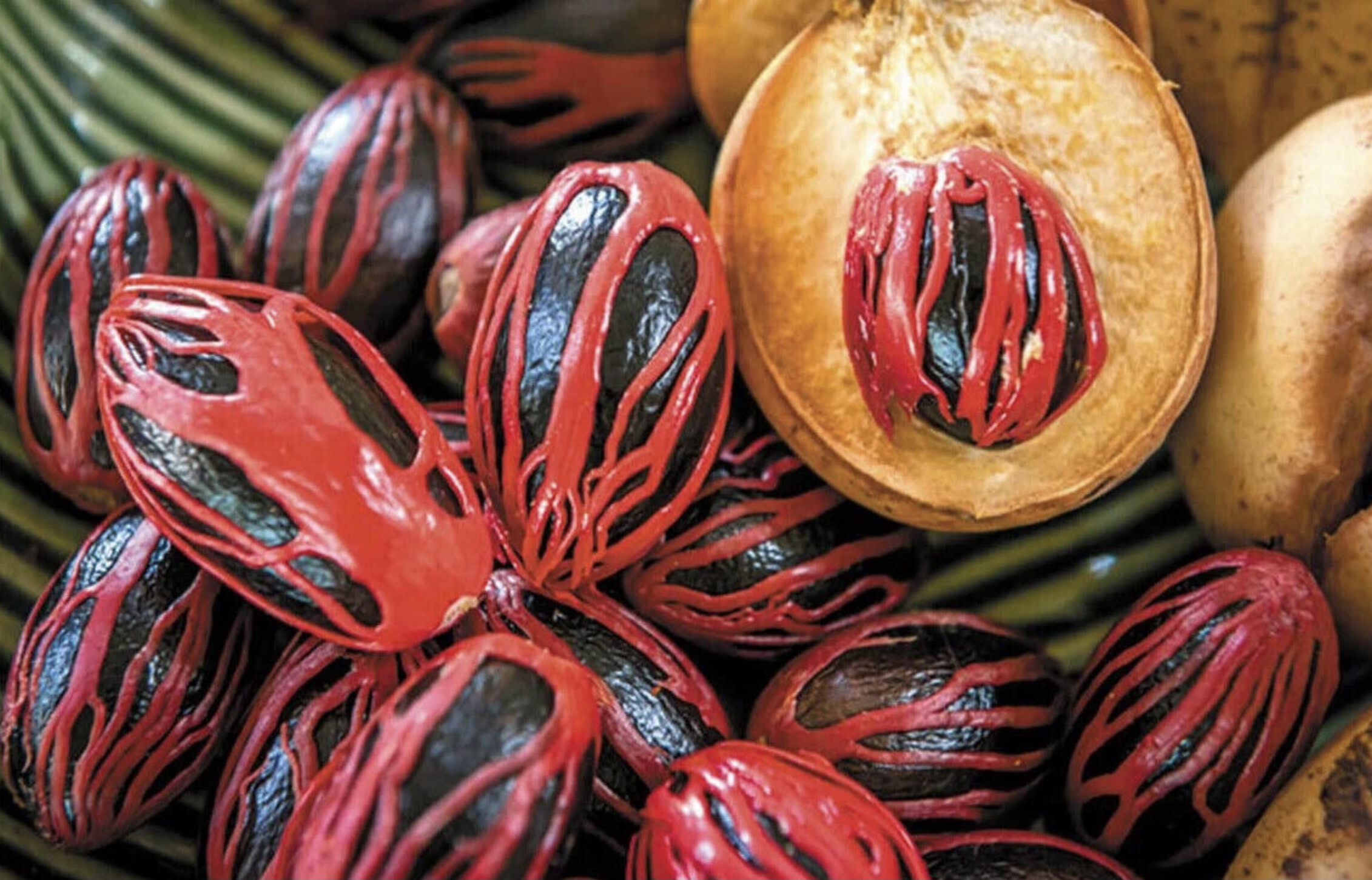
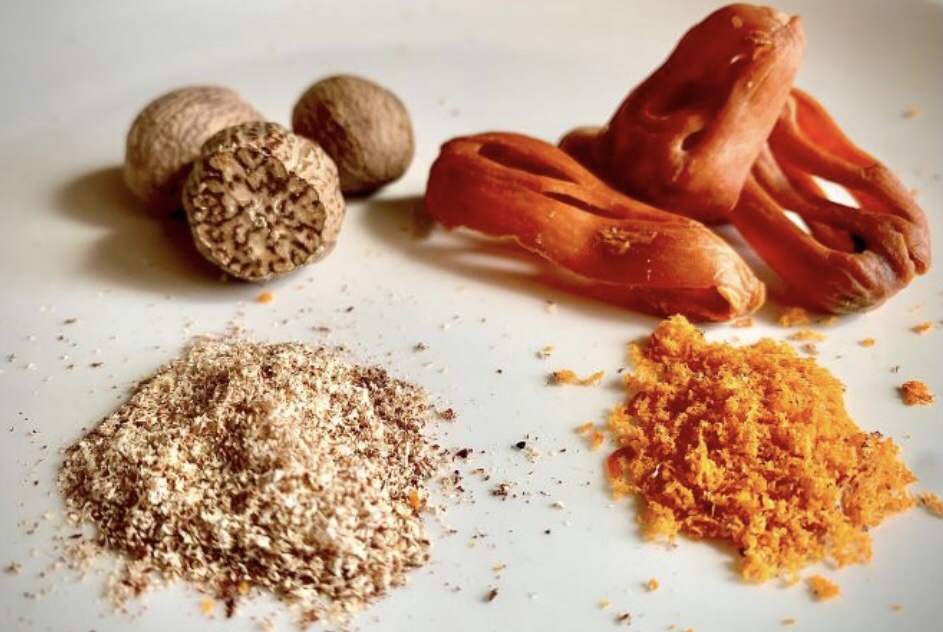
Mace and nutmeg both come from Myristica fragrans, a tree native to Indonesia. The two spices literally grow intertwined – Mace is the bright red aril, the ropy outer layer that surrounds each nutmeg seed. The fleshy peach-colored fruit is made into jam and candy, and the rind gets used for local dishes and nutmeg juice.


Mace, good mace, has that bright red color when it’s fresh. Peeled off the nutmeg, it dries to a yellowish, rather brittle leather which then makes for a very nice powdered spice. You can buy mace wrapped around a nutmeg, or whole dried – the latter is a great way to keep it, as it’ll last a lot longer and provide a cleaner, more distinct taste profile. Mace has the same nutty, peppery notes as nutmeg, but is subtler.


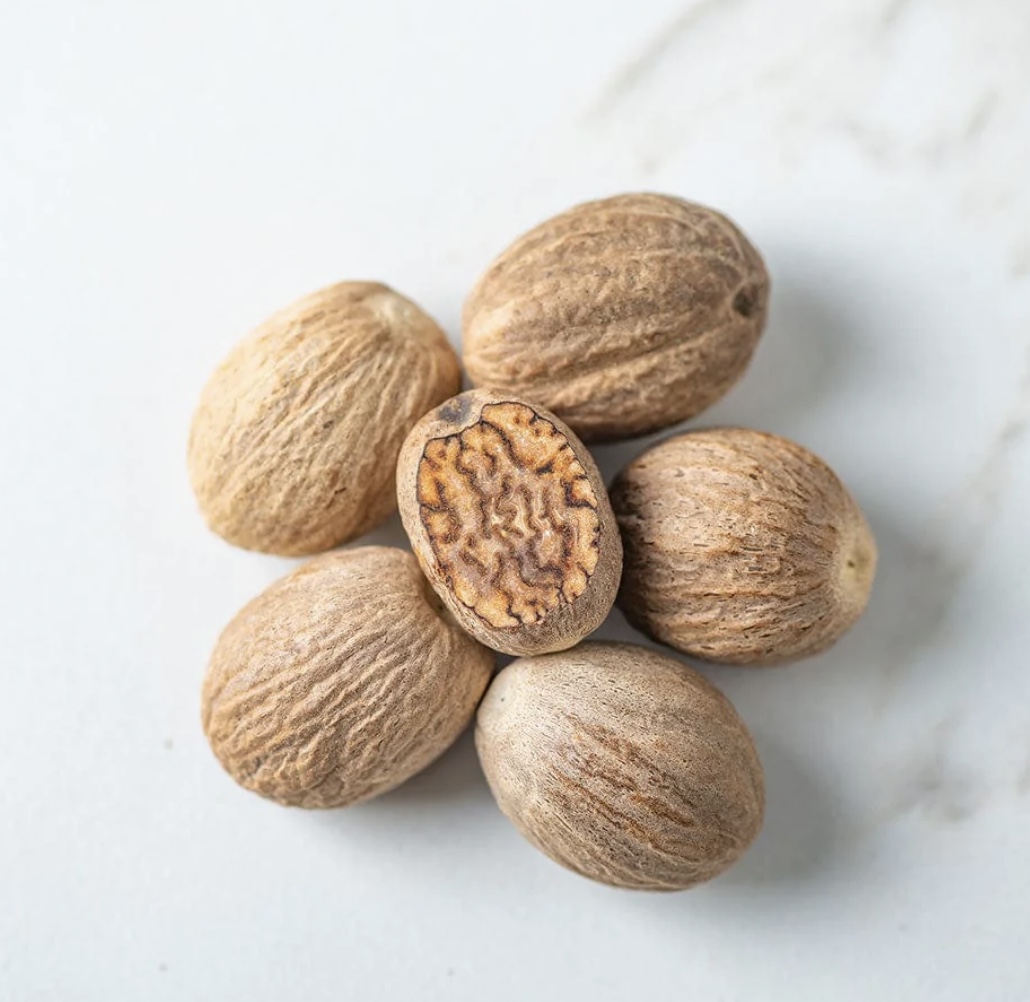
Whole nutmegs are gorgeous – They’re hard, and grate wonderfully into the pungent powder we know and love. Buy fresh whole nutmeg when you need to reload – while the powdered spice will degrade quite quickly, whole nutmegs are good for 2-3 years, and will give you much richer flavor. Nutmeg has a warm, nutty, peppery profile with a lot of potency.

Whole Nutmeg & Mace
Whole Nutmeg & Mace


Allspice is a berry from the Pimenta dioica tree, a shrubby evergreen native to the West Indies – they’re grown across many warm climes these days. The berries are picked green and sun dried, finished, they look like large peppercorns. Biy allspice as whole berries and grind what you need fresh – that’ll give you much bolder flavor and longer storage life.

Dried whole allspice berries

Allspice, especially good, fresh stuff, has an amazing depth and breadth to it – it smells and tastes like a blend of cinnamon, clove, nutmeg, and pepper, and is simply fantastic – like Mace and nutmeg, it is great for so much more than sweet stuff, too.

Jamaican Jerk Rub
Jamaican Jerk Rub

Allspice is the heartbeat of Jamaican jerk seasoning, the scotch bonnet chile fueled spice rub that lights up poultry, fish, and veggies.

Garam masala
Garam masala

Mace is used widely in regional Indian cooking, especially in Mughai cuisine. Quite a few masalas (spice blends) feature it.

Nutmeg makes its way into savory dishes as a je ne sais quoi – a subtle hint of something more – from Mac and cheese to soups and stews, it’s fantastic.

All three of these spices will shine in spice rubs for proteins and veggies. They’re best as warm, minor notes that add a subtle bass note to the stronger headliners like salt, sugar, and pepper. Like Chinese Five Spice blend? Any of these could be one of the five, or added to, and would absolutely shine.
You really can’t go wrong deploying them that way. So dive in and have some fun.

I’ve got to admit, it’s getting better


A little better, all the time. Damn – might be a song there somewhere, huh? Am learning, slowly but surely, how to manipulate stuff like block editors and all that folderol – bottom line is this place is going to be simple, but it’s gonna be clean, functional, and common sense – at least that’s the aim.

I came up with the snazzy new logo too – purty sleek, huh?

For now, all the hundred of posts that make up my work here are all in light below this one. That’ll do for a bit, but it won’t stay that way – makes for a too cluttered home page, methinks.

You’ll find a sidebar now, with boxes for searching, subscribing, most recent posts, contact, and page links. All of that will get gussied up soon. If you’re reading this, welcome. If you’re not subscribed, maybe do that, and we’ll keep in touch. If you’ve got site or post or whatever feedback, let me know – it’s all good.

Now, it’s rainy, cold, and grey outside, so it’s time to think about counteracting that. Clearly comfort food is called for, don’t you think?

Cheers!