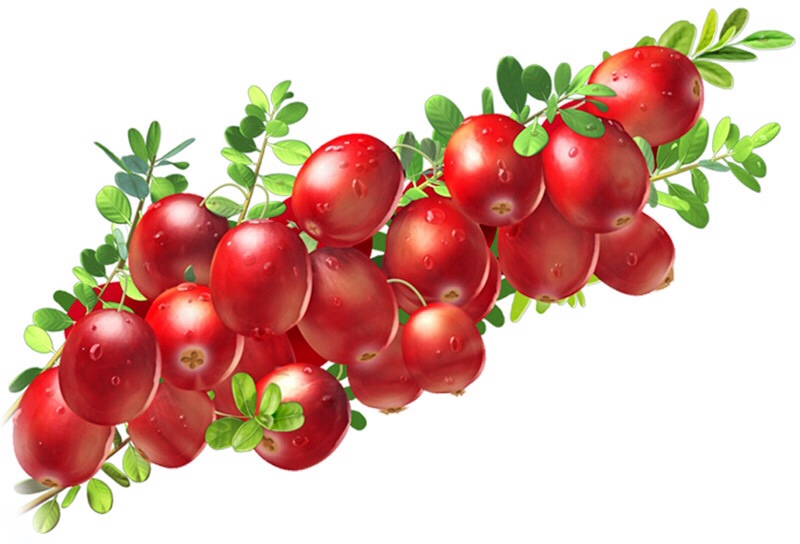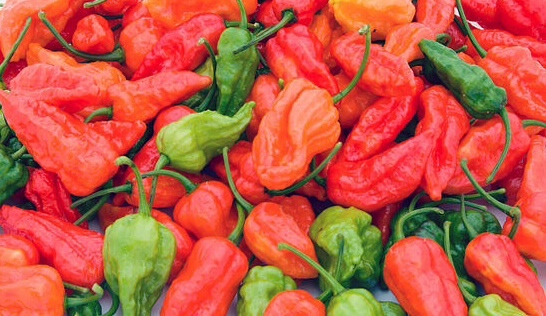
Ghost Chile Madness


It’s not a disease really; wait, maybe it is… Heat and the pursuit of such in food. Not physical heat, spiritual heat. That brings us to the legendary ghost chile… It’s no longer the top puppy on the Holy Shit Ridiculous heat scale; a new kid in town has displaced it. 

My friend and fellow cook/luthier David Berkowitz brought these to mind today, so let’s have him put them in their proper place on the scale of Capsaisin Pain for you:

“A jalapeño is around 5-10,000 Scoville units ( a measure of heat). A Habanero, 100,000. The Ghost pepper, 855,000 – 1,041,427 Scovilles. Trinidad Scorpion Maruga up to 2,000,000!”

So there you have it, or, as a waiter at a serious Thai restaurant once told me, “The stars for heat aren’t additive, they’re exponential…”
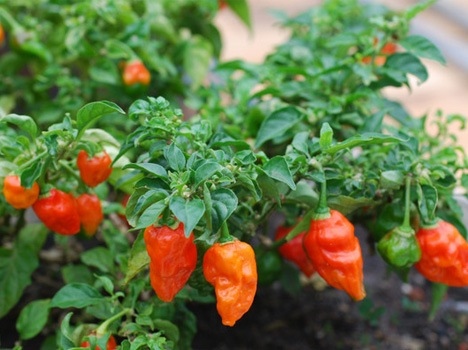
It may not be the hottest, but trust me when I tell you that these aren’t for amateurs. They’re serious shit, indeed. A friend of David’s was graced with a case of these bad boys, and I pitched in on what do with them. That said, these suggestions will work for any hot chile, and if you’ve not done these things, ya aughta.

On top of being ridiculously hot, like the Scotch Bonnet, Ghost chiles are very fruity and fragrant so, with a bit of taming, they’re really nice even for the fainter of heart; brining, marinated or pickling will do the deed for us.

To brine chiles, thoroughly mix 1/2 Cup kosher or sea salt, (NEVER iodized!), with 4 cups water. You can leave the chiles whole or chop off the stem ends. Immerse fully in the brine for 24 hours, (weight with a plate if they want to float). Pour out brine, rinse thoroughly, and you can then pickle, freeze, vacuum pack, or cook them as you see fit.

To pickle, use a ratio of 1.5:2 vinegar to water, and 2 tablespoons of pickling or canning salt per quart of water. You can use white, red, or cider vinegar as you please; white will give a more sour pickle, red and cider a sweeter. If you like sweeter yet, add honey or agave nectar, but never reduce the brine ratio, so that you avoid the potential for spoiling.

For a quart jar, about a tablespoon of spices will do; use stuff like whole peppercorns, coriander, mustard seed, juniper, fennel, cumin, bay leaf, cloves, cinnamon stick – whatever floats your boat.

Bring the blend to a brief boil with whatever spices you like, then allow to cool completely before pouring over the chiles. For spices, you can add fresh or dried directly to the jar.

You can fridge pickle for quick results; just pack chiles in glass jars, cover with brine and refrigerate. Allow at least 48 hours prior to eating. For long term preserving, chiles require pressure canning techniques, which further require specialized equipment and experience; check it out here if you’re interested in learning more.

So, what else to do with a bounty of chiles? Here’re some options for ya.

1. Dry some, both whole and to grind up – just a little shot will add a lovely je ne sais quoi to many things.

2. Smoke some prior to drying as well, for your own version of chipotle.

3. Freeze some whole and raw,

4. Roast and freeze some,

5. Salt ferment some for a ghost chile sauce, Louisiana style,

6. And of course, I’d make sauce for now!

And a note to ALL – WEAR GLOVES AT ALL TIMES WHEN HANDLING THESE BAD BOYS...

Here’s my quick sauce recipe, and again, this’ll work with any chile.

6-8 Ghost Chiles
3-4 Roma Tomatoes
1 Yellow Bell Pepper
1 small sweet Onion
6-8 stalks Cilantro
2-3 cloves Garlic
2 Tablespoons Apple Cider Vinegar
1 Tablespoon Agave Nectar
Pinch of Sea Salt

NOTE: Feel free to roast all these for about 15 minutes in a 275° F oven, for a more intense flavor profile.

Field strip and dice chiles; leave the seeds if you’re sadistic, remove if not – It’ll still be way hot, believe me.

Rough dice all other veggies.

Throw everything into a heavy bottom sauce pan over medium heat. Once the mix starts to simmer, reduce to low and simmer for 15 to 20 minutes, until all veggies are cooked through and soft.
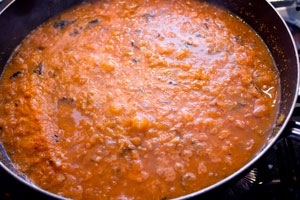
Remove from heat and process with an immersion or standard blender until smooth and uniform in texture.

Store in a glass jar or container. Refrigerated, it’ll last a month, easy.

Combine all ingredients in a medium saucepan and add enough water to cover. Bring to a boil, then reduce heat to low and continue to simmer for 15 to 20 minutes, until all veggies are cooked through and soft.

Remove from heat and process with a stick or regular blender until smooth and uniform in texture.

Store in glass, refrigerated. Will last about a month as such.

Great with chicken and pork, especially.

Fresh Fruit Tart


For some reason, I’m on a dessert tear, as you may have noticed; maybe I’m making up for lost time…

It is spring, and for my mind, time for fruit. It’s early yet for local berries, but there are plenty of things you could put on this lovely tart; kiwi, pear, apple, citrus, your imagination is the only limit.

The crust is the only baking you need to do, so it’s a great recipe to prepare the days before an event. The combination if great flour, almonds and honey makes for a melt in your mouth delight.

For the tart,
3/4 Cup White Whole Grain Flour
3/4 Cup Whole Wheat Pastry Flour
¼ cup Almonds
6 Tablespoons Unsalted Butter
3 Tablespoons Raw Honey or Agave Nectar
¼ teaspoon Sea Salt
2 – 4 Tablespoons Ice Water

Pulse almonds in a food processor to a coarse meal texture.

Add flour, sugar and salt and blend thoroughly.

Cut cold butter into ½” cubes, add and process until the mix is well incorporated, (Again, like a rough meal consistency).

Add water a tablespoon at a time until the dough begins to clump; make sure the mix is moist to the touch.
Gather dough, flatten into a roughly 1” thick disk, wrap in plastic and refrigerate for at least 2 hours, (And up to a day).

When ready to build, preheat oven to 400° F.

Line a pan with parchment, then roll dough out to fit; you want a crust around 1/2″ thick, but a little thinner or thicker is fine, depending on your taste, (a springform or tart pan is best, but a cookie sheet will do fine in a pinch.)

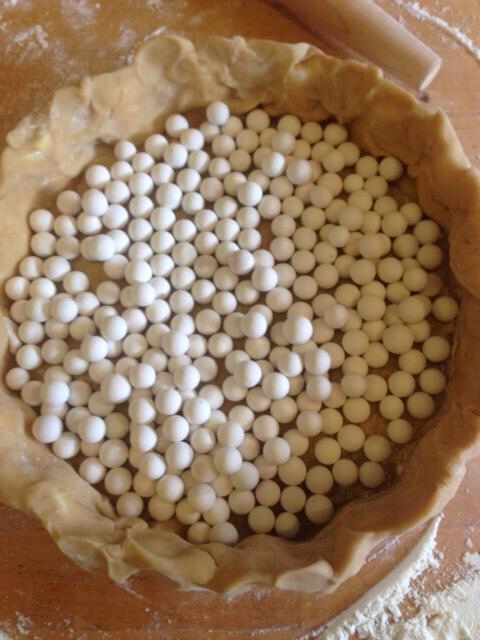
Prick the tart with a fork, then cover with another piece of parchment and pie weights or beans. If you do a significant amount of baking, you need pie weights; they’re more efficient, cheap, and don’t ruin your beans…

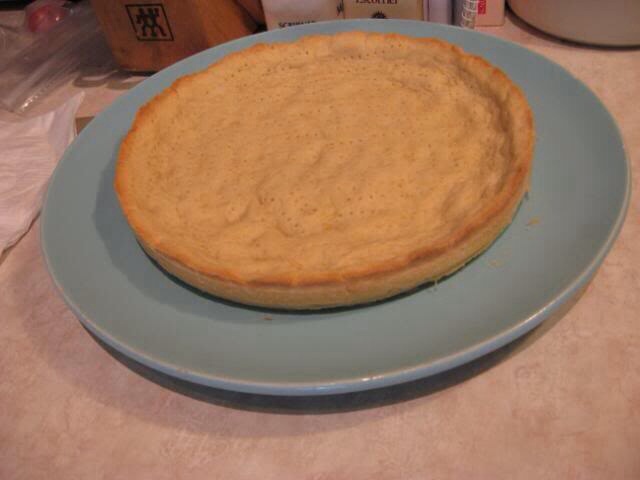
Blind bake the crust until it is an even, light golden brown, about 10 – 15 minutes.

Remove from oven and allow to cool in the pan.

Instead of the traditional pastry cremé for the tart, we substituted fresh vanilla whipped cream for a lighter touch.

For the cream,
1 Cup Heavy Cream
1 teaspoon Agave Nectar or Honey
1/2 teaspoon pure Vanilla extract

Combine all ingredients in a mixing bowl and whisk or blend until the cream holds a stiff peak. It’s best to wait and prep the cream immediately before serving, but you can make it up to 1/2 hour ahead and refrigerate as well.

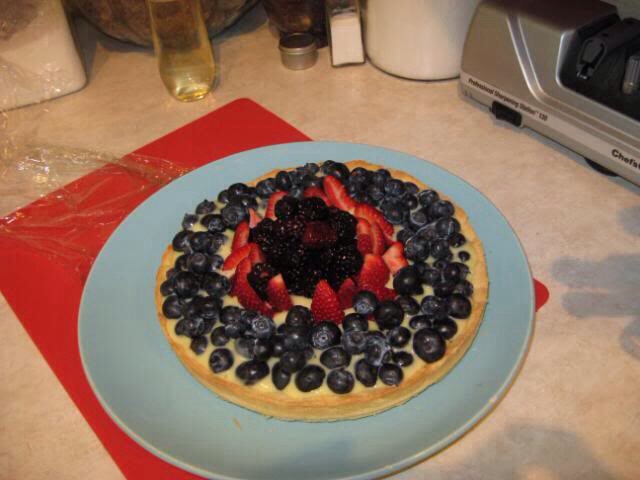
Prep your fruit by rinsing it thoroughly. Core your strawberries. You may slice the berries if you wish.

Spread a layer of cream evenly over the tart, then arrange fruit evenly around the tart. Serve promptly.

NOTE:
If you really want to be decadent, a thin layer of our Meyer Lemon Curd would fit the bill, substituted for the whipped cream.

If you prefer an even lighter version, you can substitute a thin layer of no-added-sugar apricot preserves, (Heat 1 cup of preserves with 1 tablespoon of butter over medium low until fully melted and blended. Spread half evenly over tart and the rest drizzled over the fruit).

Cranberry Citrus Granita


Granitas are a lovely, light alternative to ice cream or sherbet that contain no dairy at all and are super simple to make; if you’ve never tried one, it’s time. This version highlights the tart sweetness of cranberries and citrus and is, quite frankly, stunningly pretty.

So, we’re highlighting cranberries. Why? ’cause we typically just we haul them out once a year or so for the holidays, and that’s not right. Cranberries incredibly tasty, make gorgeous food, and are darn good for you as well. They’re not only rich in Vitamin C, but have excellent infection fighting properties as well, as anyone who’s had a urinary tract infection knows. Cranberries contain compounds known as condensed tannins, which are potent antioxidants with known anti-inflammatory properties. Cooking does not degrade tannins, so here’s a delicious little fruit that’s remarkably healthy even when we do stuff to ’em. Here’s how you granita.

1 Cup Water
3-4 fresh Navel Oranges
1 each fresh Lemon and Lime
1 1/2 Cups Cranberries, fresh or frozen, washed and sorted
1/2 Cup Agave Nectar or Honey

Thoroughly rinse cranberries and citrus. If your citrus has been waxed or treated, put them whole in a bowl containing ¼ cup white vinegar mixed with 4 cups cold water. Allow them to soak for about 15 minutes, then rinse in fresh water and dry with a clean towel.

Zest all citrus, then juice each into separate small bowls or cups.

In a heavy bottomed sauce pan over medium-high heat, add;
The water,
Cranberries,
1 cup of orange juice,
1 teaspoon lime juice,
1 teaspoon lemon juice,
The agave nectar or honey,
1/2 teaspoon of orange, lemon and lime zest.

Heat to a fast simmer, stirring occasionally, until the berries start to pop, (about 5 minutes).

Remove pan from heat and purée the ingredients with a stick blender; be careful, the blend holds heat well and is sticky.

Carefully pour the mixture through a steel mesh strainer, into a glass baking pan, (around 9″ x 12″ is right, and a half cookie sheet with sides will work if you don’t have the pan).

Press gently on the mix with a spatula; you’ll end up with some skins and zest that won’t make it through the strainer.

Slide the pan into your freezer for at least 4 hours, (and overnight is fine), along with 4 margarita or Marie Antoinette champagne glasses. Freeze until the granita is completely set.

Scrape the granita carefully towards with a fork while holding the pan steady, until you’ve got a nice shaved ice consistency.


Scoop granita into the chilled glasses, garnish with a Rosemary sprig, and serve immediately.

Et voilà!