Doin’ The Soy Sauce Shuffle


Christy Hohman is our tribal Sister, archeologist extraordinaire, and a wonderful cook to boot. She also keeps me honest here, and recently came through again – she wrote, ‘I was stumbling through soy sauce on Amazon today and thought: I bet Eben could steer me through this maze. So, maybe a post on Urbanmonique? Different kinds of soy sauce? Different uses? And what about that amino stuff that some people use instead? From an inquiring mind in Minnesota where the closest Asian Market is at least three hours away.’ The topic turned out to be another one that I thought I had covered in depth, only to find out that I really had not. So it’s definitely time to fix that, so strap in – here we go.
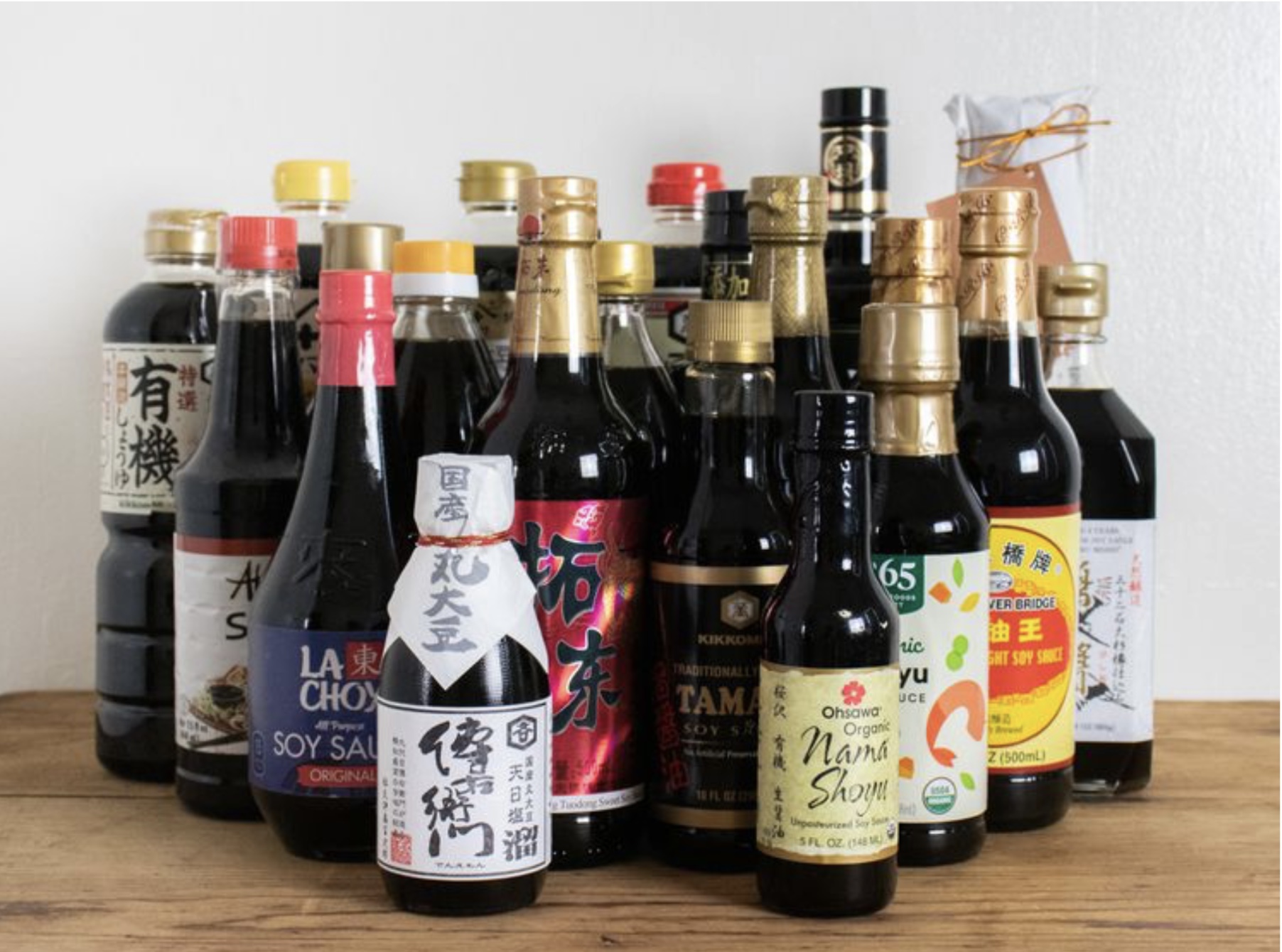

Soy sauce originated in China, with references as far back as the third century BC. In the mid 13th century, a Zen Buddhist monk, Shinchi Kakushin brought the recipe for the precursor of modern soy sauce back to Japan.


This sauce, jiàngyóu, was quite thick, kind of like Moromi miso is today and very similar to the consistency of the mash from which modern soy sauces are pressed. Eventually it was noted that the liquid that leaked out of that thicker stuff was really tasty, and the making of thinner soy sauces began.


Traditional soy sauce is made with soy beans and wheat, or just soy, depending on the country and sauce desired. These ingredients are cooked down into a thick paste. After the mash cools, a salt brine inoculated with the natural fungus Aspergillus sojae is introduced, and carefully controlled fermentation follows. When fermentation is completed, the mash is pressed to expel soy sauce. 

Soy sauce spread widely across the Far East, and as it did so, it changed to reflect the preference of the various countries it landed in. We might think that soy sauce is the same stuff everywhere, but that’s not so. Every iteration of it is unique, and variants abound.
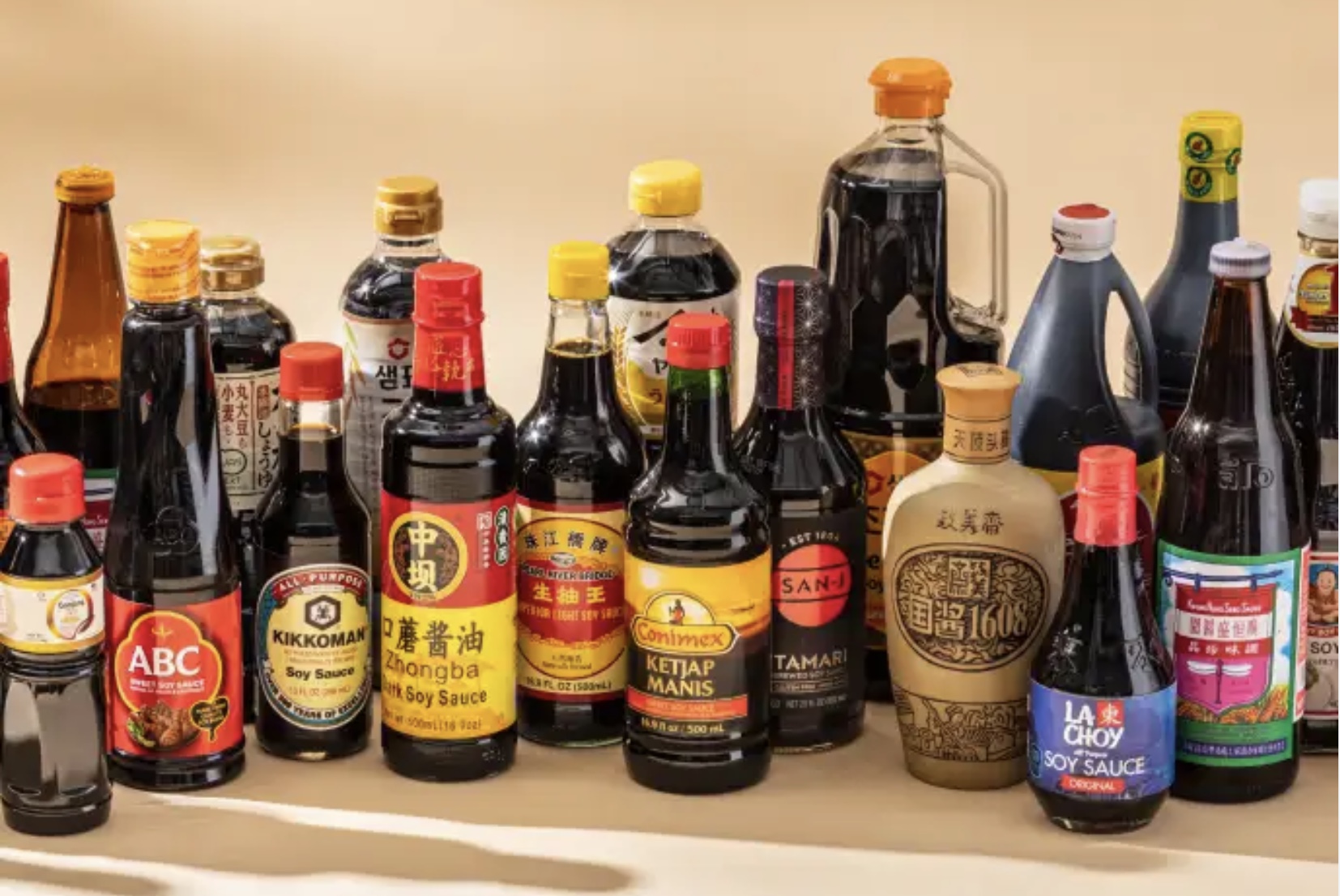

The good news is that real deal soy sauce is widely available and well worth you searching it out. Between a blossoming of interest here and the expansion of global economies, some really good stuff can be found. So let’s look at some of the varieties of soy sauce you can find readily, what makes them different, and what they’re really good for.

First rule of thumb – if you’re cooking Chinese, use Chinese sauce, and so on – whatever regional or National cuisine you’re cooking will have its own sauce, and if you want to make that taste authentic, you want the right soy sauce. These options are generally not expensive, and will last a good long time, so if you’re into it, go for it.

Some Important Caveats – 

1. What I’ll outline is what floats my boat, and your mileage may vary – plan on doing some experimenting, especially if something I recommend really doesn’t sit well with you. If you Google ‘great soy sauce from ______,’ you’re gonna find more than a few rabbit holes to wander down. 

2. This surge of availability for great soy sauces also means that you can spend a hell of a lot of money – if you can and want to, go for it – but you needn’t do so to have good options at home. Yes, chefs in high end restaurants are using better stuff than you will be, and that’s OK – that’s why we go out to eat now and again.

3. What most Americans are familiar with when we speak of soy sauce is, at best, a pale shadow of the real stuff. It’s the equivalent of ultra light beer – it really doesn’t have any flavor other than salty – and that’s a shame. If you think you don’t like soy sauce, that’s probably why.


Chinese soy sauce can be a bit challenging – there are so many versions, and depending on the region and language dialects, it can be hard to know exactly what you’re getting. Narrow things down to two or three good quality options, and you’ll be set.

Light Chinese – This is kinda the EVOO of Chinese soy sauce. It’s a first pressing sauce, and if a recipe you’re working with simply calls for soy sauce this is your go to. It’s perfect for marinades and stir frying, and will do OK as a table condiment. My go to here is Pearl River Bridge brand – so much so I buy it in 60 ounce bottles…

Dark Chinese – This sauce is darker, thicker, and sweeter than Chinese light, usually due to added sugar – it tastes less salty because of that addition, but it is in fact higher in sodium. Dark is used as a finishing element to a sauce or stir fry, to add color and mouth feel – Whereas light soy gets used a lot, this sauce is deployed a bit more sparingly. Again, I opt for Pearl River Bridge.

Double Black Chinese – sweeter and thicker than dark, due to added molasses. Used much as black is, where additional thickness and sweetness is desirable, say for pork belly, or a simple noodle dish where you really want sauce to stick. I like Koon Chun brand here, but you could just as easily add molasses to dark and do just fine.
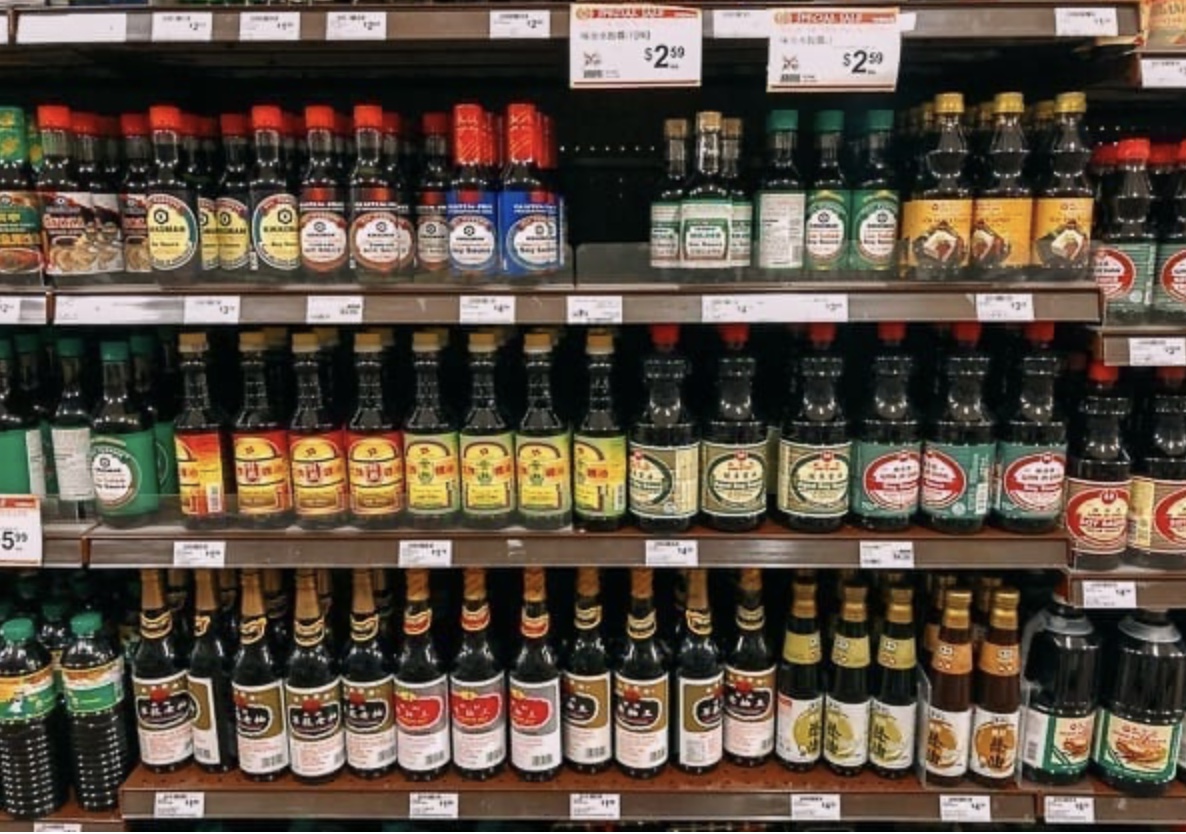

Japanese soy sauces are almost as challenging as Chinese – there’s a lot of variety, and you can get into über expensive artisanal stuff real fast. That said, there are five variants to consider if you’re diving into the deep end. Note that if you really wanna get authentic, Kikkoman offers Japanese made versions of their sauces that I recommend here.

Koikuchi Shoyu (dark) – easily 80% of Japanese soy sauce produced is this version. A blend of soy and wheat yields a nice balance of salt, sweet, bitter, and umami – it’s used broadly for cooking and as a table condiment. For every day use, I like Kikkoman Organic.

Usukuchi Shoyu (light) – Very salty, light colored sauce, used sparingly in cooking to add flavor without altering color a bunch. Some brands get the salty, slightly sweet flavor here by adding mirin or sugar. I like Kikkoman here again, but make sure you’re getting Light, not Lite – the latter is a low sodium product with less than optimal taste.

Tamari Shoyu – The Japanese version of Chinese dark soy – thicker, denser, a bit sweeter and less salty than koikuchi shoyu, the good stuff is made with just soy beans and no wheat. For building marinades that pack flavor and stick well, like teriyaki, this is what you want – it’s also great as a table condiment. I really like Kishibori brand – it’s a 1 year barrel aged sauce with no junk in it, and has fantastic taste.

Shiro Shoyu (white) – Used almost exclusively for flavoring soups, this is not a must have, but is a great thing to have when you want to get soy sauce flavor with virtually no dark coloring. Almost golden in color, it packs plenty of flavor. I like Takuko brand here – good flavor and won’t break the bank.

Saishikomi or Kanro Shoyu (twice-brewed) – This stuff is amazing – it’s dark, thick, slightly sweet, and packs an intense umami burst. This is pretty much purely a table condiment, used for dipping – it’s excellent with fish and beef. It’s pricy, so not an everyday thing in my book. Yamasan Kanro Shoyu is my go to.


Korean Soy Sauces – Korea makes great soy sauce, different enough from either Chinese or Japanese to matter. There are a couple variants here, depending on what you’re fixing to make.

Ganjang or Whe-Ganjang – This is the every day soy sauce to reach for when you’re cooking Korean. Used for marinating, stir frying, grilling and sashimi. Read labels buying here, as added high fructose corn syrup is kinda common. Chung Jung One Naturally Brewed is my go to – no junk and great flavor.

Guk or Jip Ganjang – Used almost exclusively for cooking in soups, stews, and veggie sides. This version is made with nothing but soybeans and is aged for 3 months or longer – it’s the modern swing at what used to get made at home, hence gip (house) ganjang. I really like Wholly Ganjang if you can find it – nothing there but water, soybeans and salt, and aged 3 years, outstanding flavor. If you can’t find that, Q-Rapha Premium is also outstanding stuff.
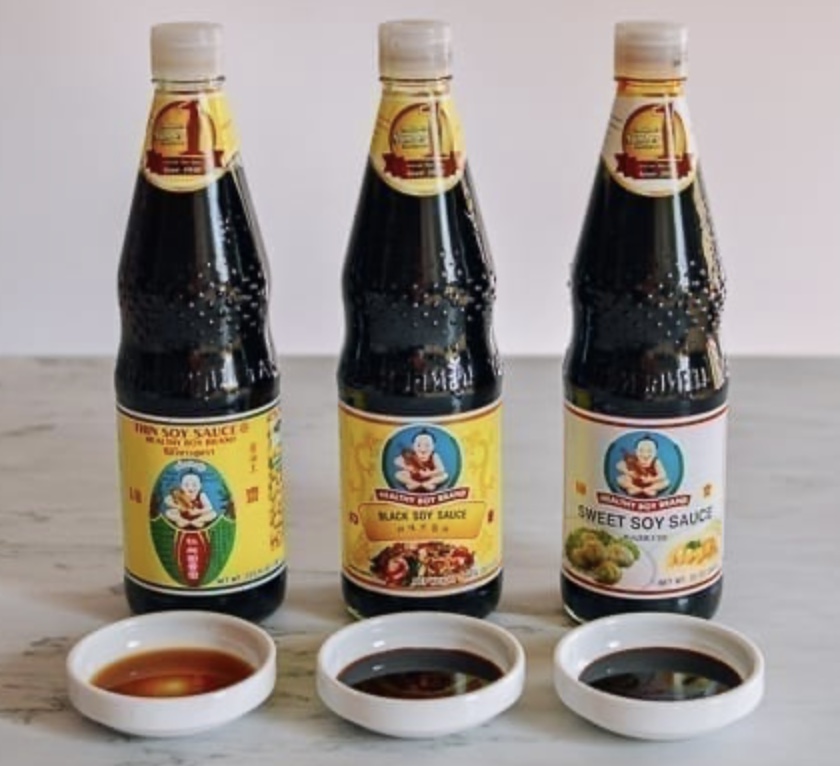

Thai soy sauce – there are four major variants here – light, black, mushroom, and sweet. The light is the every day cooking and table sauce. Black is thicker and sweeter and used for coloring dishes and adding a little stickiness, just like the Chinese version. Sweet is, well, sweeter, with often quite a bit of sugar, and the mushroom is what it says it is. There is a subtle, fundamental difference with base Thai sauce versus Chinese or Japanese – Thais traditionally make their sauce with a mix of soy and wheat, with a fairly high soy ratio – it’s also notably thinner. FM2¢W, I buy a very decent light sauce, Golden Mountain, and then sweeten, thicken, or flavor that as I see fit. I get a fresher taste, frankly, because there’s a lot of junk in a bunch of those alt sauces.

Without short changing to much, I’ll just say that’s a pretty good tour. There are more, believe me! From Datu Puti in the Phillipines and Jalen dark in Malaysia, to Myanmar and Cambodia, there are variants all over the place, let alone in well established expat communities. Like I mentioned, you can go way deep worm-holing this stuff, so unless you’ve got a cabinet space ready just for soy, pace yourself. Oh, and for the record – yeah, I do…

Now, just in case you thought I forgot, here’s a few words on, ‘that amino stuff that some people use instead.’ As I often do here, I’ll leave the final word to Guru Harold McGee, who has this to say about ‘chemical soy sauce’ in On Food and Cooking – ‘Industrial producers have been making nonfermented approximations of soy sauce since the 1920s, when the Japanese first used chemically modified soy protein (“hydrolyzed vegetable protein”) as an ingredient. Nowadays, defatted soy meal, the residue of soybean oil production, is broken down—hydrolyzed—into amino acids and sugars with concentrated hydrochloric acid. This caustic mixture is then neutralized with alkaline sodium carbonate, and flavored and colored with corn syrup, caramel, water, and salt. Such quick “chemical” soy sauce has a very different character from the slow fermented version, and is usually blended with at least some genuine fermented soy sauce to make it palatable.’

As Clint Eastwood has been known to say when directing a film, ‘that’s about enough of that.’
Picanha – Brazil’s Best Kept Secret


Picanha – that sounds so much sexier than sirlion cap, rump cap, or rump cover, doesn’t it? And if the Portuguese doesn’t grab you, there’s always the French term, Coulotte. Picanha likely stems from picana, a Spanish word meaning the pointed stick vaqueros used to herd cattle. Whatever you choose to call it, believe me when I tell you that, if you love great beef, you want this.


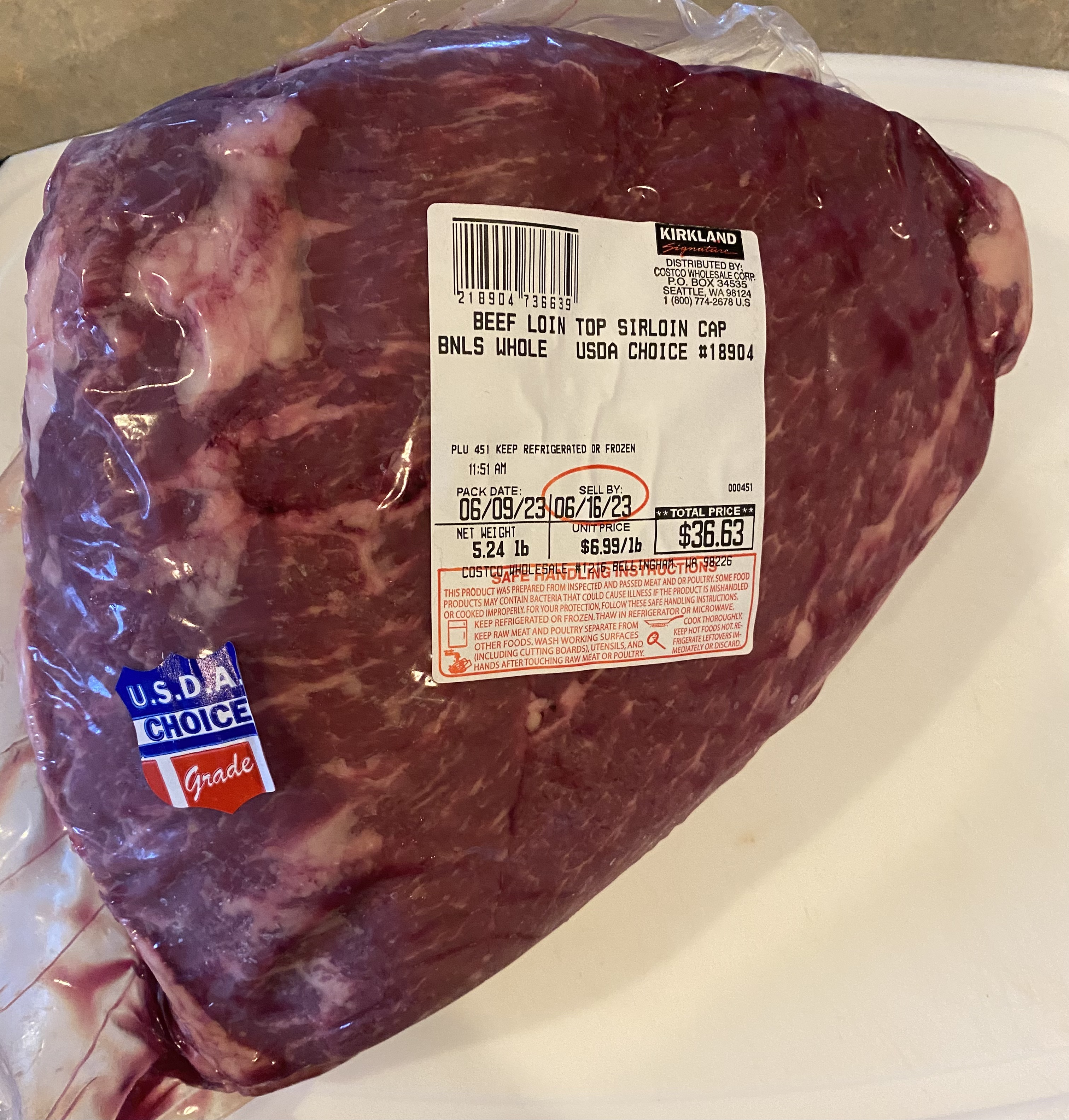
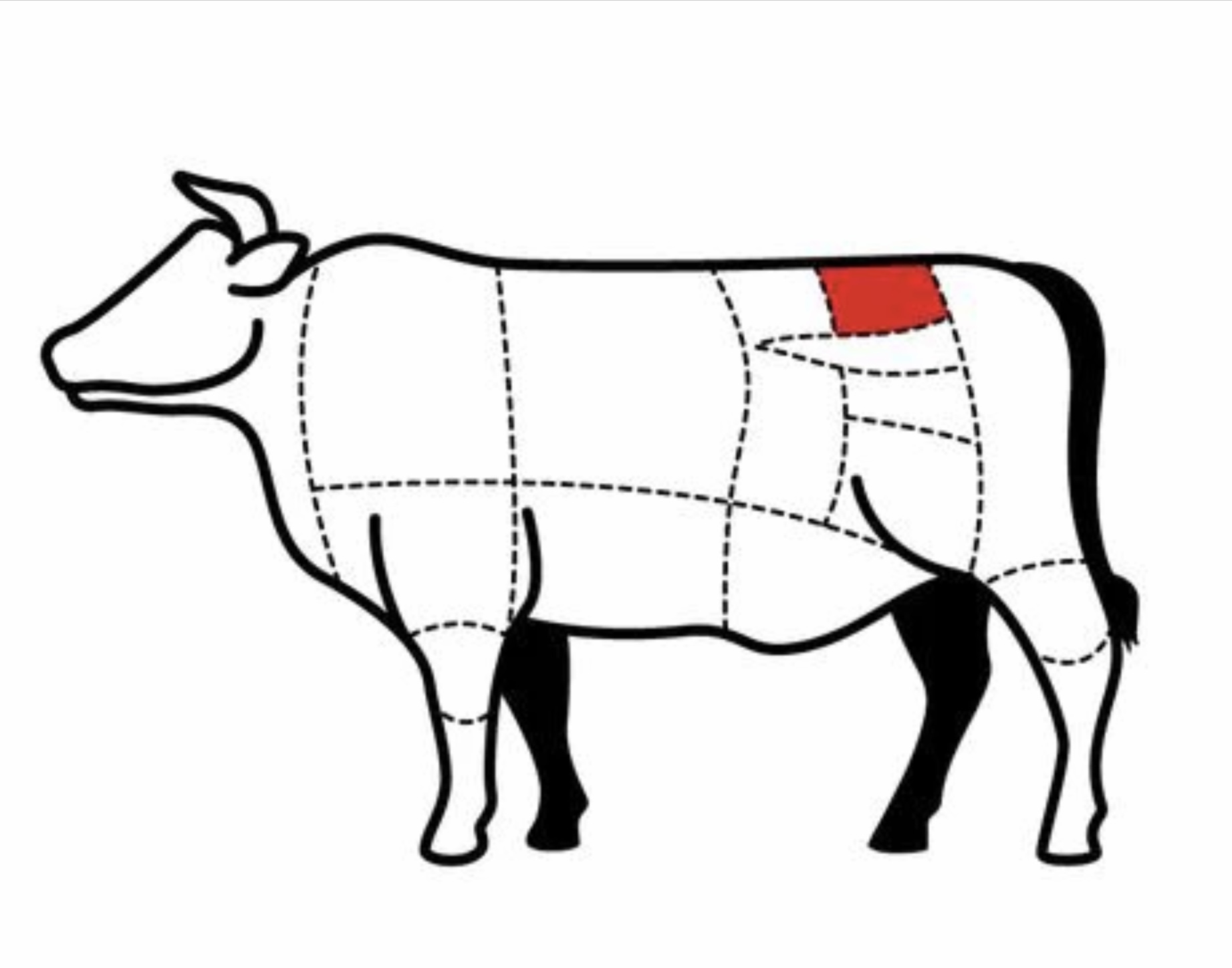
Picanha is a triangular shaped muscle derived from the primal loin cut. It’s not well known here because American butchers usually turn this into rump, round, and loin. But down in Brazil, they know better, and they leave the Picanha whole – just as they do in France, and also in Portugal. Picanha compares favorably to ribeye for tender, juicy, flavorful steaks and roasts, and for far less money. If you’ve got a real butcher shop near you, you should be able to score this cut – and Costco counts in this regard – they call it a sirlion cap, but they cut it right. 


Even better, I got a couple USDA Choice beauties for $6.99 a pound yesterday – compare that to choice ribeye at $12.99 a pound and you get it. Picanha is also pretty close to brisket in price, and much easier to find in the 2-3 pound per cut range.


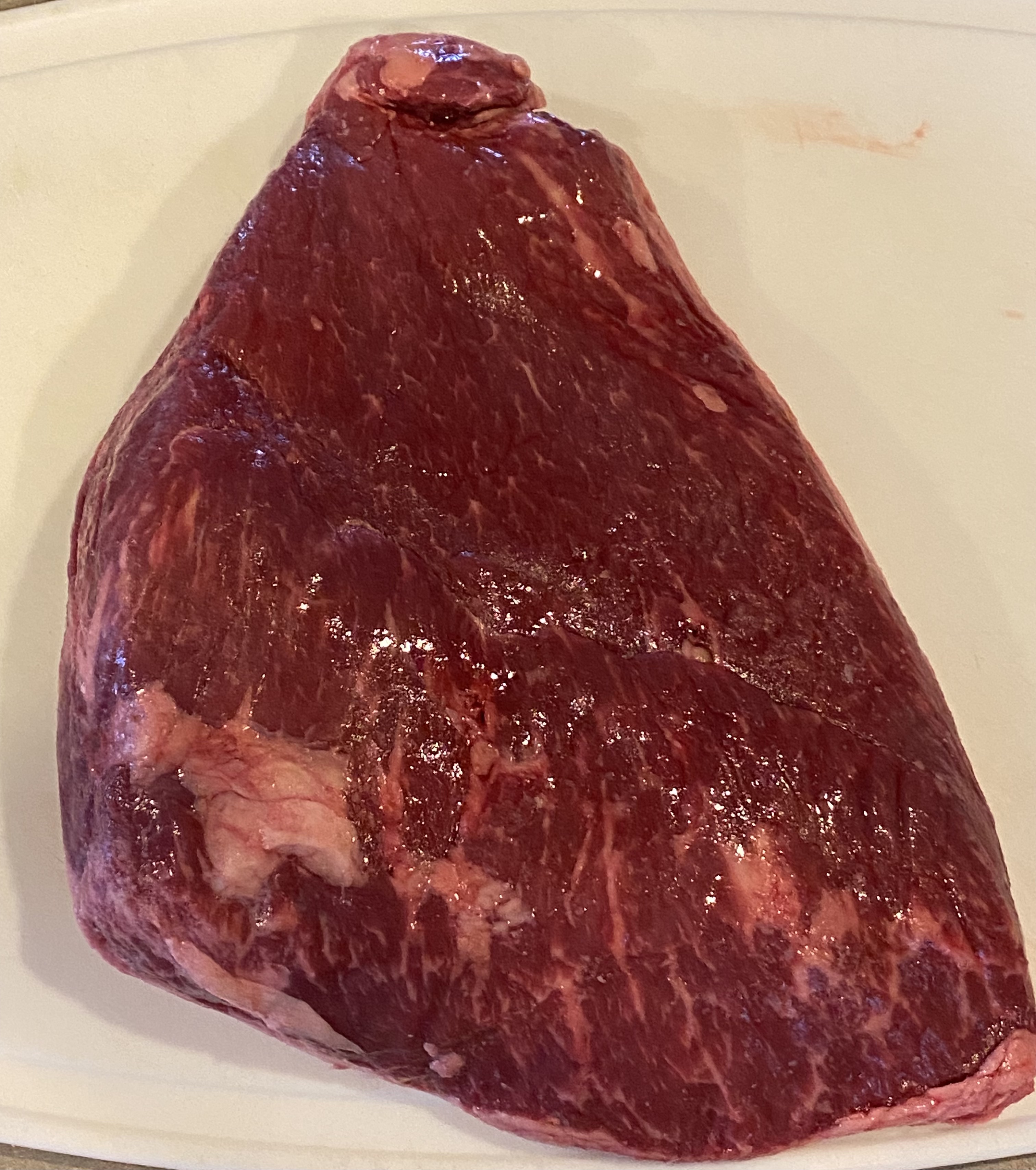
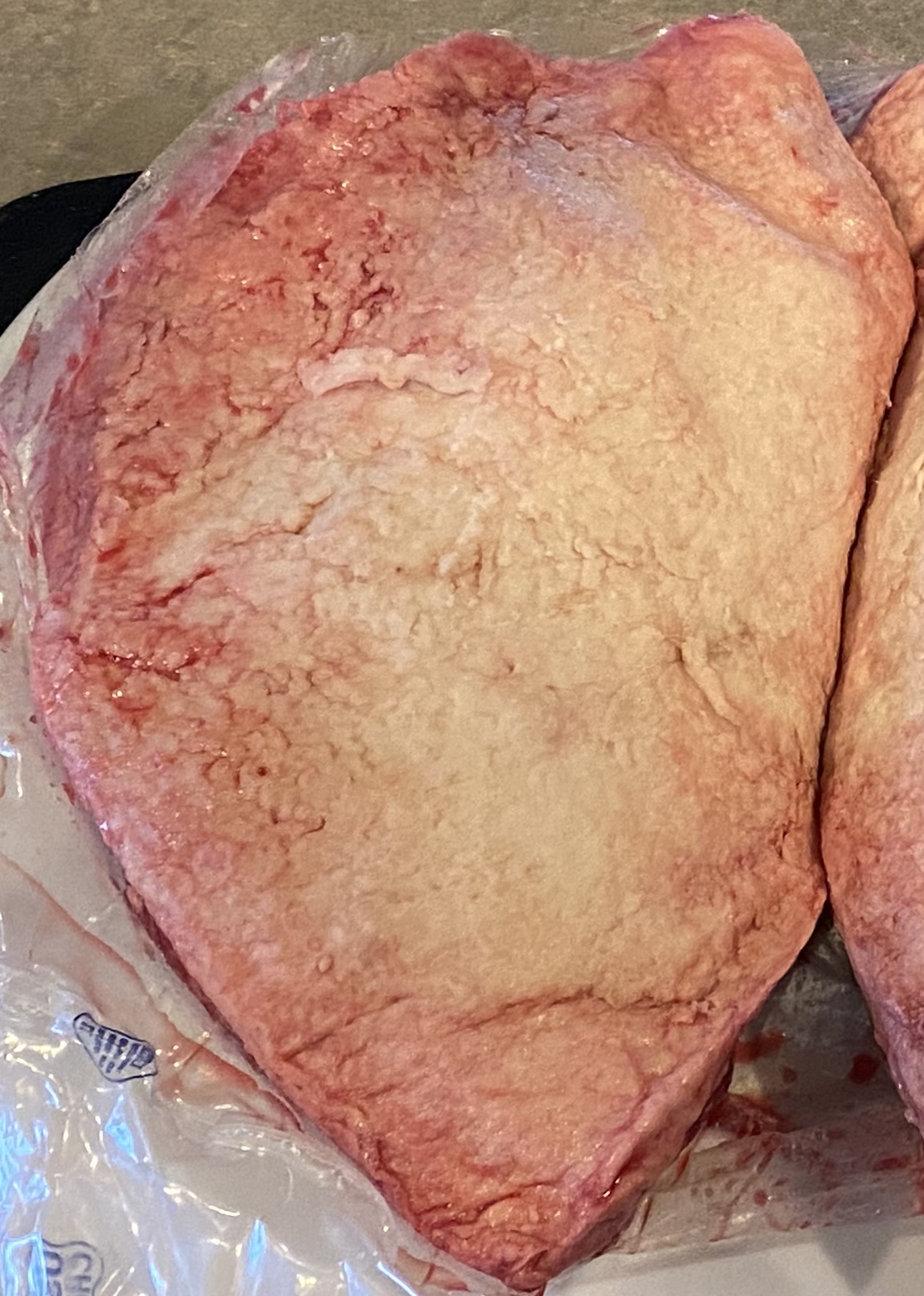
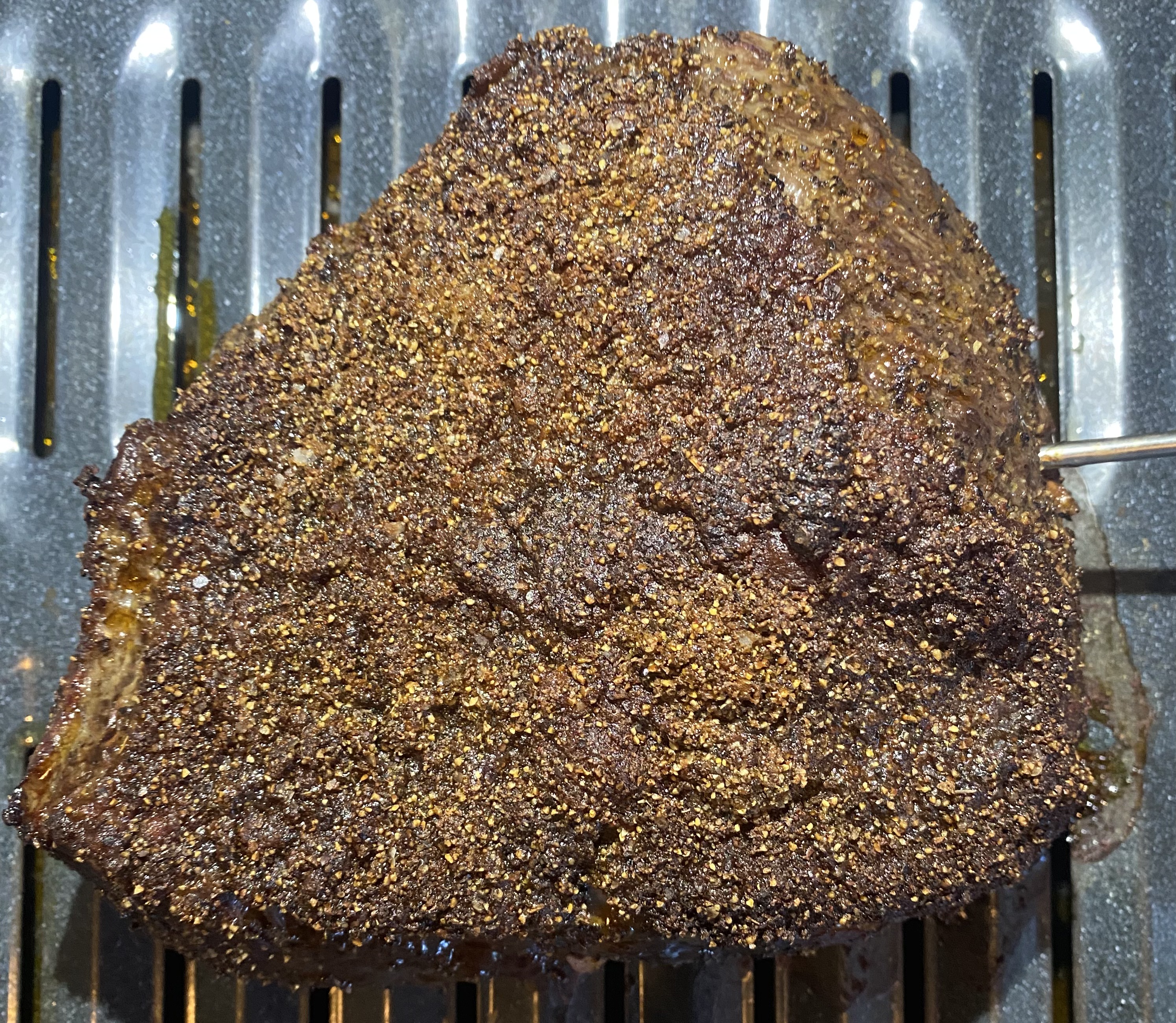
Above and below you see images of a proper picanha. That fat cap is the real secret of this cut’s fantastic properties. Cooked right, that cap melts, basting your steaks or roast and culminating in fork tender meat with incredibly silky mouth feel.


So, once you score a picanha, what to do with it? It’s a relatively thin roast, maybe 3” to 4” thick. In Brazilian Churrascaria, the traditional preparation is to cut the picanha into steaks, skewer them, and cook them quickly over charcoal or wood. You can treat it like tri-tip and grill it whole, or braise, roast, or go low and slow in a grill or smoker like a brisket – picanha will shine through any of those methods. 

Whatever you do, see that you keep that glorious fat onboard until cooking is done, after which you can trim off any remaining if you wish. Some do, and some don’t – it’s a personal preference and either way is fine. Seasoning is up to you as well. Picanha is a bold, flavorful cut, so not much is truly needed. Brazilians tend to use only coarse salt, but there’s nothing wrong with applying your favorite wet or dry rub.


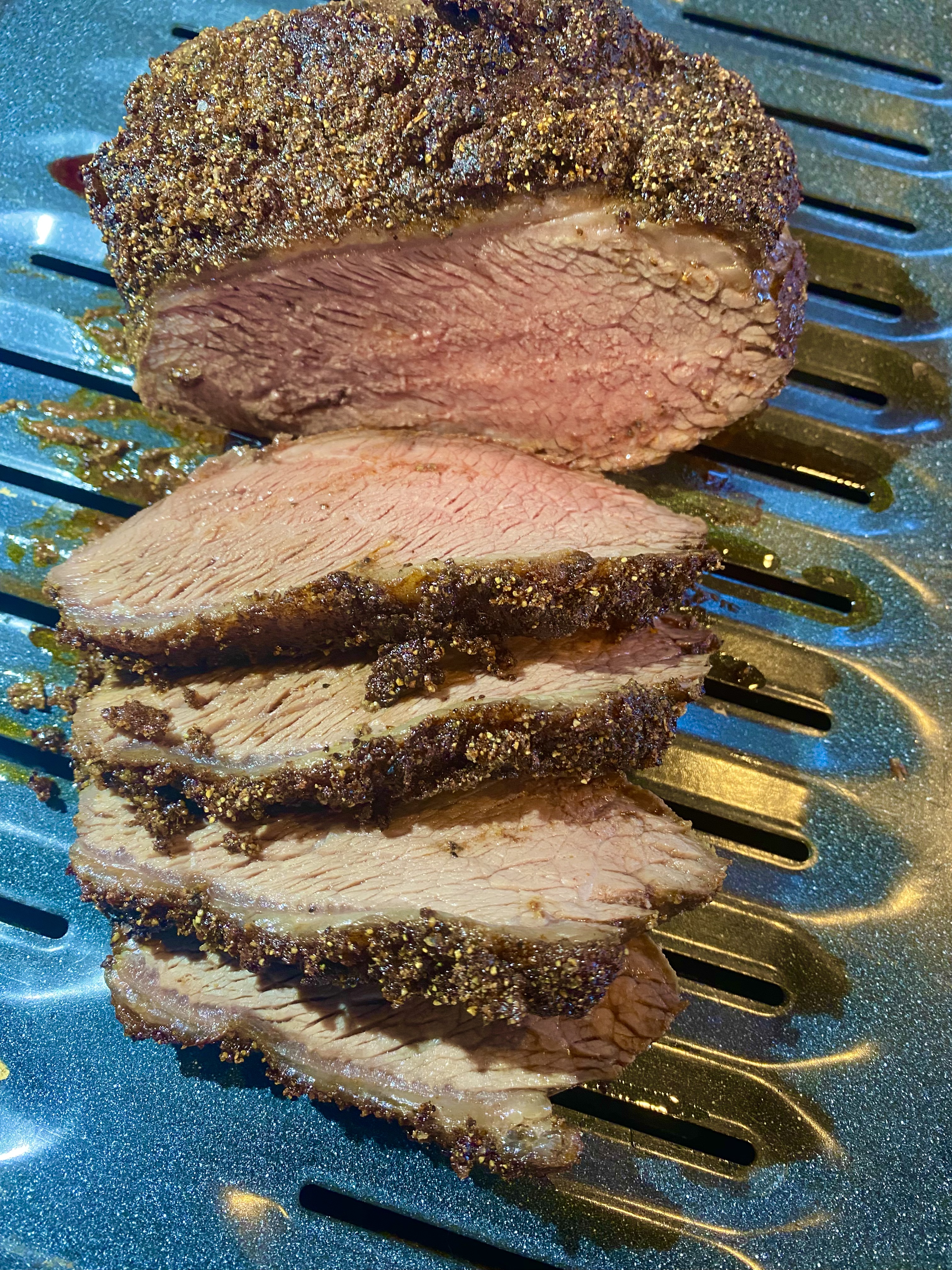
My advice is to leave your picanha whole. Steaks may be easier and faster to cook, but again, this is not a thick cut, and it does not take long, unless you purposefully opt for low and slow. The magic here is a flavorful, not particularly heavily marbled cut that relies on that fat cap to really flourish. While you can lean toward well done if you do it up brisket style, picanha really shines when fairly rare.

If you do prefer steaks, then roast whole first and then cut steaks – that takes full advantage of the fat cap. You can make them as thick as you like, and you can have them relatively rare, or sear them more if you like.

Speaking of searing, my advice is don’t. Let’s let Harold McGee, from On Food and Cooking, explain what searing may do for us, ‘Food scientists who have studied the subjective sensation of juiciness find that it consists of two phases: the initial impression of moisture as you bite into the food, and the continued release of moisture as you chew. Juiciness at first bite comes directly from the meat’s own free water, while continued juiciness comes from the meat’s fat and flavor, both of which stimulate the flow of our own saliva. This is probably why well-seared meat is often credited with greater juiciness despite the fact that searing squeezes more of the meat’s own juice out.’

Note that McGee wrote ‘probably,’ not ‘is’. It probably is true that searing can help in this regard, however with a picanha, I’ll tell you that you don’t need the additional cooking steps – roasting this beast with the fat cap up will give you all you could desire, and then some.


Roasted Whole Picanha

2-3 Pound Picanha Roast

Coarse Kosher Salt or

Dry or Wet Rub of your choice

Bring the roast out to room temperature and pat dry with clean toweling.

Trim the fat cap to roughly 1/2” thickness, and then score through about half of that in a large X pattern.

Rub the roast generously with salt and allow to sit at room temp for an hour prior to cooking.

Preheat oven to 350° F and set a rack in a middle slot.

Add about 1/2” of water to a clean broiling pan and set your roast on that, fat side up.

Use an active oven safe probe to closely monitor meat temperature.

Roast until internal temperature reaches 122° F.

Remove from oven, leave in the broiling pan, cover loosely with foil, and allow to rest for 15 minutes.

Cutting at 90° to the grain, carve slices or steaks and serve.


Brisket Style Grilled or Smoked Picanha 

Note: this is a true low and slow cook that will take a good few hours, so be prepared!

2-3 Pound Picanha Roast

Coarse Kosher Salt or

Dry or Wet Rub of your choice

Bring the roast out to room temperature and pat dry with clean toweling.

Trim the fat cap to roughly 1/2” thickness, and then score through about half of that in a large X pattern.

Rub the roast generously with salt and allow to sit at room temp for an hour prior to cooking.

Use an active oven safe probe to closely monitor meat temperature.

Set up grill or smoker at 250° F – if you’re grilling, set it up two-zoned, and you’ll place the picanha on the cool side.

Add smoking wood if you like that – wet or dry is up to you.

Prepare a mop of 50% water-50% apple cider vinegar.

After 90 minutes of cooking, mop the picanha lightly.

Keep mopping lightly about every hour until your bark has set – it’ll look like this.

Once bark is set, (likely around 3 hours) wrap the picanha snugly in foil and return to the grill or smoker.

Continue cooking until your internal temperature reaches 200° F.

Pull the picanha and let it rest for at least an hour, and two is fine.

Unwrap and slice across the grain to serve.

Mojo, the marinade that made carne asada famous


It’s a sure bet that, if you eat enough Mexican, Tex Mex, Caribbean, or South American food, you’ve enjoyed some form of carne asada. Certainly then, you’ve swooned over the rich and pungent blends of flavors presented by something that looks so simple, but tastes so complex. The answer lies in Mojo, the marinade that made carne asada famous.

The literal translation of the South American name for the dish is roasted meat, which tells us right away that the cooking side of things isn’t complex. All that magic comes from the mojo, and fortunately for us, it’s not only easy to make, it’s downright a gas.

Carne asada de UrbanMonique

Before we dive fully into Mojo, let’s spend a few looking at the history of carne asada – It’s as old as fire and cooking vessels, really. No one can lay claim to originating the dish, (although that hasn’t stopped many from trying). In addition to straight asada, there are popular variants that have much to do with how the meat is handled for service – Shredded or ground, as opposed to cooked whole and sliced, for instance.

Shredded or pulled beef is found in American barbecue, ropa vieja in the Caribbean, and carne deshebrada in Mexico. The versions most Americans are accustomed to stem from northern Mexican cuisines, although there are popular southern variants as well.

Mojo de UrbanMonique, a great all purpose marinade

Specific cuts of beef are commonly associated with carne asada, and they’re not exactly the rock stars. These include skirt, flank, and flap steak, the stuff the folks doing the boogie up on the hill certainly did not buy for themselves. That stuff was considered refuse, and the genesis of great meals formed around such marginal cuts is another example of the disenfranchised making due. Yet here in the 21st century, popularity has turned all that on its head – Some of these lesser cuts have reached the big time cost-wise.

The moral of the story is to be flexible – When we spied eye of the round cut thin as steaks for $5 a pound, it was game over, and ‘authenticity’ be hanged – It’ll all eat just fine – Boneless chuck, the bargain basement of beef cuts, makes perfectly wonderful carne asada.

Mojo de UrbanMonique - Leave it rustic, or blend, as you prefer

Now, on to that mojo. If you have a carniceria nearby, you can bet they offer carne asada, either in whole steaks, sliced, or chopped. You’ll likely find it either preperada, (marinated) or not, and if you get their marinade, what you’ll get can run the gamut from simple salt and oil, to quite complex mixes that rival a mole – The marinade is where the real poetic license lives with carne asada. What you create is up to you, (and we’ll provide plenty of options herein to get ya started.)

As common and as diverse as spaghetti sauce, there are dozens of popular, commercial mojo variants, let alone the tens of thousands rendered by home cooks everywhere. The Spanish word Mojo derives from the Portuguese, Molho, which simply means sauce – a clear indicator of its ubiquity.

There is general agreement that mojo originated in the Canary Islands, the archipelago off the northwest coast of Africa. Canarian cuisine is a fascinating amalgamation of the native islanders, (sadly, now largely extinct), Spanish, Portuguese, and African roots. Their cooking emphasizes freshness, simplicity, and powerful flavors, many of which derive from various mojos. Literally every Canarian family has at least two signature mojos, passed down from generation to generation.

The signature island dish, Papas Arrugadas, (wrinkly potatoes), is demonstrative of all that. Whole potatoes boiled in salt water, and served with red and green mojo – And in an interesting twist of serendipity, the potato isn’t native to the Canaries – They came from South America, of course.

Canarian Mojo with Papas Arrugadas

In its simplest form, mojo contains olive oil, chiles (pimienta in the Canaries), garlic, paprika, coriander (either fresh or seed), and cumin. As mentioned, there are two primary branches of Canarian mojo, red and green. The red, fueled by dried or fresh chiles and paprika, is most often paired with meat, while the green, made with green peppers, cilantro, or parsley, compliments fish courses.

There are many other iterations, some using local cheese, (mojo con queso), garlic, almonds, and fresh herbs – Check out that almond Mojo recipe and you’ll see what I mean about rivaling moles. One could easily spent a happy year working through all these lovely things, and one of these days, I just might.

The flow of humanity in the 16th through 19th centuries, both forced and chosen, brought mojo to Europe, then South America, the Caribbean, and eventually, North America. Mojo not only thrived, it grew in leaps and bounds. Were I forced to define a generic, accurate version that we here in the Estados Unidos are familiar with, it would certainly include chiles, citrus, garlic, oil, and vinegar – A Mexican vinaigrette, in essence.

Established Mexican, Caribbean, and South American variants also run the gamut from super simple to dizzyingly complex. What this means to the home cook is that in all honestly, you can’t go wrong – Combine stuff you love and that plays well together, and you’re in like Flynn. I’m going to offer several variants, including fairly faithful renderings of styles you’ve probably tried and liked – As I always note, use these as a springboard for personal creativity, and know that you’ll likely never do the exact same thing twice.

The real beauty of Mojo is as a last minute inspirational meal – You’ve got this, that, and the other thing in your stores, so what do you do with them? You do this.

The basics for a Mexican style mojo

NOTE ON WHAT TO MAKE: Tacos, burritos, chimis, or taco salads, with fresh pick de gallo and warm tortillas, are almost a must for your first meal if you’re marinating proteins, but keep in mind, this stuff has North African and Iberian roots, so get bold and go that direction if you feel so inspired. And you can always sauté the meat with something new, change the spicing, and make something totally different.

Carne Asada Hash, the perfect next morning leftover

NOTE ON MARINATING: Any marinade containing citrus, other acids like Vinegar, or other fruits like papaya, kiwi, pineapple, fig, or mango will break down the connective tissues in proteins as they marinate – There’s an enzyme called protease, (papain in papaya), that does the trick. That’s great for tenderizing tougher cuts, and it’s the secret as to why marginal stuff like skirt stake or flank steak can come out so tender. That said, be careful with the duration – There are a lot of recipes out there that advise marinating overnight, and that’s taking things too far – Going over 6 hours risks mushy meat, and nobody likes that texture. Marinate proteins for at least an hour, and as long as 4 or 5, and you’ll get great flavor infusion and a proper degree of tenderization.

Tacos Carne Asada
Tacos Carne Asada

NOTE ON GRILLING: Anything you marinate in Mojo will taste best grilled. And if you can, do so with wood or charcoal, although gas works just fine too. With the thinner cuts or proteins commonly used for carne asada, you’ve got to keep an eye on things – We’re talking a 2 minute punk rock song per side, as opposed to the common, classic rock 3-4 minutes a side measure. A lot of restaurants grill carne asada to well done, but you do not need to do that. Grill to medium rare, then allow a good 5 to 10 minute rest before you carve. If you use the more rustic cuts of beef, like skirt, flank, or flap steaks, carve 90° to the grain, at a 45° angle for each slice.

NOTE ON OIL: You’ll see I call for Avocado Oil on several Mojo recipes. I like it for it’s rich, buttery feel and neutral taste, as well as its exceptional smoke point. You can certainly use Extra Virgin Olive Oil in any of these recipes, but you really owe it to yourself to try avocado oil in the near future.

First, the classic Mojo roots.


Canarian Green Mojo

1 Bundle fresh Cilantro
3/4 Cup Extra Virgin Olive Oil
1 fresh Lime
3 cloves Garlic
1 teaspoon Sea Salt
1/2 teaspoon Cumin
1/2 teaspoon Black Pepper

Rinse and dry all produce.

Remove long stems from Cilantro, discard and mince the leaves.

Peel and stem garlic, and mince.

Juice lime, and set aside.

If you’re using whole spices, add salt, pepper, and cumin to a spice grinder and pulse to an even consistency, (3 or 4 pulses should do it.)

Combine all ingredients in a non-reactive bowl and mix thoroughly. You can leave the sauce rustic, or process it with a stick blender for a smoother consistency.

Allow sauce to marry for 30 minutes prior to use. Serve with fresh crusty bread, potatoes, fish, or veggies.

Canarian Red Mojo

1 large Red Sweet Pepper
2-4 fresh hot chiles, (chef’s choice, they don’t have to be red – Jalapeño, Habanero, Serrano, and Cayenne all work)
3 cloves fresh Garlic
2-3 Tablespoons Extra Virgin Olive Oil
1 Tablespoon Cider Vinegar
1 teaspoon Sea Salt
1/2 teaspoon Cumin

Rinse all produce and pat dry.

Stem, seed, and devein the Pepper and chiles, (leave veins in chiles if you want more heat.)

Fine dice Pepper and chiles.

Mince Garlic.

Process Cumin to a powder if you’re using whole.

Combine all ingredients in a non-reactive bowl and mix thoroughly. You can leave the sauce rustic, or process it with a stick blender for a smoother consistency.

Allow sauce to marry for 30 minutes prior to use. Serve with fresh crusty bread, chicken, pork, or beef.

UrbanMonique Signature Mojo – This is a great all purpose Mojo, with a couple of our signature twists.

Prep for making mojo is simple and quick

2 small Limes
1 navel Orange
1-3 Jalapeño Chiles
1/2 bunch fresh Cilantro
1/2 Cup Avocado Oil
2 Tablespoons Live Cider Vinegar
Pinch of Sea Salt
3-4 twists fresh ground Pepper

Rinse and pat dry all produce.

Zest and juice the citrus, and reserve both.

Peel, stem, and mince the garlic.

Stem, de-seed, and devein the jalapeños, (leave the veins if you like more heat).

Remove long stems from Cilantro and mince the remainder.

Combine all ingredients in a non-reactive bowl and mix thoroughly. You can leave the sauce rustic, or process it with a stick blender for a smoother consistency.

Makes a fantastic marinade for chicken, pork, or beef. Also does great with tofu, veggies, or fish.
And finally, here are a few Mexican and South American variants.

Quick Cervesa Mojo – Great for folks that don’t like heat.

1 bottle Negra Modelo Beer
1 small lime
1 bunch Green Onions
3 cloves fresh Garlic
Pinch of Sea Salt
A few twists fresh ground Pepper

Open beer and pour into a bowl, allowing it to loose its fizz and flatten somewhat, (About 5-10 minutes)

Zest and juice lime, set both aside.

Peel, stem and mince garlic

Trim and peel green onions, then leave them whole, as trimmed.

Combine all ingredients in a non-reactive bowl and mix thoroughly. Leave the sauce rustic, do not process it.

Allow sauce to marry for 30 minutes prior to use. Makes a fantastic marinade for chicken, pork, or beef. Marinate proteins for an hour, then remove the steaks and the onions and grill both as desired. Goes great with the rest of the Negra Modelo six pack.

Taco Truck Mojo – There is no standard recipe, but this will put you in the running…

2 small Limes
2-4 hot Chiles of your choice
3 cloves fresh Garlic
1/2 Cup Avocado Oil
1 Tablespoon dark Soy Sauce
2 teaspoons Smoked Sweet Paprika
1 teaspoon Sea Salt
1/2 teaspoon Cumin
1/2 teaspoon Oregano
1/4 teaspoon Black Pepper
1/4 teaspoon White Pepper

Rinse and pat dry produce.

Zest and juice Limes, set both aside.

Stem, seed, and devein chiles, (leave veins in if you want the heat). Fine dice chiles.

Peel and stem Garlic, then mince.

Process spices to a consistent rough powder if you’re using whole.

Combine all ingredients in a non-reactive bowl. Process with a stick blender to a smooth, even consistency.

Makes a fantastic marinade for chicken, pork, or beef. Marinate proteins for at least an hour, and as many as 5 hours. Grill proteins as desired, and baste with the marinate as you’re grilling.

Garlic Papaya Mojo

1 fresh Papaya
1 small Green Bell Pepper
3-4 Green Onions
1 small fresh Lime
3 cloves Fresh Garlic
1 Tablespoon Avocado Oil
1 Tablespoon live Cider Vinegar
1/2 teaspoon Lemon Thyme
Pinch of Sea Salt
A couple twists fresh ground Pepper

Peel, seed and rough chop papaya.

Zest and juice Limes.

Stem, seed and devein green pepper, then dice.

Peel, stem green onions, then cut into 1/4″ thick rounds.

Peel, stem, and mince garlic.

Combine all ingredients in a non-reactive bowl. Process with a stick blender to a smooth, even consistency.

Makes a fantastic marinade for chicken, pork, or beef. Marinate proteins for at least an hour, and as many as 3 hours – don’t exceed that too much, as the papain enzyme in papaya is formidable stuff. Grill proteins as desired, and baste with the marinate as you’re grilling.

A Riff on Speckbohnen – The Signature German Bean Dish


We had some amazing brats from Carek’s Meats in Roslyn, WA to do up for dinner, and I wanted a bean side with a German twist, so I did some digging around.

Carek’s Meats is a Roslyn Must Visit

Speckbohnen is a signature German bean dish, almost always done with green beans – yet everything I found said the fundamentals of the dish could be done with any bean – so off I went.

Good Mother Stallards – Almost too pretty to cook

I’d cooked our weekly pound of Rancho Gordo beans earlier in the day – These were Good Mother Stallards, a venerable southeastern U.S. variety with fantastic taste and firm texture – they became the base of this dish. Any firm, meaty bean will do great.

Bohnenkraut – Summer Savory

While there’s leeway in how you prepare Speckbohnen, one thing isn’t up for debate, and that’s Bohnenkraut, AKA Summer Savory – it’s the thing for authentic German-style beans. While it may not be in your spice cabinet, it deserves to be – it’s a delightfully peppery herb, with notes of marjoram, thyme, and mint, and it’s fabulous with beans.

Here’s what I did up, and it was stunningly good – try it, tweak it, and make it yours!

Urban Speckbohnen

Urban’s Speckbohnen

2 Cups Cooked Beans

½ Cup Sweet Onion

2 slices thick cut, smoked Bacon

1 Tablespoon Unsalted Butter

1 Tablespoon Cider Vinegar

1 Tablespoon Grainy Mustard

1 teaspoon Savory

¼ teaspoon Sea Salt

6-8 Twists Black Pepper

Peel, skin and dice onion.
Cut bacon into roughly 1/4” squares.

In a heavy skillet over medium heat, cook the bacon lardons until crispy. Spoon them out onto paper toweling, and reserve about a tablespoon of bacon fat in the skillet.

Return skillet to heat, add butter and melt.

Add onion and sauté until they start to turn translucent, about 2 minutes.

Add the beans and stir with a spoon to bet them well coated.

Add vinegar and mustard and stir to thoroughly incorporate.

Add savory and bacon and stir to thoroughly incorporate.

Season with salt and pepper and taste.

Serve hot, with maybe a hunk of good bread, ‘cause you’ll want all that sauce…

Homemade Hummus & Tahini


If you’ve ever had great hummus, you know it’s a treat. If you’ve experienced meh hummus, maybe too often, you owe it to yourself to make your own – while you can’t control the freshness or quality of store bought, you sure can do so at home.

Urban’s House Made Hummus

Ubiquitous in the Middle East, this dip/spread is built from chickpeas, (AKA garbanzos). they’re widely cultivated and enjoyed throughout the region, and for good reason – They pack decent calories, mono and poly unsaturated fats, no cholesterol, and an excellent assortment of vitamins. Add good olive oil, lemon juice, tahini (ground sesame seeds), garlic, and a pinch of salt, and you’ve got a delicious treat.

You’ll find a lot of online recipes using canned garbanzos, but you won’t find that here – your finished product is only as good as your ingredients. The first time you cook top quality dried against anything canned, you’ll never use the latter again – it’s a night and day difference. Get dried garbanzos from Rancho Gordo and you’ll get the best of the best, and likely never look back.

For olive oil, my hands down choice is top quality Greek oil, and I’ll let my Tribal Sister, Christy Hohman Caine, explain why – “Your raw oil should come from Kalamata or Crete and be labeled PDO (protected designation of origin). Greek oils are usually greenish to greenish-gold in color. They are zippy, peppery, grassy, and herbaceous and very complex. They are definitely NOT buttery. Think of Greek oils as flavor enhancers and condiments. There are different tastes in Greek olive oils which are great to experiment with. Some have a tomato leaf essence, others are more lemony. You can get good Greek olive oils online at Greek markets and food shops.” Don’t know about y’all, but you don’t need to tell me twice – I’ve been a convert ever since I read that.

Toasted sesame seeds

Finally a note on tahini – it’s critical to great hummus. Finding good quality, fresh is far easier than it used to be, but if you want the best, you can build your own – here’s how.

House made Tahini

House Made Tahini

1 Cup fresh Sesame Seeds

+/- 1/4 Cup Extra Virgin Olive Oil

Pinch Sea Salt


Preheat oven to 350° F and set a rack in the middle position.

Spread seeds evenly across a clean baking sheet.

Bake until seeds lightly brown and are fragrant, about 10 – 12 minutes.

Remove from oven and allow to cool to room temperature.

Pour seeds and oil into a processor, (or blender), and pulse until a smooth paste forms – add more oil if needed, a teaspoon at a time.

Store in a glass, airtight container in a cool, dark spot. Tahini may separate over time, but just flip and shake your container and it’ll be good as new.


Urban’s House Made Hummus

1 pound Rancho Gordo Garbanzos

3/4 Cup Extra Virgin Olive Oil

1/2 cup freshly squeezed Lemon Juice

1/3 Cup fresh Tahini

3 cloves fresh Garlic

2 teaspoons ground Cumin

1 teaspoon Sea Salt

1 teaspoon Smoked Paprika

Vegetable crudités and/or pita bread for chowing

Cooking garbanzos a la Rancho Gordo

NOTE: volumes of ingredients other than garbanzos are to our taste – we think it makes great hummus – that said, the batch you make is yours, so adjust as needed to get what you love.

Cook the garbanzos in the RG manner – stove top, covered with 2+” of fresh water, with 2 bay leaves and 2-3 small cloves of peeled and trimmed garlic. Bring to a full boil for 10-15 minutes, then reduce heat to a bare simmer and cook until the peas are tender, always maintaining at least 2” of water above the peas – add simmering hot water from a tea kettle to top things off.

Do as Steve Sando advises on the RG website for cooking beans – reduce heat as far as you can while still getting a simmer bubble and let them go low and slow until they’re creamy and almost starting to fall apart a bit.

Drain the peas and reserve bean broth – it’s magic stuff as a base for soup or stew, or added to a pan sauce.

Allow the peas to cool to close to room temperature.

Add garlic cloves to a food processor and pulse until well minced.

From garbanzo to hummus

Add garbanzos, lemon juice, tahini, and cumin, and pulse a few times to get things incorporated.

Running the processor, add the oil in a slow steady stream. Stop several times to scrape the sides down with a spatula.

Add salt and continue to process until you have a smooth, creamy consistency. If things are too thick, add a tablespoon at a time of oil to thin it out.

House made hummus

Taste and adjust as desired – keep in mind that it takes a good 15 to 30 minutes for everything to get truly cozy and incorporated.

Transfer to a serving bowl, drizzle with a bit more oil, and dust with the paprika.

Chow down with veggie crudités, pita chips, flatbread, your finger, etc.

Branch out and maybe top a bed of hummus with spiced beef and pine nuts, a wonderful Lebanese treat.

Store refrigerated in an airtight glass container for up to 5 days, or freeze up to 2 months.

Le Quiche Lorraine Authentique


On the morning after Christmas, with the temperature in single digits, 8” of snow on the ground, and a north wind howling away at 40 knots, I got a hankering for quiche. I’ve written about and done up hundreds of recipes over the years, so I was indeed surprised to find only my legendary Potato Crusted Quiche in my recipe files.

How could I have gone this long without writing about the first iteration of this dish to storm America, the Quiche Lorraine?

Quiche Lorraine
Quiche Lorraine

First, a bit of history is in order for quiche in general and the Lorraine version in particular. Bien sur, even though France broadly claims the dish, what we know as quiche came from Germany back in the sixteenth century, from the region that was called Lothringen and is now Lorraine. In all fairness, this region has changed sides more than a few times, so the French must be forgiven this most reasonable appropriation.

Lorraine Region of France

What is a quiche Lorraine, then? Go there, (and truth be told across much of France), and what you’ll get is a one short-crust pie filled with a rich, savory custard and smoky, local bacon or ham. The seasoning will be salt, pepper, and a hint of freshly grated nutmeg.

So where did the version that stormed America come from – the one with the bacon or ham, plus Gruyère cheese, sautéed onions, and the same seasonings? The short answer is, right there, over time.

See, the region in question has also been called Alsace-Lorraine, even if France wants to call them Lorraine and Alsace-Moselle nowadays. Add onions to a quiche Lorraine, you get a quiche Alsacienne, me comprenez-vous?

The cheese came later, but also from the same region. Even though we’re told that Gruyère or Swiss are the proper cheese options for a Lorraine, right there they make Comté, also known as Gruyère de Comté. What this means is, you’ve got options.

Gruyère de Compté

For this and any quiche, there are steps you need to take to consistently produce a non-watery pie with a perfect, custardy filling – they’re outlined below, in detail. Also, just between us? You can also just buy a damn pre-made crust – truth be told, it ain’t like anybody’s gonna know, right?

Quiche Lorraine

For the Crust –

2 Cups Pastry Flour

1/2 Cup cold Butter, diced

1/4 teaspoon Sea Salt

6 – 8 Tablespoons Ice Cold Water

Crust Prep

Remember; great pie dough is simple and minimally handled.

In a mixing bowl, combine the flour and salt.

Add the butter and work it into the dry ingredients by hand or with a pastry knife until it resembles rough corn meal in texture.

Add the water a tablespoon at a time and stir the dough with a fork.

When the dough holds together as a ball, but isn’t wet or sticky, stop messing with it, cover it in a mixing bowl refrigerate for 1/2 hour.

Pull your dough and hand form it into a disk about 3/4″ thick, then roll it out on a lightly floured surface, into a 12” circle roughly 1/8″ thick.

Lift an edge and carefully peel the dough free, then drape it onto a dry 9″ pie pan.

Trim the dough with a paring knife, leaving it about 1″ over the edge, then tuck the overhanging dough underneath itself to form a thick edge on the pan, and treat it as you see fit, (I like the classic thumb print myself).

Preheat your oven to 400° F, and position racks in the center position.
Put a piece of parchment paper or foil over the pie dough and fill with dried beans or pie weights.

Blind bake the crust on the center rack for 15 minutes, then remove to the stove top.

Remove pie weights and parchment from crust and set aside to cool.
Reduce oven temp to 350° F.

For the Filling –

1 1/2 Cups Whole Milk

1/2 Cup Crème Fraîche, Mexican Crema, Buttermilk, or Sour Cream

4 fresh Eggs

4 Ounces Smoked Bacon or Ham, (European style is best)

1 Cup Gruyère, Comté, or Swiss Cheese

1/2 Cup Onion

1/2 teaspoon Sea Salt

1/4 teaspoon freshly grated Nutmeg

6-8 twists freshly ground Black Pepper

5-6 shakes Tabasco sauce

Prepare your mise en place.

Portion milk and whatever sour cream variant you use and bring eggs out of the fridge as well – let them sit at room temp while you work on everything else.

Dice bacon or ham and cheese into roughly 1/4” squares.

Fine dice or thinly slice onion, as you prefer.

In a heavy sauté pan over medium heat, add the ham or bacon and fry until you have nice, crispy lardons, about 3 to 5 minutes.

Transfer meat back to mixing bowl.

Reserve about a tablespoon of fat from the fried pork and add the onions to the sauté pan – cook until they are lightly browned, about 3 minutes.

Scatter cheese, bacon or ham, and onions evenly across the par baked crust.

In a mixing bowl, combine milk, sour cream, eggs, salt, pepper, nutmeg, and Tabasco. Pulse with a stick blender until fully incorporated, about 1 minute.

Pour the custard carefully over the cheese, meat, and onions.

Carefully slide the quiche into a middle rack spot and bake at 350° F until the top has puffed up and is golden brown, about 35-40 minutes.

Remove quiche from oven and allow a 5 to 10 minute rest before devouring.

It’s great for dinner with a nice green salad and glass of wine, too, by the way.