What a GAS!! We had such a fantastic day with all the folks up in Walker! Erin and Theresa and all the gang at the GreenScene were so nice and supportive, it was an effortless day of food, fun, great music, crafts, and lots of happy people. Perfect day, humidity and heat way down from the days before, thank God…
I gotta tell you, if you’re around Walker, go to the GreenScene, without fail! That is one great store, filled with great food and treats and wonderful folks to cook with it and show you how to do your own with their great ingredients. I was a bit intimidated every time I stepped into the kitchen, ’cause Stacy and Erin and the gang were whipping up some amazing eats of their own – Go and get something, anything with their Jasmine tea smoked chicken – You can thank me later…
We made some great stuff with the incredible veggies from Neighborhood and King’s Gardens CSA; Roasted Corn Pico de Gallo, Green Chile sauce, Smoked Guacamole, Gazpacho, and roasted, tamed jalapenos with sauteed Chorizo and Queso Fresco. many thanks to the wonderful folks of Walker and visitors who stopped by to say hello, chat about food and try out our stuff! Here are the recipes for the goodies, enjoy!
Literally translated, Pico de Gallo means ‘Roosters Beak’ and maybe for that reason it’s also sometimes called Salsa Fresca. Pico is our personal favorite manifestation of the art. The essence of it is simply tomato and onion, though for our minds, you must have cilantro and chile as well. Pico lends itself to many, many things, from simple munching with chips, to a scoop on soup or stew or damn near anything else from eggs to enchiladas. Here’s the basic recipe we work from:
Roasted Corn Pico de Gallo
4 tomatoes.
1 sweet onion.
¼ cup fresh cilantro.
2 ears fresh sweet corn.
2 cloves garlic.
1-3 chiles of your choice, (We used Jalapenos at Walker).
Juice of 1 -2 fresh limes.
Salt and pepper to taste.
Core, seed and dice tomatoes, onion and fine chop or chiffenade cilantro.
Coat corn, (On the cob), with olive oil and lightly salt and pepper. Roast corn and peeled, whole garlic cloves on a grill or under a broiler. Remove and cool, then cut kernels from cob and fine mince the garlic.
Throw everything into a non-reactive bowl, squeeze lime juice over all, toss well and season with salt and pepper to taste.
Options:
MANY, is the bottom line. Add FRESH lemon, orange, or grapefruit juice to add a great citrus note to the flavor. Juice a tomato and add that. Dill, shallot, annatto, chipotle, smoked paprika, smoked cherries, smoked salt, smoked pepper seed – Get the picture? Experiment and see what floats your boat!
Picante:
A lot of folks yesterday asked about the difference between a pico style salsa and a picante style salsa; it’s a great question, not a dumb one! Pico is the uncooked, mixed veggie salsa with a minimal juice or sauce component, while picante is a salsa that is predominantly sauce-based. If you think of restaurant salsa, it is much more often picante style than pico. That said, there’s a broad assumption that picante style salsas are always cooked, and I’m here to say that it ain’t necessarily so; to me, the freshest and best picantes are NOT cooked, but that’s just me – You do what floats your boat, right? Right! One general note, the components of picante should be a finer dice/mince than pico; it’s just a bit more blended/refined…
Fresh Salsa Picante
4 tomatoes of your choice
1 onion, skinned and minced
¼ cup minced cilantro
2-3 chiles of your choice, seeded, cored and minced
1 clove garlic, minced
Salt, pepper, and cumin to taste.
Blanche your tomatoes; peel them all after blanching.
Take 3 of your ‘maters and put ‘em in a blender, processor, or have at ‘em with a boat motor until they are thoroughly liquefied. Add salt, pepper, garlic and cumin to taste to this liquid and set aside.
Dice your remaining tomatoes, and combine with onion, cilantro, and chiles. Add your liquid component and blend thoroughly. Taste and adjust spicing as needed. Refrigerate and allow to chill and blend for at least an hour prior to serving.
Salsa Verde
10-12 tomatillos, husks removed, of course…
1-2 small sweet onion, diced
¼ cup fresh cilantro, chopped
2-4 green chiles of your choice, (Anaheim or Hatch are nice), diced
1-2 cloves of garlic, minced
Salt and pepper to taste.
Employ the exact same process as for the red salsa above and you’re good to go!
Here’s the basics for the Green Chile Sauce we made in Walker.
Classic Green Chile Sauce
5 – 7 Hatch green chiles, roasted, field stripped, skinned and rough chopped.
1 cup diced sweet onion.
1-2 cloves garlic, peeled and minced.
1-2 sprigs cilantro or ½ teaspoon coriander.
2 cups chicken stock.
1 teaspoon flour.
1 teaspoon butter.
Salt and pepper to taste.
2-3 tablespoons vegetable oil.
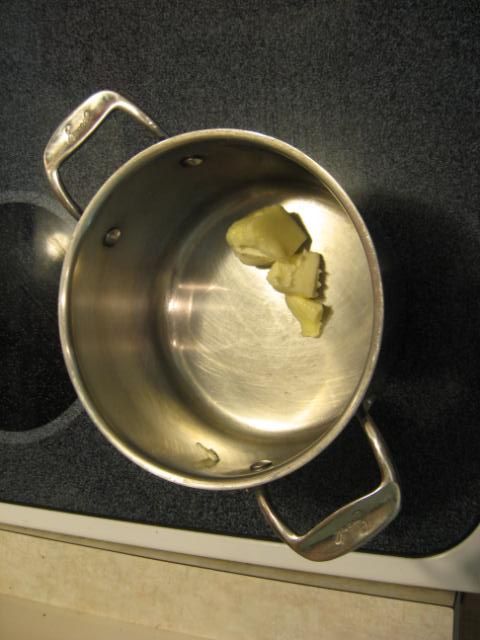
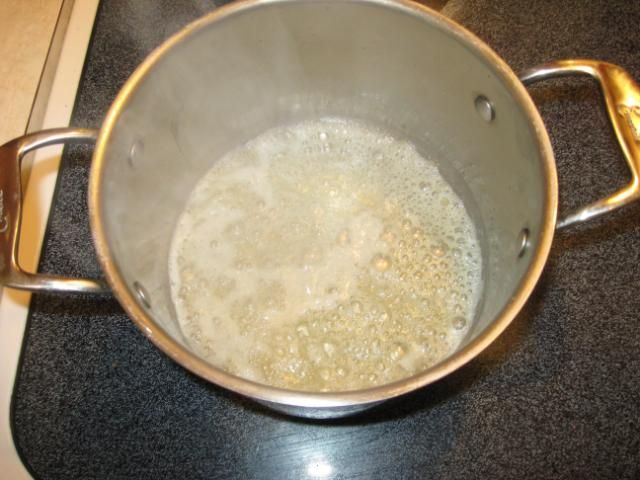
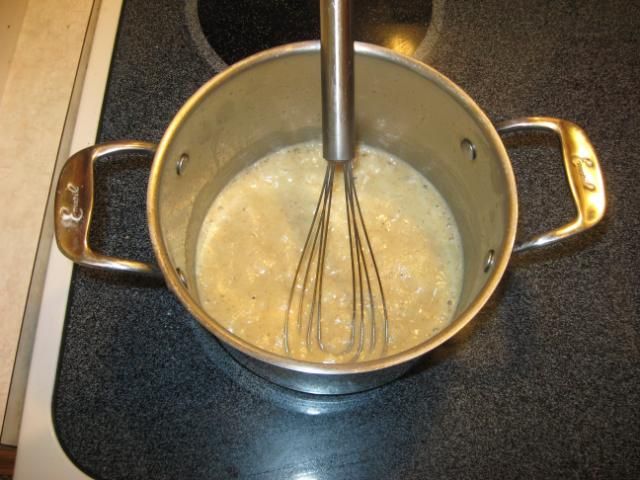
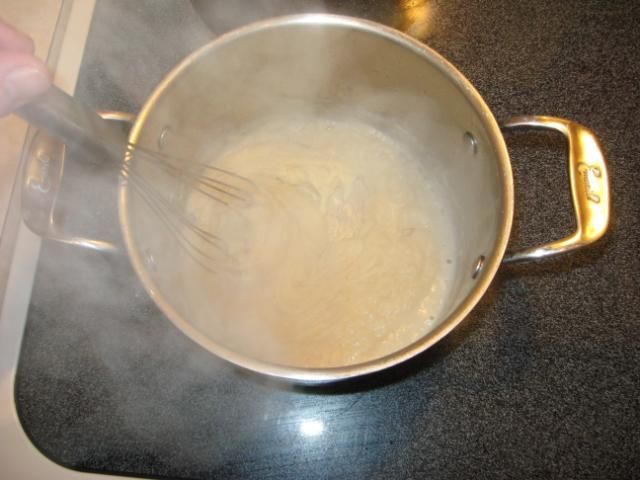
Heat oil to medium high in a deep sauté pan. Sauté onion until it start to become translucent. Add garlic and briefly sauté. Add chiles, cilantro, and stock and simmer for about half an hour. Remove pan from heat. Pour mixture into blender and blend until you hit the consistency you like. Heat flour and butter in sauté pan. When roux is well blended and heated through, pour blended mixture back in and allow to blend and thicken. Remove from heat and allow to sit covered.
Note for Walkerians: We roasted all our chiles, onion, and garlic for the one y’all enjoyed, and added 1/2 a roasted Avocado as well! We did not use flour and butter to thicken, ’cause it just didn’t need it – If it’s thick enough, you can feel free to let it be…
Smoked Guacamole
Here’s a great twist on the standard chip fodder. The smoked avocados add a really savory, distinct note to a wonderful dip.
2 ripe Avocados.
1 medium Onion.
1 firm Tomato.
1-3 cloves Garlic.
½ fresh Grapefruit.
5 – 8 sprigs fresh Cilantro.
Juice of 1 – 2 fresh Limes.
Salt, Pepper and Chile flake to taste.
For the Walker version, we prepared some smoking wood by soaking it in water for about half an hour, then placing that on top of hot charcoal. After loading the grill with the avocados, onion, tomatoes, garlic and the grapefruit, we closed the cover and dampered the vents so the air flow was minimal, allowing the smoke to work low and slow for about forty five minutes. We did not smoke or roast the tomato, ‘cause it gets too mushy.
Allow the grilled/smoked stuff to cool. Dice the tomato, onion, avocado and garlic, then combine in a non-reactive bowl and mix well. Add chiffenaded cilantro, juice from one lime, and squeeze juice from ¼ of the grapefruit.
Add salt, pepper and chile flake to taste, and add additional lime and/or grapefruit juice as desired – When you get the balance right, you’ll have a nice, tangy citrus counterpoint to the smoky veggies.
And finally, here’s the Gazpacho recipe! For the Walker folks, the cold final version y’all tasted was made the night before, as we noted. The version we made that day, we smoked the tomatoes, pepper, and garlic, and the results were sublime indeed – I highly recommend you try that version too!
Gazpacho Andaluz
Here’s a classic take on Gazpacho from Andalucía, thickened with bread. It’s a delightful meal on a hot, sticky day, and double bonus, the prep doesn’t require heat either! I’ve been making this since the ‘60s when a Spanish friend of my mom’s showed me how this works.
Gazpacho Andaluz
4-5 medium tomatoes.
1 medium cucumber.
1 medium red bell pepper.
1-3 cloves garlic.
1/3 cup extra virgin olive oil.
2 tablespoons white balsamic or white wine vinegar.
Salt, Pepper, ground chile to taste.
2 slices (About ¾” thick) dense white bread.
1 cup cold water.
Put your bread in a bowl, cover with cold water and allow to soak for about 15 to 20 minutes.
Peel, core, seed and rough chop tomatoes, cucumber, pepper and garlic. Throw all those into a blender or processor and blend until everything is smooth, with no big chunks left.
Grab your bread and squeeze it into a ball as hard as you can. Crumble bread into a bowl, and add oil and vinegar. Mix well.
Slowly add bread to veggie mix while blending on low until you get the consistency you like. You want a nice, relatively thick soup that will coat a spoon. If you get too aggressive with the bread, thin the mix out with a little more cold water.
Pour soup into a fine-mesh strainer or chinoise and carefully force through with the cone or the back of a metal spoon.
Place soup in a glass bowl or container and refrigerate for at least 2 hours, and more is better – You want this icy cold!
Serve with garnishes that float your boat; chopped dry sausage, hard-boiled egg, cilantro, diced tomato, cucumber, onion or shallot, sour cream or even better, crema, all are wonderful.
The Jalapeno/chorizo/queso dish I’m gonna save for later, because I want to flesh that out and show y’all how to make your own chorizo and queso, ‘K?
Here’s a few pics for fun!


 Walker





 UrbanMonique