Scared Local Yet?


If ever there was a siren song for reform of our food production and distribution system, this New Yorker piece is it. Read it, and get involved. Start by buying local whenever you can. Know your sources for what you put in your body every day. Take a stand on the system that allows this kind of thing to exist and multiply, and make your voice heard. I don't know what our governments spend most of their time doing, but it isn't properly regulating this. Let's light a fire under 'em.


Grapeseed Oil, Yea or Nay?


If you've hung around here much, you'll know we're all about investigating the food world. We like to think that by so doing, we can save you some pitfalls and missteps. Today's topic, grape seed oil, might just qualify as such.

Any kitchen worth its salt needs a decent selection of oils, taking advantage of their specific taste profiles, cooking uses, and health benefits. M and I are no longer spring chickens, so we pay more attention to the health thing than we might have when we were younger; naturally, oils deserve significant scrutiny.

Ask the question, “What are the healthiest oils you can use in your kitchen,” and the answers might be more complex than you anticipated. We lean toward proven winners like olive, canola, coconut, peanut, and clarified butter. If the peanut oil and clarified butter surprise you, they shouldn't, by the way; used in moderation, they're quite healthy, and no oil in that list has higher heat tolerance than clarified butter. Olive oil, with generous amounts of monounsaturated fats and vitamin E, is the hands down health winner, but what to use when you want something with a lighter taste?

Onto the stage strides a relative newcomer, grape seed oil. Purveyors claim a host of pluses, from the subtle, nutty taste and a relatively high smoke point, to a raft of health benefits, including abundant vitamin E, zero cholesterol, low levels of saturated fat, and the highest concentration of heart-healthy omega-6 polyunsaturated fat, (AKA PUFAs), of any cooking oil. And the fun doesn't stop there. Google grape seed oil and you find claims for everything from anti-aging to curbing hair loss. Can all this be true? As far as the constituent claims, the answer is yes, but a qualified yes. As for the other stuff, remember what P. T. Barnum said about suckers?

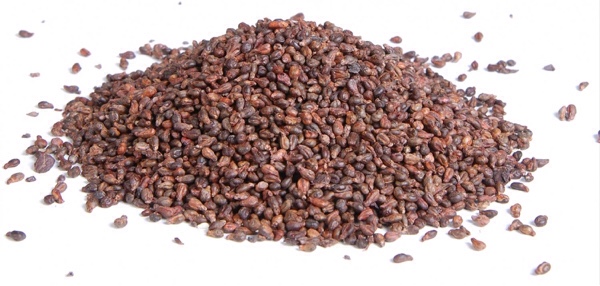
Grape Seed oil is indeed pressed from grape seeds, predominantly wine grape seeds. This sits well with wine makers, naturally, as it provides the opportunity to convert a waste product into a significant profit source. The first potential downside for this stuff lies with the fact that it's not cheap. Peruse your favorite grocery shelf and you'll find that the per ounce cost of grape seed oil rivals that of high quality olive oils. Why is that? The answer is twofold; one, all those sexy claims allow makers to charge premium prices, and two, grape seeds are relatively small and do not yield their oil easily. As such, makers must employ fairly expensive pressing processes to extract the oil.


Or not: If you come upon surprisingly inexpensive grape seed oil, it's likely to have been chemically extracted. If the label doesn't reveal the extraction method, peruse the product: If the oil is crystal clear and light in color, chances are good it's chemically extracted. Mechanical extraction tends to produce slightly hazy oils, as small quantities of proteins and other plant matter remain in the oil. The solvents used for extraction are toxic; the most common is hexane, a known carcinogen. As with so many food products, manufacturers are not required to tell you how they extract the oil. If the oil doesn't specifically state that it was pressed, chances are it wasn't.

If the oil is pressed, you want to know if the process used was expeller or cold. Expeller pressing can heat the oil it is generating, especially when the seeds are stubborn, as grape seeds are. Doing so can change the quality of the oil and reduce the health benefits as well. Cold pressing avoids this by adding temperature control to the process; as such, it's the most expensive method of production, but produces the best quality oil.

So, what's the potential downside of this stuff? The answer lies in that very high level of omega-6 polyunsaturated fat. Grape Seed oil averages 70% omega-6 PUFA, with some brands claiming levels as high as 77%. Compare that to the 19.0% found in canola oil or the 10% in olive oil, and you get an idea of how high too high is.

The problem is that human bodies just don't tolerate sustained high levels of PUFA intake without incurring health problems. We're just not built for the stuff; throughout almost all of human history, we consumed only a very small amount of polyunsaturated fat, whatever was naturally present in the foods we ate. The industrialization of our food supplies changed all that. Read our post on ranch dressing if you've not already, and you get a broader view of what this means. As a result, we've been consuming more and more polyunsaturated fats, concentrated in processed foods and modern cooking oils. According to WebMD, we consume over a thousand times more more PUFAs today than we did 100 years ago. That’s a lot, by the way…

The problems exacerbated by this trend include a myriad of ills brought about by free-radical damage. If you're unfamiliar with that issue, allow Jeffrey Blumberg, Professor of Nutrition at Tufts University, to explain: “Free radical is a term often used to describe compounds that are missing a critical molecule, which sends them on a rampage to pair with another molecule. These molecules will rob any molecule to quench that need. If free radicals simply killed a cell, it wouldn't be so bad, the body could just regenerate another one. The problem is, free radicals often injure the cell, damaging the DNA, which creates the seed for disease. When a cell's DNA changes, the cell becomes mutated. It grows abnormally and reproduces abnormally, and quickly.”

In terms of our cooking oils, free radicals form when PUFAs are oxidized by heat, light, and pressure. PUFAs are extremely fragile and heat-sensitive, their carbon bonds break easily. Industrial oils that are heated and pressurized by processing are especially likely to contribute free radicals into our systems, but even cold-pressed PUFA oils will oxidize when heated for cooking.

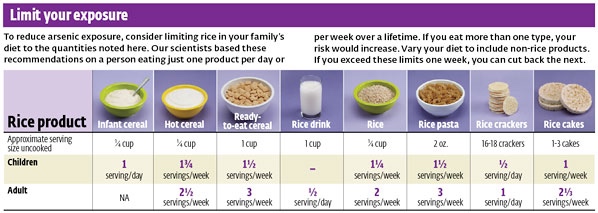
So, what is a healthy strategy for dealing with the potential health hazards? All things in moderation. We recently wrote about arsenic in rice; here's another situation where intelligently limiting your intake will go far. No more than 4% of total caloric intake from a 1:1 ratio of omega-6 and omega-3 will do the trick. That level and ratio closely emulates what occurs naturally in grass-fed meats, dairy, eggs, and plant foods.

We do have a nice little jar of high end, cold pressed grape seed oil in the pantry by the way. We stick to Olive and canola oils as our every day go-to's, and use the grape seed for what it is best at; really nice salad dressings. The nutty flavor and light mouth feel is truly delightful. Again, all things in moderation, they say, and educated moderation is best.

One final note; the high heat claims for this oil are sort of true. It stacks up very closely to Olive oil, but lower than peanut or clarified butter. We prefer those two for frying, frankly; they're far cheaper and probably healthier.


4 Ounces Grape Seed Oil

1 Ounce Rice Vinegar

1 small Lemon

2 teaspoons Chervil

Sea Salt

Black Peppe

Rinse, zest and juice the lemon.

Combine oil, vinegar, half the lemon juice, chervil, a pinch of salt and a twist of pepper and whisk thoroughly to incorporate. Taste and adjust lemon, salt, and pepper as desired. Allow to rest for 15-30 minutes before use.


3 Ounces Grape Seed Oil

1-2 Ounces Apple Cider Vinegar

1 teaspoon Savory

Sea Salt

Tasmanian Pepper Berry

Combine oil, vinegar, and savory with a pinch of salt and a twist of pepper. Whisk thoroughly to incorporate, adjust vinegar, salt and pepper as desired. Allow to rest for 15-30 minutes before use.


4 Ounces Grape Seed Oil

2 Ounces Champagne Vinegar

1 small lime

Shallot

1 teaspoon Cilantro

Sea Salt

Grains of Paradise

Rinse, zest, and juice the lime. Mince 1 tablespoon of shallot.

Combine oil, vinegar, half the lime juice, zest, cilantro, a pinch of salt and couple twists of grains of paradise. Whisk thoroughly to incorporate. Adjust lime, salt, and grains as desired. Allow to rest for 15-30 minutes before use.


That ain’t how we play…


I tweak and republish this post annually; I think you’ll see why when you read it.

See, I’m not out to be tragically hip, in fact quite the contrary. Or maybe Matthew Selman said it best; “I wish there was another word than foodie; how about ‘super food asshole’, or ‘pretentious food jerk’?” I just don’t wanna go there.

Granted, there are a lot of great food blogs out there, but right now, many are judged ‘Great’ because somebody took a really, really nice pic of some food, or is on the fast track to be the next Food Channel Super Food Asshole. Frankly, when the ‘best’ food blog sites reject people because they don’t meet criterion such as that, I’m more than not interested, I’m actively turned off. 

I write about food from some pretty simple perspectives. I’m interested in sharing recipes, methods, processes and such. I’m interested in sourcing, using wisely, and preserving food that is good for you, in a world where much of what we are offered to eat is not very good. I’m interested in the science behind cooking, because I’ve never liked simply being told to ‘do it this way.’ I trust that if you’re reading this, you’re interested in these things as well. To be honest, if no one read this blog, I’d write it anyway, because I do it for me first and foremost; I gotta share what I love. That’s just how I’m wired.

So, when I look at ‘real’ food blogs, I see the stuff that, fairly often, folks ask me about here, or more to the point, ask me why I don’t do these things. There are three oft repeated comments, and they are,
Why don’t you list nutritionals and calories,
Why don’t you post prep and cooking times, and
Why do you post exotic ingredients that I’m not likely to have?

So, in a nutshell, here’s why;

Frankly, listing nutritionals means, more than anything, that I am determining what kind of portion size you and yours eat, and frankly, I don’t have any idea about that. If I list a casserole recipe and you make it, how much do you eat? How about your partner? Do you have seconds, are there leftovers, and on and on. This ain’t a restaurant, and I’d bet your house isn’t either; neither of us needs everyone to eat the same portion. For the record, I predominantly do recipes for two, with planned leftovers, the idea being general efficiency, and the fact that anything good will be great the next day. Other than that, you’re kinda on your own. I mean I can give you a great biscuit recipe, but how big you make ’em, and how many y’all wolf down is kinda your gig, right?
Don’t get me wrong, nutrition IS important and should be monitored in some way, shape, or form. The best way to this is to buy carefully and thoughtfully. Buy locally whenever you can. Read the labels on food and avoid the stuff that’s truly bad for you. Grow anything and everything you can. Preserve what you buy or grow so that you can notably extend the time it is available to you. Make everything you can, from scratch, at home. That may sound more intensive than what you do now, but if you really care about nutrition, you’ll do it. And as far as we go, whenever you need or want detailed nutritionals on our recipes, just click on our link for Calorie Count and go to town. There’s a mobile version out for your Apple or Android smart phone as well now.

Next comes prep and cooking time.


Weeeeeellllll, how do I say this? Listing prep time is, in my not even remotely close to humble opinion, one of the dumbest things I’ve ever read. The problem is actually pretty obvious. Listing prep time says we all prep at the same level, and nothing could be further from the truth. Heck, I have three preppers in my cafe and they all perform differently… So really, the question is who’s prep time are we talking about? Mine? Yours? Emeril’s? I’ve been cutting things for decades and have pretty damn good knife skills; do you? I can stem, seed and core a tomato blindfolded, without cutting myself, in about 15 seconds; can you? I don’t even think about process and procedure any more, it just comes naturally; does it for you? And if your answers are ‘No’, does that make you slow? If I can prep Dish A in 10 minutes and you take 20, should you not make that dish? Of course not! And really, that’s just the tip of the iceberg. How about what ingredients you have right on hand when you start your prep, how well equipped your kitchen is, how your day went, how many rug rats are flying around your feet, or how many critters need to go out right NOW?! Get the picture? My bottom line is simple – Who gives a rats ass how long it takes if you have the time and want to make it? If you’re cooking regularly, you either already have a decent sense of what you can and will accomplish in a given time, or you will develop one in time. If you really do like cooking and want to do it, you’ll do it.

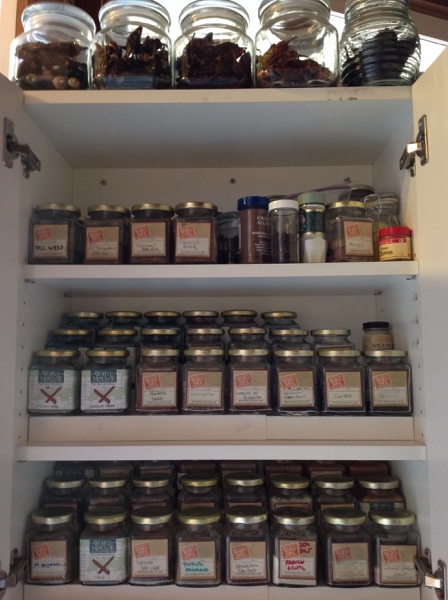
Finally, there’s the exotic ingredient thing. Yes, I have a whacky spice cabinet. You may or may not have a pantry like ours, but I really don’t think that matters. We have all this stuff because we dedicated lot of time and energy into developing and perfecting recipes to share with y’all. Whether or not you need that much stuff is up to you. Does a couple avocado leaves and a little annatto really make or break good chili? If you’re asking me, I think the question is rhetorical. And frankly, I don’t buy the ‘why do you use ingredients I’m not likely to have’ complaint for a second; in this day and age, almost anyone in this country, and many others, can get anything they want. I recently shared a bacon recipe with a pal from South Africa. He ended up having to go all over creation to find several ingredients, but he did it, ’cause he really wants to try my recipe. Kinda like that last discussion on prep and cooking, huh? Ive mailed corn meal to Australia and mustard seed to Israel; if you can’t get something you wanna try, hit me up, I’ll help. I’ve also gotta point out that we constantly encourage and desire experimentation, so if you’re making it, put what you like in it: Give us credit the first time, and then it’s yours…
I say that if you love cooking and great food, maybe you should check out Tasmanian Pepperberry, or Urfa Bebir; who knows what you’ll do with them?

We do this because dear friends who love to grow, cook, preserve and explore as much as we do asked us to. We do this because we have a love for good food and cooking shared. We do this because we hope to inspire such in y’all. If that ain’t good enough, so be it.

MSG, by any other name

Is MSG really bad for you?


So, hopefully you’ve read our artificial ingredients primer, Ranch Revolution. It covered most of the fairly nefarious artificial ingredients and additives you find in processed food pretty well.

I’ve said before and will again that most of the health and dietary issues folks are saddled with come from these ingredients, way more so than gluten. If one did actually become gluten intolerant, I’d think of these as the gateway ingredients that make it possible. So many of these things negatively impact the GI tract, it’s no surprise that such maladies abound.

One of the most pervasive additives out there is MSG, MonoSodium Glutamate. In that referenced article, I noted the following:

“Onward; next we get ‘natural flavor (Soy)’. Sounds pretty harmless, right? No such luck. Manufacturers these days are acutely aware that a whole bunch of us don’t want Monosodium Glutamate, (MSG), in our food. Even if they say ‘No MSG’ on the label, they well may be lying to us flat out. Why? Because MSG is cheap, and very effective at adding umami taste, that mysterious savory note. Unfortunately, MSG just ain’t good for ya. Side effects can include burning sensations, weakness of the limbs, headaches, upset stomach, and hives or other allergic reactions. Ingredients labeled like the one we found here, as well as ‘yeast extract,’ or ‘hydrolyzed soy protein,’ are nothing more than MSG in disguise. And there’s another example of things the FDA lets manufacturers get away with that they maybe shouldn’t.”

My revisit comes as a result of my encountering yet another pseudonym for MSG recently, AKA the ubiquitous ‘Soy Protein’ moniker. I found this at a restaurant that offers a very comprehensive ingredient and additive list to customers. What caught my eye is that this list had a line for MSG, (and none of their stuff had that box checked), yet many did have Soy Protein as an ingredient; so, why is that an issue? Because Soy Protein is one of the many potential pseudonyms for MSG. Take a look at this chart from truth in labeling. It’s interesting to note that this page states that “everyone knows that some people react to the food ingredient Monosodium glutamate;” frankly, I don’t think that’s true, but read on…

All this prompted me to dive a bit deeper into MSG. As I noted above, MSG is famous for adding the Umami taste, the je ne sais quoi savory flavor that us humans dig big time, (I admit, however, I am not one of them; I can taste it and I don’t like it – it has a cloying metallic quality I find most unsavory indeed.) It was and is used in many Americanized versions of Far Eastern cuisines. On the other hand, it’s also accused of contributing to many maladies, so that’s where I started delving deeper.

Probably the best synopsis came from the Mayo Clinic. Their info regarding the deleterious effects of MSG pretty much mirrored those I wrote of, but their article included one vital word I did not; anecdotal. Meaning, of course, that MSG was accused but not proven to have caused or contributed to these ills. The article went on to note that research had been unable to definitely tie additive to malady.

Then I found this piece by Rachel Feltman in the Washington Post. Feltman, for the record, has a B.S. In environmental science and an MA in science reporting from NYU, and has also written for Popular Mechanics, Quartz and Scientific American, (AKA, she ain’t no hack journalist.) Feltman notes the natural root of MSG, (first derived from seaweed in Japan decades ago), and that its many glutamate cousins are predominantly naturally derived as well.

Back to that Soy Protein I found; look up this ingredient and you’ll find a broad school that touts its health benefits, including the Journal of the American Heart Asociation, which noted, “increasing evidence that consumption of soy protein in place of animal protein lowers blood cholesterol levels and may provide other cardiovascular benefits.”

Conversely, there are plenty of sites who label this stuff dangerous, but in all fairness, they generally tend to be poorly researched and lacking definitive sources for their claims. Fact is, when it comes to the science of food, proof matters more than the claim.

So there you have it. Rather than adding anything definitive to the debate, my further research generated more uncertainty.

I maintain, however, that my overarching premise regarding artificial ingredients and food additives remains sound. The fact is, there are far too many processed foods with far too much of this stuff in it. In all likelihood, MSG in moderation is probably fine. The key word, of course, is moderation; if a significant percentage of what you eat is processed food, I’ll bet you dimes to dollars that you’re getting way too much of a bunch of things that are not good for you in such volumes.

You always have been and always will be much better off using fresh, local, basic ingredients without additives of any kind, and making as much of your food as you can from scratch, at home. From granola to mustard, and mayo to tomato sauce, you’ll eat better and feel better. There’s really no debate about that.