Plastered Planters


This just absolutely cracked me up! Sister Ann writing for her local paper. You’ll find links to Annie’s blog and Alice’s Log House Plants right here. On the Log House website, you’ll find a list of nurseries that carry Alice’s stuff.

Enjoy!

Lovejoy for Kitsap Sun April 27, 2013

Plant Now For Spirited Summer Drinks

Last month, garden writer Amy Stewart presented gardeners with yet another intriguing book. Author of Wicked Plants (about toxic and psychotropic plants) and The Earth Moved (about worms), Stewart delights in offering new slants on age old topics.

Stewart’s latest effort is The Drunken Botanist: The Plants That Create the World’s Great Drinks. Inspired by such liquid delights as Margaritas and Mint Juleps, she offers stories, garden tips, and 50 recipes for would-be mixologists.

Stewart’s research fascinated Alice Doyle, co-owner of Log House Plants in Cottage Grove, Oregon. Among the Northwest’s premier wholesale plant growers, Log House Plants is famous for pioneering numerous horticulture trends, from informative plant labels to grafted vegetables. Thus, it’s not surprising that Doyle and Stewart teamed up to create a series of Drunken Botanist plant collections.

For example, if you are fond of using simple syrups in mixed drinks, you will want to grow the Mixologist collection. This assortment includes Orange Mint, Lavender Grosso, and Thai Basil, all excellent culinary forms that belong in the kitchen as well as the drinks cupboard. It also contains Agastache Golden Jubilee, a fragrant and flavorful perennial that is extremely attractive to bees and hummingbirds. Experimental cooks will also find plenty of uses for the perfumed foliage of Attar of Rose scented geraniums, and Angelica, a tasty and sweet scented biennial long candied for cake decorations.

Those who prefer whiskey cocktails could plant the Southern Belle Whiskey Garden. This includes the inevitable mint, though in superior form (Mint Kentucky Colonel), as well as German Chamomile, English Thyme, and French Tarragon.

If you like zippier drinks, yours is the Heart of Agave Tequila Garden, featuring savory Grower’s Friend Sage, Jalapeno Peguis Peppers, Golden Midget Watermelons, Margarita Mint, and Arp, a very hardy rosemary.

There’s also an Old Tom Gin Garden, with special forms of borage, basil, and thyme, along with Lemon Cucumbers. This set also includes my favorite Mexican Sour Gherkins, a wiry little scrambler Rachel Ray called the most important new vegetable in decades. These tiny, tart little cucumber relatives are delicious in salads and when pickled, are popular in drinks where you might use pickled onions. They look and taste a bit like watermelon, and are sometimes called watermelon cukes.

But wait, there’s more! The Old Havana Rum Garden celebrates Columbus’ discovery of sugarcane, a tropical grass that is a key ingredient in rum. This combo lets you partner rum with amazingly tangy golden alpine strawberries, lemon grass, lemon verbena, or Cuban Mohito Mint, all of which will earn their way into many a meal.

The Farmers Market Vodka Garden collection pairs cute little Red Currant Tomatoes with Fireball and Cherry Pick Peppers, all excellent varieties. This set also includes Slow Bolting Cilantro, which carries on long after ordinary cilantro has gone to seed, and Redventure Celery, a lovely creature with pinky-red stems that are delightfully crisp.

Even if you don’t imbibe, you can use these ingenious kits to make refreshing shrubs, combining various vinegars, fresh herbs, fruit or vegetables with sparkling water. These classic drinks were enormously popular in pioneer and Victorian times and are enjoying a renaissance in trendy bars today. Instead of a Shirley Temple, try apple cider vinegar, muddled raspberries, lemon balm and tonic. Or mix spicy, non-alcoholic ginger beer with crushed mint, a little jalapeno pepper, and chopped cucumber.

The possibilities are endless and make for splendidly different picnics and potlucks. If your local nursery doesn’t carry Log House Plant collections, check their website for the nearest retailer.

Log House Plants

Retail Outlets

Saved by the Squees!


Almost nothing about moving from Texas to The Great Northwet struck as deep as chiles, or rather, the sudden lack thereof…

Used to growing a veritable cornucopia of our own, as well as being able to find damn near anything in the store, we were faced with no crop and slim pickings up here.

As the first hints of fall drift in the morning air, we contemplated accepting what was and heading for Whole Foods to grab some long-distance Hatches for a bare bones tied-me-over.

Imagine then our surprise and delight when a package from our dear friends at Neighborhood Gardens arrived from Hackensack MN; we truly had no idea what they’d sent, but knew that every care package was delicious to a T. The Squees moniker, BTW, comes from the fact that our pals Grant and Christie who own and run NG live on Squeedunk Lake up there in Cass Co., MN.

When I cut the first line of tape and the scent of fresh chiles escaped, I couldn’t believe my nose! Digging in further, here we’re bags of Hatch, Jalapeño, Super Chile, Cherry, Poblano, Serrano, and Pasilla, all gorgeous and ready to preserve – Heaven!

How they knew I don’t know, but bless their hearts! If ever there was a ringing endorsement of Community Supported Agriculture, this is it – Fresh, organic, varietal and right on time!

We got busy ASAP, and divided things up for storage; large chiles went to the grill for roasting, and then were vacuum sealed and sent to the freezer. the vacuum sealing virtually assures that no freezer burn will dim the flavor or appearance of these beauties over the long winter months, and they take up a lot less freezer room processed this way. A basic vacuum sealer is very affordable, and even better, this is one of those kitchen gadgets that’s often bought or received and never used, so you can find them cheaper yet on eBay, Craig’s List, etc.

The smaller varieties went into the dehydrator with the thermostat set for 145 F and were dried thoroughly. The chiles can then be vacuum sealed if not needed in short order, or stored in glass jars, out of direct sun; they’ll last a year or two easily.


To use frozen, roasted chiles, just pull them out and let them reach room temperature. It’s generally best to seed, strip membranes and skins prior to use, but if we’re making a sauce that will be blended and strained and the variety isn’t too hot, we’ll just pull the stems and seed base and call it good.

Dried chiles can be tossed into the spice grinder and processed into anything from a rough grind to a powder depending on what you’re making. We keep shakers of fine ground Tabasco and Jalapeño chiles handy at all times, as we find they add a very nice brightness to a myriad of dishes.

If your proposed dish needs the chiles whole and/or reconstituted, just plunk the desired amount into clean, tasty water and allow them to return to their natural state. Depending on how hot the chosen chile is and your desired heat level, you may want to remove stems, seeds and veins prior to soaking. By the same token, you might want to use the tea you infused while rehydrating your chiles as part of a sauce or salsa as well.

As always, be careful when handling hot chiles. Everyone has a different threshold, but prudent and cautious are always the bywords when handling a hot variety like Habanero or Ghost chiles. Always jeep in mind that damn near any variety can and will produce the occasional mutant, so even mild varieties can sometimes back a wallop. It’s always better to be age than sorry, so use gloves, keep your hands away from sensitive body parts after handling, and thoroughly clean any and all tools used in processing chiles.

Google CSA (Your town) and see what’s out the waiting for you!

Thanks again Squees, we love y’all!

It’s Harvest Time!


Well, it hit the low 30s last night and its supposed to be high 20s tonight, so M hit the chiles for the last time this year. In case you were wondering, that, my friends, is a fine chile harvest indeed! So, if anyone tells you that you can’t grow abundant, great veggies on a postage stamp lot, you tell ’em bunk! If we can do it in Cowtown, especially after a summer like this last one, you can do it too!

Photobucket Pictures, Images and Photos

State of the Herbs Address


7 pm, north Texas, late July, 107 degrees in the shade, (Too hot in the shade…). Is there a oasis in all this heat? Yep, but it’s still mighty hot – If you don’t move too much, you don’t sweat too much.

Several friends with nice gardens all say the same thing – “It’s so hot, I don’t even want to go out to water…”

Job #1 is balancing water use, remaining responsible given our drought conditions, and the cost thereof, of course – We’re on a city water supply, so it does indeed cost ya. We’ve given up watering the grass out front; the back has none to speak of, it’s all planted in one form or another, the lion’s share of which is veggies and herbs. Our priorities are keeping our foundation moist enough to avoid cracking, then the gardens next, catch as catch can.

So is this possible? Can you grow stuff in heat like this? This question’s not solely pertinent to north Texas, of course. A look at the national weather map today shows 70’s in some coastal and mountain areas, but 80s, 90s and 100+s predominate across the whole shebang. Our forecast for the next week shows projected temps of 105 to 109 for seven days straight…

The answer is yes, but it takes work. We don’t broadcast water anything, no sprinklers, just careful hand watering. We could probably do better with a drip system, but here, anyway, we have to move things from time to time, if they’re not thriving in any given micro-climate – Yes, moving from one small bed to another six feet away can make a difference, for a myriad of reasons.

Monica works her butt off to juggle all this; thank God she has the persistence, expertise and will to do it! Many folks I talk to here and elsewhere ask, “How do you guys still have stuff thriving? Ours has died, even though we watered.” The answer is soil, soil and more soil – We’ve brought literally tons of it to our growing spaces. The so-called ‘top soil’ we had here when we moved in was maybe an inch deep and crap quality. M has built up fantastic beds, tailored to what they grow, (i.e., the chile beds have more lava sand, etc). She also rotates beds, allowing one to lie fallow, in a miniature version of smart farming. One of the larger beds is covered with compost and growing nothing, recovering its potency for the next season.

Here you can see the fallow bed, which is actually about 8′ x 6′ – The cukes have over run it somewhat, but the bed is covered in compost and then she’s stored her spare pots on top of that.

So far, herbs are hanging in there. The cilantro has gone to seed and died, which is fine – We let it do so, then cut the dried stuff and separate the coriander seeds from the chaff. We’ll save some seeds for replanting, (Almost not necessary, as this stuff will come back given a fraction of a chance), and bottling the rest for use. We’ll most dry these, but some will go into infused oils and vinegars as well.

Other than that, we’re moving our herb and spice preserving up in the calendar, rather than letting anything else die. Meal planning and prep shifts a bit also, to take advantage of the soft-stemmed herbs that just don’t dry all that well, Parsley, garlic chive, dill, etc. The Dill and Parsley went first, and although the dried version are a shadow of the real thing in potency and flavor, they still beat the pants off of 90% of what you find in stores, so dry them we do!

Here’s what things look like in general:

The chiles are pretty robust, as you can see – Constant watering causes a micro version of what happens in big fields, water pulling soil away from the plant bases, so she actively mounds them back up periodically.

This small bed held Tabasco chiles, beets and carrots, but the heat is simply too much for those crops. M has transplanted the chiles and abandoned the others, covering the bed with compost awaiting a (Hopefully) cooler fall.

Here are the transplanted Tabascos, much happier than they were, along side tomatoes. M chose varieties that bear small fruit, to allow for less water demand and less stress on the plants; they’re bearing steadily and holding up fine – so far, so good.

Mint is a beast – You don’t grow it, you subdue it… The basil likes this southern exposure under the house eaves and is thriving.

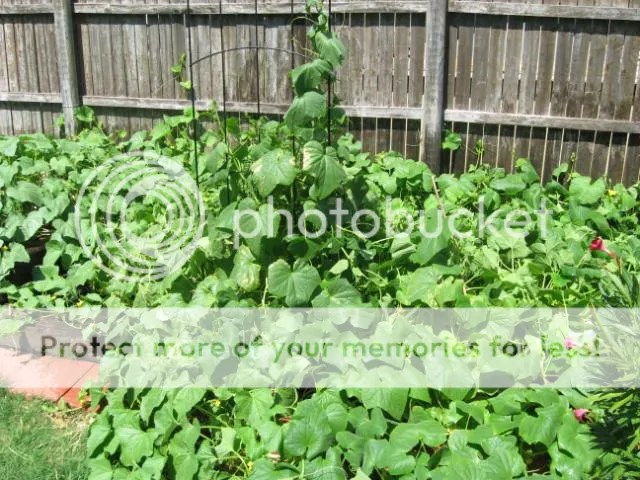
Umm, do ya think these cukes are happy, or what? Insane is more like it… We planted Armenian and Lemon cukes. Both have done, ah, fine, as the second pic confirms. Their water use proves to be just to high to justify, though, so we’ve picked them clean and will let them go fallow.

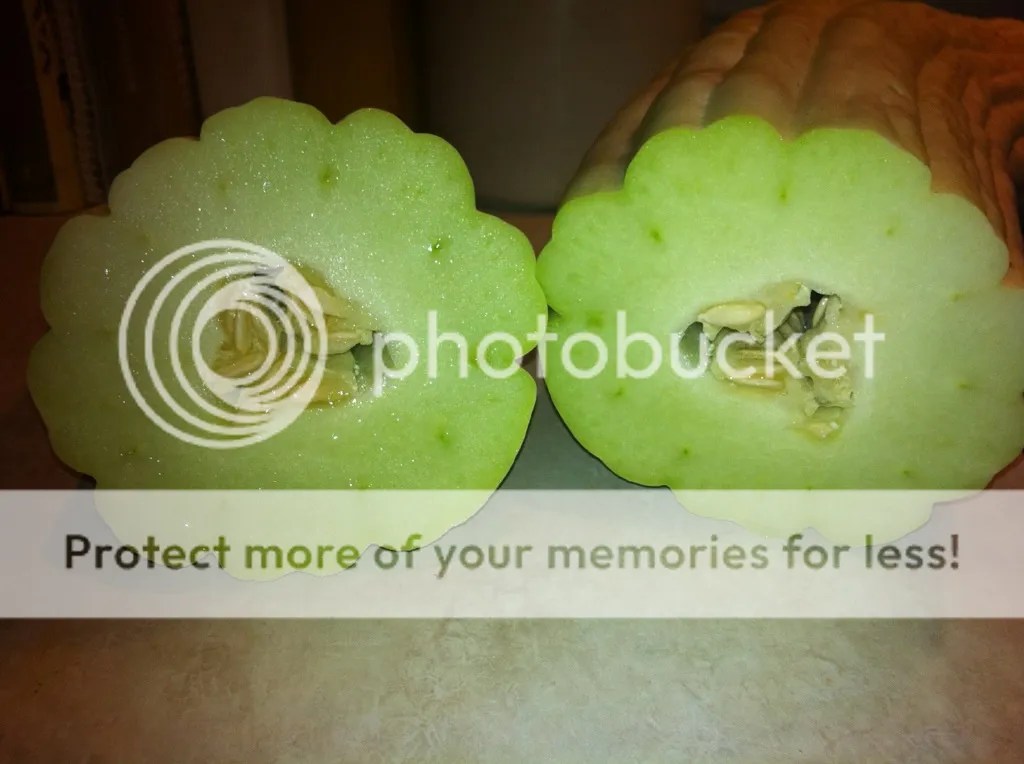
This beast, which M literally tripped over, shows what I mean – 24″ long, 5.5″ diameter, and 6.5 pound Armenian, with some lemons beside that. We’ve had beacoup salads, Tzatziki, and everything else we can think of, and of course, the neighbors are all supplied as well – Not as ubiquitous and zucchini, but durn close!

Forge on, stay cool, and pray for rain!