House Made Dog & Burger Buns


We make our own hot dogs and burgers these days, and if you’ve not done so yet, you owe it yourself to try; it’s fun, fabulous and very soul satisfying indeed. Naturally, if you go to all that trouble, you aughta make buns at home as well, right? Here’s how.

Burger or Dog Buns
1/2 Cup Milk
1/4 Cup Water
2 Tablespoons Butter
2 – 2 1/2 Cups All Purpose Flour
1 heaping teaspoon active dry Yeast
1 Tablespoon granulated Sugar
3/4 teaspoon Salt
1 Egg

Heat the milk, water and butter to roughly 100° F. Fill your primary mixing bowl with water as warm as you can get outta your faucet and let it sit until warmed through.

Mix 1 cup of flour, the yeast, sugar and salt together thoroughly.

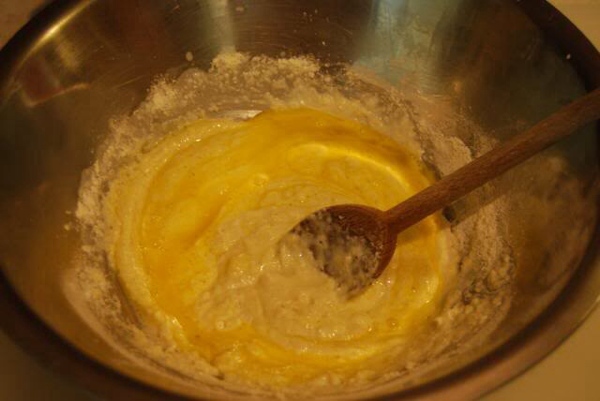
Put the wet mix into the drained mixer bowl; add the dry mix and mix by hand. Crack the egg and reserve a teaspoon of egg white. Mix the rest of the egg into the blend.

Add remaining flour 1/4 cup at a time, mixing until the dough pulls away from the mixer bowl, leaving it more or less clean.

Continue to knead for about 5 minutes until the dough is smooth and elastic.

NOTE: You can do this entirely in your mixer if you prefer; just use the dough hook and mix/knead on low speed.

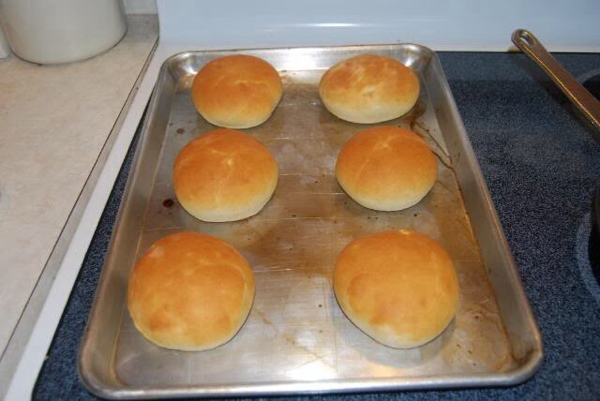
For hamburgers, form 6 equal balls, place on a greased baking sheet and flatten into roughly 3″ discs.
For hot dog buns, form six rectangles about 3″ x 6″, then roll them up tightly along the long axis and fold the ends in on themselves. Place on a greased baking sheet, seams down.

Allow to rise for about half an hour. Preheat oven to 400° F.

Mix egg white with a 1/4 teaspoon of cold water.
Brush buns with egg white mixture and bake for 10 minutes, or until golden brown.

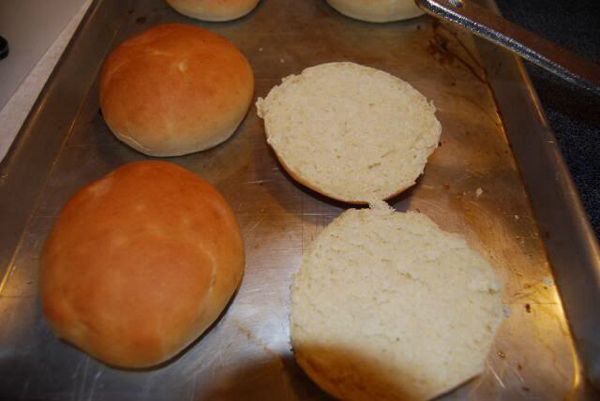
Remove and allow to cool before cutting.


Champagne Mangoes Three Ways


You might have been perusing the produce aisle recently and seen a fruit called a Champagne Mango. They’re somewhat new to many parts of the US, but they ain’t new in the Big Picture view. The Champagne, also known as an Ataúlfo, (and young, baby, yellow, honey, or adolpho), is a well established Mexican cultivar. Champagnes are gorgeous; big, heavy, golden-yellow beauties that are somewhat pear shaped. They’re thin skinned, with deep yellow, rich flesh and a very skinny pit. They’re quite high in sugar, with a tangy-sweet flavor, rich in vitamin C and dietary fiber.

Down in the Mexican state of Chiapas, when Ataúlfo Morales bought Some land back in 1950, there were already bearing mango trees on the property. Around eight years later, a researcher from the Mexican Commission of Pomology heard of Señor Morales’ mangoes and came to have a look. He went off with samples and stock which he named Ataúlfo, in honor of the property owner, and the rest is history.

If you like mangoes, (and even if you don’t), you owe it yourself to try these beauties. While they’re a real treat to peel and eat straight away, here are three of our favorite things to do with them.

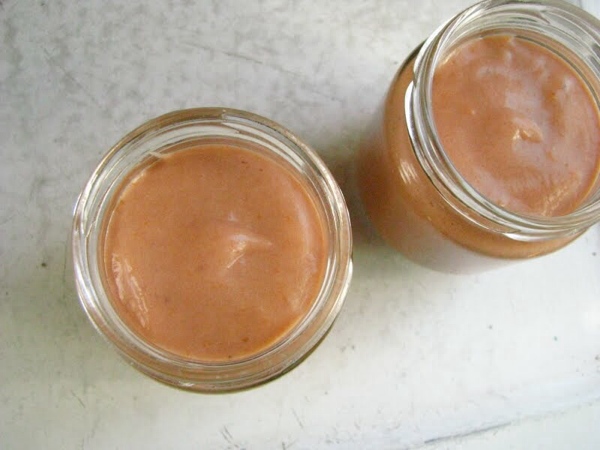
Fruit Curds go back quite a ways in history. Technically, since they include eggs, butter, and require preparation like an emulsion, they’re probably more of a custard than a preserve, I guess. The 1844 edition of The Lady’s Own Cookery Book included a primitive version of a lemon curd;, using lemons to acidify cream, then separating the lemony curds from the whey. Further back yet you’ll find recipes for ‘lemon cheese’, used to make what was called a lemon cheese cake, but reads like what we’d call a lemon tart these days. Our version of Mango Curd is stunningly good, if we do say so ourselves…

2 ripe Mangoes
3 large Eggs
6 Tablespoons unsalted Butter
1/2 Cup Agave Nectar or Honey
1 fresh small Lemon
1 fresh small Lime
Pinch of Sea Salt

Rinse, Peel and roughly chop the mangoes; you’ll want to kind of shave the meat away from the skinny pit.

Purée the mango chunks with a stick blender or food processor. You want to end up with about 1 cup of purée.
Set that aside.

Rinse, zest and juice the lemon and lime, then set juice and zest aside.

Cut very cold butter into about 1/2″ cubes.

Crack eggs into a mixing bowl and whisk lightly.

For cooking the blend, a double boiler is best. If you don’t have one, work with a bowl or pan that will fit comfortably inside a larger one. Fill your double boiler bottom or pan about 2/3 full of water and heat over medium flame. You want the water steaming, but not simmering when you’re ready to cook.

Combine the eggs, lemon and lime zest, citrus juice, the agave nectar or honey, and a pinch of salt. Whisk the mixture until fully incorporated and evenly colored, about 2 to 3 minutes.

Add the mango purée to the blend and whisk for about a minute to fully incorporate.

Put your bowl with the blended ingredients over your pan filled with hot water, (Or double boiler). Allow the mixture to heat, stirring gently but continuously, for about 3 minutes. Start adding the butter in small batches of 6 to 8 cubes, whisking steadily and allowing each batch to melt and incorporate before adding the next.

Again, a curd is an emulsion, so the butter, (fat), needs time and gentle whisking to properly marry with the egg and fruit blend.

When all the butter is melted, continue whisking gently and steadily until the curd begins to thicken noticeably, about another 2 to 3 minutes.

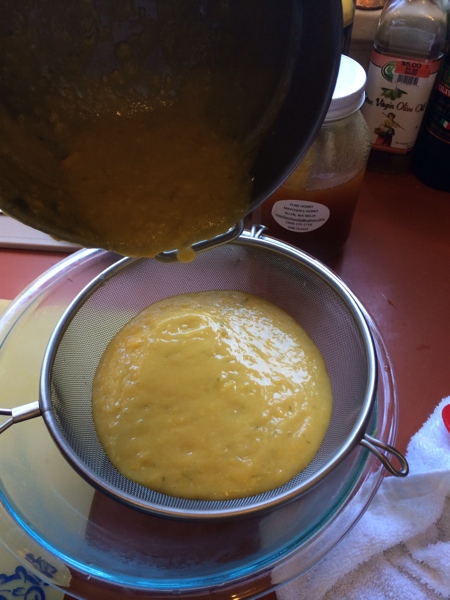
Remove the curd from the heat. Transfer the curd to a fine mesh strainer over a glass or steel bowl and use a spatula to gently strain the curd through the strainer. You’ll end up with some zest and fiber that doesn’t make it through.
Refrigerate in a glass jar or airtight container for at least four hours. The curd will keep for about a week refrigerated, but I’ll bet it won’t last anything close to that long…

A small dish of this lovely stuff is a remarkably delicious desert, or an excellent palate cleanser after a heavy course in a fancy meal. Try it on freshly made shortbread with strawberries for a real treat.

NOTE: You may substitute coconut oil for butter for a dairy free variation.


Granitas are the pure essence of fruit and natural sweeteners. With no diary on board, they’re actually not at all bad for you either. This version was the best we’ve made, of any fruit.

2 ripe Champagne Mangoes
2 Cups Water
1 fresh small Lemon
1 fresh small Lime
3/4 cup Agave Nectar or Honey

Rinse, peel and rough chop the mango flesh.

Rinse, zest, and juice the lemon and lime.

In a food processor or blender, purée the mango until smooth and uniform, about 1 to 2 minutes, stopping to scrape down the sides with a rubber spatula as needed.

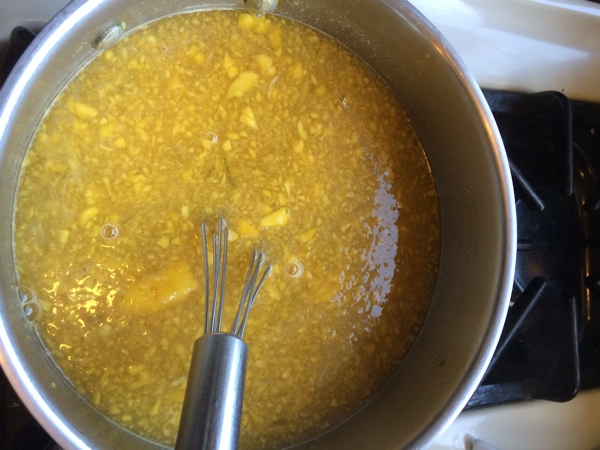
Add the water and honey or agave to a sauce pan over medium heat. Thoroughly melt the sweetener, then add the purée, zest, lemon and lime juice, and stir to incorporate.

Add the puréed mango and stir steadily and gently until the blend starts to simmer. When the whole blend is evenly mango colored and starts to thicken slightly, remove it from the heat; the whole heating process will take around 3 to 5 minutes.
 

Remove the mixture from heat and pour the blend through a single layer strainer into a 9-inch-square shallow baking pan. This pan size works best ­because it provides a large surface area, a key point in speeding up the freezing process. To further hasten freezing, use a heavy steel or glass pan.
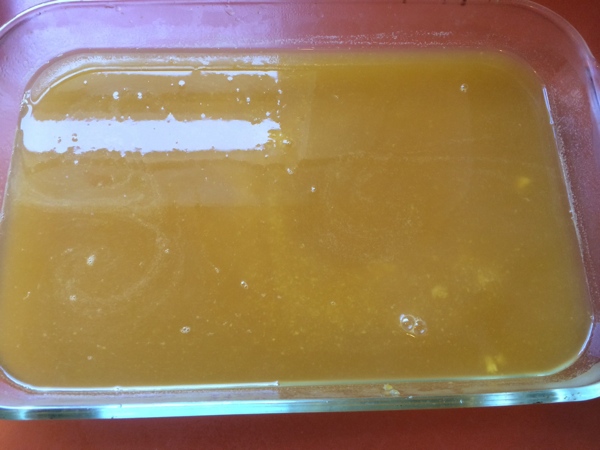
Put the pan in the freezer and stir about every hour with a large fork, times down like you’re raking the granita. Depending on your freezer temp, it will take around 3 to 5 hours for the granita to freeze completely.

You can eat the granita as soon as it’s frozen through, but the flavor will genuinely develop appreciably if you transfer it to an airtight container and freeze it over­night.

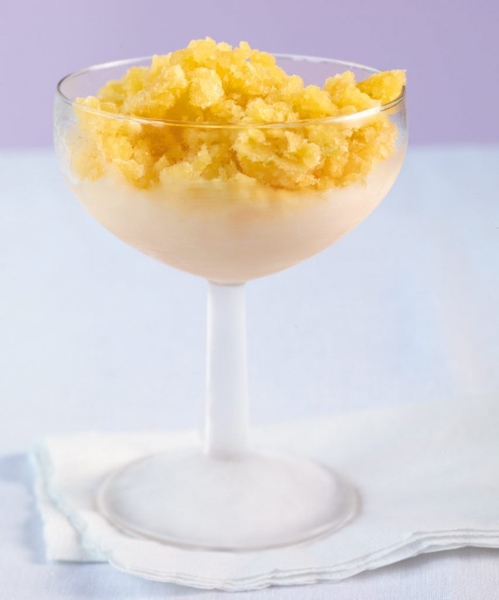
When you’re ready to serve the granita, just scape up the shaved ice and fill a chilled margarita glass, band top with a mint sprig.


Mango salsa is a real treat; the counterpoint of sweet and heat is great with fish, poultry, and pork. Try it on freshly scrambled eggs too.

1 Champagne Mango
2 ripe Roma Tomatoes
1/2 Red Onion
1-3 Jalapeño Chiles
2-4 sprigs fresh Cilantro
1 small Lemon
1 small Lime
Pinch of Sea Salt

Rinse all fruits and veggies. Peel and dice mango. Core, seed and dice the tomatoes. Dice the onion. Chiffonade the cilantro. Juice the citrus.

Combined all ingredients in a non-reactive bowl. Cover and chill for at least 30 minutes, (and as long as overnight – The flavors just get better.)

Smoked Chicken Stew


So, from last nights butterflied, grilled chicken, I saved the carcass and made stock and stew therefrom. If you’re not doing this kind of thing on a regular basis, you really need to be reading this blog more often.
Here’s how.

For the stock,
1/2 sweet Onion
1 Carrot
1 stalk Celery
2 Bay leaves

Rinse, trim and then chop veggies to uniform rough dice. Note: Can’t tell you how often I see home cooks throw out celery tops with leaves on them, or how wrong that is. Especially when using celery for mirepoix, making stock, etc, you want those leaves; they pack beautiful, delicate celery flavor, and impart it to other foods better than the stalks do.

Glean any appreciable meat from the chicken and reserve for lunch, (we didn’t have any left, frankly, and we’ll be using breast meat for the making of this stew anyway…)

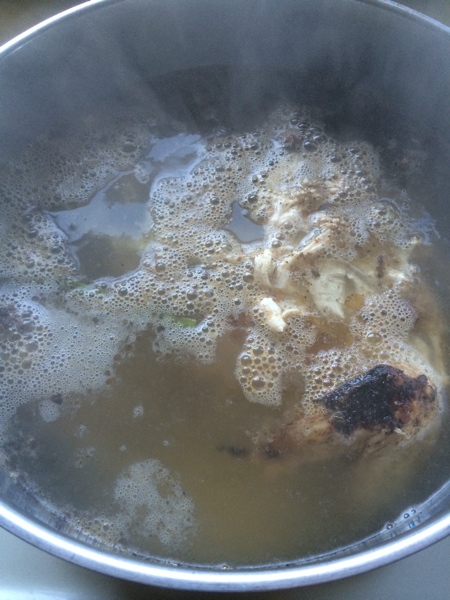
Everything goes into a stock pot over high heat with enough water to cover well, about 3/4 gallon. As soon as things start to simmer, reduce heat to just maintain that, and let it go for at least 2 hours and up to 4. As you lose water to cooking, gradually add more. Ideally, you want to end up with about 8-10 cups of lightly colored and flavored stock. That is rather light as stock goes, but we’re making a robust stew that will pack its own flavors; this is just the canvas…

Remove from heat, discard all the big chunks by straining through a colander. Chill the rough stock in a large bowl in the freezer until most of the fat has risen to the top. Skim that off, then clarify the stock once or twice by running it through a chinoise or strainer.

Return stock to a stock pot over medium heat.

For the stew,
2 Carrots
2 stalks Celery
3 Red Potatoes
1 Tomato
1 Lemon
2 cloves Garlic
1/4 sweet Onion
2 sprigs Cilantro
Extra virgin Olive Oil
White Wine
Black Pepper
Smoked Salt

Rinse and trim all veggies. Cut carrots, celery, potatoes, tomato, onion and cilantro to a fairly uniform rough dice, about 1/2″ pieces. Mince the garlic and cilantro and toss everybody but those into the stew pot.

Heat a tablespoon of extra virgin olive oil in a sauté pan over medium high heat. Toss in onion and sauté until it starts to go translucent. Add garlic and sauté about another minute. Add a splash of white wine and continue sautéing until the raw alcohol is burned off. Toss all that into the stew pot. This step, done with strong aromatic veggies like onion and garlic, adds a nice richness to a soup or stew, and helps tame the raw heat they can pack.

For the chicken, you can smoke it over your grill, barbecue or smoker with a bit of smoking wood, pellets, what have you, or you can cheat like I did. If you’re a regular here, you know how much I love Butcher & Packers hickory smoke powder. As advertised, it gives a pure taste of hickory smoke and nothing else. I’ve fooled Texas BBQ snobs with this stuff. Saves a bunch of time and sacrifices nada in the process; try it. They also make chipotle powder, and powdered mesquite, which are equally fabulous. 

Dirty Rotten Cheater’s Smoked Chicken,

2 Cups Chicken Breast
1/2 Cup Whole Grain White Flour
1-2 teaspoons Smoke Powder
1/2 teaspoon Smoked Salt
1/2 Teaspoon ground black Pepper
2 Tablespoons vegetable oil

Cut chicken into roughly 3/4″ dice.

Add 2 tablespoons of oil to a large sauté pan over medium high heat.

Combine flour, smoke powder, salt and pepper in a paper bag, (amount of smoke is up to you). Add the chicken and shake until all the chicken is thoroughly coated. Remove the chicken and tap/shake off excess dredge.

Add chicken to pan and allow it to cook long enough to sear well on all sides. You want to develop a genuine, caramelized crust, so don’t play with it too much or turn it too often. Keep a close eye on it so it doesn’t burn.

Once the chicken is well seared, transfer it to the stew pot and stir it in well. Turn heat down until you’re at a nice low and slow temperature, with no signs of simmering.

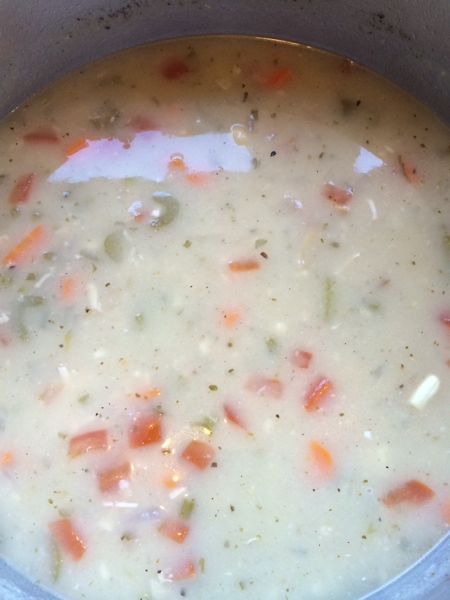
Let the stew cook for at least two hours. Slice the lemon into quarters. Add the juice from half to the stew, reserve the others for service. Adjust seasoning with smoked salt and pepper. Stir regularly, taking care to make sure stuff isn’t sticking to the bottom. The regular stir helps release the dredge from the chicken and combine it with fats, which is what is going to thicken your stew. If you like things thicker yet, microwave an extra Yukon potato, mash it with a tablespoon of butter, and stir that into the stew as well.

Serve with crema, sliced lemon, our jalapeño-cheddar cornbread, and a nice, cold Negro Modelo.

Serious Frites


If you’ve never experienced a genuine French Fry, or their cousin, le frite Belge, then you’re missing out on one of life’s great pleasures. This is the pinnacle of frydom. What makes them so special? They’re cooked twice. That’s it; nothing fancy, but that’s the secret, the trick that makes all the difference. An initial blanching cooks them through, creating that creamy inside fry lovers love. The subsequent fry brings the other half of the golden equation into play, super crisp outsides. While it may sound fussy and time consuming, it’s really not. You can do the prep well ahead of meal time and wait until right before service to cook them if you like.

Besides, if you’re going to go to the trouble of making fries at home, you need to do it right. As one of my favorite Chefs, Anthony Bourdain so eloquently puts it, “There’s no half-assed way to make a French fry.”

Ideally, to do this right you’ll want a deep fryer. If you don’t have one, no biggy; you’ll just need a heavy soup or stock pot, a mesh basket or slotted spoon made of steel, and a decent candy or frying thermometer.

Now, there’s obvious consideration for the type of spuds used. Big old Russets are best, but you can sure do this with Yukon Golds if you like the flavor better; waxy spuds like reds just aren’t that great for fries. Take note that the age of your spuds matters as well. You want older rather than younger spuds, because the older ones have fully developed starch content and better moisture balance for deep frying.

Next question; does size matter in a fry? The answer is yes, it does. You can vary from steak fry to fast food skinny as you see fit, and anything in between falls into acceptable range. Where you want to be kind of depends on the ratio you like in your fries. If you’re a crispy fan, skinny is better; if you relish the creamy insides more, make ’em bigger. The real key is to make your fries pretty darn uniform, so that they’ll fry evenly. You don’t have to get silly about this, just pay attention some when you’re cutting. If you like things really uniform, keep your eyes out at garage sales and second hand stores for one of those nice, heavy fry cutters. They’re out there, and if they’re mechanically sound, they’re a joy to use.

Next, what oil? Peanut gets the nod quite a bit and makes a tasty fry indeed, but it’s not the healthiest option out there. For my mind, if you make fries infrequently, you can splurge, have peanut oil, (or lard, or duck fat, both of which make amazing fries), and feel no guilt. If it worries you, choose a lighter vegetable oil.

And finally before we get to the recipe, a serious note on safety. Grease fires are no joke; they happen, they’re incredibly dangerous and you don’t need to go there. Keep a constant eye on the temp while frying and never go out of the safe temp zone, (There’s no need to ever fry anything over 400° F, frankly. Keep a tight fitting lid for the pot or pan your using close at hand, and if you don’t already, (which you bloody well aughta), have a fire extinguisher in your kitchen. NEVER EVER THROW WATER ON A GREASE FIRE, EVER, PERIOD! If you get a fire, cover the pot, turn off the heat, step away from the stove, grab a phone and get ready to call 911 if things don’t calm down right away.

Alright, let’s boogie.
Go with a spud per person when planning your shopping.

4 Potatoes, Russet or Yukon Gold
Sea Salt
3 to 4 cups Oil for frying

You can leave skins on if you like, but generally, you’ll get better, more evenly cooked results without them, and the nutritional benefits derived from the skins are pretty much moot when fried, so go ahead and peel your spuds.

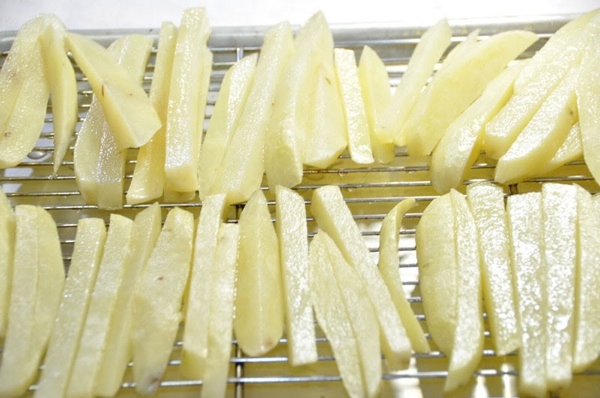
Cut your spuds into roughly 1/2″ square by 3″ fries; again, go skinnier if you like crispy, bigger if you like creamier.

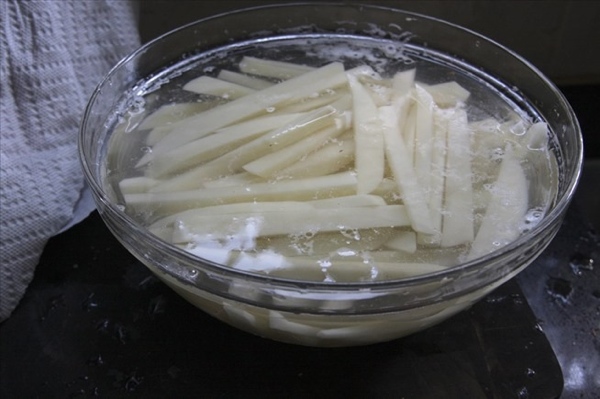
Fill a large bowl with ice water. Toss the spuds into the bowl as soon as they’re cut; this will keep them from oxidizing and turning nasty colors, as well as helping remove excess starch. Leave your spuds in the ice water for at least 30 minutes, or in fridge cold water for as long as overnight.

When your soak time has elapsed, rinse the spuds well in cold, running water to remove that starch.

Now it’s time for the blanching. If you’re not familiar with the term, it means to plunge food into, (most often), water, and in this case, oil, for a brief time, in order to do anything from softening it, to partially or fully cooking it. Sometimes blanching is done to tame strong flavor notes, as with game or onions. Nuts and fruit can be blanched to make the skins softer and easier to remove, (hazelnuts, almonds, peaches and plums, for example). Blanching is often used in restaurants to pre-cook veggies, thereby making them faster to prepare at service, and to help keep their colors nice and bright. It’s a great technique to learn and use at home. When used for these other purposes, the food is just plunged into boiling water for 30 seconds to a minute, then immediately plunged into an ice bath, (50% each ice and water), to quickly stop the cooking process.

Use enough oil in your deep fryer or pot to reach roughly halfway up the sides of the pan; never fill higher than about two-thirds, for safety’s sake.

Preheat your oil to 280˚F.

Once the oil is up to temp, cook the potatoes in one potato batches until they are soft and their color has turned to semi-translucent white. Don’t get antsy and yank ’em before you see the color change occur; this is gonna take about 7 minutes, give or take. The smaller batches make things more manageable and keep your oil from cooling too much, which leads to soggy frites. Use a slotted spoon or skimmer to carefully pull the fries out of the oil and then set them out in a single layer on a baking sheet.

Let the fries rest for 15 to 30 minutes.

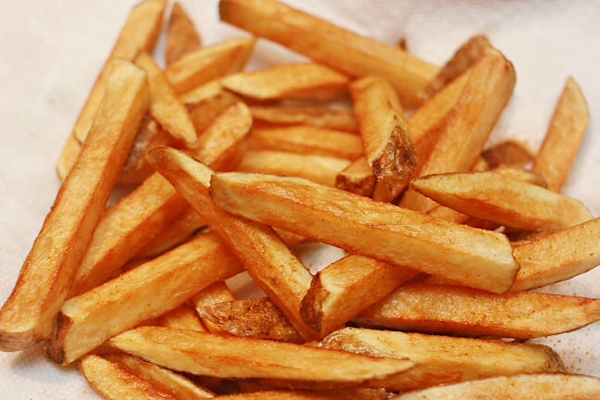
Raise the oil temp to 375˚F. That is right where you want it, and you want it to stay right there through cooking; this is critical for perfect Frittes. Fry the blanched potatoes in one potato batches for about 3 minutes, until they are crisp and golden brown.

Pull the fries out and shake off any excess oil.

Immediately drop your fries into a large steel or glass mixing bowl, lined with a clean, dry kitchen towel or paper towels.

Season with sea salt to taste.

Pull the towels and give the fries a good toss around the bowl to evenly disperse the salt.

Serve while they are nice and hot, never make ’em wait, never rest them; doing so leads to soft, soggy fries.