It’s Grill Cleaning Time!


Little Darlin’s, it’s been a long, cold lonely winter; fact is, here in the middle of April, I’m still seeing snow pics from friends in the Midwest and Canada. Well, have faith, gang, the sun is coming and with it, grilling, barbecuing and smoking season, so let’s get ready for it. Whether you use a simple pot grill like a Webber or a thousand dollar, high end gas rig, they all need TLC before the season commences.

Deep Cleaning
Chances are your equipment’s been more or less inactive all winter; you didn’t clean any of it before you put it into hibernation, right? Then it’s cleaning time, first and foremost. Here’s what you need to do.

Remove the grill grates and, if you’ve got a gas rig, disconnect the fuel from the grill, remove the flame deflectors and burners from the grill body.

First thing, remove all old briquettes, burned whatever, and scrape as much grease and char off as you can by hand.

For the deep cleaning, you’ll need a grill brush, a heavy duty sponge, a scrubby pad and steel wool, a bucket of hot, soapy water, another of hot, clean water, some rags, and some degreaser. I recommend Simple Green, it’s effective and environmentally sound, which is an attribute we should all be concerned with. Have at the entire grill with the degreaser first, allowing it some working time before you scrub. Move onto the soapy water, then the rinse, until your grill looks as close to new as you can get it. FYI, if you’re a heavy user, a mid-season cleaning won’t hurt. Thoroughly clean every component, including the grates. A seasoned grill is a good thing, but excessive grease and char build up can lead to flaring, burning and off-putting flavors in your food. A clean grill will last far longer than a dirty one as well.

Kick the Tires & Light the Fires
Now give your grill a point by point, detailed inspection of every component. Check grill and charcoal grates for rust, rot or missing and chipped porcelain. After they’re clean, dry, and inspected, you’ll re-season them. Check your framework and lid to make sure they’re all sound and there are no nuts, blots, struts, wheels missing or damaged. If you use a gas grill, check your tank, valve, line, regulator, burners and flame deflectors to make sure they’re clean and sound. Don’t screw around with gas parts; if they’re rotted or badly rusted, replace them. At the least, your grill will cook poorly; at worst, you could have a genuine explosion or fire hazard brewing. If you need parts, Home Depot carries quite a few, and of course there’s probably a local supplier not to far from most of us.

When you’re ready to rock, season your grates prior to first use. Soak some paper towels with cooking oil and thoroughly rub all surfaces of the grates. Turn on the gas or light a small charcoal fire and heat the grill to high with the cover open until the oil burns off, the. Turn the heat down to low and let the grill work for about fifteen minutes or, (or until your charcoal expires). Let the grill cool down, then wipe the grates down and reapply a thin coating of fresh oil; those last steps are always a good idea after grilling, to prepare for your next session and extend the life of the grates by making sure rust doesn’t form.

Flame On!
So now grill is ready to rock and roll but… Got fuel? It’s the first thing we need and the first one we forget on. Friday night when you step out the back door with a platter of steaks. Start by inspecting any charcoal, smoking or seasoning woods and pellets, and gas tanks left over from last season. If any of your briquettes or woods got soaked, you’re OK if they retained their shape and what soaked them was just water. Set affected fuel out to dry and repackage as needed after they’re ready to go. If the soaking is due to inadequate storage, now is the time to correct that issue; establish nice, secure dry storage and maintain it; a nice airtight plastic bin is perfect for the job. If you use gas, make sure you’ve got fresh stuff handy; consider acquiring a second tank so you never run out when the cooking counts.
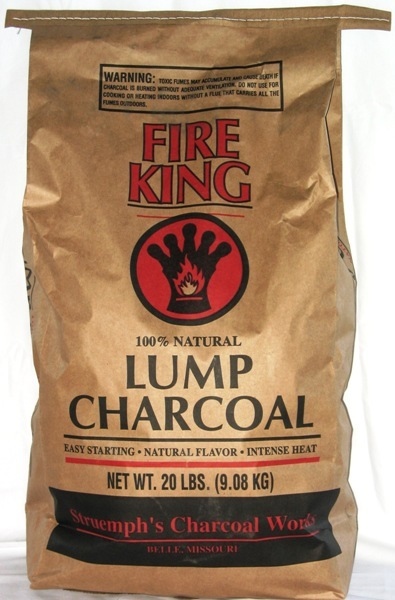
While we’re on the subject of charcoal, it’s my advice that you avoid instant light products and charcoal lighter fluid like the plague. It’s bad enough that the stuff contains things you don’t want to feed your family, and even worse that they absolutely ruin the flavor of good food. Get yourself a lighting chimney that works off scrap paper and use that; it’s just as fast, far cheaper, and makes better food. And by the way, charcoal quality does count. Crappy generic charcoal is the equivalent of mystery meat hot dogs; you’ve got no idea what’s in there and it’s likely none of it is good. High quality lump charcoal heats better, longer and more consistently, and that too means better food.

Think Grilling:
When you go shopping and buy stuff in bulk, take the time to break it down to typical meal sizes for your family, and freeze or store some in that form; this’ll make things that much faster when you feel like grilling or make spontaneous meal plans.
The basics are great, but think about stuff you haven’t tried when you’re ready to grill; veggies, even romaine lettuce is great with a light grill to it, as are fruit like pineapple, peaches or pears for a desert, lemons to accent a grilled protein, or limes for guacamole. Try a savory note like olive oil or Rosemary for a great savory counterpoint to the fruit.
And speaking of that, give this smoked guacamole recipe a try.

Shack Fish


Take your pick! If you’re in a part of the country that is enjoying the Polar Vortex, you just might be crazy enough to consider braving the elements and doing some serious ice fishing, yeah? If so, you owe it yourself to enjoy the bounty ASAP, right? I’m sure; there’s plenty of room for a Coleman stove and a frying pan there…

The best fish I’ve ever had hands down is an even split between Silver Salmon on the beach and Kokanee Trout at shoreside, both within an hour of being pulled from the water. Here are a couple great recipes to enjoy your latest catch.


Fried with Housemade Tartar Sauce

Prep these components the day before; everything will fit into a small bag or box for transport.

For the Dredge:
1 Cup Flour
1 teaspoon ground Pepper
1/2 teaspoon Sea Salt
1/4 teaspoon Cayenne Pepper

Canola oil for frying.

Combine the flour, pepper, salt and cayenne in a ziplock gallon bag.

Housemade Tartar Sauce
1 cup Mayonnaise
1 Tablespoon sweet pickle Relish
1 Tablespoon minced sweet Onion
1 Tablespoon fresh squeezed Lemon Juice
Sea Salt & fresh ground Pepper to taste

In a small bowl, mix together mayonnaise, sweet pickle relish, and minced onion. Stir in lemon juice. Season to taste with salt and pepper. Refrigerate for at least 1 hour and up to overnight before serving.

When you’re ready to rock and roll, fillet your fish, then drag the fillets through the dredge.

Tap off excess dredge on side of bag.

Fry for until golden brown. Rule of thumb is 10 minutes per inch of thickness, so 1/2″ fillets should be done in about 4-5 minutes with one flip for even browning.

Serve with a nice local India Pale Ale; it’ll compliment the rich fish perfectly.


Garlic-Lime-Dill

Prepare and store in a ziplock or tupperware container;
2 tablespoons unsalted Butter
1 Tablespoon extra virgin Olive Oil
2 cloves of Garlic, minced,
Juice and zest from 2 Limes
1/2 teaspoon Dill

When you’re ready to rock, fillet your fish.

Melt 2 tablespoons butter in your frying pan over medium heat.

Add the garlic and sauté for about a minute.

Add lime juice and dill, blend thoroughly, remove from heat.

Add the olive oil to pan and heat through.

Sauté fish for 10 minutes per inch of thickness, until flesh turns white and flaky. Unless your fillets are really thick, you don’t need a turn.

Spoon sauce unto fillets, serve with fresh French bread and a nice Pinot Grigio, which will cut the richness of the fish and clean your pallet for every amazing bite.

Enjoy!

Duck Fat!


Duck Fat! Duck fat? Really?!

Yeah, really. Now, I know what a lot of folks are thinking, so let’s get to the root first and foremost. “Duck fat (Or butter, or Lard, etc), isn’t good for you at all.” You’ve all heard this, right? The answer is more than a post unto itself, more like a book; thankfully, somebody already wrote it: Go find Gary Taubes’ ‘Good Calories, Bad Calories’ and read it. Check that out if you doubt me. Fact is, the whole saturated fat thing is likely the most pervasive nutritional myth there is. My summary is as follows – our fore bearers, and a lot of the world right now, still eat natural fats regularly and they ain’t dying in droves. As Kid Rock said, “All things in moderation, including moderation.”

So, back to duck fat – if you hunt ‘me, you got it, just like you got lard if you eat bacon. Don’t ignore either one, use them, enjoy them, revel in all that is real natural fat! There is literally nothing else out there that will impart such a gorgeous golden color and sumptuous taste.

Consider this;

Use duck fat like any other cooking fat; sauté anything and you’ll get the idea right away.

Potatoes fried in it are unbelievable; once you’ve tried it, you’ll know why…

Sub a couple tablespoons of duck fat for your regularly chosen one in a pie crust, especially for savory things like quiche.

Next time you roast a chicken, rub the skin with duck fat instead of butter; you can thank me later…

Duck fat will keep for a long, long time in the refrigerator, but you can also freeze it.

If you don’t hunt ducks and want in on this, just google duck fat; you’ll find plenty of sources to buy it, some probably right in your own town or nearby. It’ll keep just fine in the fridge, and it freezes well to boot. It’s another great candidate to freeze in a nice cube tray; just pop one out when you need that special touch and viola, you’re good to go!

Vas-y!

Shroomin’


Okey dokey, let’s get this outta the way right off the bat; yes, some folks of a certain age, often those raised in the ’60s, (AKA Me and M), may well have some, ahhh… knowledge of certain kinds of mushrooms… Yes, those mushrooms, the psychotropic variety: There, I’ve said it…

I josh about magic mushrooms, sorta but sorta not; fact is, several varieties of psychoactive mushrooms are very closely related to deadly ones. Amanita Muscaria is arguably the most famous of the ‘magic’ mushrooms, lauded in song and story; it’s also closely related to Amanita Phalloids, the Death Cap, and they even kinda look alike: One gets you stoned, the other kills you…

Pretty dark start to a piece about edible mushrooms, huh? Is all this scary talk necessary?

In a word, yup; at a casual glance, the green-spored Lepiota, (Chlorophyllum molybdites), looks damn near identical to the white button mushrooms you see in stores and reportedly tastes pretty good; eating one will earn you a trip to the ER at best.

So, how does one try new mushrooms safely?

Before we answer that, let’s clarify one other important point: If your only exposure to mushrooms has been the bland, boring White Button variety or the dinner plate sized Portobello’s sold in most groceries, no one can blame you for not liking mushrooms. What we’ll explore a bit here are the real McCoy, great local, wild ‘shrooms well worth your time and energy and kitchen.

If you’re not excited about hunting them yourself, go to your local farmers market, co-op, or organic grocery and find you some. Get to know the seasons for the varieties you like, and shop when they’re available. Anything you buy here is as safe as anything else they sell, so shop with confidence. Wild mushrooms have a relatively short shelf life, so you want to buy product that is no more than a day or two old at most; ask before you buy and plan meals accordingly. Gently rinse and immediately pat mushrooms dry; soaking and/or leaving them wet will cause them to deteriorate faster. Store ‘shrooms inside a paper bag in your veggie or crisper drawer; they’ll appreciate the cold, dry conditions.

If you’d like to preserve them longer than that, they can be dried or frozen successfully.

If you’re drying, you’ll really want a decent dehydrator for the job. If you don’t have one, then slice your ‘shrooms to about 1/4″ thick and place them in your oven on the lowest temp you have, in a single layer on a cookie sheet until thoroughly dried. Reconstitute dried mushrooms in water for use and don’t toss out the water; it’ll make an excellent adjunct to soup, stew, and sauces.

You can freeze mushrooms fresh and whole, or parboiled if you prefer. To parboil, submerge them for a minute or two in water at a rolling boil, then shock them in an ice bath, (50% ice, 50% water), pat dry with paper towels, and allow to dry fully on a rack.

Whether you choose to dry or freeze, place your bounty in airtight containers.

If you’re interested in hunting the elusive local mushroom, Google Your Town and Mycological or Mushroom Club/Society and I’ll bet you’ll find one. Get in touch and I’ll guarantee you they have some sort of program for rookies. Join, learn and gain a lifelong passion.

Just in case your area doesn’t cover all the bases of learning to forage, then please read and abide by all these points.

1. The Golden Rule of Mushroom Hunting: If you’re not 100% positive of the identification of what you have, do not eat it, period, end of story.

2. Do not believe any of the tall tales about identifying poisonous mushrooms; they ain’t gonna tarnish a silver spoon or turn blue when ya bruise ’em, and it matters not at all that other forest critters will or won’t eat of them. The only way to be safe is to be 100% certain of your identification.

3. A quality, well-recognized Field Guide is a necessity. They’re an excellent resource that will cover most, (And sometimes all), of the attributes necessary for positive identification, but shared experience with other knowledgeable folk is absolutely necessary to learning safe hunting practices.

4. Always keep what you find separated by variety; poisonous mushrooms can and will contaminate safe ones.

5. Don’t ever collect from less than desirable surroundings; close to civilization means a much greater likelihood for the presence of pollutants, insecticides, and weedicides, which are certainly not what you want your ‘shrooms seasoned with. Even parks and golf courses should be out of bounds, frankly.

6. Get to know the species you’re interested in from A to Z; some popular eating varieties will change widely in appearance from youth through maturity.

As I hope you’ve gathered, while buying and eating wild mushrooms is a snap, gaining the knowledge needed to safely forage on one’s own takes some dedication, time, and energy.

Just so ya know, it is well worth the effort; there’s a reasonable, delicious handful of wild varieties that are easy to spot and hard to screw up the identification of; with any luck, one of them will be a favorite for you.

Now, before we go, perhaps a recipe? Simple, literally. Unlike those nasty store varieties, these babies really do have flavor and texture. In a sauté pan over medium heat, add a little good quality extra virgin olive oil and bring it to temperature. Toss in your mushrooms, add sea salt and fresh cracked black pepper to taste, then sauté until heated through. Rub a few pieces of fresh baguette with a clove of fresh, peeled garlic and crack a nice bottle of wine. Enjoy; it’s all you’ll need.