Pommes Anna


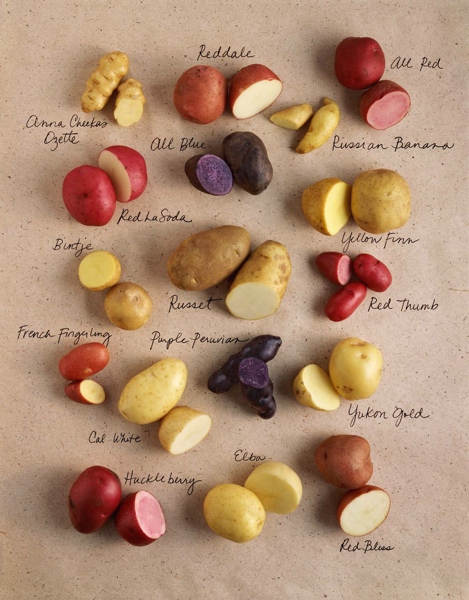
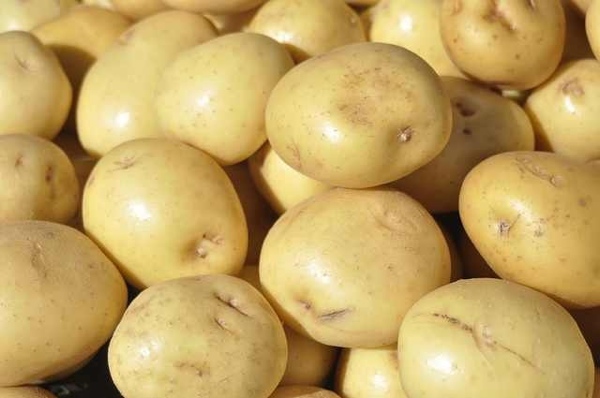
I love potatoes, and you should too. This fancy sounding dish is actually simple as simple can be, the sign of a truly wonderful, timeless dish. Great with breakfast, brunch or dinner, the minimalist approach lets the flavor of the spuds shine. Yukon Golds are perfect for Anna; they crisp up beautifully and have that to die for creamy center we all love.


In our take on this recipe, we use Sel de mer for a truly French salt flavor note, and grains of paradise for pepper influence at its most elegant level. The cast iron adds a certain je ne sais quoi to the flavor as well.

Trust us, do it just like this, and then you can try your own variants. Don’t add anything else to Anna, just vary the kinds of salt and pepper used; you’ll be pleasantly surprised at the notable differences in each.

Build this recipe in the exact order I’ve shown here; you really need to minimize the time the potatoes go from sliced, to ice water, to oven in order to allow them to maintain their flavors without oxidizing.

6-8 Yukon Gold Potatoes
4 Ounces fresh, unsalted Butter
1 teaspoon Sel de Mer
Fresh ground Grains of Paradise

Rinse and peel the potatoes. Using a food processor fitted with the slicing blade or a mandoline, slice them very thin, (About 1/8″is perfect), transferring them as they are sliced to a large bowl of ice cold water.

Melt butter in a small sauce pan and remove from heat.

Preheat oven to 425° F.

Drain the slices and pat them dry between paper towels.

Generously brush the bottom and side of a 9″ or 10″ cast iron skillet with half a tablespoon of the butter, using a basting brush.

Arrange the slices in layers, overlapping each slice slightly; brush each layer with butter, a sprinkle of sea salt and a few twists of grains of paradise.

Cover the layered potato slices with parchment and gently but firmly press down on the assembled potato cake.

Bake on the middle rack for 30 minutes.

Remove the parchment and continue baking for another 25 to 30 minutes, until the slices are tender and golden brown.

Remove from oven and turn the Anna onto a cutting board and cut it into 4 to 8 wedges.

Serve with crème fraîche and freshly made scrambled eggs for a real treat.

Champagne Mangoes Three Ways


You might have been perusing the produce aisle recently and seen a fruit called a Champagne Mango. They’re somewhat new to many parts of the US, but they ain’t new in the Big Picture view. The Champagne, also known as an Ataúlfo, (and young, baby, yellow, honey, or adolpho), is a well established Mexican cultivar. Champagnes are gorgeous; big, heavy, golden-yellow beauties that are somewhat pear shaped. They’re thin skinned, with deep yellow, rich flesh and a very skinny pit. They’re quite high in sugar, with a tangy-sweet flavor, rich in vitamin C and dietary fiber.

Down in the Mexican state of Chiapas, when Ataúlfo Morales bought Some land back in 1950, there were already bearing mango trees on the property. Around eight years later, a researcher from the Mexican Commission of Pomology heard of Señor Morales’ mangoes and came to have a look. He went off with samples and stock which he named Ataúlfo, in honor of the property owner, and the rest is history.

If you like mangoes, (and even if you don’t), you owe it yourself to try these beauties. While they’re a real treat to peel and eat straight away, here are three of our favorite things to do with them.

Fruit Curds go back quite a ways in history. Technically, since they include eggs, butter, and require preparation like an emulsion, they’re probably more of a custard than a preserve, I guess. The 1844 edition of The Lady’s Own Cookery Book included a primitive version of a lemon curd;, using lemons to acidify cream, then separating the lemony curds from the whey. Further back yet you’ll find recipes for ‘lemon cheese’, used to make what was called a lemon cheese cake, but reads like what we’d call a lemon tart these days. Our version of Mango Curd is stunningly good, if we do say so ourselves…

2 ripe Mangoes
3 large Eggs
6 Tablespoons unsalted Butter
1/2 Cup Agave Nectar or Honey
1 fresh small Lemon
1 fresh small Lime
Pinch of Sea Salt

Rinse, Peel and roughly chop the mangoes; you’ll want to kind of shave the meat away from the skinny pit.

Purée the mango chunks with a stick blender or food processor. You want to end up with about 1 cup of purée.
Set that aside.

Rinse, zest and juice the lemon and lime, then set juice and zest aside.

Cut very cold butter into about 1/2″ cubes.

Crack eggs into a mixing bowl and whisk lightly.

For cooking the blend, a double boiler is best. If you don’t have one, work with a bowl or pan that will fit comfortably inside a larger one. Fill your double boiler bottom or pan about 2/3 full of water and heat over medium flame. You want the water steaming, but not simmering when you’re ready to cook.

Combine the eggs, lemon and lime zest, citrus juice, the agave nectar or honey, and a pinch of salt. Whisk the mixture until fully incorporated and evenly colored, about 2 to 3 minutes.

Add the mango purée to the blend and whisk for about a minute to fully incorporate.

Put your bowl with the blended ingredients over your pan filled with hot water, (Or double boiler). Allow the mixture to heat, stirring gently but continuously, for about 3 minutes. Start adding the butter in small batches of 6 to 8 cubes, whisking steadily and allowing each batch to melt and incorporate before adding the next.

Again, a curd is an emulsion, so the butter, (fat), needs time and gentle whisking to properly marry with the egg and fruit blend.

When all the butter is melted, continue whisking gently and steadily until the curd begins to thicken noticeably, about another 2 to 3 minutes.

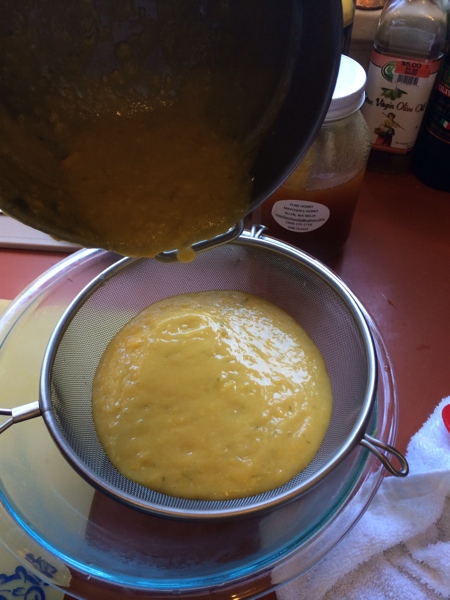
Remove the curd from the heat. Transfer the curd to a fine mesh strainer over a glass or steel bowl and use a spatula to gently strain the curd through the strainer. You’ll end up with some zest and fiber that doesn’t make it through.

Refrigerate in a glass jar or airtight container for at least four hours. The curd will keep for about a week refrigerated, but I’ll bet it won’t last anything close to that long…

A small dish of this lovely stuff is a remarkably delicious desert, or an excellent palate cleanser after a heavy course in a fancy meal. Try it on freshly made shortbread with strawberries for a real treat.

NOTE: You may substitute coconut oil for butter for a dairy free variation.


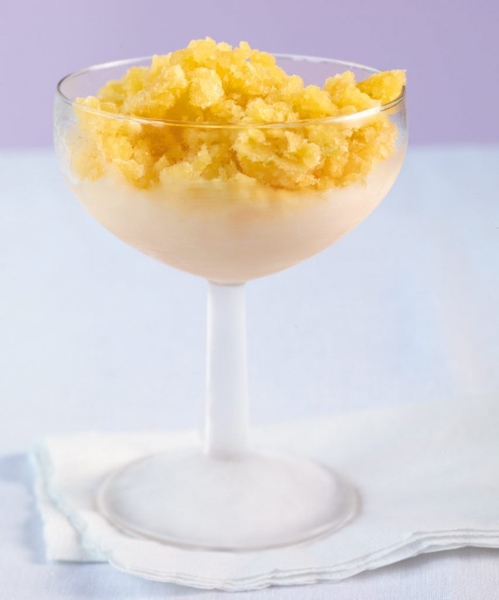
Granitas are the pure essence of fruit and natural sweeteners. With no diary on board, they’re actually not at all bad for you either. This version was the best we’ve made, of any fruit.

2 ripe Champagne Mangoes
2 Cups Water
1 fresh small Lemon
1 fresh small Lime
3/4 cup Agave Nectar or Honey

Rinse, peel and rough chop the mango flesh.

Rinse, zest, and juice the lemon and lime.

In a food processor or blender, purée the mango until smooth and uniform, about 1 to 2 minutes, stopping to scrape down the sides with a rubber spatula as needed.

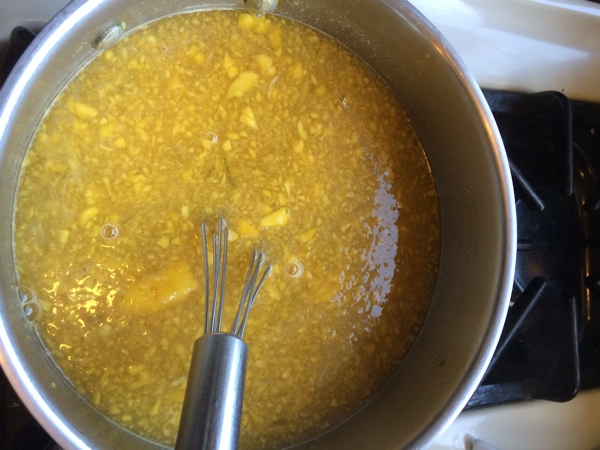
Add the water and honey or agave to a sauce pan over medium heat. Thoroughly melt the sweetener, then add the purée, zest, lemon and lime juice, and stir to incorporate.

Add the puréed mango and stir steadily and gently until the blend starts to simmer. When the whole blend is evenly mango colored and starts to thicken slightly, remove it from the heat; the whole heating process will take around 3 to 5 minutes.


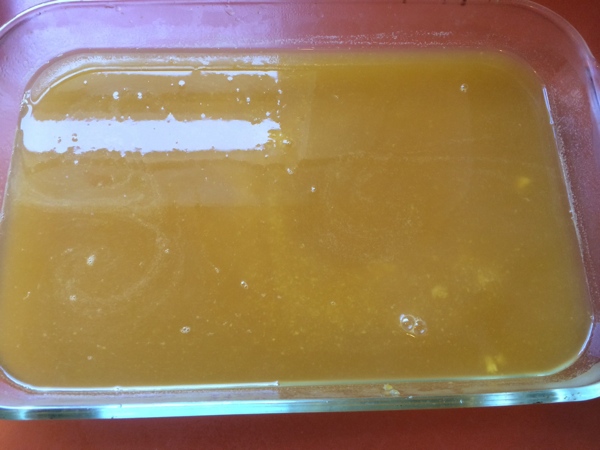
Remove the mixture from heat and pour the blend through a single layer strainer into a 9-inch-square shallow baking pan. This pan size works best ­because it provides a large surface area, a key point in speeding up the freezing process. To further hasten freezing, use a heavy steel or glass pan.

Put the pan in the freezer and stir about every hour with a large fork, times down like you’re raking the granita. Depending on your freezer temp, it will take around 3 to 5 hours for the granita to freeze completely.

You can eat the granita as soon as it’s frozen through, but the flavor will genuinely develop appreciably if you transfer it to an airtight container and freeze it over­night.

When you’re ready to serve the granita, just scape up the shaved ice and fill a chilled margarita glass, band top with a mint sprig.


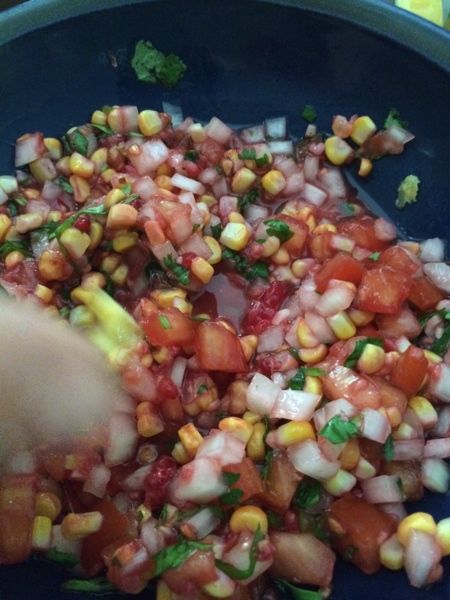
Mango salsa is a real treat; the counterpoint of sweet and heat is great with fish, poultry, and pork. Try it on freshly scrambled eggs too.

1 Champagne Mango
2 ripe Roma Tomatoes
1/2 Red Onion
1-3 Jalapeño Chiles
2-4 sprigs fresh Cilantro
1 small Lemon
1 small Lime
Pinch of Sea Salt

Rinse all fruits and veggies. Peel and dice mango. Core, seed and dice the tomatoes. Dice the onion. Chiffonade the cilantro. Juice the citrus.

Combined all ingredients in a non-reactive bowl. Cover and chill for at least 30 minutes, (and as long as overnight – The flavors just get better.)

Stuff Them Peppers!


I love peppers, and I love chiles. Notice I separate chiles and peppers? Lots of us do, even though that’s technically incorrect; sweet peppers are the same genus and species, (Capsicum Annuum), as the hot peppers referred to as chiles.

When it comes to cooking, I most often use chiles for heat and the fruity, earthy flavors they provide. Sweet peppers to me are for salads and stir-fries, soups and breakfasts, (I love them with eggs), and especially for stuffing. Sweet peppers certainly do have flavor, even if it’s a relatively minor note compared to the knockout punch of a hot chile.

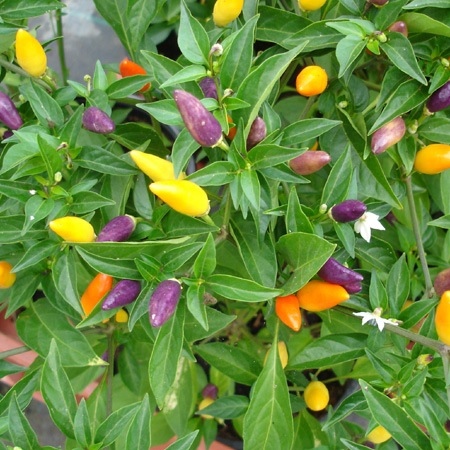
Just as hot chiles have expanded in variety over the last couple of decades, so have the sweets. If you’re my age or older, then you probably remember back when you might find green bell peppers in the grocery and nothing else like it, (and their flavor was, uh, shall we say, lacking… ) Now you can find sweet bells in green, red, orange, purple, yellow, and even brown and white, as well as some great non-bell sweet types. My favorite options lately are the bags of small, sweet peppers we’re seeing quite often in stores. They’re perfect for salads, salsas, roasting and even stuffing.
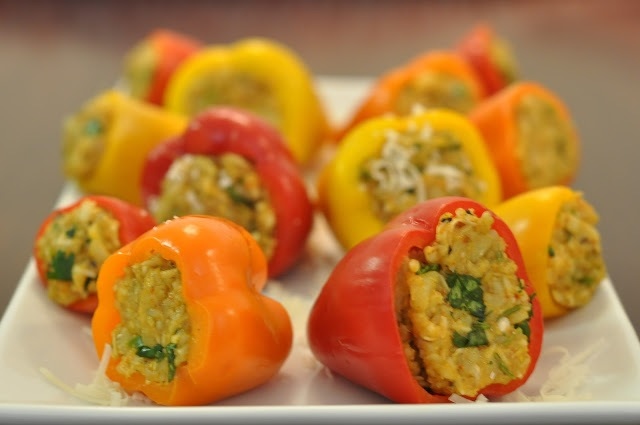
Sweet peppers are not only tasty, they’re good for you. In addition to containing notable amounts of Vitamins C and E, they pack abundant carotenoids, including alpha-carotene, beta-carotene, lycopene, lutein, cryptoxanthin and zeaxanthin, (Trust me, those are all good things).

Here’s a little primer on what’s out there these days, both for shopping and growing.

Green Bells.
These are the peppers so many of us grew up with. They too have grown up, and there’s a bunch of varieties out there to grow and enjoy. From the store, they have a slightly bitter, grassy flavor that goes great in salads, or as part of an aromatic base for sauces, stews and soups.

Purple & Chocolate Bells.
The least sweet of the bells other than green. They’re great raw in salads and probably are best left to raw uses, as that pretty purple hue turns to mud real quick when they’re cooked. They also tend to be wildly expensive, so if you love them, grow them.

Yellow & White Bells.
Mildest flavor of the bells. You may see whites as either a Bell variant, or referred to as a Hungarian Stuffing Pepper, (note that the white bells are often silly expensive…). Lightly sweet, with a nice hint of the grassy notes greens are prized for. These are great as part of an aromatic base, and for stuffing and roasting.

Orange Bells.
A bit less sweet and slightly more tangy than a red, orange bells are great raw in salads or roasted and stuffed.

Red Bells.
Far and away the most popular sweet peppers. Reds are genuinely sweet and fruity in flavor, and are fabulous in salads, with rice, or roasted.

Mild Hatch or Anaheims.
If a New Mexican chile lover reads that heading, I’m gonna get roasted…. Fact is, these long green and red chiles do come in mild form, but again, you need to take care when cooking with them, because hot ones can sneak in there. They’re wonderful for roasting, stuffing, salsa, and especially green sauces.
Red Pimento:
Sweet, yes, but some of these can be as much heat as sweet, so ask and try before you buy! Pimentos have an intense flavor base that holds up beautifully to roasting and preserving, (pickled peppers). They also are fabulous in aromatic bases, given their depth of flavor.

Sweet cherries.
While called sweet, these little round guys can also pack a bit of fire in them, so if you’re not a lover of such, taste before you cook! They have a dense sweetness that is perfect for roasting, salsa, and other Mexican sauces.

Sweet Cubanelles.
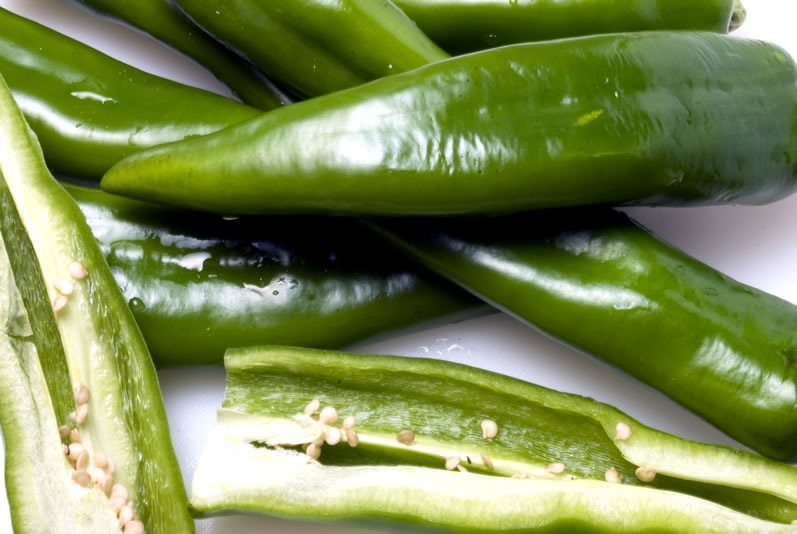
These long, slender chiles look a bit like a Serrano or an Anaheim, but are a notable lighter pale green color, (If you’re growing them, they will turn red if allowed to mature on the plant.) Cubanelles have a light, grassy sweetness that is great for roasting and stuffing.

Sweet Banana.

Same warning as the other non-bell varieties; there are hot bananas as well, so be careful, and test before you eat. They have a nice veggie flavor with a hint of heat, which makes them great for stuffing.

Notice how many of those guys up there I noted were great for stuffing? All the glory a sweet pepper has to offer comes out when you stuff ’em with wonderful things. Doing so and then slow roasting deepens the sweetness and intensifies minor flavor notes. And don’t make the mistake of thinking that this only works at home; you can slow roast on coals with aluminum foil, a Dutch oven, or a cast iron skillet. The sky is the limit on what you stuff with, but here’s a couple of my favorites to get the creative juices flowing.

1 Pound ground protein, (Beef, Chicken, Pork, Ground Turkey, Tofu, Cheese, or any combination thereof)
1/2 Cup Wild Rice
1 Cup Water
6 Sweet Peppers, (Bells, more if you’re using Cubanelles, Anaheims, etc)
2 large Tomatoes
1/2 Sweet Onion
1-2 cloves Garlic
1 Tablespoon extra virgin Olive Oil
1/2 teaspoon Oregano, (Hungarian is my favorite, it’s sweeter and milder than Mexican)
1/2 teaspoon smoked sweet Paprika
Splash of wine for deglazing, (Anything you’re drinking is fine, and if your drinking bourbon, etc, that’s fine too, if you’re willing to spare some…)
Sea Salt and fresh ground Pepper

Place rice and water in a saucepan over high heat and bring to a boil.
Reduce the heat, cover and simmer for 20 minutes.

Cut protein into bite sized chunks.
Lightly salt a large skillet or sauté pan over medium-high heat, and cook the protein until evenly browned.

Set the protein aside and leave the pan as is.

Field strip the peppers and keep the tops if you’re using bells. Arrange the peppers hollow side up on foil, or in a baking dish or Dutch oven. You may need to even out the bottoms a bit if you’re using a pan; thats just fine, but don’t cut through the peppers.

Dice tomatoes and onion, and mince the garlic.
Toss the olive oil into the pan you cooked the protein in. Once it’s heated through, toss in the onion and sauté until they’re starting to get translucent. Add the garlic and sauté for a minute or so, until the raw garlic smell is gone.

Time to deglaze. Splash whatever booze you’re drinking into the pan, (and it’s high proof and you’re cooking over flame, step back so you don’t burn your face off). Get a fork and work all the little bits of this and that loose in the pan; that’s some serious flavor you want in whatever you’re making. Any time you sauté an ingredient and then add that to a dish, deglaze, otherwise, you’re leaving good stuff out.

Add the tomatoes, rice, and protein to your pan and mix well.
Add oregano, paprika, salt and pepper; taste and adjust seasoning.

Remove the pan from heat and spoon the mixture evenly into your peppers, then pop the tops back on the peppers.

Roast in, ideally, 325° F heat for about 45 to 60 minutes, until the peppers are fork tender. If you’re doing this on a campfire, put the pan or foil bundle over low coals and let them work. If you’re on a grill, spread the coals or adjust flame and place your roasting pan on the side of your grate.

Serve with crusty bread, a green salad, and maybe a nice Wollersheim Prairie Sunburst Red. This winery is in Wisconsin and grows all their own stuff. Yes, Wisconsin, and they rock!

If you prefer a stuffed pepper with a little more pop, try our recipe for classic Oaxacan Chiles Rellenos. Trust me, it’ll knock your socks off in a good way!

Ghost Chile Madness


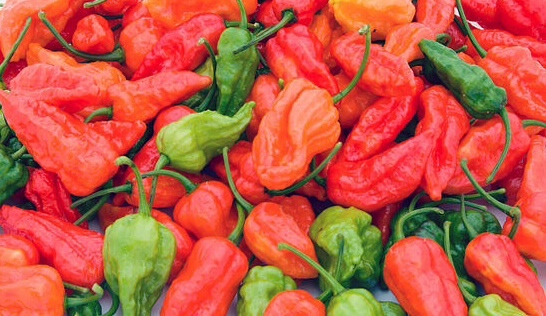
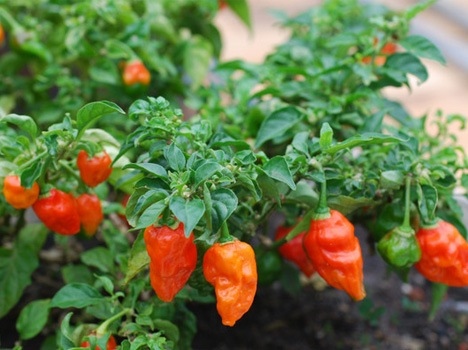
It’s not a disease really; wait, maybe it is… Heat and the pursuit of such in food. Not physical heat, spiritual heat. That brings us to the legendary ghost chile… It’s no longer the top puppy on the Holy Shit Ridiculous heat scale; a new kid in town has displaced it. 

My friend and fellow cook/luthier David Berkowitz brought these to mind today, so let’s have him put them in their proper place on the scale of Capsaisin Pain for you:

“A jalapeño is around 5-10,000 Scoville units ( a measure of heat). A Habanero, 100,000. The Ghost pepper, 855,000 – 1,041,427 Scovilles. Trinidad Scorpion Maruga up to 2,000,000!”

So there you have it, or, as a waiter at a serious Thai restaurant once told me, “The stars for heat aren’t additive, they’re exponential…”

It may not be the hottest, but trust me when I tell you that these aren’t for amateurs. They’re serious shit, indeed. A friend of David’s was graced with a case of these bad boys, and I pitched in on what do with them. That said, these suggestions will work for any hot chile, and if you’ve not done these things, ya aughta.

On top of being ridiculously hot, like the Scotch Bonnet, Ghost chiles are very fruity and fragrant so, with a bit of taming, they’re really nice even for the fainter of heart; brining, marinated or pickling will do the deed for us.

To brine chiles, thoroughly mix 1/2 Cup kosher or sea salt, (NEVER iodized!), with 4 cups water. You can leave the chiles whole or chop off the stem ends. Immerse fully in the brine for 24 hours, (weight with a plate if they want to float). Pour out brine, rinse thoroughly, and you can then pickle, freeze, vacuum pack, or cook them as you see fit.

To pickle, use a ratio of 1.5:2 vinegar to water, and 2 tablespoons of pickling or canning salt per quart of water. You can use white, red, or cider vinegar as you please; white will give a more sour pickle, red and cider a sweeter. If you like sweeter yet, add honey or agave nectar, but never reduce the brine ratio, so that you avoid the potential for spoiling.

For a quart jar, about a tablespoon of spices will do; use stuff like whole peppercorns, coriander, mustard seed, juniper, fennel, cumin, bay leaf, cloves, cinnamon stick – whatever floats your boat.

Bring the blend to a brief boil with whatever spices you like, then allow to cool completely before pouring over the chiles. For spices, you can add fresh or dried directly to the jar.

You can fridge pickle for quick results; just pack chiles in glass jars, cover with brine and refrigerate. Allow at least 48 hours prior to eating. For long term preserving, chiles require pressure canning techniques, which further require specialized equipment and experience; check it out here if you’re interested in learning more.

So, what else to do with a bounty of chiles? Here’re some options for ya.

1. Dry some, both whole and to grind up – just a little shot will add a lovely je ne sais quoi to many things.

2. Smoke some prior to drying as well, for your own version of chipotle.

3. Freeze some whole and raw,

4. Roast and freeze some,

5. Salt ferment some for a ghost chile sauce, Louisiana style,

6. And of course, I’d make sauce for now!

And a note to ALL – WEAR GLOVES AT ALL TIMES WHEN HANDLING THESE BAD BOYS...

Here’s my quick sauce recipe, and again, this’ll work with any chile.

6-8 Ghost Chiles
3-4 Roma Tomatoes
1 Yellow Bell Pepper
1 small sweet Onion
6-8 stalks Cilantro
2-3 cloves Garlic
2 Tablespoons Apple Cider Vinegar
1 Tablespoon Agave Nectar
Pinch of Sea Salt

NOTE: Feel free to roast all these for about 15 minutes in a 275° F oven, for a more intense flavor profile.

Field strip and dice chiles; leave the seeds if you’re sadistic, remove if not – It’ll still be way hot, believe me.

Rough dice all other veggies.

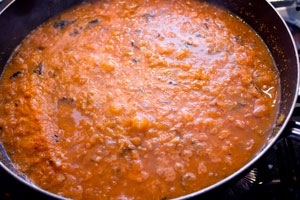
Throw everything into a heavy bottom sauce pan over medium heat. Once the mix starts to simmer, reduce to low and simmer for 15 to 20 minutes, until all veggies are cooked through and soft.

Remove from heat and process with an immersion or standard blender until smooth and uniform in texture.

Store in a glass jar or container. Refrigerated, it’ll last a month, easy.

Combine all ingredients in a medium saucepan and add enough water to cover. Bring to a boil, then reduce heat to low and continue to simmer for 15 to 20 minutes, until all veggies are cooked through and soft.

Remove from heat and process with a stick or regular blender until smooth and uniform in texture.

Store in glass, refrigerated. Will last about a month as such.

Great with chicken and pork, especially.