Serious Frites


If you’ve never experienced a genuine French Fry, or their cousin, le frite Belge, then you’re missing out on one of life’s great pleasures. This is the pinnacle of frydom. What makes them so special? They’re cooked twice. That’s it; nothing fancy, but that’s the secret, the trick that makes all the difference. An initial blanching cooks them through, creating that creamy inside fry lovers love. The subsequent fry brings the other half of the golden equation into play, super crisp outsides. While it may sound fussy and time consuming, it’s really not. You can do the prep well ahead of meal time and wait until right before service to cook them if you like.

Besides, if you’re going to go to the trouble of making fries at home, you need to do it right. As one of my favorite Chefs, Anthony Bourdain so eloquently puts it, “There’s no half-assed way to make a French fry.”

Ideally, to do this right you’ll want a deep fryer. If you don’t have one, no biggy; you’ll just need a heavy soup or stock pot, a mesh basket or slotted spoon made of steel, and a decent candy or frying thermometer.

Now, there’s obvious consideration for the type of spuds used. Big old Russets are best, but you can sure do this with Yukon Golds if you like the flavor better; waxy spuds like reds just aren’t that great for fries. Take note that the age of your spuds matters as well. You want older rather than younger spuds, because the older ones have fully developed starch content and better moisture balance for deep frying.

Next question; does size matter in a fry? The answer is yes, it does. You can vary from steak fry to fast food skinny as you see fit, and anything in between falls into acceptable range. Where you want to be kind of depends on the ratio you like in your fries. If you’re a crispy fan, skinny is better; if you relish the creamy insides more, make ’em bigger. The real key is to make your fries pretty darn uniform, so that they’ll fry evenly. You don’t have to get silly about this, just pay attention some when you’re cutting. If you like things really uniform, keep your eyes out at garage sales and second hand stores for one of those nice, heavy fry cutters. They’re out there, and if they’re mechanically sound, they’re a joy to use.

Next, what oil? Peanut gets the nod quite a bit and makes a tasty fry indeed, but it’s not the healthiest option out there. For my mind, if you make fries infrequently, you can splurge, have peanut oil, (or lard, or duck fat, both of which make amazing fries), and feel no guilt. If it worries you, choose a lighter vegetable oil.

And finally before we get to the recipe, a serious note on safety. Grease fires are no joke; they happen, they’re incredibly dangerous and you don’t need to go there. Keep a constant eye on the temp while frying and never go out of the safe temp zone, (There’s no need to ever fry anything over 400° F, frankly. Keep a tight fitting lid for the pot or pan your using close at hand, and if you don’t already, (which you bloody well aughta), have a fire extinguisher in your kitchen. NEVER EVER THROW WATER ON A GREASE FIRE, EVER, PERIOD! If you get a fire, cover the pot, turn off the heat, step away from the stove, grab a phone and get ready to call 911 if things don’t calm down right away.

Alright, let’s boogie.
Go with a spud per person when planning your shopping.

4 Potatoes, Russet or Yukon Gold
Sea Salt
3 to 4 cups Oil for frying

You can leave skins on if you like, but generally, you’ll get better, more evenly cooked results without them, and the nutritional benefits derived from the skins are pretty much moot when fried, so go ahead and peel your spuds.

Cut your spuds into roughly 1/2″ square by 3″ fries; again, go skinnier if you like crispy, bigger if you like creamier.

Fill a large bowl with ice water. Toss the spuds into the bowl as soon as they’re cut; this will keep them from oxidizing and turning nasty colors, as well as helping remove excess starch. Leave your spuds in the ice water for at least 30 minutes, or in fridge cold water for as long as overnight.
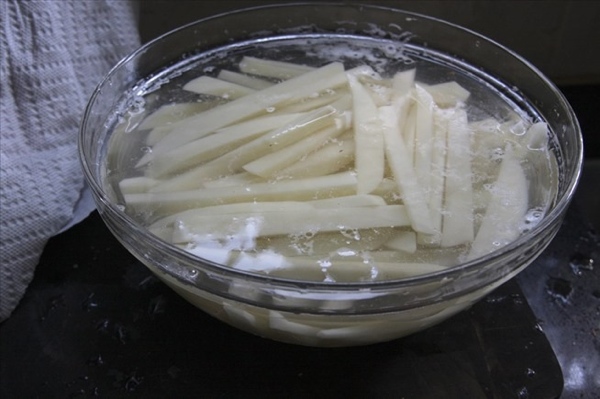
When your soak time has elapsed, rinse the spuds well in cold, running water to remove that starch.

Now it’s time for the blanching. If you’re not familiar with the term, it means to plunge food into, (most often), water, and in this case, oil, for a brief time, in order to do anything from softening it, to partially or fully cooking it. Sometimes blanching is done to tame strong flavor notes, as with game or onions. Nuts and fruit can be blanched to make the skins softer and easier to remove, (hazelnuts, almonds, peaches and plums, for example). Blanching is often used in restaurants to pre-cook veggies, thereby making them faster to prepare at service, and to help keep their colors nice and bright. It’s a great technique to learn and use at home. When used for these other purposes, the food is just plunged into boiling water for 30 seconds to a minute, then immediately plunged into an ice bath, (50% each ice and water), to quickly stop the cooking process.

Use enough oil in your deep fryer or pot to reach roughly halfway up the sides of the pan; never fill higher than about two-thirds, for safety’s sake.

Preheat your oil to 280˚F.

Once the oil is up to temp, cook the potatoes in one potato batches until they are soft and their color has turned to semi-translucent white. Don’t get antsy and yank ’em before you see the color change occur; this is gonna take about 7 minutes, give or take. The smaller batches make things more manageable and keep your oil from cooling too much, which leads to soggy frites. Use a slotted spoon or skimmer to carefully pull the fries out of the oil and then set them out in a single layer on a baking sheet.

Let the fries rest for 15 to 30 minutes.
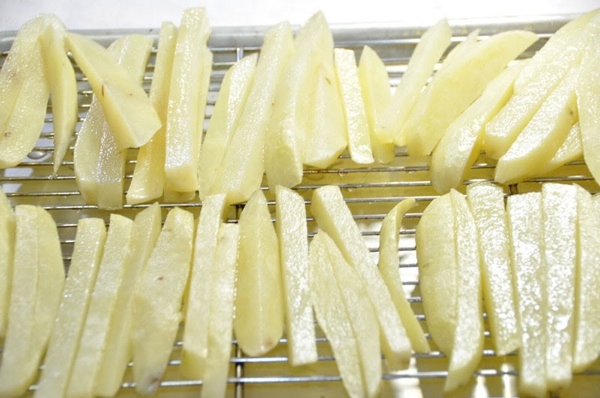
Raise the oil temp to 375˚F. That is right where you want it, and you want it to stay right there through cooking; this is critical for perfect Frittes. Fry the blanched potatoes in one potato batches for about 3 minutes, until they are crisp and golden brown.

Pull the fries out and shake off any excess oil.

Immediately drop your fries into a large steel or glass mixing bowl, lined with a clean, dry kitchen towel or paper towels.

Season with sea salt to taste.
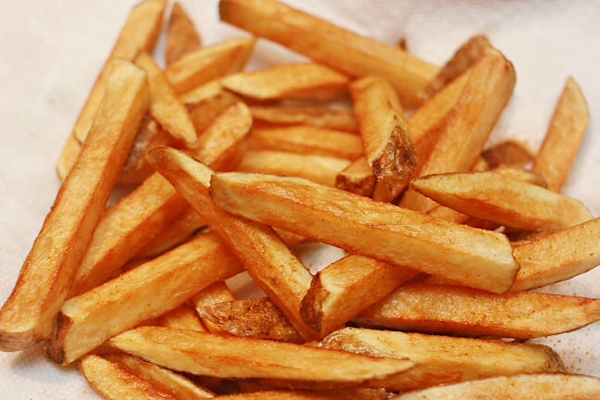
Pull the towels and give the fries a good toss around the bowl to evenly disperse the salt.

Serve while they are nice and hot, never make ’em wait, never rest them; doing so leads to soft, soggy fries.

 

Stuff Them Peppers!


I love peppers, and I love chiles. Notice I separate chiles and peppers? Lots of us do, even though that’s technically incorrect; sweet peppers are the same genus and species, (Capsicum Annuum), as the hot peppers referred to as chiles.

When it comes to cooking, I most often use chiles for heat and the fruity, earthy flavors they provide. Sweet peppers to me are for salads and stir-fries, soups and breakfasts, (I love them with eggs), and especially for stuffing. Sweet peppers certainly do have flavor, even if it’s a relatively minor note compared to the knockout punch of a hot chile.

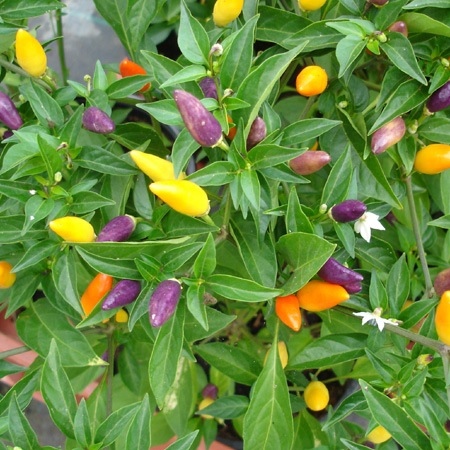
Just as hot chiles have expanded in variety over the last couple of decades, so have the sweets. If you’re my age or older, then you probably remember back when you might find green bell peppers in the grocery and nothing else like it, (and their flavor was, uh, shall we say, lacking… ) Now you can find sweet bells in green, red, orange, purple, yellow, and even brown and white, as well as some great non-bell sweet types. My favorite options lately are the bags of small, sweet peppers we’re seeing quite often in stores. They’re perfect for salads, salsas, roasting and even stuffing.

Sweet peppers are not only tasty, they’re good for you. In addition to containing notable amounts of Vitamins C and E, they pack abundant carotenoids, including alpha-carotene, beta-carotene, lycopene, lutein, cryptoxanthin and zeaxanthin, (Trust me, those are all good things).

Here’s a little primer on what’s out there these days, both for shopping and growing.

Green Bells.
These are the peppers so many of us grew up with. They too have grown up, and there’s a bunch of varieties out there to grow and enjoy. From the store, they have a slightly bitter, grassy flavor that goes great in salads, or as part of an aromatic base for sauces, stews and soups.

Purple & Chocolate Bells.
The least sweet of the bells other than green. They’re great raw in salads and probably are best left to raw uses, as that pretty purple hue turns to mud real quick when they’re cooked. They also tend to be wildly expensive, so if you love them, grow them.

Yellow & White Bells.
Mildest flavor of the bells. You may see whites as either a Bell variant, or referred to as a Hungarian Stuffing Pepper, (note that the white bells are often silly expensive…). Lightly sweet, with a nice hint of the grassy notes greens are prized for. These are great as part of an aromatic base, and for stuffing and roasting.

Orange Bells.
A bit less sweet and slightly more tangy than a red, orange bells are great raw in salads or roasted and stuffed.

Red Bells.
Far and away the most popular sweet peppers. Reds are genuinely sweet and fruity in flavor, and are fabulous in salads, with rice, or roasted.

Mild Hatch or Anaheims.
If a New Mexican chile lover reads that heading, I’m gonna get roasted…. Fact is, these long green and red chiles do come in mild form, but again, you need to take care when cooking with them, because hot ones can sneak in there. They’re wonderful for roasting, stuffing, salsa, and especially green sauces.

Red Pimento:
Sweet, yes, but some of these can be as much heat as sweet, so ask and try before you buy! Pimentos have an intense flavor base that holds up beautifully to roasting and preserving, (pickled peppers). They also are fabulous in aromatic bases, given their depth of flavor.

Sweet cherries.
While called sweet, these little round guys can also pack a bit of fire in them, so if you’re not a lover of such, taste before you cook! They have a dense sweetness that is perfect for roasting, salsa, and other Mexican sauces.

Sweet Cubanelles.
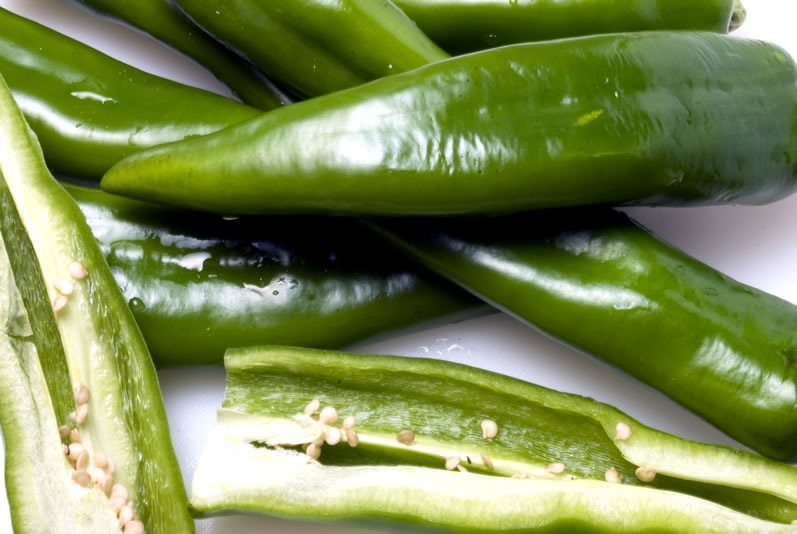
These long, slender chiles look a bit like a Serrano or an Anaheim, but are a notable lighter pale green color, (If you’re growing them, they will turn red if allowed to mature on the plant.) Cubanelles have a light, grassy sweetness that is great for roasting and stuffing.

Sweet Banana.

Same warning as the other non-bell varieties; there are hot bananas as well, so be careful, and test before you eat. They have a nice veggie flavor with a hint of heat, which makes them great for stuffing.

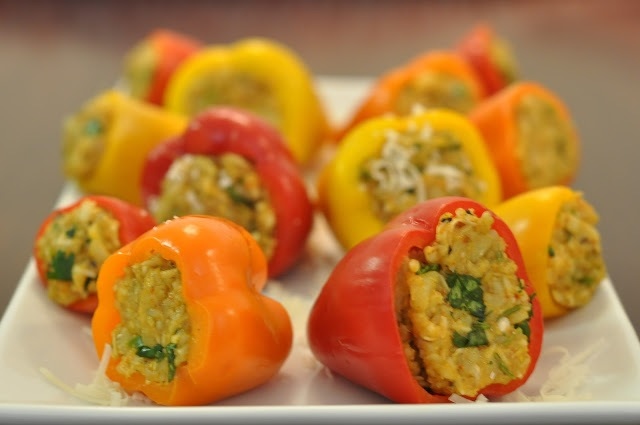
Notice how many of those guys up there I noted were great for stuffing? All the glory a sweet pepper has to offer comes out when you stuff ’em with wonderful things. Doing so and then slow roasting deepens the sweetness and intensifies minor flavor notes. And don’t make the mistake of thinking that this only works at home; you can slow roast on coals with aluminum foil, a Dutch oven, or a cast iron skillet. The sky is the limit on what you stuff with, but here’s a couple of my favorites to get the creative juices flowing.

1 Pound ground protein, (Beef, Chicken, Pork, Ground Turkey, Tofu, Cheese, or any combination thereof)
1/2 Cup Wild Rice
1 Cup Water
6 Sweet Peppers, (Bells, more if you’re using Cubanelles, Anaheims, etc)
2 large Tomatoes
1/2 Sweet Onion
1-2 cloves Garlic
1 Tablespoon extra virgin Olive Oil
1/2 teaspoon Oregano, (Hungarian is my favorite, it’s sweeter and milder than Mexican)
1/2 teaspoon smoked sweet Paprika
Splash of wine for deglazing, (Anything you’re drinking is fine, and if your drinking bourbon, etc, that’s fine too, if you’re willing to spare some…)
Sea Salt and fresh ground Pepper

Place rice and water in a saucepan over high heat and bring to a boil.
Reduce the heat, cover and simmer for 20 minutes.

Cut protein into bite sized chunks.
Lightly salt a large skillet or sauté pan over medium-high heat, and cook the protein until evenly browned.

Set the protein aside and leave the pan as is.

Field strip the peppers and keep the tops if you’re using bells. Arrange the peppers hollow side up on foil, or in a baking dish or Dutch oven. You may need to even out the bottoms a bit if you’re using a pan; thats just fine, but don’t cut through the peppers.

Dice tomatoes and onion, and mince the garlic.
Toss the olive oil into the pan you cooked the protein in. Once it’s heated through, toss in the onion and sauté until they’re starting to get translucent. Add the garlic and sauté for a minute or so, until the raw garlic smell is gone.

Time to deglaze. Splash whatever booze you’re drinking into the pan, (and it’s high proof and you’re cooking over flame, step back so you don’t burn your face off). Get a fork and work all the little bits of this and that loose in the pan; that’s some serious flavor you want in whatever you’re making. Any time you sauté an ingredient and then add that to a dish, deglaze, otherwise, you’re leaving good stuff out.

Add the tomatoes, rice, and protein to your pan and mix well.
Add oregano, paprika, salt and pepper; taste and adjust seasoning.

Remove the pan from heat and spoon the mixture evenly into your peppers, then pop the tops back on the peppers.

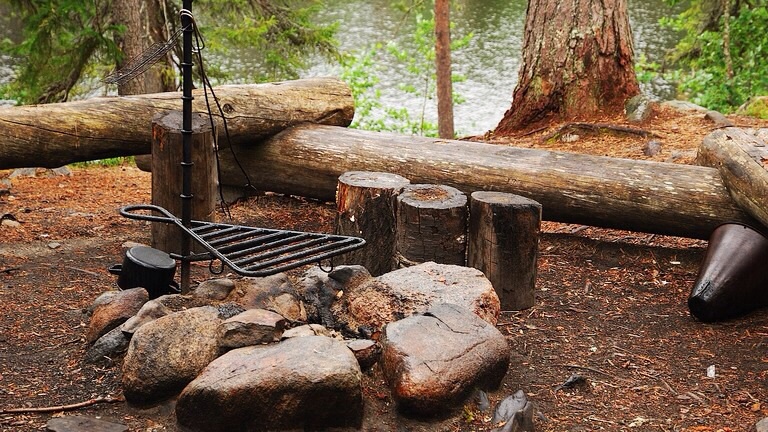
Roast in, ideally, 325° F heat for about 45 to 60 minutes, until the peppers are fork tender. If you’re doing this on a campfire, put the pan or foil bundle over low coals and let them work. If you’re on a grill, spread the coals or adjust flame and place your roasting pan on the side of your grate.

Serve with crusty bread, a green salad, and maybe a nice Wollersheim Prairie Sunburst Red. This winery is in Wisconsin and grows all their own stuff. Yes, Wisconsin, and they rock!

If you prefer a stuffed pepper with a little more pop, try our recipe for classic Oaxacan Chiles Rellenos. Trust me, it’ll knock your socks off in a good way!

Fresh Fruit Tart


For some reason, I’m on a dessert tear, as you may have noticed; maybe I’m making up for lost time…

It is spring, and for my mind, time for fruit. It’s early yet for local berries, but there are plenty of things you could put on this lovely tart; kiwi, pear, apple, citrus, your imagination is the only limit.

The crust is the only baking you need to do, so it’s a great recipe to prepare the days before an event. The combination if great flour, almonds and honey makes for a melt in your mouth delight.

For the tart,
3/4 Cup White Whole Grain Flour
3/4 Cup Whole Wheat Pastry Flour
¼ cup Almonds
6 Tablespoons Unsalted Butter
3 Tablespoons Raw Honey or Agave Nectar
¼ teaspoon Sea Salt
2 – 4 Tablespoons Ice Water

Pulse almonds in a food processor to a coarse meal texture.

Add flour, sugar and salt and blend thoroughly.

Cut cold butter into ½” cubes, add and process until the mix is well incorporated, (Again, like a rough meal consistency).

Add water a tablespoon at a time until the dough begins to clump; make sure the mix is moist to the touch.
Gather dough, flatten into a roughly 1” thick disk, wrap in plastic and refrigerate for at least 2 hours, (And up to a day).

When ready to build, preheat oven to 400° F.

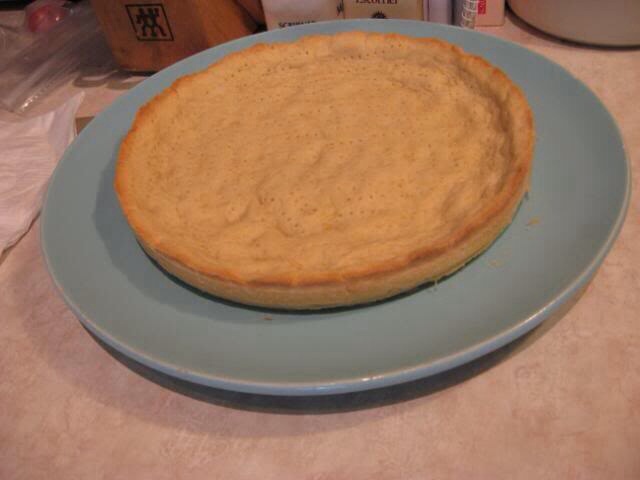
Line a pan with parchment, then roll dough out to fit; you want a crust around 1/2″ thick, but a little thinner or thicker is fine, depending on your taste, (a springform or tart pan is best, but a cookie sheet will do fine in a pinch.)

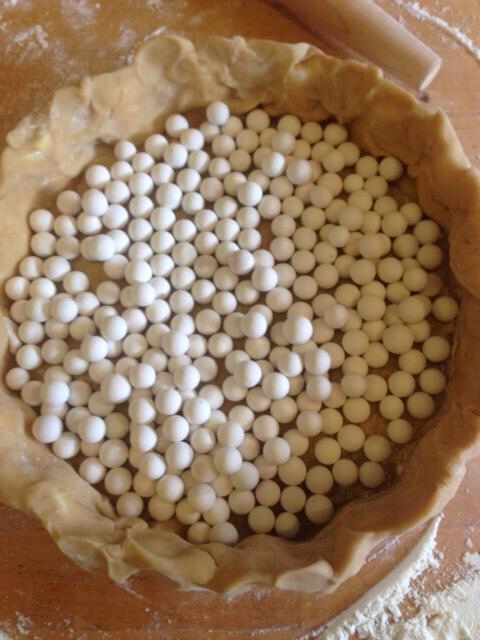
Prick the tart with a fork, then cover with another piece of parchment and pie weights or beans. If you do a significant amount of baking, you need pie weights; they’re more efficient, cheap, and don’t ruin your beans…

Blind bake the crust until it is an even, light golden brown, about 10 – 15 minutes.

Remove from oven and allow to cool in the pan.

Instead of the traditional pastry cremé for the tart, we substituted fresh vanilla whipped cream for a lighter touch.

For the cream,
1 Cup Heavy Cream
1 teaspoon Agave Nectar or Honey
1/2 teaspoon pure Vanilla extract

Combine all ingredients in a mixing bowl and whisk or blend until the cream holds a stiff peak. It’s best to wait and prep the cream immediately before serving, but you can make it up to 1/2 hour ahead and refrigerate as well.

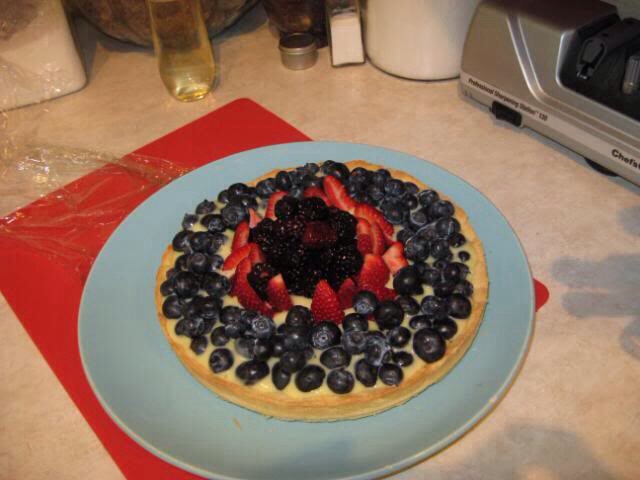
Prep your fruit by rinsing it thoroughly. Core your strawberries. You may slice the berries if you wish.

Spread a layer of cream evenly over the tart, then arrange fruit evenly around the tart. Serve promptly.

NOTE:
If you really want to be decadent, a thin layer of our Meyer Lemon Curd would fit the bill, substituted for the whipped cream.

If you prefer an even lighter version, you can substitute a thin layer of no-added-sugar apricot preserves, (Heat 1 cup of preserves with 1 tablespoon of butter over medium low until fully melted and blended. Spread half evenly over tart and the rest drizzled over the fruit).

Cranberry Citrus Granita


Granitas are a lovely, light alternative to ice cream or sherbet that contain no dairy at all and are super simple to make; if you’ve never tried one, it’s time. This version highlights the tart sweetness of cranberries and citrus and is, quite frankly, stunningly pretty.

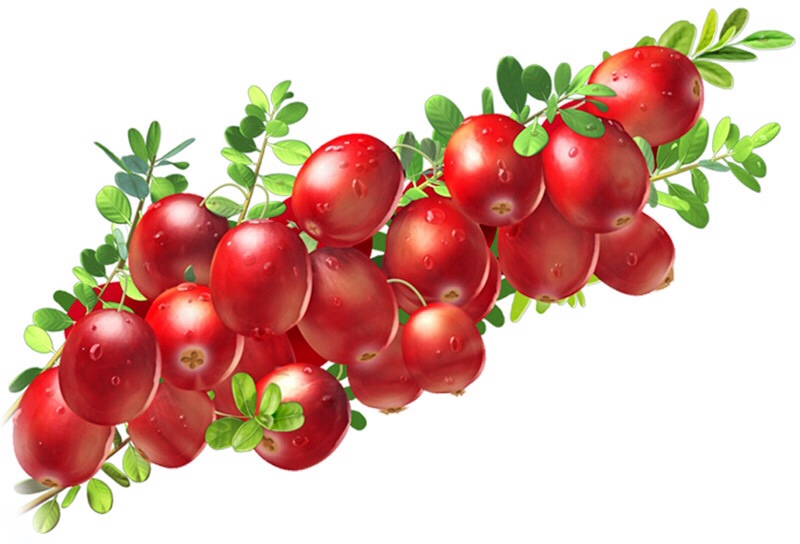
So, we’re highlighting cranberries. Why? ’cause we typically just we haul them out once a year or so for the holidays, and that’s not right. Cranberries incredibly tasty, make gorgeous food, and are darn good for you as well. They’re not only rich in Vitamin C, but have excellent infection fighting properties as well, as anyone who’s had a urinary tract infection knows. Cranberries contain compounds known as condensed tannins, which are potent antioxidants with known anti-inflammatory properties. Cooking does not degrade tannins, so here’s a delicious little fruit that’s remarkably healthy even when we do stuff to ’em. Here’s how you granita.

1 Cup Water
3-4 fresh Navel Oranges
1 each fresh Lemon and Lime
1 1/2 Cups Cranberries, fresh or frozen, washed and sorted
1/2 Cup Agave Nectar or Honey

Thoroughly rinse cranberries and citrus. If your citrus has been waxed or treated, put them whole in a bowl containing ¼ cup white vinegar mixed with 4 cups cold water. Allow them to soak for about 15 minutes, then rinse in fresh water and dry with a clean towel.

Zest all citrus, then juice each into separate small bowls or cups.

In a heavy bottomed sauce pan over medium-high heat, add;
The water,
Cranberries,
1 cup of orange juice,
1 teaspoon lime juice,
1 teaspoon lemon juice,
The agave nectar or honey,
1/2 teaspoon of orange, lemon and lime zest.

Heat to a fast simmer, stirring occasionally, until the berries start to pop, (about 5 minutes).

Remove pan from heat and purée the ingredients with a stick blender; be careful, the blend holds heat well and is sticky.

Carefully pour the mixture through a steel mesh strainer, into a glass baking pan, (around 9″ x 12″ is right, and a half cookie sheet with sides will work if you don’t have the pan).

Press gently on the mix with a spatula; you’ll end up with some skins and zest that won’t make it through the strainer.

Slide the pan into your freezer for at least 4 hours, (and overnight is fine), along with 4 margarita or Marie Antoinette champagne glasses. Freeze until the granita is completely set.

Scrape the granita carefully towards with a fork while holding the pan steady, until you’ve got a nice shaved ice consistency.


Scoop granita into the chilled glasses, garnish with a Rosemary sprig, and serve immediately.

Et voilà!