
A couple of posts for the meat eaters over on Big Wild Food.
They’ve been here before but if you missed ’em, ya shouldn’t have…
😉
From standards to radical departures, homemade is always best
A couple of posts for the meat eaters over on Big Wild Food.
They’ve been here before but if you missed ’em, ya shouldn’t have…
😉
For some reason, I’m on a dessert tear, as you may have noticed; maybe I’m making up for lost time…
It is spring, and for my mind, time for fruit. It’s early yet for local berries, but there are plenty of things you could put on this lovely tart; kiwi, pear, apple, citrus, your imagination is the only limit.
The crust is the only baking you need to do, so it’s a great recipe to prepare the days before an event. The combination if great flour, almonds and honey makes for a melt in your mouth delight.
For the tart,
3/4 Cup White Whole Grain Flour
3/4 Cup Whole Wheat Pastry Flour
¼ cup Almonds
6 Tablespoons Unsalted Butter
3 Tablespoons Raw Honey or Agave Nectar
¼ teaspoon Sea Salt
2 – 4 Tablespoons Ice Water
Pulse almonds in a food processor to a coarse meal texture.
Add flour, sugar and salt and blend thoroughly.
Cut cold butter into ½” cubes, add and process until the mix is well incorporated, (Again, like a rough meal consistency).
Add water a tablespoon at a time until the dough begins to clump; make sure the mix is moist to the touch.
Gather dough, flatten into a roughly 1” thick disk, wrap in plastic and refrigerate for at least 2 hours, (And up to a day).
When ready to build, preheat oven to 400° F.
Line a pan with parchment, then roll dough out to fit; you want a crust around 1/2″ thick, but a little thinner or thicker is fine, depending on your taste, (a springform or tart pan is best, but a cookie sheet will do fine in a pinch.)
Prick the tart with a fork, then cover with another piece of parchment and pie weights or beans. If you do a significant amount of baking, you need pie weights; they’re more efficient, cheap, and don’t ruin your beans…
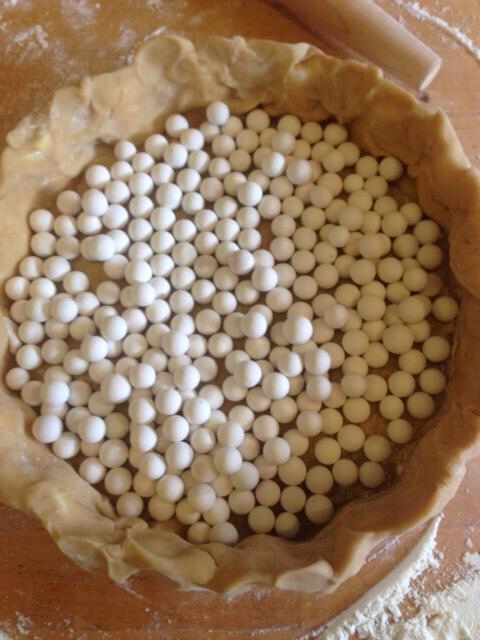
Blind bake the crust until it is an even, light golden brown, about 10 – 15 minutes.
Remove from oven and allow to cool in the pan.
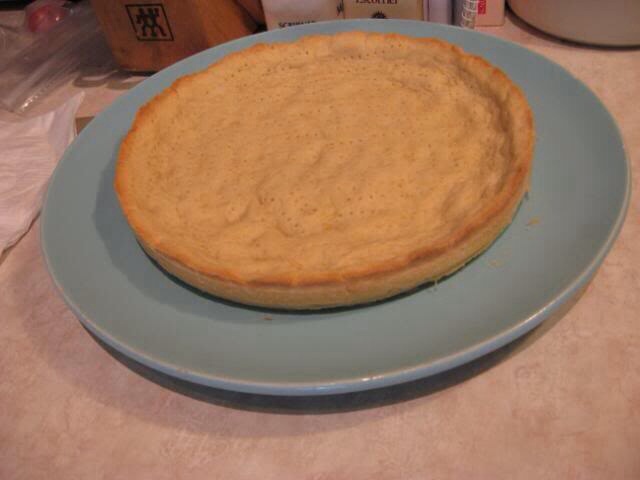
Instead of the traditional pastry cremé for the tart, we substituted fresh vanilla whipped cream for a lighter touch.
For the cream,
1 Cup Heavy Cream
1 teaspoon Agave Nectar or Honey
1/2 teaspoon pure Vanilla extract
Combine all ingredients in a mixing bowl and whisk or blend until the cream holds a stiff peak. It’s best to wait and prep the cream immediately before serving, but you can make it up to 1/2 hour ahead and refrigerate as well.
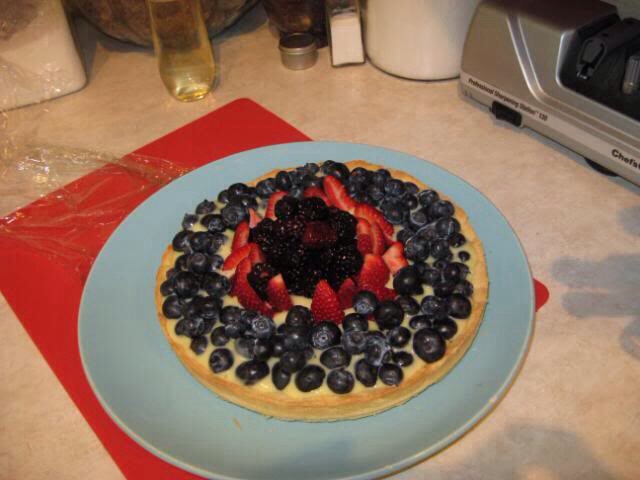
Prep your fruit by rinsing it thoroughly. Core your strawberries. You may slice the berries if you wish.
Spread a layer of cream evenly over the tart, then arrange fruit evenly around the tart. Serve promptly.
NOTE:
If you really want to be decadent, a thin layer of our Meyer Lemon Curd would fit the bill, substituted for the whipped cream.
If you prefer an even lighter version, you can substitute a thin layer of no-added-sugar apricot preserves, (Heat 1 cup of preserves with 1 tablespoon of butter over medium low until fully melted and blended. Spread half evenly over tart and the rest drizzled over the fruit).
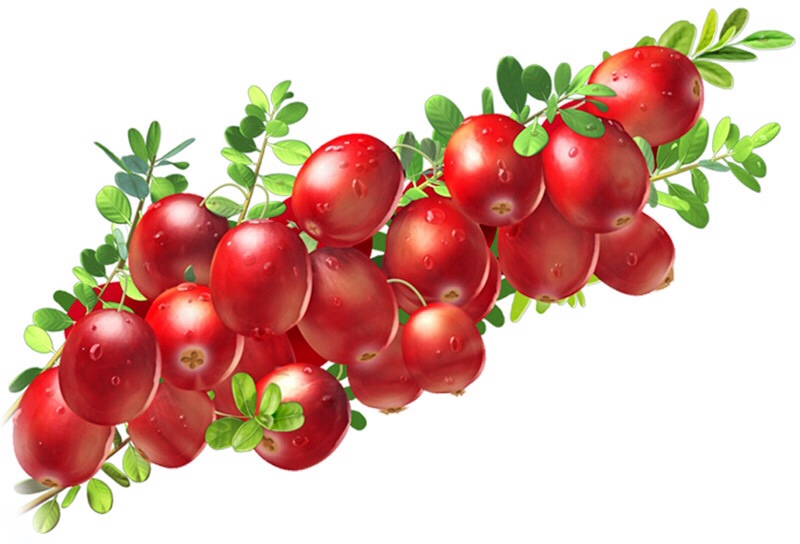
Granitas are a lovely, light alternative to ice cream or sherbet that contain no dairy at all and are super simple to make; if you’ve never tried one, it’s time. This version highlights the tart sweetness of cranberries and citrus and is, quite frankly, stunningly pretty.
So, we’re highlighting cranberries. Why? ’cause we typically just we haul them out once a year or so for the holidays, and that’s not right. Cranberries incredibly tasty, make gorgeous food, and are darn good for you as well. They’re not only rich in Vitamin C, but have excellent infection fighting properties as well, as anyone who’s had a urinary tract infection knows. Cranberries contain compounds known as condensed tannins, which are potent antioxidants with known anti-inflammatory properties. Cooking does not degrade tannins, so here’s a delicious little fruit that’s remarkably healthy even when we do stuff to ’em. Here’s how you granita.
1 Cup Water
3-4 fresh Navel Oranges
1 each fresh Lemon and Lime
1 1/2 Cups Cranberries, fresh or frozen, washed and sorted
1/2 Cup Agave Nectar or Honey
Thoroughly rinse cranberries and citrus. If your citrus has been waxed or treated, put them whole in a bowl containing ¼ cup white vinegar mixed with 4 cups cold water. Allow them to soak for about 15 minutes, then rinse in fresh water and dry with a clean towel.
Zest all citrus, then juice each into separate small bowls or cups.
In a heavy bottomed sauce pan over medium-high heat, add;
The water,
Cranberries,
1 cup of orange juice,
1 teaspoon lime juice,
1 teaspoon lemon juice,
The agave nectar or honey,
1/2 teaspoon of orange, lemon and lime zest.
Heat to a fast simmer, stirring occasionally, until the berries start to pop, (about 5 minutes).

Remove pan from heat and purée the ingredients with a stick blender; be careful, the blend holds heat well and is sticky.
Carefully pour the mixture through a steel mesh strainer, into a glass baking pan, (around 9″ x 12″ is right, and a half cookie sheet with sides will work if you don’t have the pan).

Press gently on the mix with a spatula; you’ll end up with some skins and zest that won’t make it through the strainer.
Slide the pan into your freezer for at least 4 hours, (and overnight is fine), along with 4 margarita or Marie Antoinette champagne glasses. Freeze until the granita is completely set.

Scrape the granita carefully towards with a fork while holding the pan steady, until you’ve got a nice shaved ice consistency.

Scoop granita into the chilled glasses, garnish with a Rosemary sprig, and serve immediately.

Et voilà!
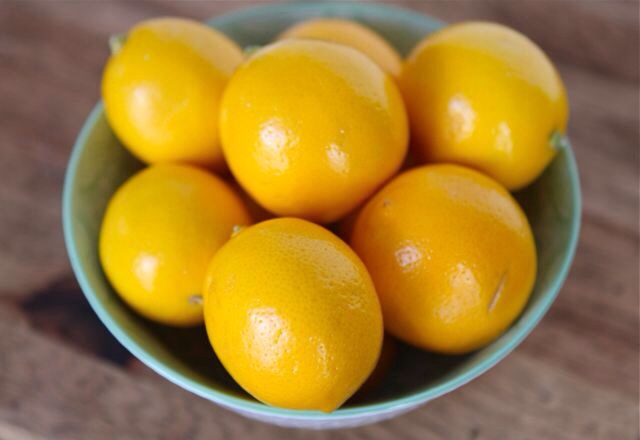
Lemon curd is often thought of as a British affectation, but that’s selling short an amazing treat everyone should enjoy. Lemon curd is amazing on a scone, or Scottish shortbread, blended with plain yoghurt and granola, or a fresh fruit cup. Its lovely, light appearance is a bit deceiving; it is a dense, rich treat, bright with flavor.
Using Meyer lemons creates a whole new level of lemon curd. Meyers have gotten more popular lately but remain untried by many folks. Sweeter and less tangy than regular lemons, they’re thought to be a cross made long ago between a lemon and a mandarin orange. They’re high in vitamin C, vitamin B, and phosphorous. Our version also uses agave nectar or honey instead of refined sugar.
Meyer Lemon Curd – About 2 Cups
3 medium Eggs
2-3 Meyer Lemons
1/3 Cup Agave Nectar or Honey
1 tablespoon Meyer Lemon Zest
1/2 cup freshly squeezed Meyer Lemon Juice
6 Tablespoons Butter
Rinse your lemons well. If they have been waxed or treated, put them whole in a bowl containing 2 tablespoons of white vinegar mixed with 4 cups cold water. Allow the lemons to soak for about 15 minutes, then drain the water and rinse the citrus in fresh water and dry with a clean towel.
Place a saucepan large enough to hold your mixing bowl over medium heat with about 3″ of water in it and allow the water to heat through, (If you own a double boiler, set up the bottom as described and build the curd in the upper).
Zest two of the lemons and set aside the zest.
Juice the lemons to yield 1/2 cup of fresh lemon juice. The third may be needed or may be a spare, depending in how juicy they are.
Cut the butter into roughly 1/4″ cubes and set aside.
In a stainless or glass mixing bowl, combine the eggs, 1 packed Tablespoon of zest, and the agave nectar or honey. Whisk the mixture until fully incorporated and evenly colored, about 2 to 3 minutes.
Add the 1/2 Cup lemon juice to the blend and whisk for about a minute to fully incorporate.
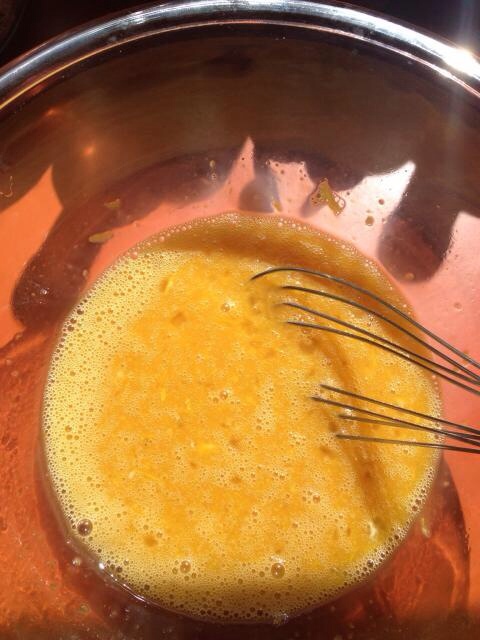
Put your bowl over the pan with hot water or double boiler bottom. Add the butter in small batches of 6 to 8 cubes, whisking steadily and allowing each batch to melt and incorporate before adding more. This curd is an emulsion, and so the butter, (fat), needs time and whisking to properly blend. When all the butter is melted, continue whisking until the mixture begins to thicken noticeably, about another 2 to 3 minutes.
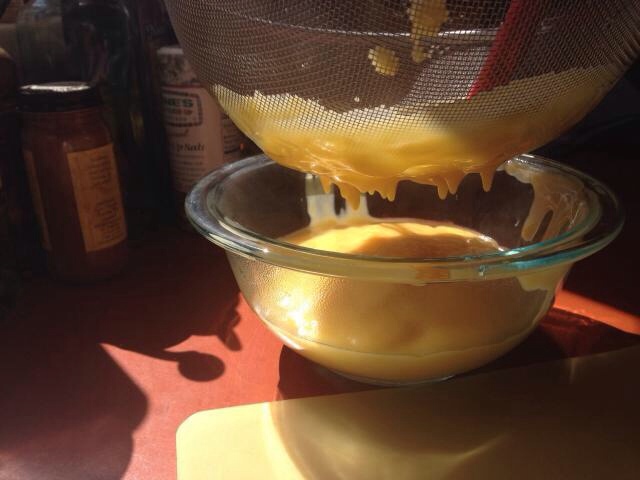
Remove the curd from the heat. Transfer the curd to a fine mesh strainer over a glass or steel bowl and use a spatula to gently strain the curd through the strainer. You’ll end up with some zest that doesn’t make it through the strainer.

Refrigerated a glass jar or airtight glass container for at least four hours. The curd will keep for about a week refrigerated, but I’ll bet it won’t last anything close to that long…
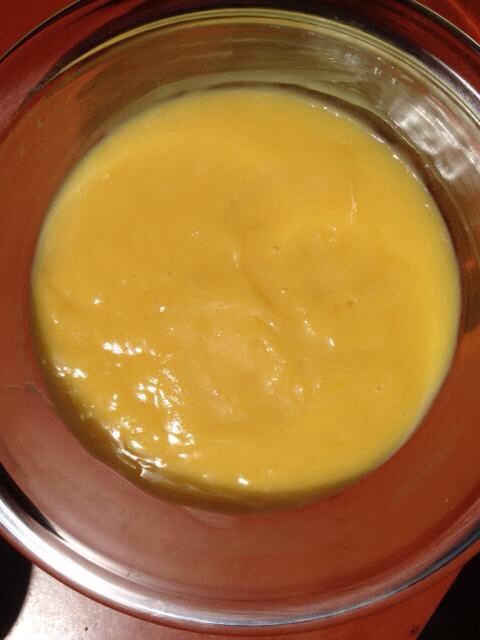
A small dish of this lovely stuff is a remarkably delicious desert, or an excellent palate cleanser after a heavy course in a fancy meal.
NOTE: You may substitute coconut oil for butter for a dairy free variation.
Got a reader following our pulled pork recipe from a few years back enquiring about Carolina style BBQ sauce; who could say no to that?

Carolina style barbecue sauce is traditionally a thin, vinegar-based preparation that allows the ingredients to easily penetrate the meat. It has a tang and a touch of sweet heat that really complements good BBQ. This version works well as a baste while cooking and as a table sauce afterwards; it was designed for pork, but it’s great on chicken and beef too.
1 1/2 Cups Apple Cider Vinegar
1/2 Cup Tomato Sauce
1/2 Cup water
1-2 Tablespoon(s) dark brown Sugar
1 teaspoon Smoked Paprika
1 teaspoon Sea Salt
1 teaspoon ground black Pepper
1/2-1 teaspoon powdered Cayenne Pepper, (flake is OK, just use 1/2 teaspoon
In a saucepan over medium heat, combine all ingredients.
Stir constantly as the mixture comes up to heat. When it shows signs of a low boil, reduce heat to a bare simmer and cook for 2 to 3 minutes, until all ingredients are heated through, fully dissolved and incorporated.
Allow to cool completely. If you used cayenne flake, strain the sauce through a sieve so the results are smooth and even in consistency.
Refrigerate for at least 8 hours to allow the flavors to marry. It’ll be even better after 24 to 48 hours, and will keep for a couple weeks refrigerated.
Place in a squeeze bottle and shake well before using.
VARIATION:
Replace the tomato sauce with yellow mustard, and this is still a damn good sauce!
UPDATE: Mark Fogleman was nice enough to send these comments. Here’s some great regional variations to try!
The Carolinas have 4 distinct BBQ sauce zones (don’t laugh…this is serious stuff ;’).
Your recipe is similar to the thicker/sweeter/darker sauce we use in the western/mountain zone.
Substitute 1/2 cup of catsup and 1tbs regular sugar for the tomato sauce and brown sugar if you want it to be authentic “Lexington” style sauce.
Authentic “Eastern NC” sauce leaves out the sugar and the catsup/tomato sauce and adds 1tbs of salt.
You nailed the Columbia, SC (Maurice Bessinger) style mustard sauce except his recipe uses regular sugar.
It’s also common to use the the Piedmont style sauce as the base of the accompanying cole slaw.
There are other regional differences… whole hog vs shoulder, picked vs chopped vs sliced (note “Pulled” is not included), charcoal vs gas vs Hickory vs Oak, yada, yada. It’s all good!
BIG THANKS, Mark!

You might just wonder what would possibly bring the classic Spanish dish Paella together with Minnesota. Well, fact is, Minnesota is the largest U.S. Exporter of freshwater crayfish, bar none, and paella just begs for nice juicy crayfish, so there ya go. On top of that, we’ve got dear friends up there, so this ones for y’all.
Paella is made just about everywhere these days, but it originated in the Valencia region on Spain’s east coast. Like barbecue or chili over here, there are easily are as many versions of paella as there are cooks. While you’ve got all kinds of leeway as to what you put in a paella, there are some hard and fast rules if you want an authentic dish; we’ll cover those bases shortly.
It’s generally agreed that the roots of paella stem from the 1700s, when field workers would make rice dishes in a flat pan over a fire. They mixed in whatever they could find – such as snails and vegetables, crawfish, and maybe rabbit or chicken for special occasions. I’ve seen and eaten a lot of paella, good and bad. Essentially, paella is a rice dish and it should always be that; putting so much stuff into it that the essence of the rice dish is lost just ain’t right. Our version below is lovely stuff, and pays homage to the dishes roots along with a nod to midwest delights like fresh game sausage and crawfish. Once you’ve made paella, your mind will already be turning to what you’ll do differently next time; it’s one of those kinda dishes.
As mentioned, there are a few hard and fast rules you must abide by when making paella, and here they are.
Paella Rule#1: You must cook paella over a fire. Whether you use a charcoal grill, gas grill or fire pit is up to you, put it’s gotta be done. The reason for this is rooted in Paella Rule #2; if you’re gonna use that big, wide pan, you gotta be able to put even heat under all of it, and there’s no stove in our houses that’ll do the deed. If you really catch the bug, there are dedicated gas paella cookers with 2 or 3 rings, adjustable flame, and a nice, sturdy tripod base.
Paella Rule #2: you gotta use a Paella Pan. A traditional paella pan is a large, flat, open round steel pan with handles. Nothing else will get the rice to do the right thing, and if it don’t, it ain’t paella. La Tienda sells them, and you can find them on Amazon as well. Granted, if you only make paella once, it’s not worth the purchase of a pan; once you’ve tried it, I’ll bet you’re hooked, and you’ll want one for sure.

Paella Rule #3: you gotta use genuine Bomba rice. This medium grained, almost round rice from the Levante, (the eastern coast of Spain), absorbs a lot of liquid, which makes it particularly suitable for paella. You can order bomba rice from many online Spanish food retailers, including La Tienda, which is where we get ours. This stuff is a delight and well worth buying.

Paella Rule #4: you gotta use real saffron. It is, you’re about to discover, the most expensive spice on the planet. Don’t buy a lot, and don’t buy the cheap stuff. Get the best grade you can afford. When the recipe says a ‘pinch’, I mean a few strands, maybe 6 or so. It’s that expensive, but also that potent. Too much leaves a nasty metallic taste that’ll ruin a paella; we’re after the lovely yellow-gold color it imparts as much as taste, so go easy.
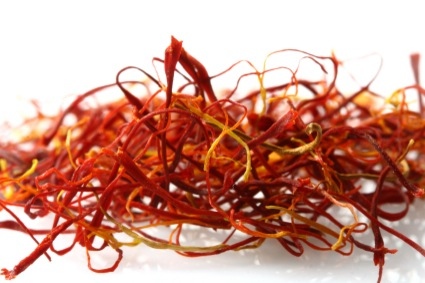
OK, so on to the recipe. This is my take on the roots of authentic paella, with a nod to Minnesota in the sausage and crawfish components.
1 Pound smoked Pheasant Sausage, (Any homemade game or chicken sausage works fine)
1 Pound freshwater Crayfish
12 Ounces Bomba Rice (Medium Grain will do in a pinch)
4-5 Cups Chicken Stock (or broth)
1 Cup White Wine
2 Tomatoes
1 sweet Onion
1 yellow or orange Bell Pepper
1/2 Cup Peas
1/4 Cup Italian flat leaf Parsley
1 sprig fresh Thyme (or 1/2 teaspoon dry)
1 pinch Saffron
2-3 cloves Garlic
1/2. Teaspoon smoked, sweet Paprika
1 Lemon
4 Tablespoons extra virgin Olive Oil
Sea Salt and fresh ground Pepper to taste
Rinse, core, seed and dice the onion, pepper, and tomatoes.
Chiffonade the parsley, peel and mince the garlic.
Cut lemon into equal slices and set aside for garnish.
Cut sausage into roughly 2″ chunks.
In your paella pan over medium heat, add olive oil and heat through.
Toss in the onion, garlic and pepper; sauté until the onion starts to go translucent. Remove the veggies to a bowl and set aside.
Add sausage and cook until evenly browned. Toss it into the bowl with the veggies and set aside again.
Add the rice to the pan and sauté dry for 2 to 3 minutes.
Stir in 3 cups of chicken stock, the wine, the thyme, paprika, and the saffron. Season lightly with salt and pepper.
Increase heat to medium high and bring everything to a boil, then reduce heat until you’ve got a nice, even simmer going; cook for 15 minutes; stirring occasionally.
Taste the rice, and check to see if it’s pretty much done; it should be a bit too al dente at this point. If it’s not close yet, add another 1/2 cup of chicken stock stock and continue cooking, stirring occasionally. Add additional stock as needed, up to 5 cups total. Continue to simmer until the rice is done.
Toss in the sausage and veggie mix, as well as the tomatoes and peas. Simmer for another 5 minutes.

Add the crawfish on top of the dish, cover with foil, and simmer for 5 minutes.
Remove the foil, sprinkle parsley evenly over the dish.
Serve hot in bowls, dished right from the paella pan, and garnished with the lemon wedges. Make sure you’ve got lots of fresh, crusty bread, and a nice white wine, (I’ll suggest the Wollersheim Dry Reisling as the perfect accompaniment.)

Salut!

 UrbanMonique