It’s Hatch Time!


It’s a bit earlier than usual, but the bottom line is that nature does as she sees fit. It’s Hatch Chile time, folks. If you’re not familiar, you need to be. One thing I miss already about not living down in the southwest – When the season hits and you go to the store, you’re greeted by the roar of chile roasters in the parking lot, and that heavenly smell wafting toward you from therein…

The Hatch Chile is the Grandfather of the well known Anaheim Chile. That said, the two really are apples and oranges. While Anaheims are mild, relatively nondescript long, green chiles, Hatches are full of flavor and attitude.

I know New Mexicans will bristle at this next paragraph, buuuuut…. There is no such variety as a Hatch. They are a New Mexico variety and the Hatch itself is so named because that’s where it is grown. In this regard, Hatch, New Mexico,at be looked at as is the Champagne region of France; if you want a Hatch chile, you gotta get the, from Hatch, ’cause anything else is just a wanna-be. There is something to the climate and soil that makes them what they are, and the are simply no substitutes.

Hatches come in everything from mild to fire breathing. Usually, stores will separate them into at least hot or mild; if they don’t, you pays your money and you takes your chances. If you roast, peel, devein and deseed them you’ll be fine, but it’s always a good idea to sample a bite from the bottom for heat level.

Hatches start out green, and most get sold and cooked with that way. If they mature, they turn fire engine red, as you may have seen on the colorful ristras of chiles that come from the same town.

Hatches are the heartbeat of anything green chile as far as we’re concerned, but especially for true green chili and enchilada sauce.

If I can find them in the grocery in the farthest northern city in the continental U.S., which I did today, you should be able to as well. Look for shiny, firm chiles with no wrinkles, lesions or soft spots when you shop.

You can use them right away, but you’ll want to put some away for the rest of the year just as we do, I’m sure. You can dry, pickle, or can Hatches if you like; some folks make chile sauce and pressure can that. I prefer to freeze these guys, so I roast, vacuum seal and freeze around 20 pounds a year and that usually does the trick. I process them in bags of about 6 to 8 chiles per, which is a good base for sauces and whatnot for a family of four or so. If you don’t have a vacuum sealer, but them in ziplock freezer bags and suck as much air out as you can to help avoid freezer burn; they’ll easily last 6+ months in a good, cold freezer.
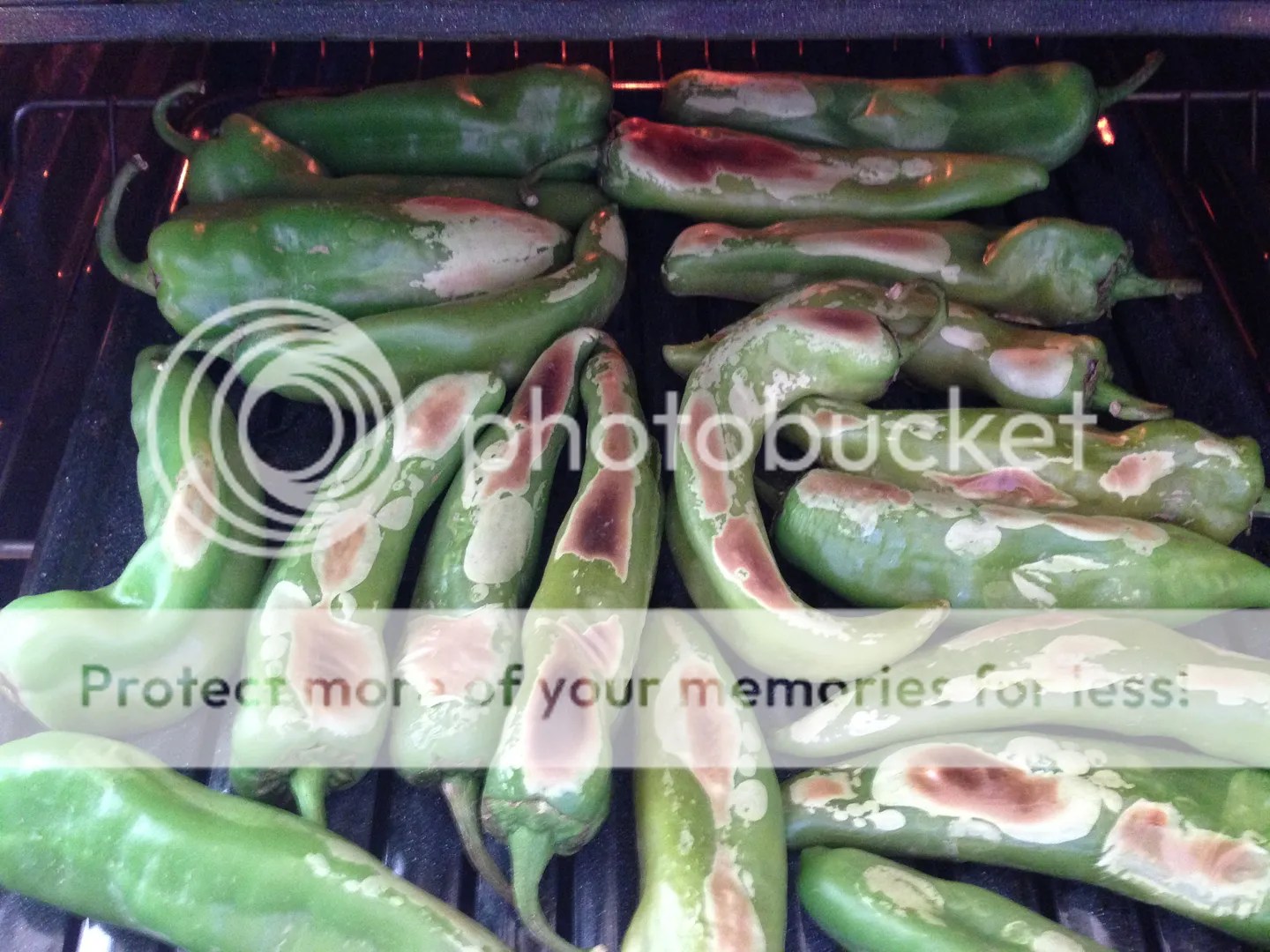
 photo null-8.jpg

For more on canning, check out this post.

For roasting and drying, check out this one.

And for some recipe ideas, go here and here as well.

Go get ’em!

E & M

Tip Top Tri Tip


Ahhhh, yes, the noble Tri Tip cut!

Until Gundy told me, I’d didn’t know this was a west coast cut, I thought everybody was in on the fun! The tri-tip is a small triangular cut from down by the sirloin, usually about a pound to maybe three in size. It’s a very flavorful, lean and relatively cheap cut that deserves your attention. If its not readily available, approach your local butcher and ask them to cut you a couple.

Tri tip was relegated to mostly becoming burger or maybe cut into steaks when a California butcher decided to share the love with his customers. Lightly rubbed and grilled low and slow, sometimes on a rotisserie, the meat is slices thin across the grain and served nice and hot.

The real beauty of this cut is its versatility though; it’s a great choice for a grill night followed by a couple wonderful leftover meals.

Throw our basic beef rub on about thirty minutes before grilling for starters:
2 Tablespoons Sea Salt
2 Tablespoons Pepper Blend
1 teaspoon Onion powder
1 teaspoon granulated Garlic

Toss the tip onto the grill and go low and slow. Shoot for a 225 F to 250 F grill temp, and cook the roast with a single flip until you reach an internal temp of 145 F to 150 F; an internal probe thermometer such as you’ve seen us use here a bunch will be a big help.

Remove from the grill and allow to rest a full five minutes, then cut about 1/2″ slices across the grain and serve it up. You can do the traditional fare with this, but one of the best treatments I know is to provide everybody a nice, fresh crusty roll, and set out lettuce, onion, tomato, cilantro, sweet peppers, pickles, mustard, mayo and horseradish and let everyone make a big, hot, sloppy sandwich – Heaven!

And here’s the best part; the next day, the sky is the limit on great follow up fair. Cube up the remainder, toss it in a medium sauté pan and heat through with lime juice, garlic, cilantro and a little beer and you’ve got killer taco meat, or maybe go whole hog and make chili; it’s incredible!

Tri tip will soak up marinades like nobody’s business, so try something new for the next round.
Pop over to this Al Carbon recipe and do that up – your dinner crowd will give you a standing O.

Enjoy!

Plastered Planters


This just absolutely cracked me up! Sister Ann writing for her local paper. You’ll find links to Annie’s blog and Alice’s Log House Plants right here. On the Log House website, you’ll find a list of nurseries that carry Alice’s stuff.

Enjoy!

Lovejoy for Kitsap Sun April 27, 2013

Plant Now For Spirited Summer Drinks

Last month, garden writer Amy Stewart presented gardeners with yet another intriguing book. Author of Wicked Plants (about toxic and psychotropic plants) and The Earth Moved (about worms), Stewart delights in offering new slants on age old topics.

Stewart’s latest effort is The Drunken Botanist: The Plants That Create the World’s Great Drinks. Inspired by such liquid delights as Margaritas and Mint Juleps, she offers stories, garden tips, and 50 recipes for would-be mixologists.

Stewart’s research fascinated Alice Doyle, co-owner of Log House Plants in Cottage Grove, Oregon. Among the Northwest’s premier wholesale plant growers, Log House Plants is famous for pioneering numerous horticulture trends, from informative plant labels to grafted vegetables. Thus, it’s not surprising that Doyle and Stewart teamed up to create a series of Drunken Botanist plant collections.

For example, if you are fond of using simple syrups in mixed drinks, you will want to grow the Mixologist collection. This assortment includes Orange Mint, Lavender Grosso, and Thai Basil, all excellent culinary forms that belong in the kitchen as well as the drinks cupboard. It also contains Agastache Golden Jubilee, a fragrant and flavorful perennial that is extremely attractive to bees and hummingbirds. Experimental cooks will also find plenty of uses for the perfumed foliage of Attar of Rose scented geraniums, and Angelica, a tasty and sweet scented biennial long candied for cake decorations.

Those who prefer whiskey cocktails could plant the Southern Belle Whiskey Garden. This includes the inevitable mint, though in superior form (Mint Kentucky Colonel), as well as German Chamomile, English Thyme, and French Tarragon.

If you like zippier drinks, yours is the Heart of Agave Tequila Garden, featuring savory Grower’s Friend Sage, Jalapeno Peguis Peppers, Golden Midget Watermelons, Margarita Mint, and Arp, a very hardy rosemary.

There’s also an Old Tom Gin Garden, with special forms of borage, basil, and thyme, along with Lemon Cucumbers. This set also includes my favorite Mexican Sour Gherkins, a wiry little scrambler Rachel Ray called the most important new vegetable in decades. These tiny, tart little cucumber relatives are delicious in salads and when pickled, are popular in drinks where you might use pickled onions. They look and taste a bit like watermelon, and are sometimes called watermelon cukes.

But wait, there’s more! The Old Havana Rum Garden celebrates Columbus’ discovery of sugarcane, a tropical grass that is a key ingredient in rum. This combo lets you partner rum with amazingly tangy golden alpine strawberries, lemon grass, lemon verbena, or Cuban Mohito Mint, all of which will earn their way into many a meal.

The Farmers Market Vodka Garden collection pairs cute little Red Currant Tomatoes with Fireball and Cherry Pick Peppers, all excellent varieties. This set also includes Slow Bolting Cilantro, which carries on long after ordinary cilantro has gone to seed, and Redventure Celery, a lovely creature with pinky-red stems that are delightfully crisp.

Even if you don’t imbibe, you can use these ingenious kits to make refreshing shrubs, combining various vinegars, fresh herbs, fruit or vegetables with sparkling water. These classic drinks were enormously popular in pioneer and Victorian times and are enjoying a renaissance in trendy bars today. Instead of a Shirley Temple, try apple cider vinegar, muddled raspberries, lemon balm and tonic. Or mix spicy, non-alcoholic ginger beer with crushed mint, a little jalapeno pepper, and chopped cucumber.

The possibilities are endless and make for splendidly different picnics and potlucks. If your local nursery doesn’t carry Log House Plant collections, check their website for the nearest retailer.

Log House Plants

Retail Outlets